
Chocolate arrived through international trade
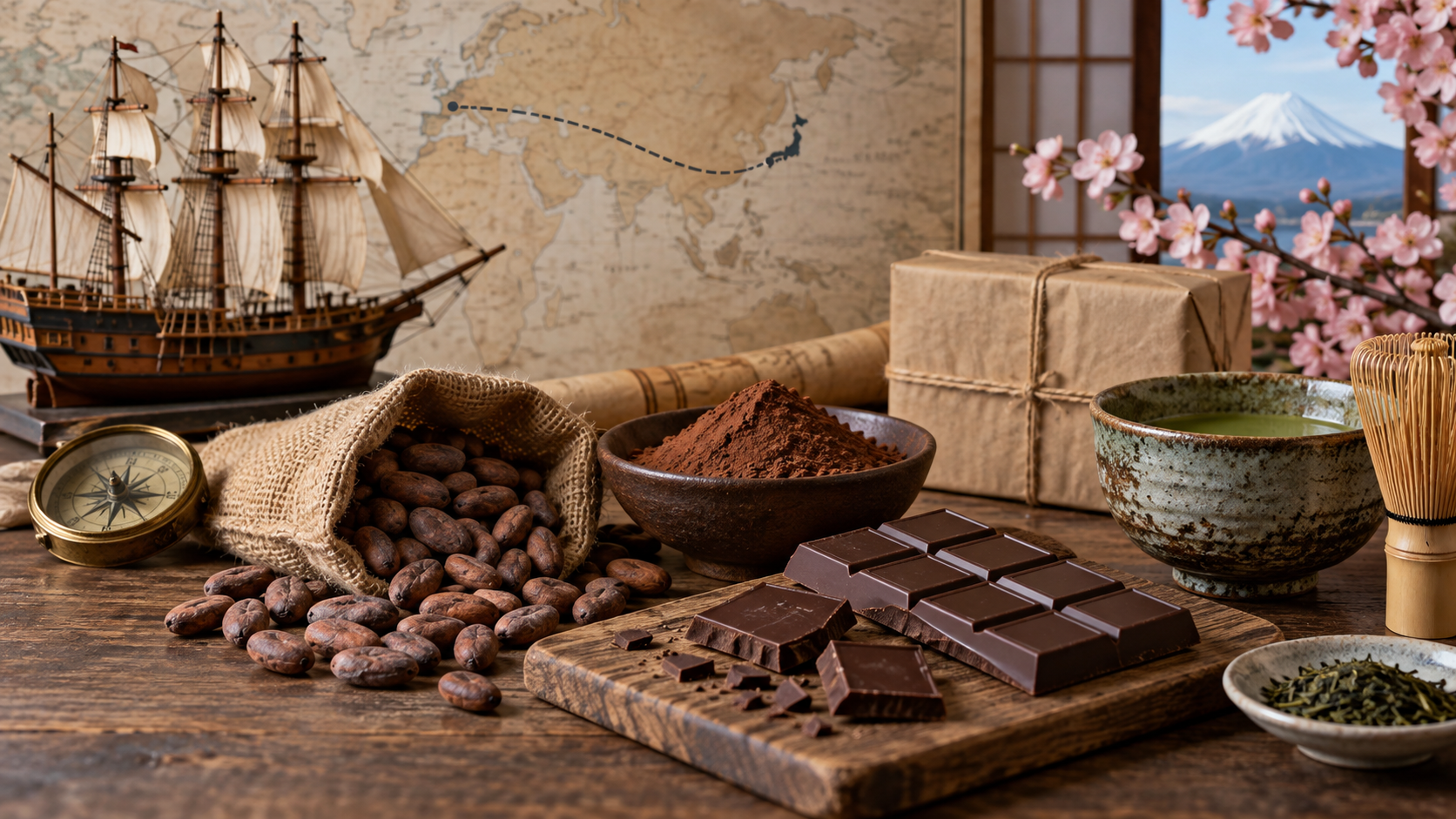
Chocolate reached Japan through changing international contact and trade, but it remained limited before modern manufacturing and retail expanded.
Modern popularity grew with industry
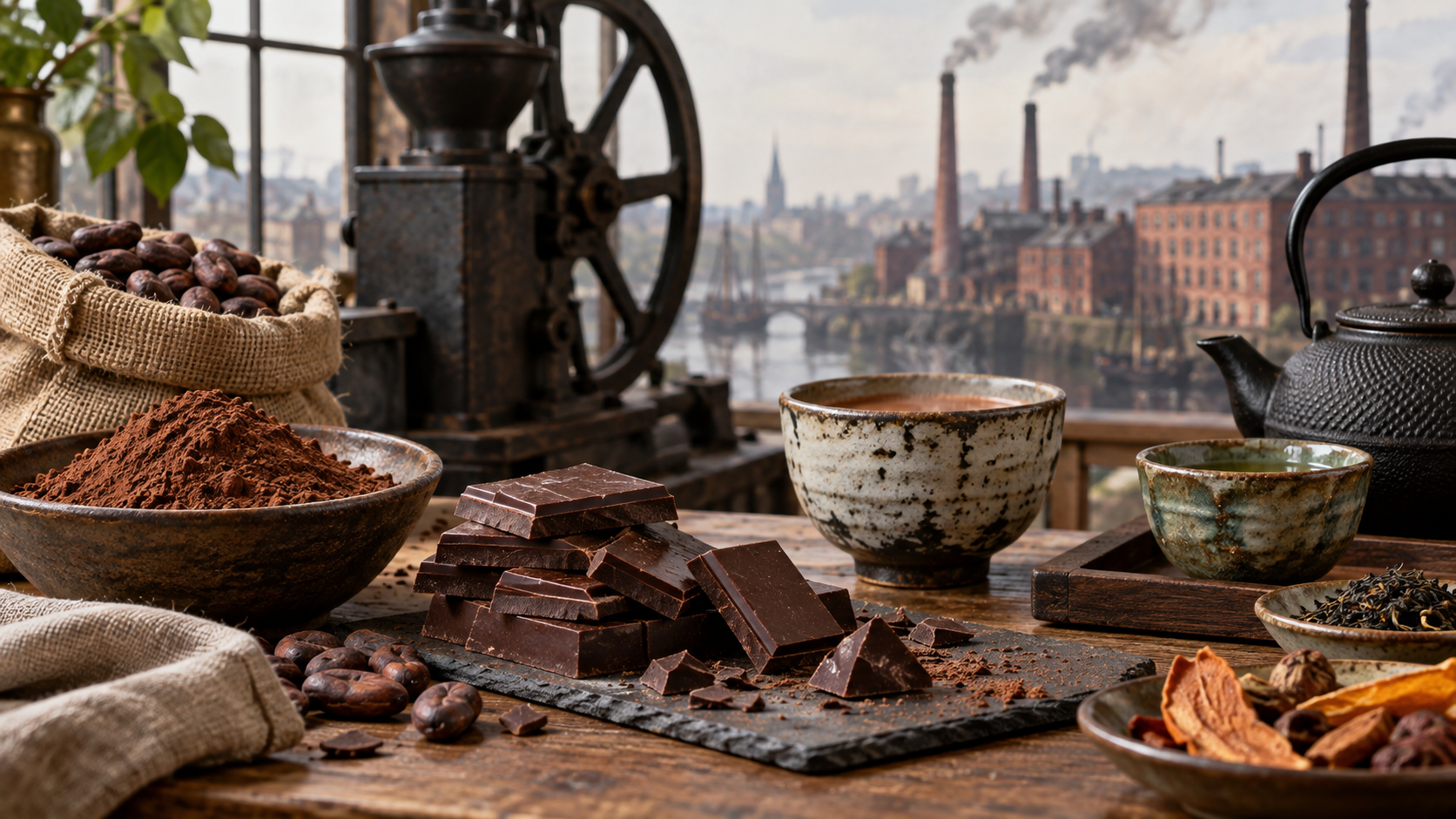
Domestic companies helped make chocolate widely available during the twentieth century. Advertising, department stores and convenience retail shaped how it was bought and shared.
Valentine customs became distinctive
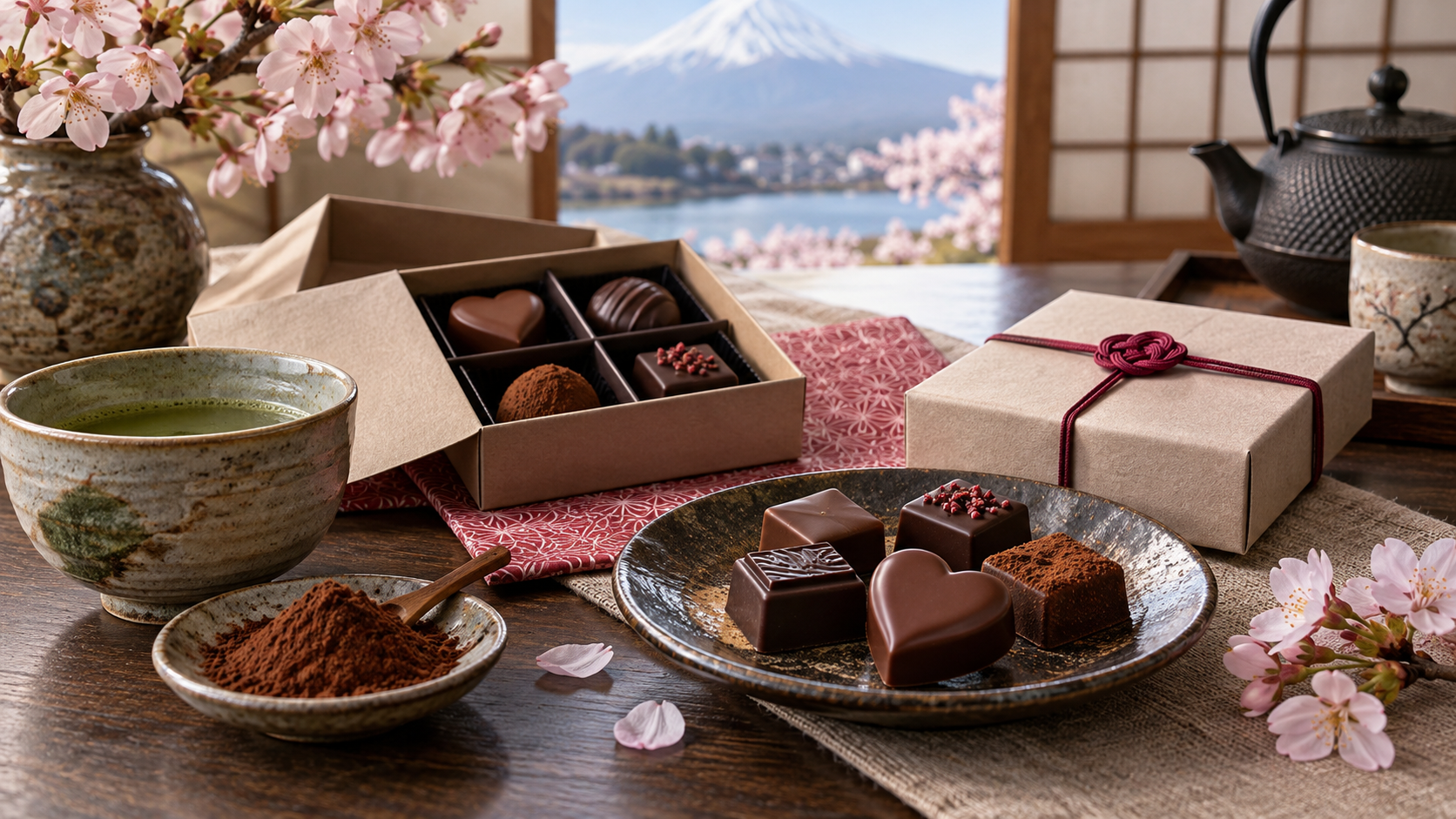
Commercial Valentine campaigns encouraged women to give chocolate to men, with different labels later used for romantic, friendship or workplace gifts. These conventions are not followed by everyone.
White Day extended the gift cycle
White Day, observed one month later, developed as a return-gift occasion promoted by confectionery interests. Its practices vary between generations and relationships.
Regional flavours attract attention
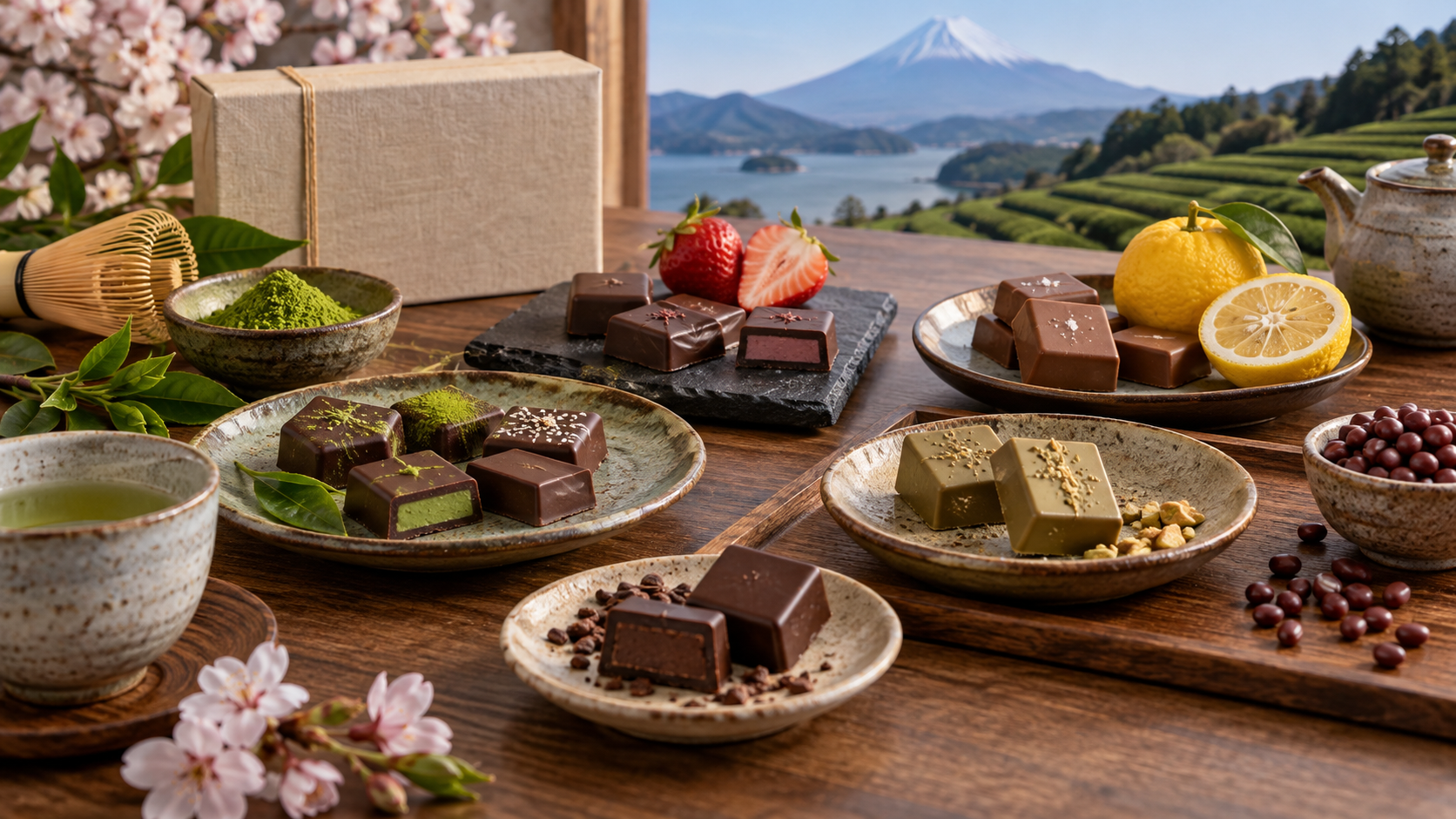
Manufacturers use matcha, roasted tea, citrus, sweet potato and other locally familiar flavours. Limited regional editions also function as travel souvenirs.
Packaging is part of presentation
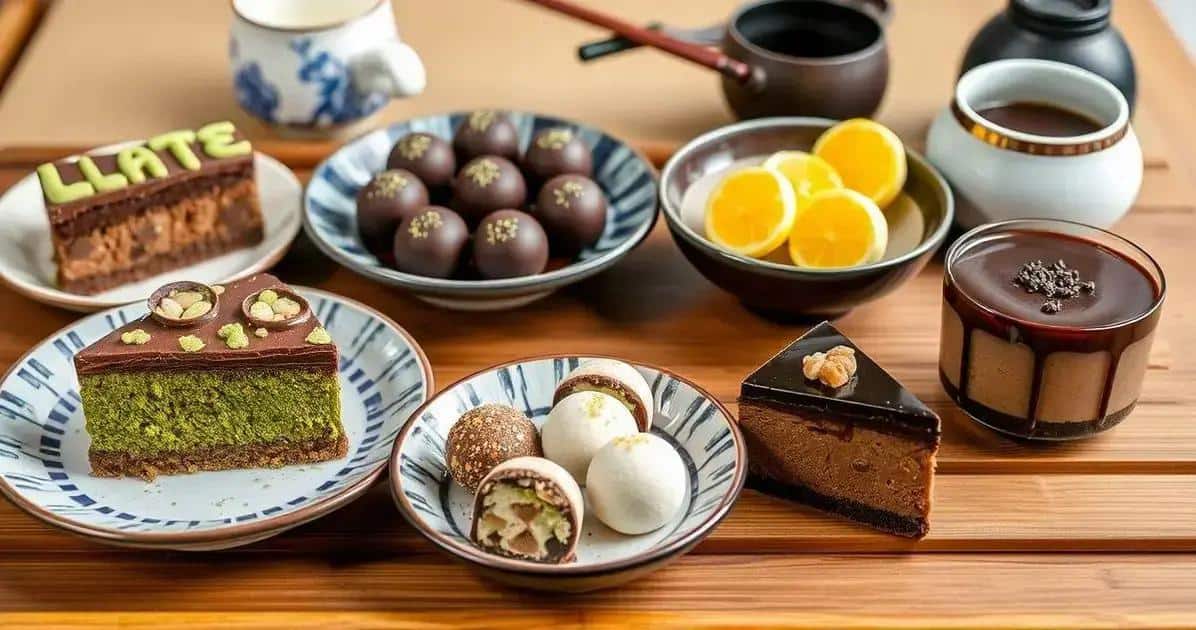
Careful wrapping and attractive boxes can signal attention, but presentation should not hide allergens, ingredients or storage needs.
Customs continue to change
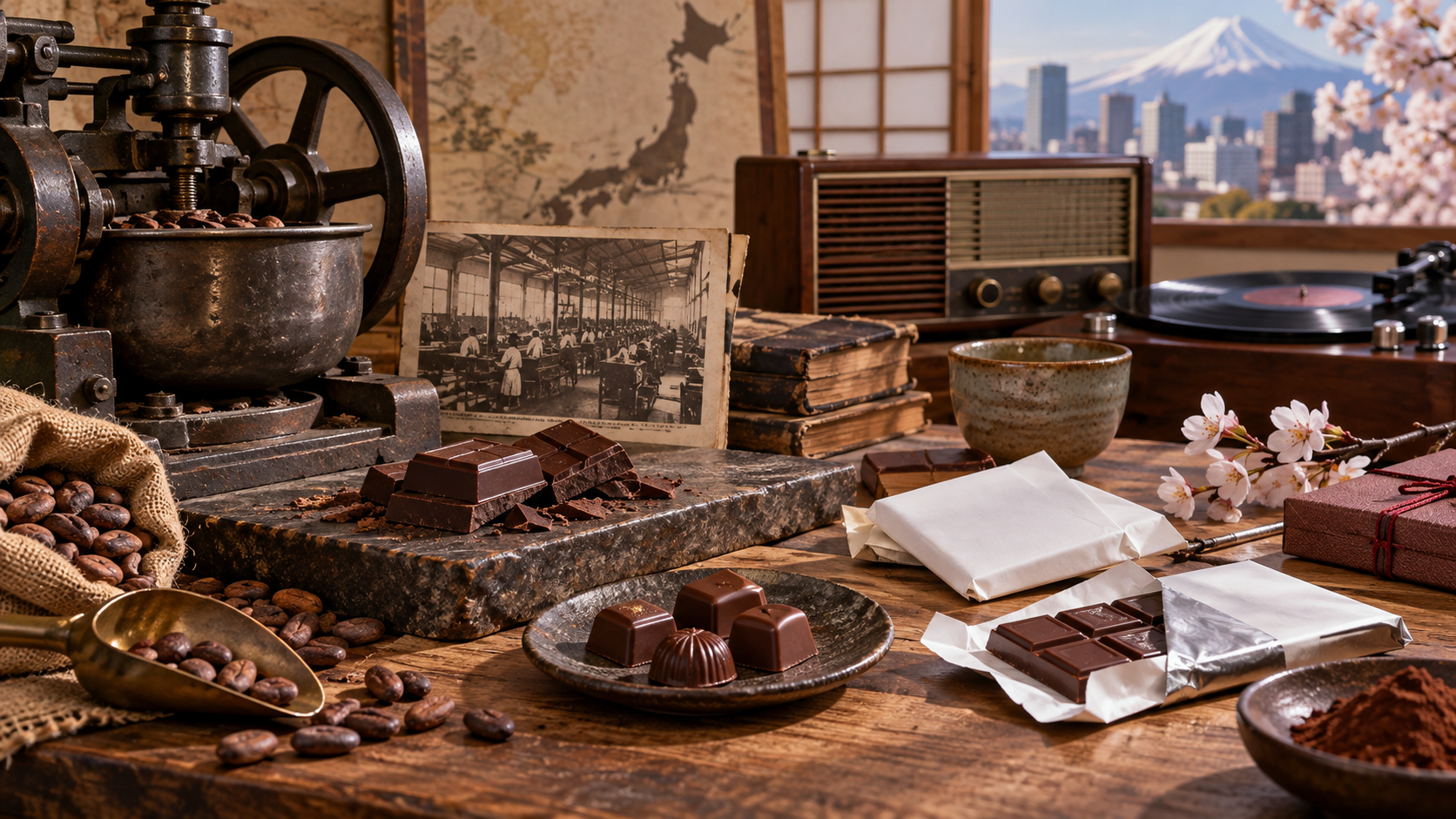
Younger consumers and workplaces increasingly question obligatory gift-giving. Describe Japanese chocolate culture as varied and evolving rather than one fixed national rule.
Frequently asked questions
Does natural mean stimulant-free?
No. Cocoa, coffee, tea and guarana can supply caffeine or related stimulants.
Can chocolate or cocoa treat a health condition?
No. Food may fit a balanced diet, but medical or mental-health concerns need qualified assessment.
Are cultural chocolate traditions the same everywhere?
No. Customs vary by community, period and commercial influence.
How can a historical claim be checked?
Look for a dated primary source, museum, archive or independent history rather than repeating a brand story.
Which label details matter most?
Check the ingredient list, allergens, serving size, caffeine, sugar, dates and storage information.
How should chocolate gifts be planned?
Match the recipient’s tastes and restrictions, protect the product from heat and keep claims modest.