
Cacao has genuine ceremonial histories
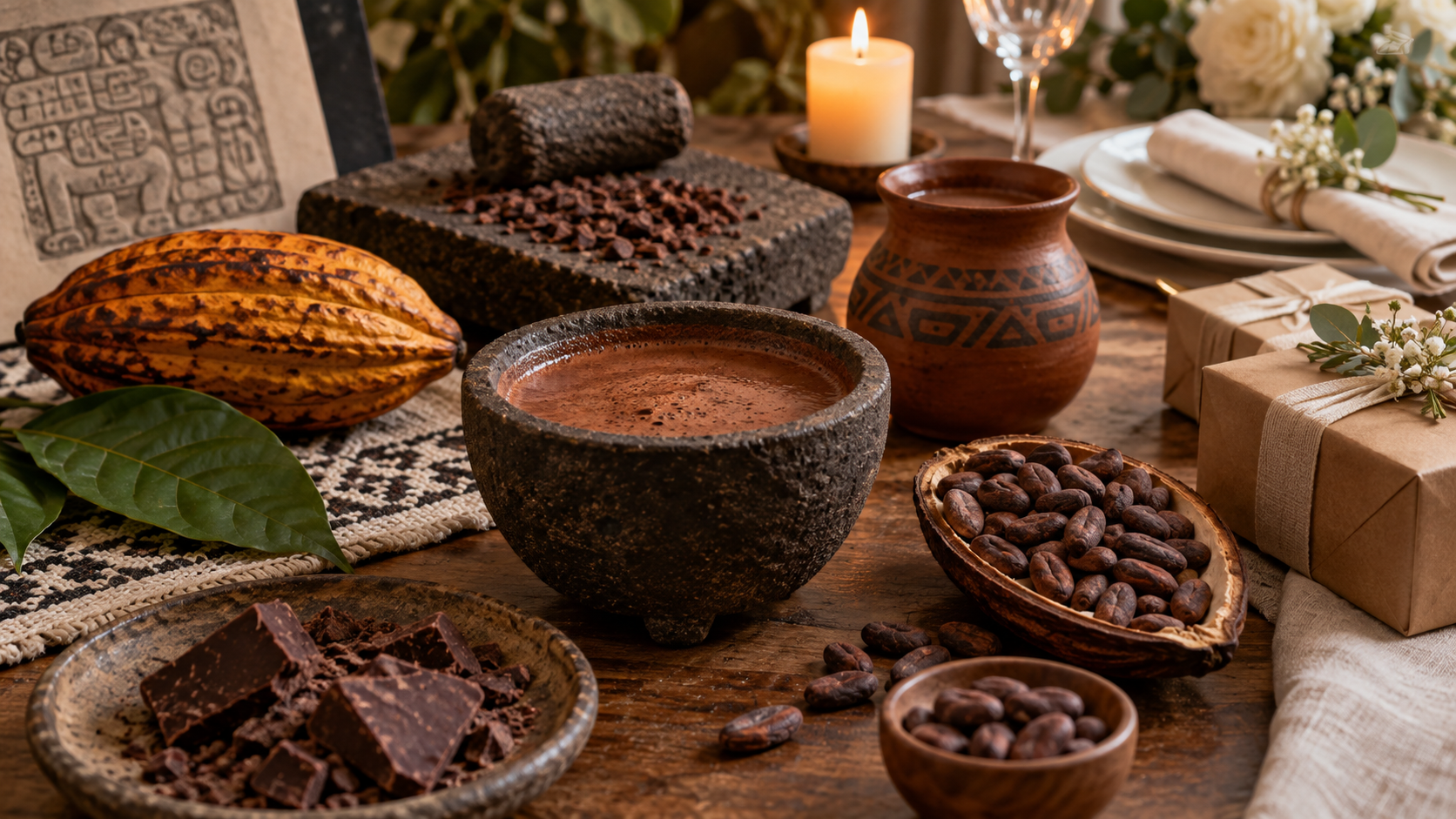
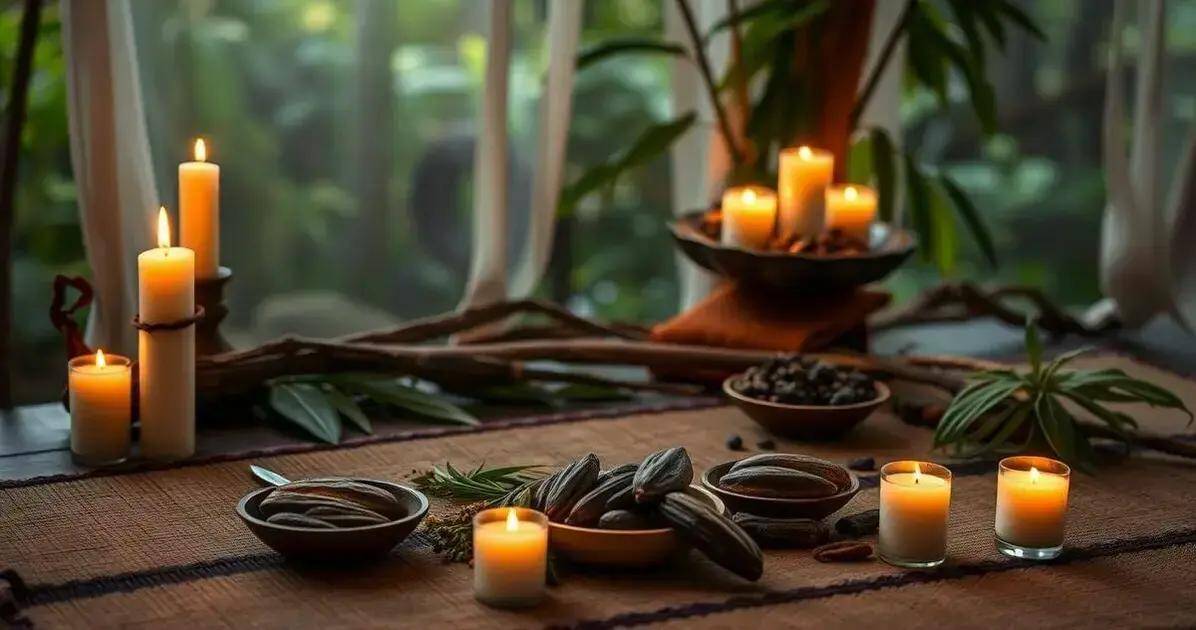
Mesoamerican communities used cacao in social, political and ceremonial settings. Practices varied and belong to specific cultures rather than a single generic ritual.
Modern ceremonies are not one ancient tradition
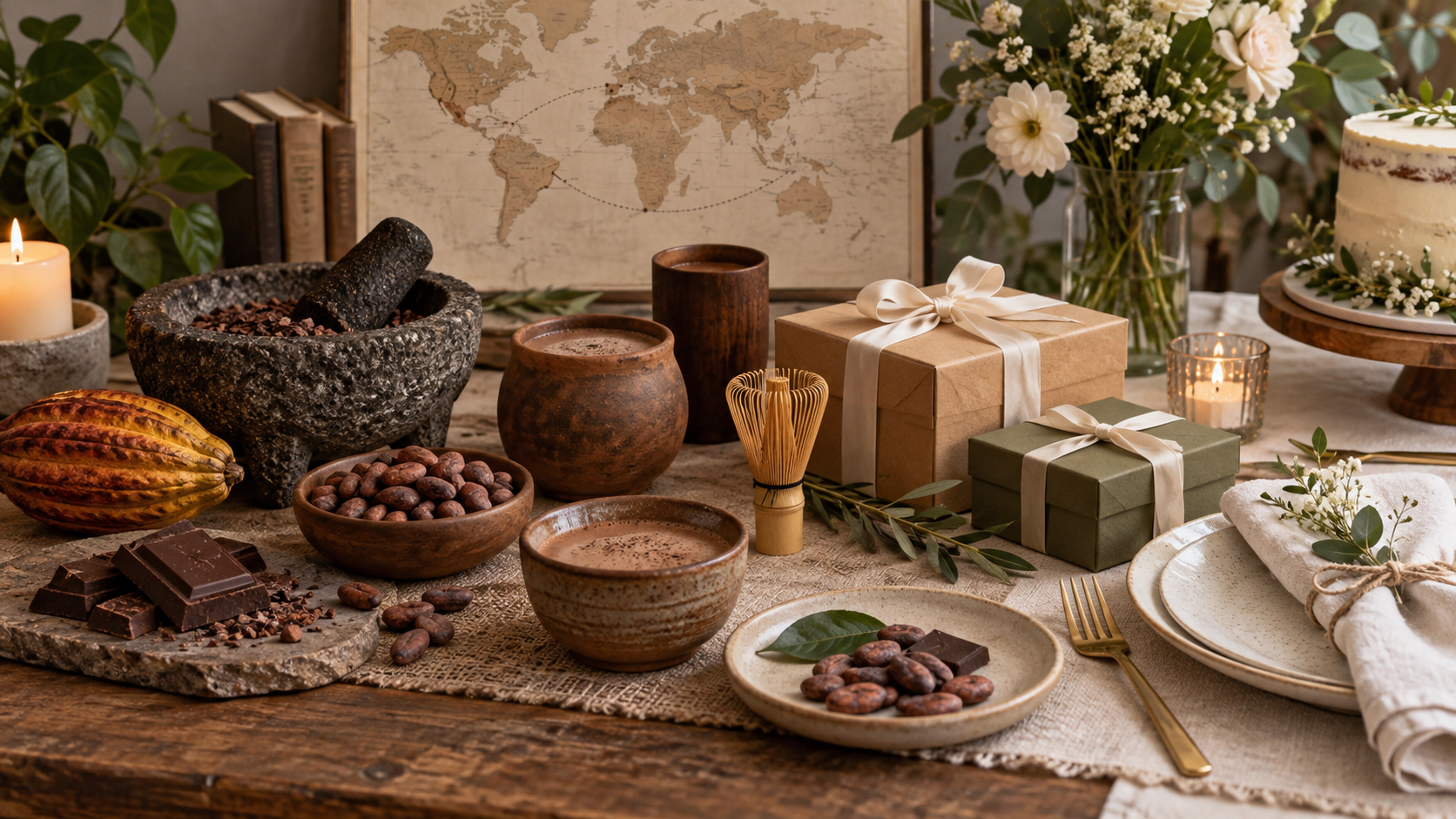
Many contemporary cacao ceremonies combine selected Indigenous references with meditation, music or modern spiritual practices. They should be described honestly as contemporary adaptations.
Facilitator claims need scrutiny
Promises of detoxification, trauma release or medical healing require evidence. A facilitator’s testimonial is not a substitute for qualified mental-health or medical care.
Cacao has physical effects
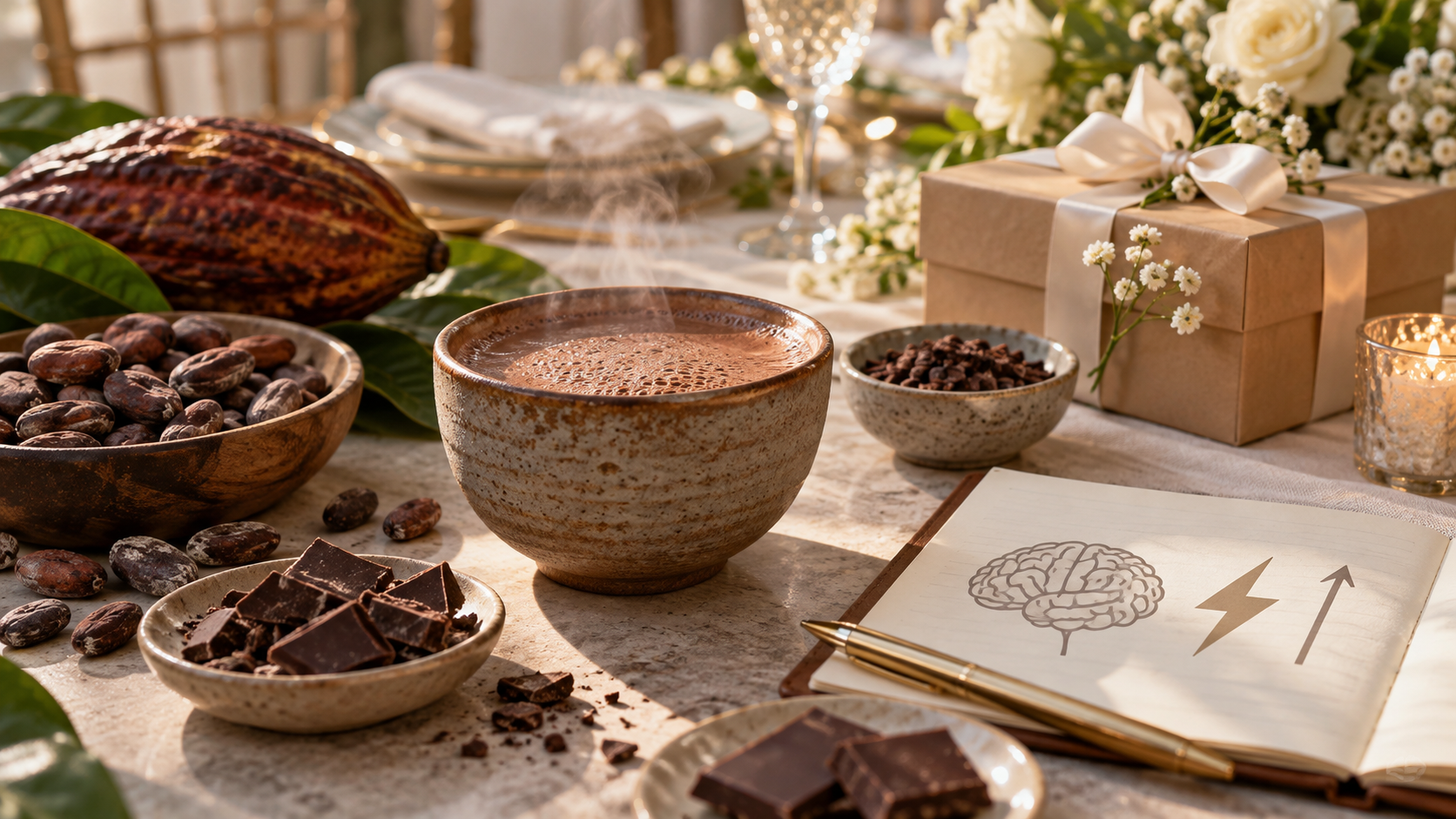
Cacao contains theobromine and some caffeine, while drinks may be concentrated. Portion, medication, pregnancy, heart conditions and stimulant sensitivity can affect suitability.
Consent and cultural respect matter
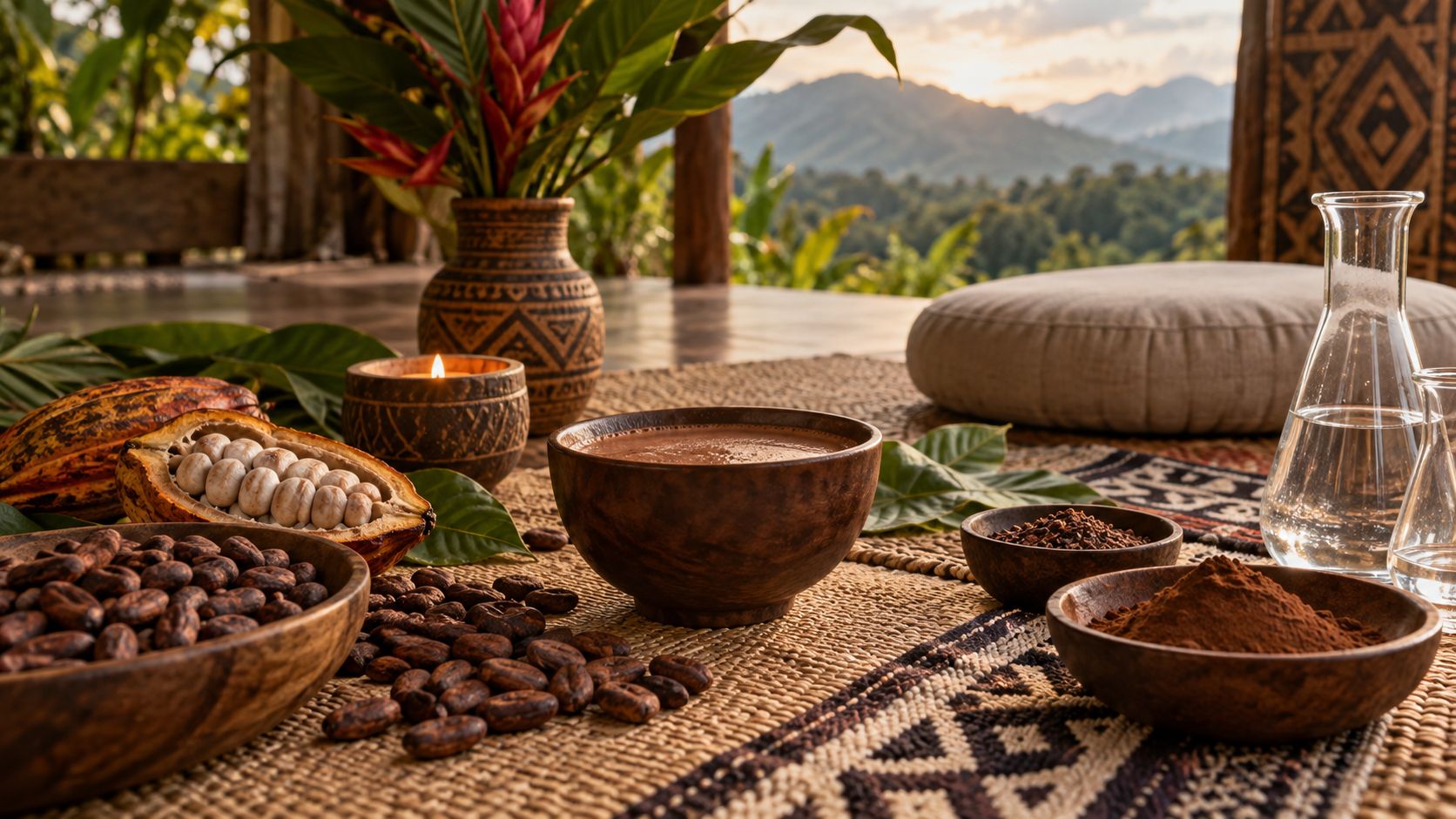
Participants need clear ingredients, realistic claims, freedom to decline and respectful handling of cultural sources. Payment or branding does not confer authority to represent an Indigenous tradition.
Frequently asked questions
Does natural mean stimulant-free?
No. Cocoa, coffee, tea and guarana can supply caffeine or related stimulants.
Can chocolate or cocoa treat a health condition?
No. Food may fit a balanced diet, but medical or mental-health concerns need qualified assessment.
Are cultural chocolate traditions the same everywhere?
No. Customs vary by community, period and commercial influence.
How can a historical claim be checked?
Look for a dated primary source, museum, archive or independent history rather than repeating a brand story.
Which label details matter most?
Check the ingredient list, allergens, serving size, caffeine, sugar, dates and storage information.
How should chocolate gifts be planned?
Match the recipient’s tastes and restrictions, protect the product from heat and keep claims modest.