
Why the name resembles a fungus
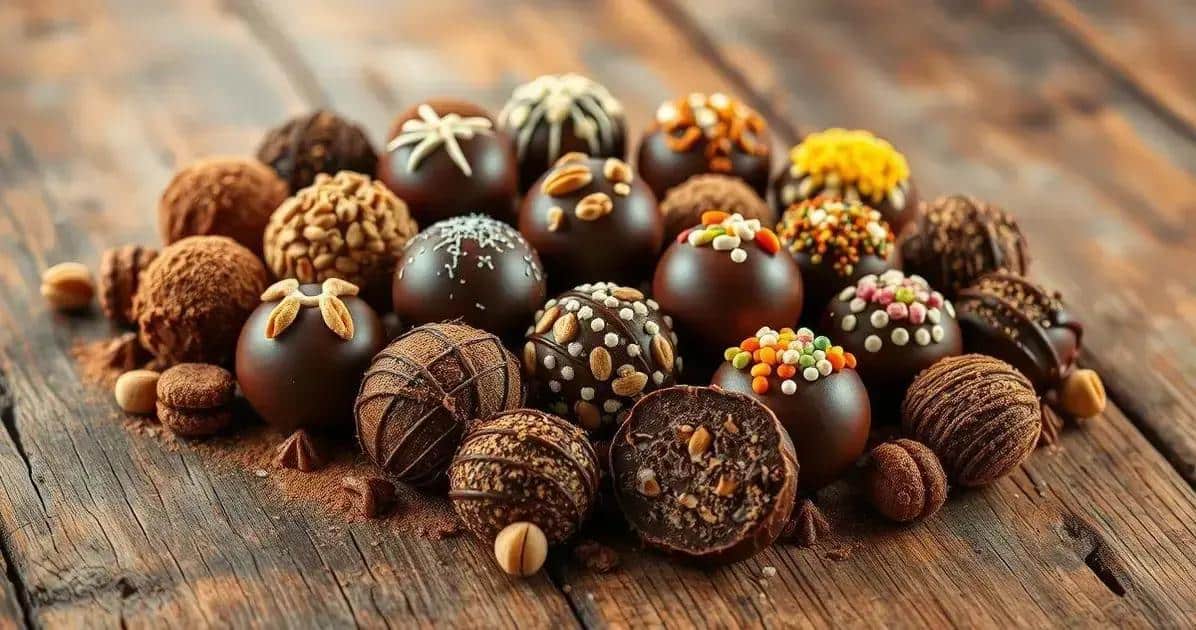
The confection takes its name from the irregular underground fungus because early cocoa-dusted pieces resembled it. The similarity is visual; ordinary chocolate truffles do not contain culinary truffle unless a recipe explicitly says so.
French confectionery traditions
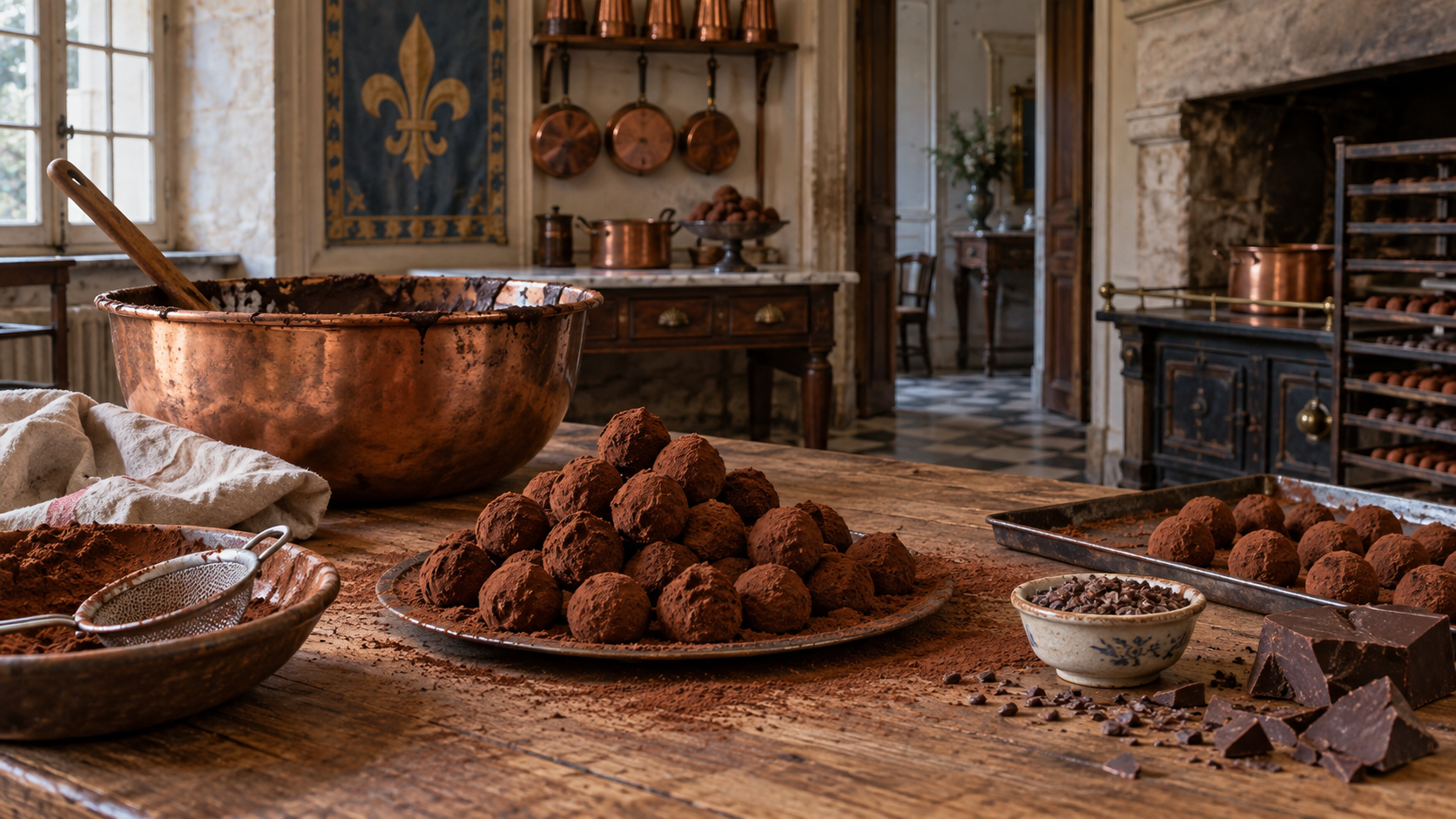
Chocolate truffles are closely associated with French confectionery in the late nineteenth and early twentieth centuries. Several makers and stories claim an accidental invention, but surviving accounts do not support one universally accepted moment.
The ganache centre
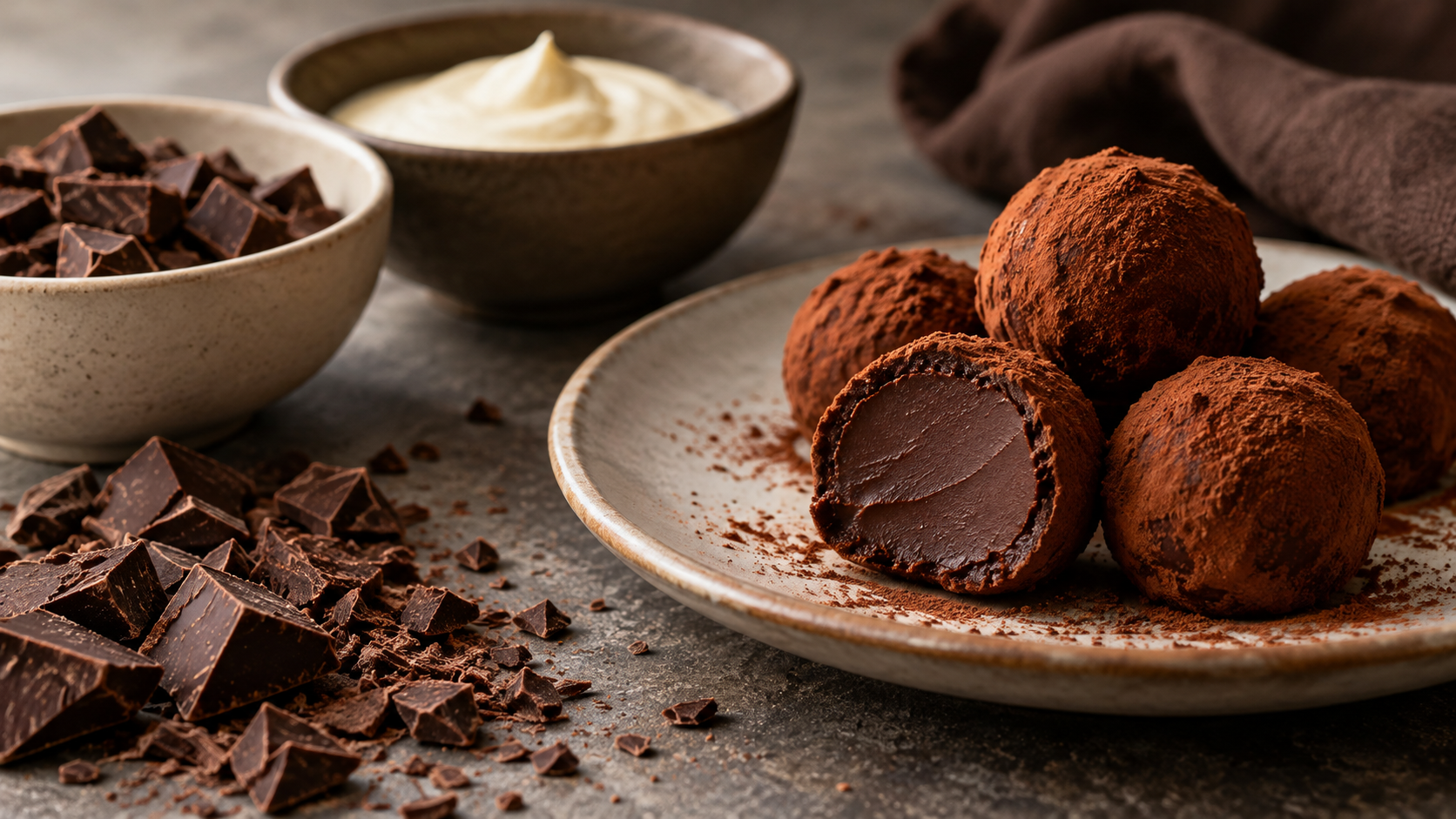
A classic centre is ganache: an emulsion of chocolate and cream, sometimes enriched or flavoured. Ratios change with chocolate type and intended texture. Fresh cream limits shelf life, so historical romance does not replace modern food-safety control.
Hand-rolled and moulded styles
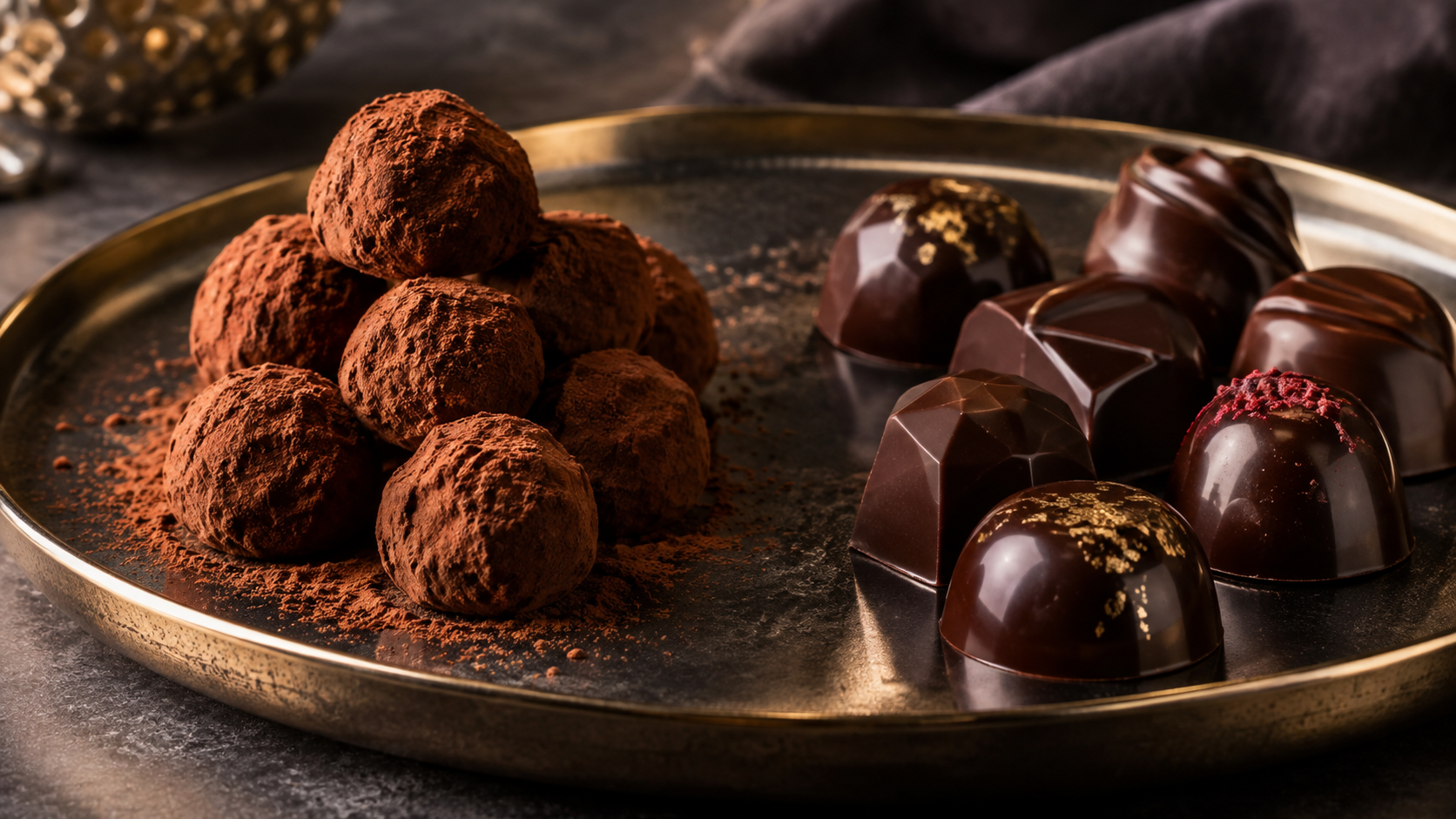
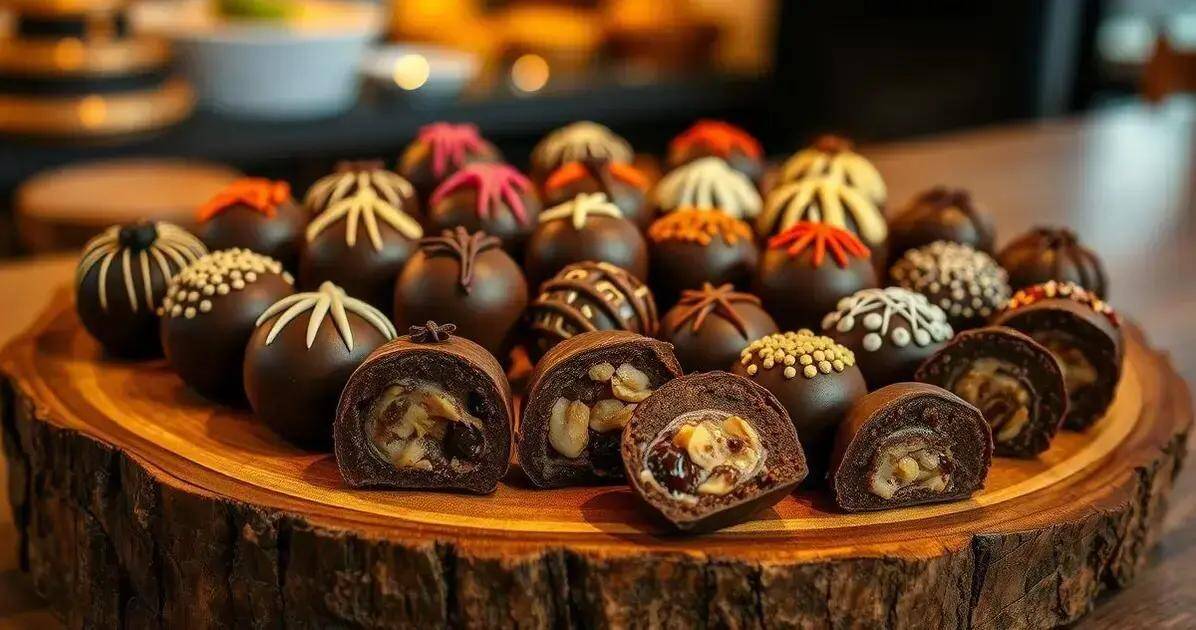
Hand-rolled truffles are portioned, shaped and coated in cocoa, nuts or chocolate. Moulded versions use a thin shell and piped centre. Both need clean tools, accurate tempering where relevant and clear allergen information.
From local sweet to luxury box
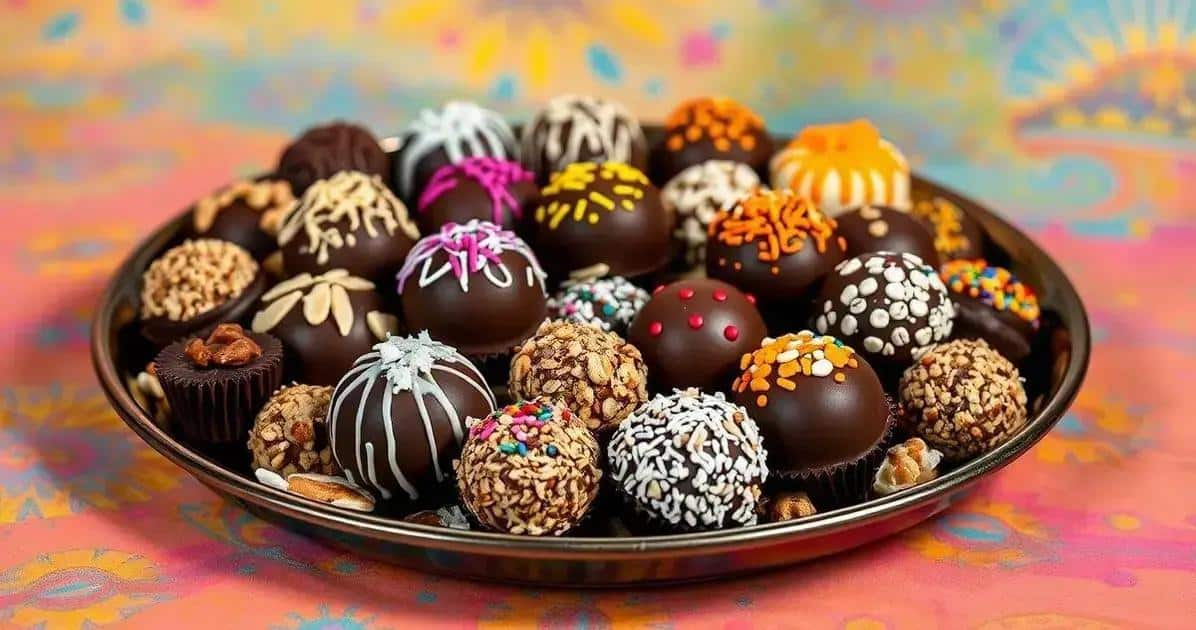
Improved chocolate manufacture, transport and gift packaging helped truffles become a premium product beyond France. Today the word covers many centres and coatings, from simple cocoa-dusted ganache to elaborate boxed bonbons.
How to read origin legends
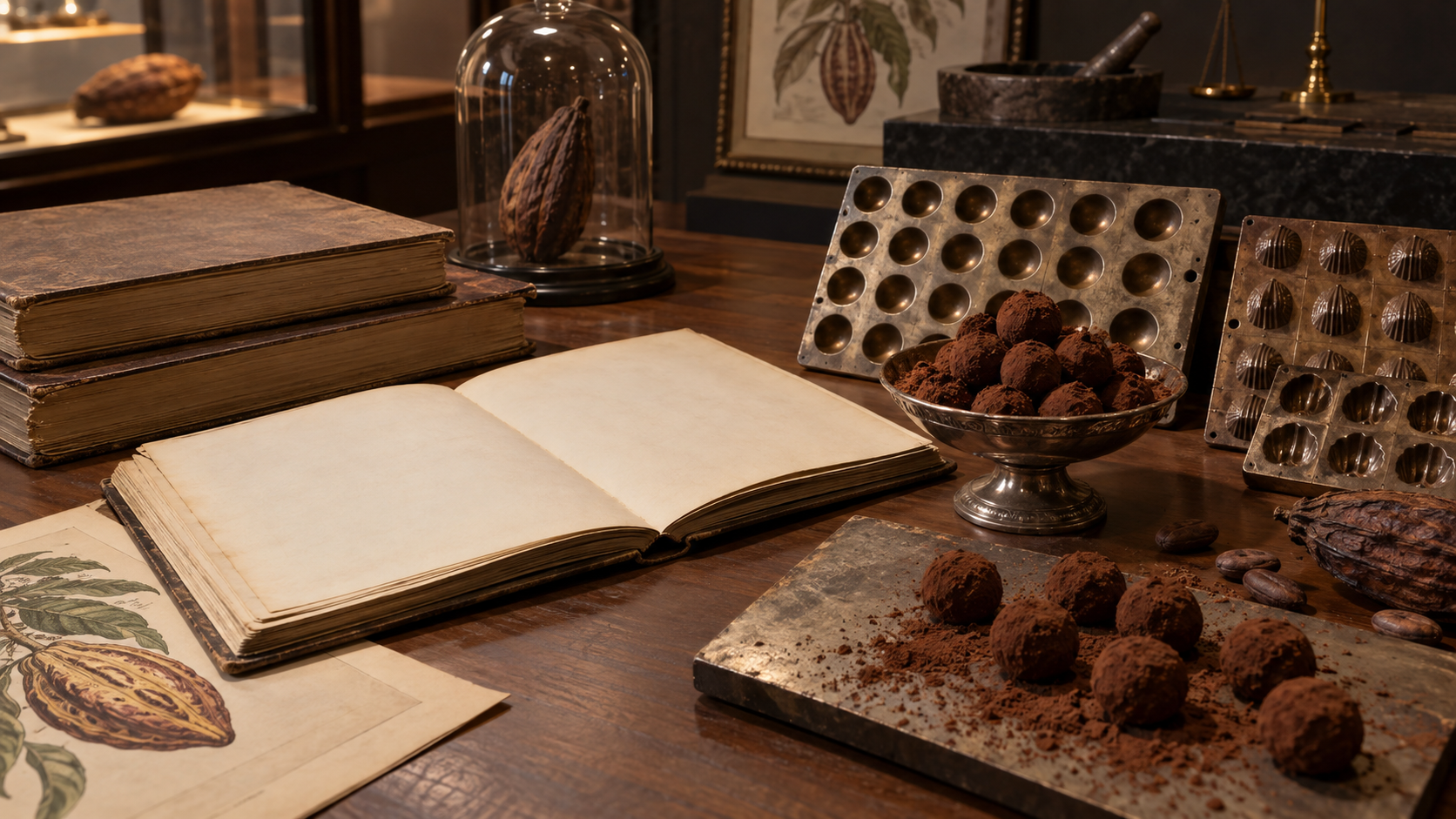
Company legends are useful leads rather than final proof. Compare dated cookery books, trade records, catalogues and museum evidence. Credit a tradition or commercial success without asserting a precise inventor when the sources conflict.
Frequently asked questions
Why was the source rewritten rather than translated literally?
It needed factual, recipe or safety correction, so the useful topic was rebuilt directly in British English.
Can alcohol be assumed to cook away?
No. Label it clearly and keep the product for an appropriate adult audience.
Are vegan products automatically allergen-free?
No. Check every ingredient and cross-contact statement for soya, nuts, gluten and other allergens.
Can the stated storage time be guaranteed?
No. Ingredients and handling vary; use a validated shelf life for the actual recipe and process.
May decorative or workshop materials touch food?
Only materials intended for food contact should touch edible products.
How should historical firsts be described?
Use primary records where possible and state uncertainty rather than inventing a precise first.