
Romance preceded the chocolate box
Written valentines and courtship customs existed before modern confectionery. Chocolate joined an established festival rather than creating it.
Luxury made chocolate attractive
Because chocolate was once expensive, it could communicate attention, status and indulgence. Its sensory qualities also suited romantic marketing.
Decorative boxes changed gifting
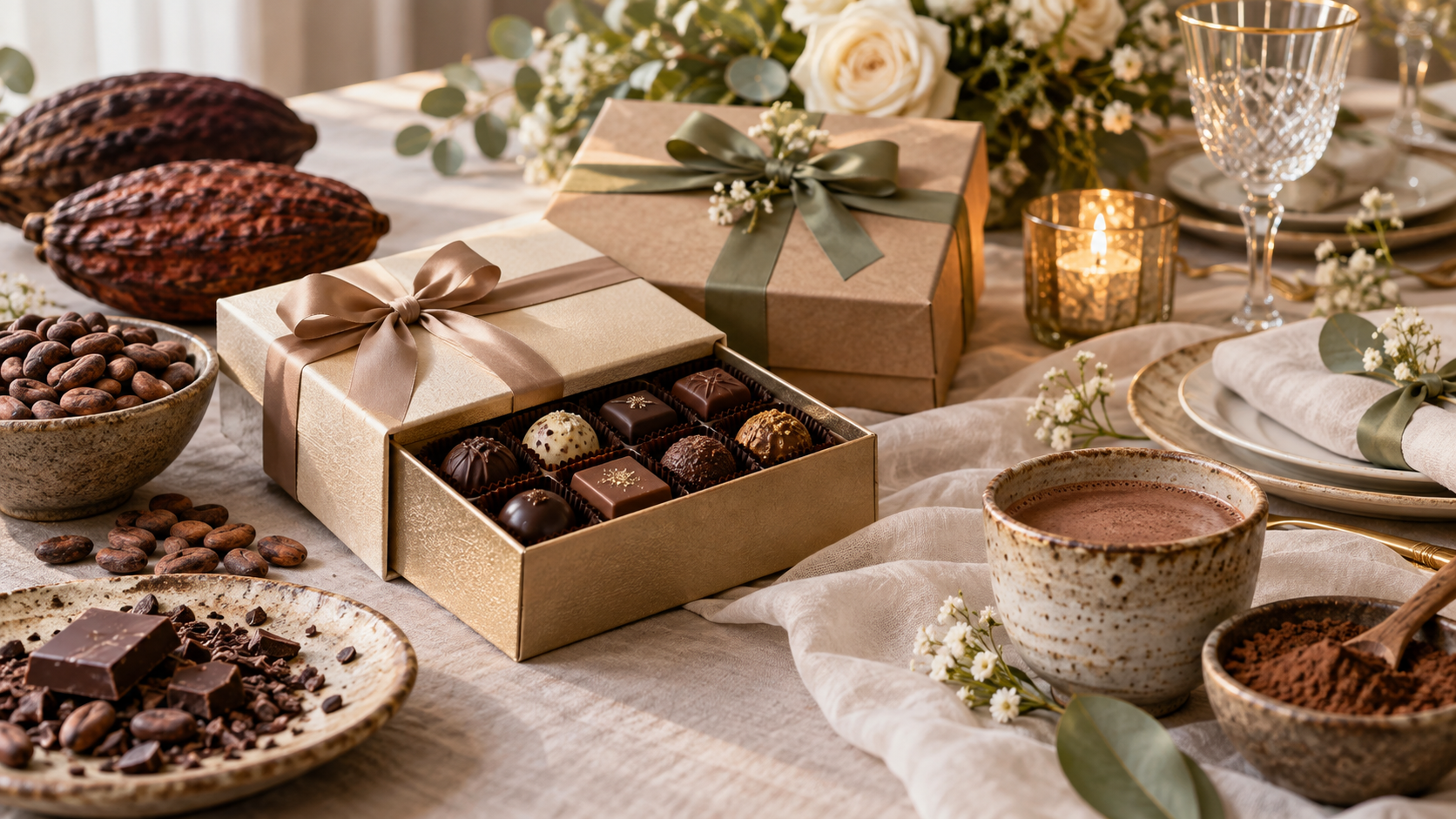
Nineteenth-century manufacturers sold decorated boxes that could be kept after the sweets were eaten. Heart shapes later made the message even more explicit.
Advertising normalised the pairing
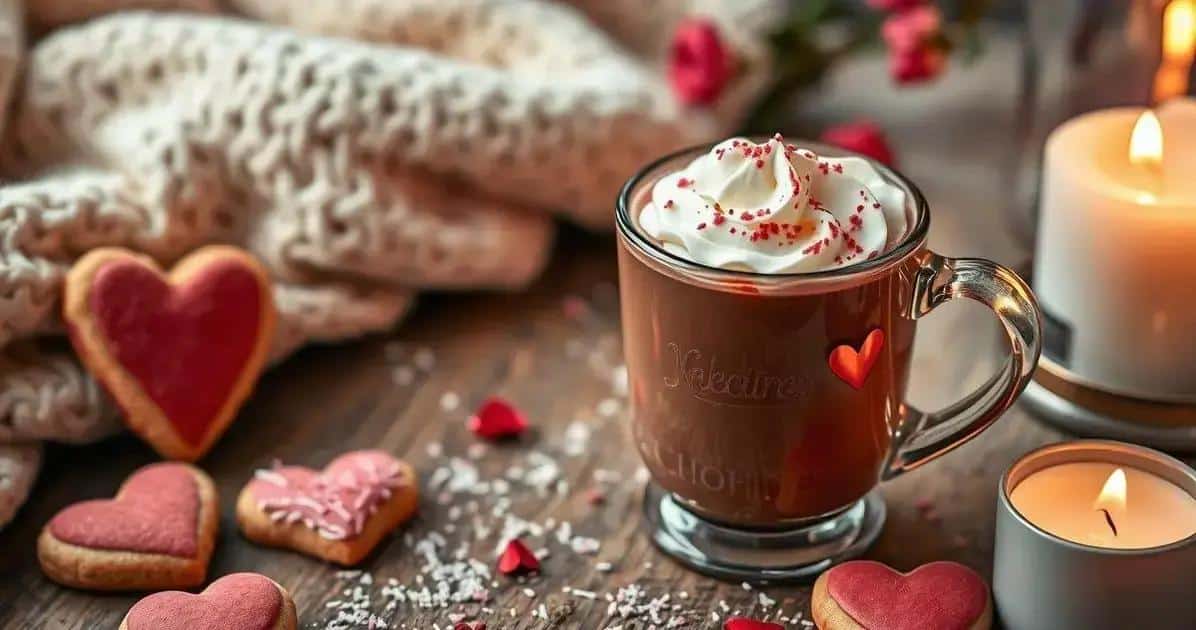
Repeated seasonal campaigns taught shoppers to see chocolate as the expected gift. Commercial success strengthened a tradition that now feels older than some of its forms.
Customs differ internationally
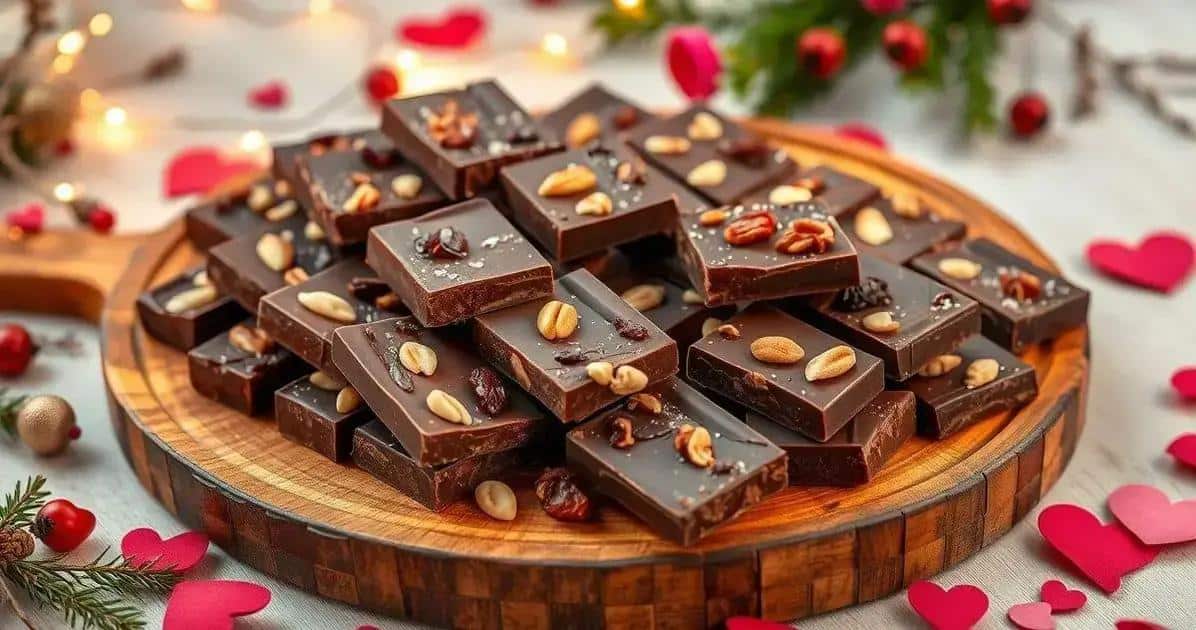
Some countries emphasise reciprocal gifts, friendship chocolate or different romantic dates. Not every couple celebrates Valentine’s Day.
Allergens and preferences still matter
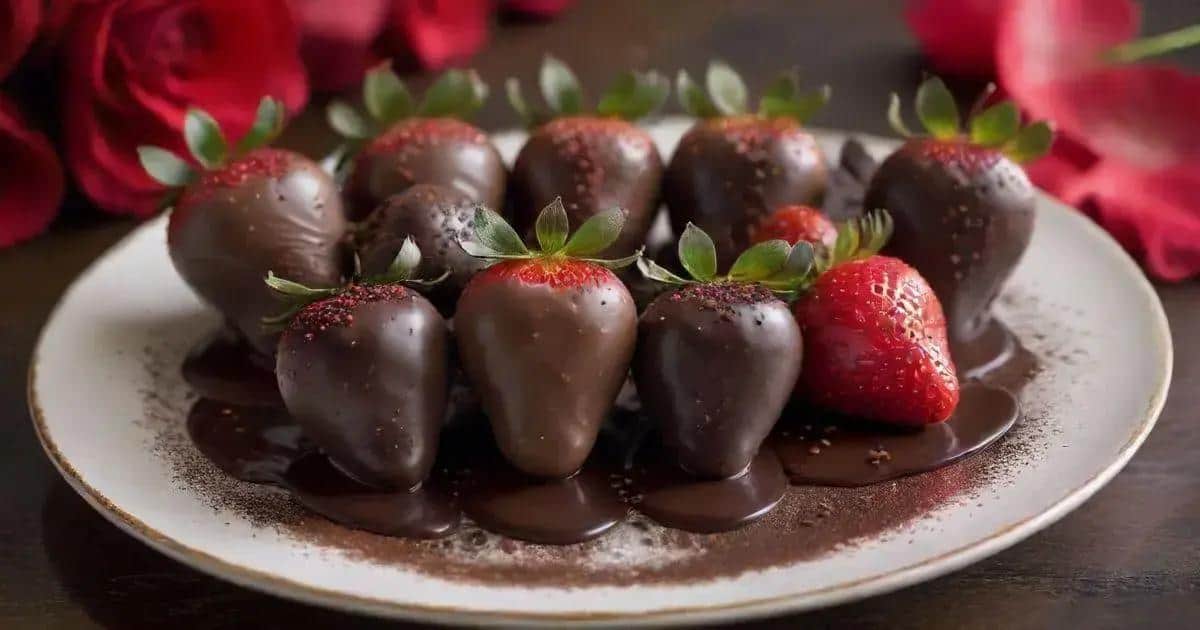
Choose products by the recipient’s taste and check milk, nuts, soya, gluten, alcohol and other relevant ingredients. A surprise should still be safe.
Meaning comes from the relationship
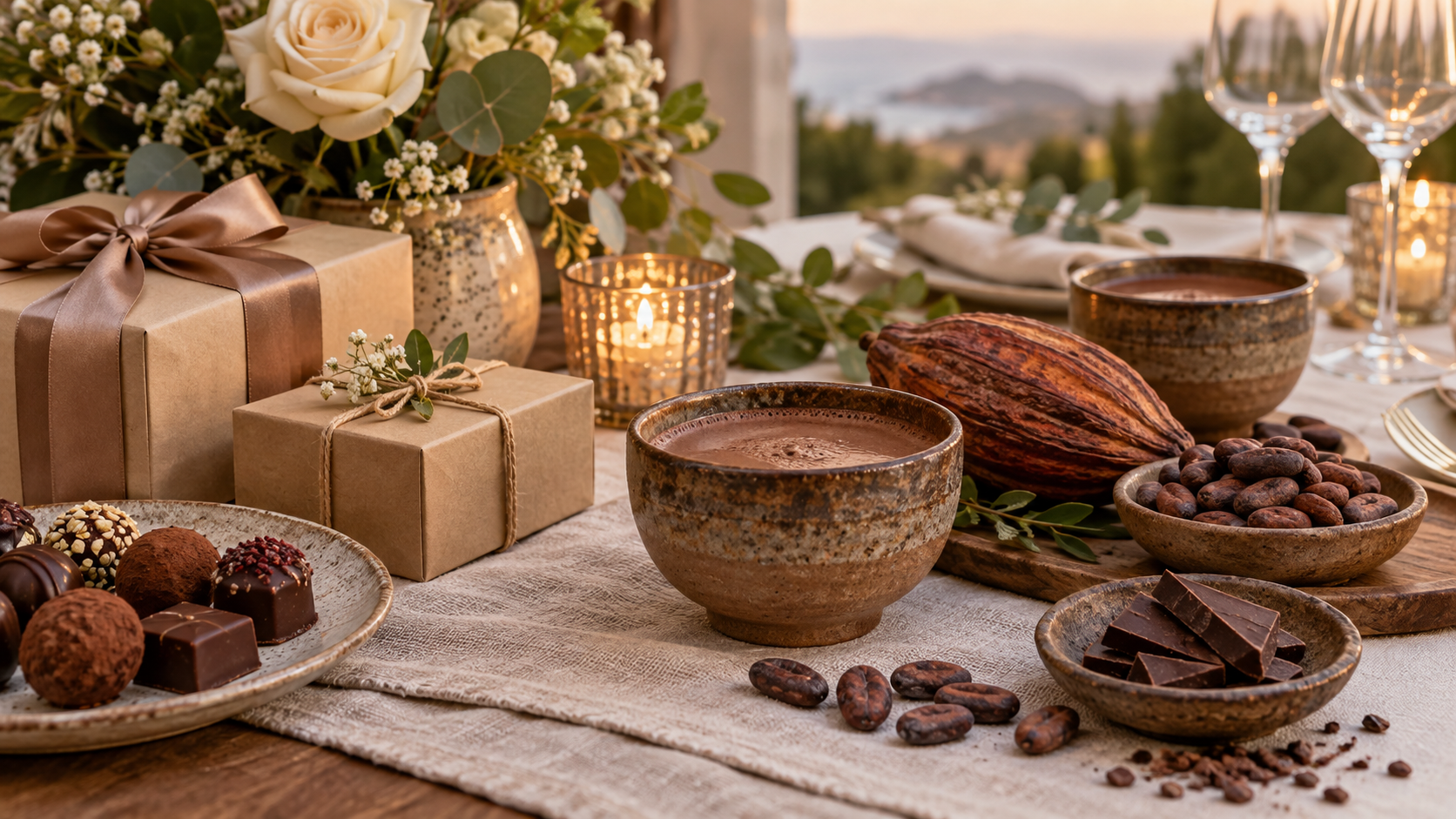
A modest favourite can be more thoughtful than an elaborate generic box. Chocolate cannot prove affection or repair a relationship by itself.
Frequently asked questions
Does natural mean stimulant-free?
No. Cocoa, coffee, tea and guarana can supply caffeine or related stimulants.
Can chocolate or cocoa treat a health condition?
No. Food may fit a balanced diet, but medical or mental-health concerns need qualified assessment.
Are cultural chocolate traditions the same everywhere?
No. Customs vary by community, period and commercial influence.
How can a historical claim be checked?
Look for a dated primary source, museum, archive or independent history rather than repeating a brand story.
Which label details matter most?
Check the ingredient list, allergens, serving size, caffeine, sugar, dates and storage information.
How should chocolate gifts be planned?
Match the recipient’s tastes and restrictions, protect the product from heat and keep claims modest.