
Know what “praline” can mean
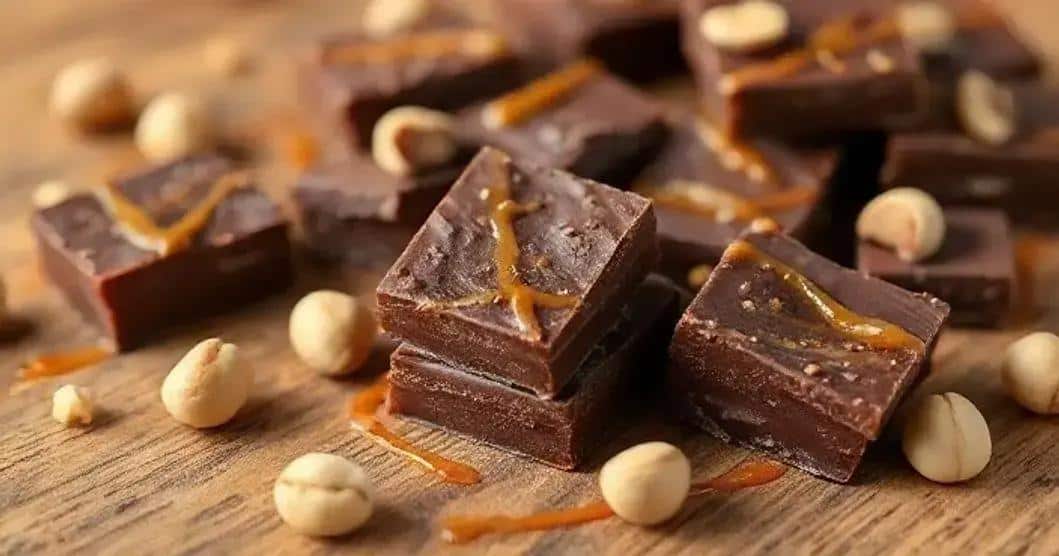
In French confectionery, pralin commonly refers to caramelised nuts ground as crumbs or paste, while a chocolate praline can mean a filled chocolate. In other countries the same word may describe different nut sweets.
Treat origin stories with care
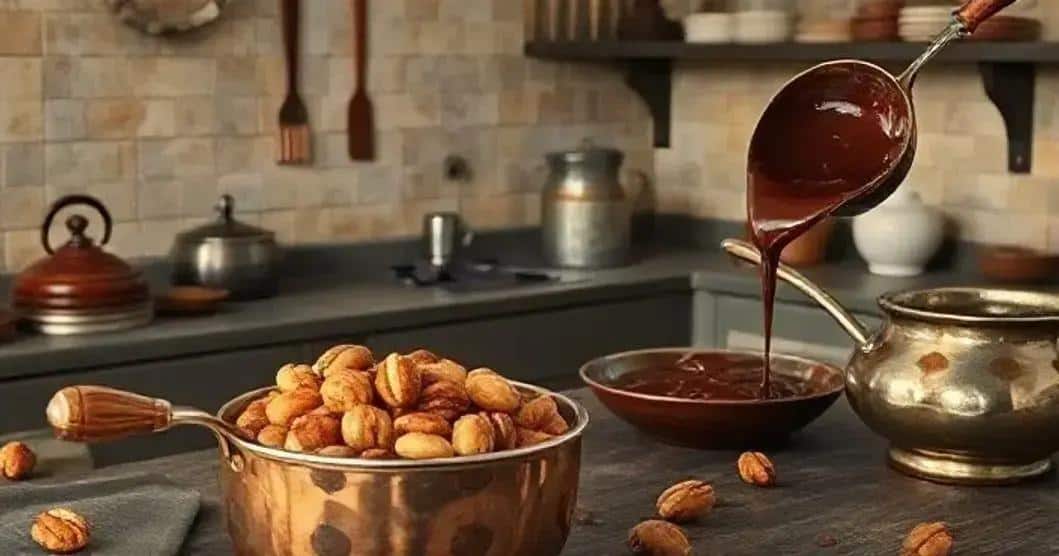
Popular stories link praline to seventeenth-century France, but names, spellings and recipes changed over time. Present a named historical source when giving a specific inventor or date.
Prepare nuts and caramel safely
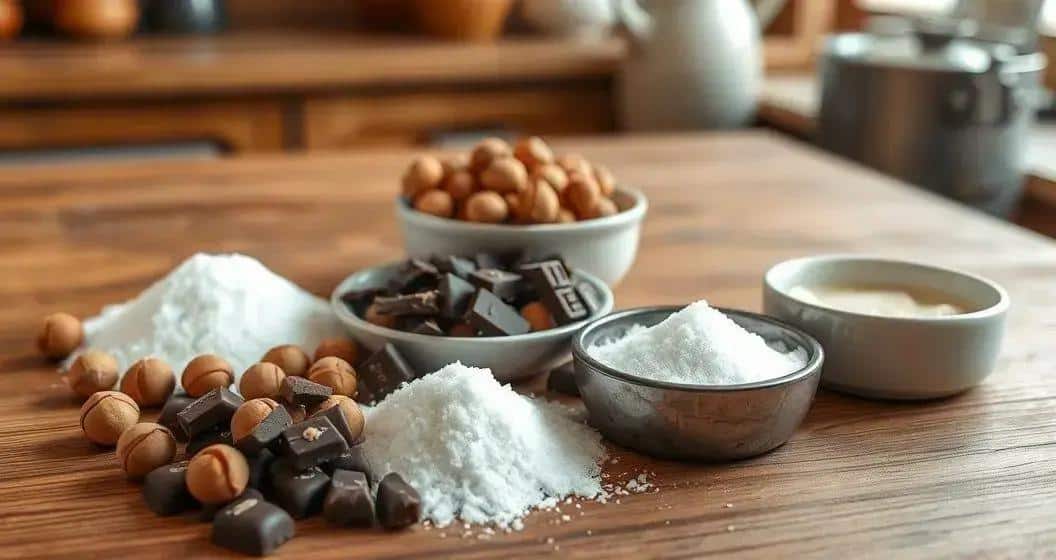
Toast 200 g hazelnuts or almonds. Cook 150 g sugar to an amber caramel, pour it carefully over the nuts on a heatproof mat and leave it untouched until completely cold. Hot caramel causes severe burns.
Grind to the texture you need
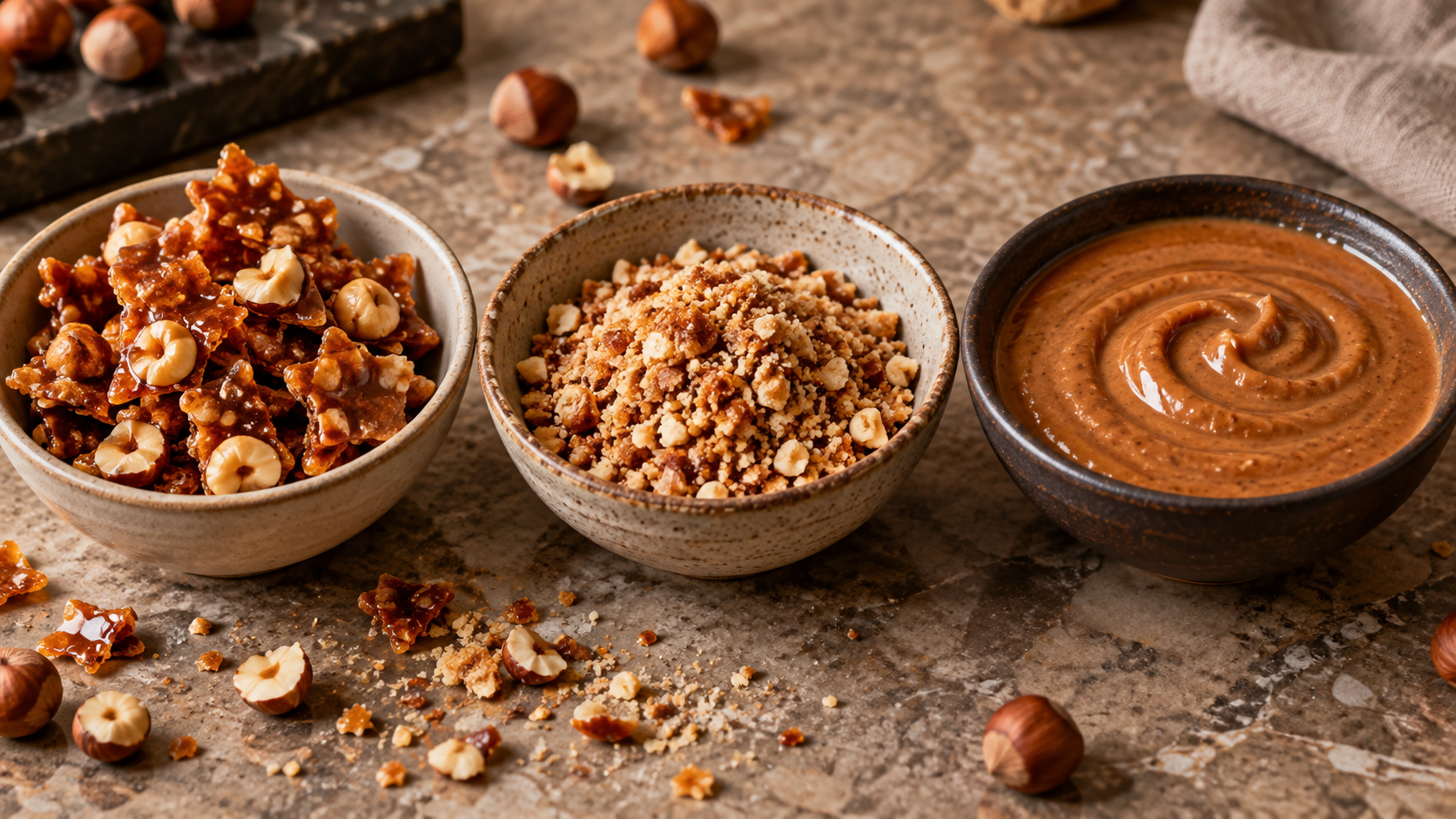
Break the brittle into pieces and process it in a suitable machine. It will pass from crumbs to a thick paste as nut oil is released; pause to prevent overheating and never add water to loosen it.
Turn praline paste into a filling
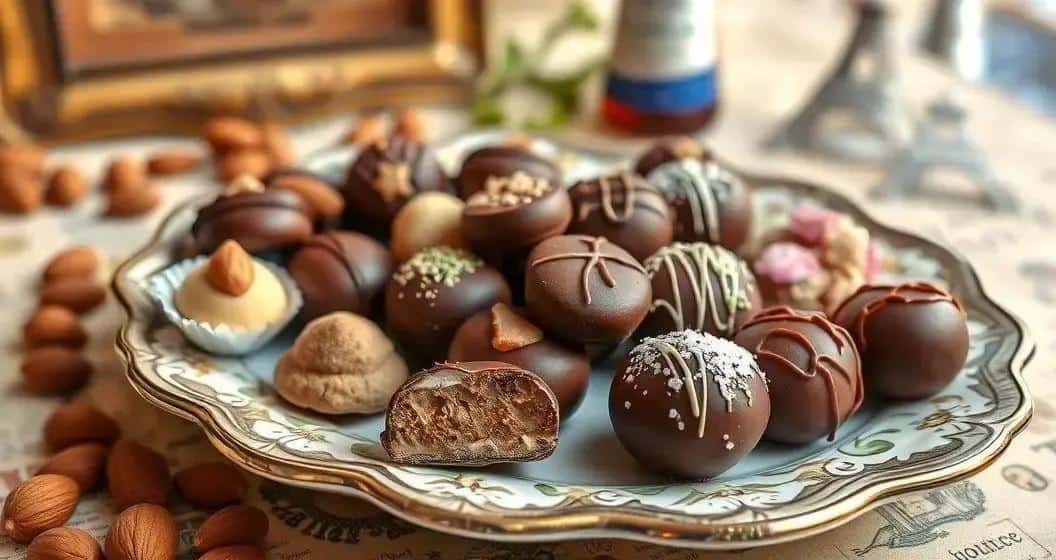
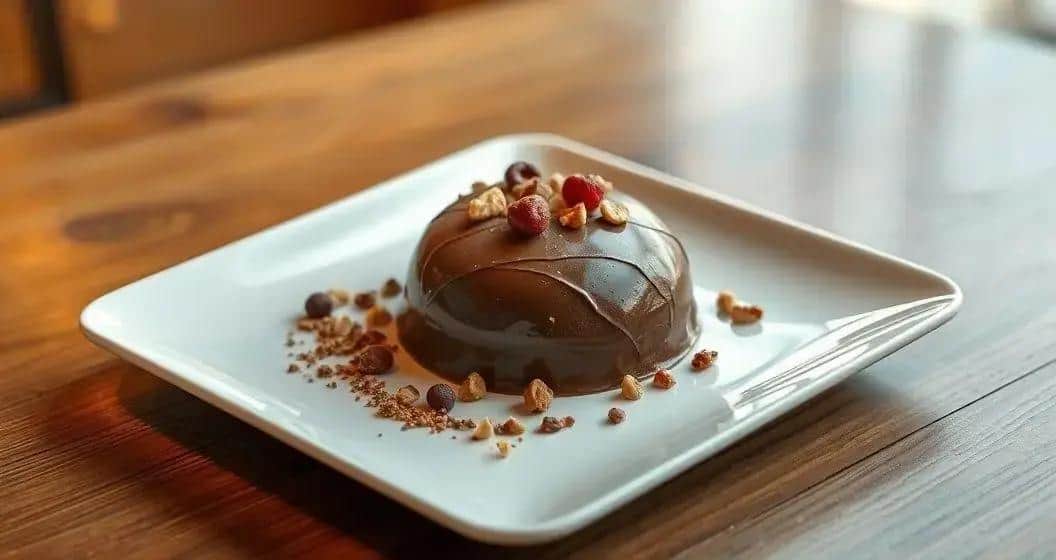
For a chocolate filling, blend praline paste with tempered chocolate or a tested ganache formula. The ratio controls firmness, water activity and shelf life, so use a validated recipe for products sold or gifted.
Store and label the result
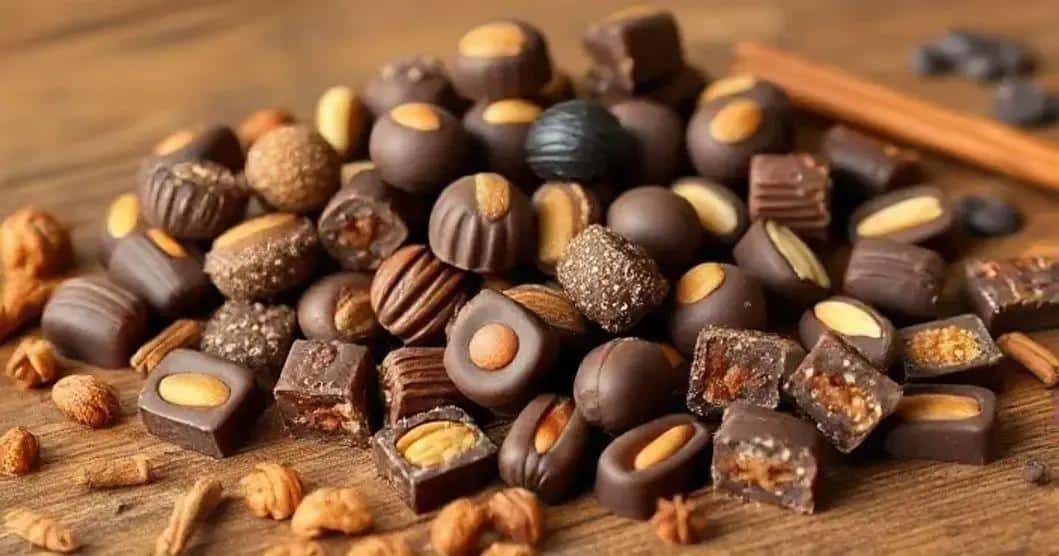
Keep the paste airtight, cool and away from light. Declare the exact nuts, milk or soya in chocolate and cross-contact; rancid odour or flavour means it should be discarded.
Frequently asked questions
Why was the source rewritten?
Unsupported, oversimplified or potentially unsafe statements were replaced with cautious, useful guidance while preserving the original subject.
How should dates and “first” claims be checked?
Use a named primary source, catalogue record, patent, archive or official competition record that readers can verify.
Can a label or award guarantee ethics or quality?
No. It can be useful evidence within a defined scope, but its rules, date, auditing and limitations still matter.
How should allergens be handled?
Check every current pack, prevent cross-contact and provide accurate ingredient information before food is served or gifted.
Can storage advice be copied from another product?
No. Ingredients, process, packaging, temperature and hygiene determine the safe and acceptable storage period.
What should be recorded during planning?
Record sources, exact products, quantities, dates, temperatures, supplier guidance and any adaptation or assumption.