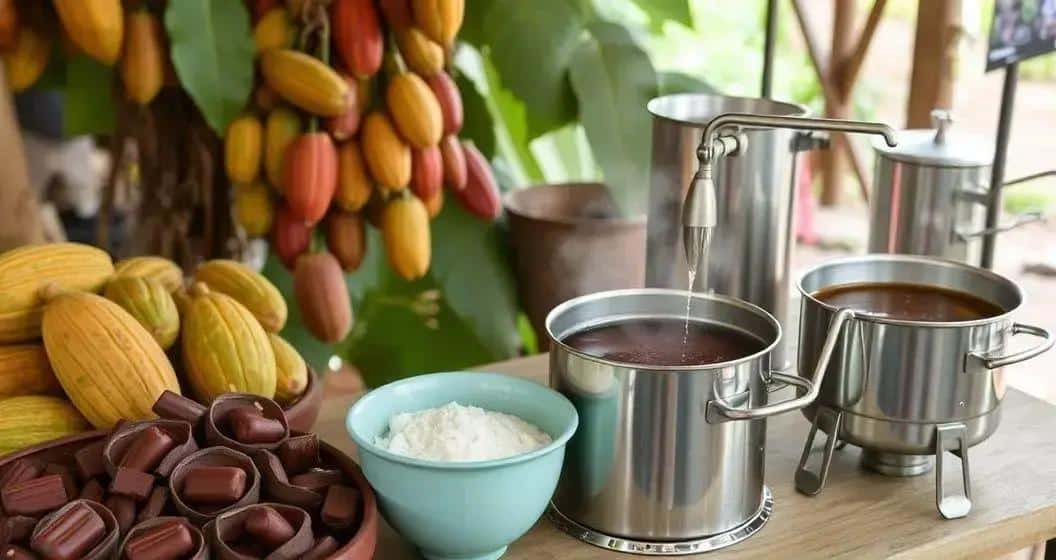

Understand the industrial process
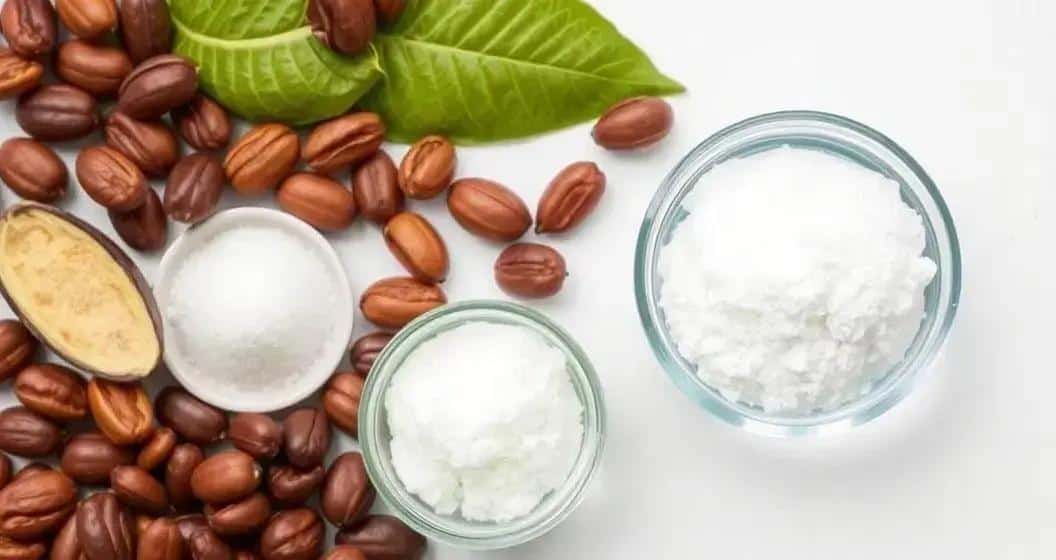
Dutch processing treats cocoa material with a controlled food-grade alkaline solution during manufacturing. Conditions vary by producer and affect pH, flavour, colour and dispersibility.
Do not alkalise cocoa at home
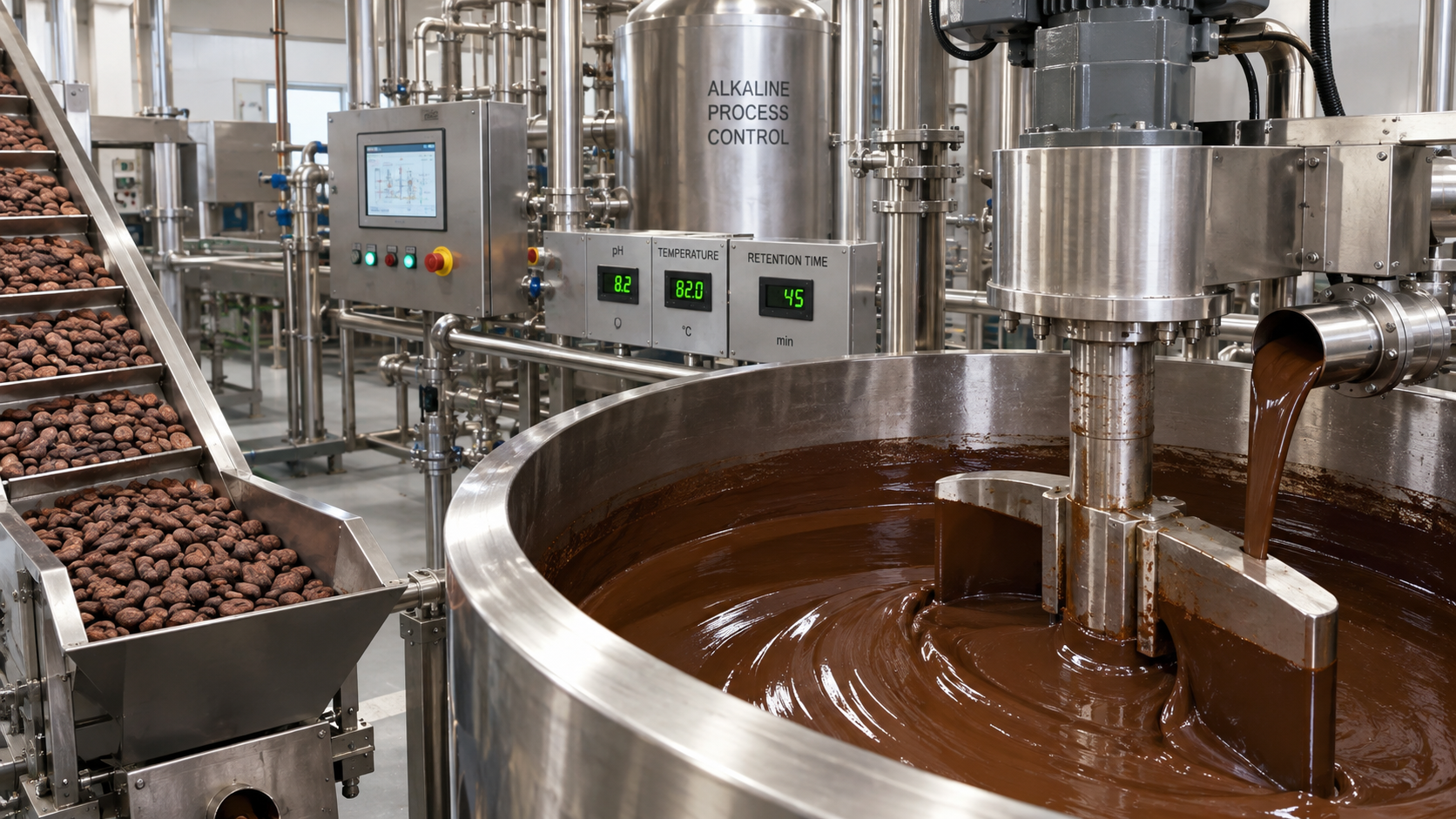
Do not attempt industrial alkalisation with potassium or sodium carbonate in a home kitchen. Concentration, temperature, exposure and neutralisation require controlled processing and testing.
Expect changes in colour and flavour
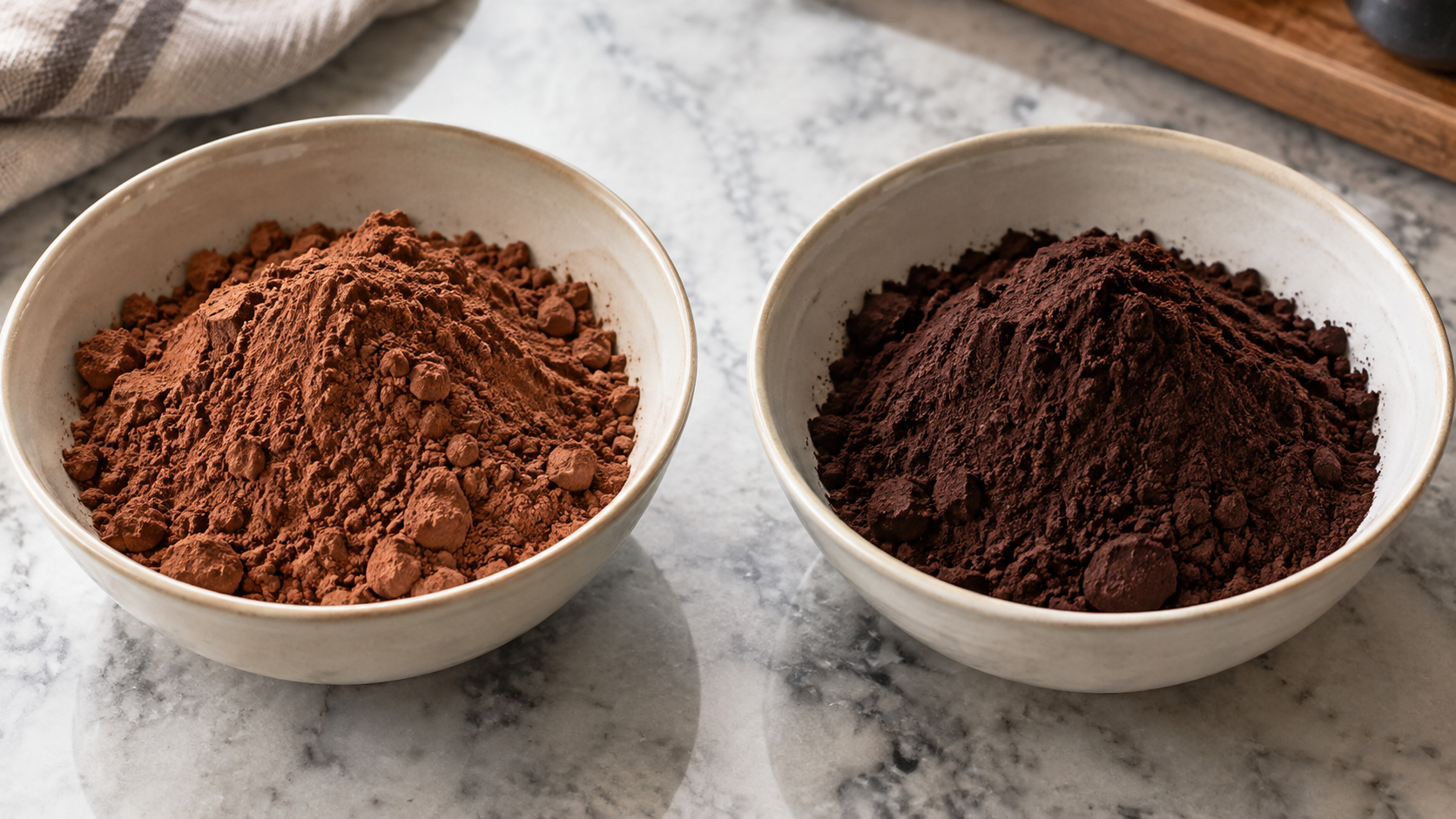
Alkalised cocoa is often darker and less sharply acidic, but it is not automatically better, sweeter or more nutritious. Results differ by origin and processing level.
Match cocoa to the raising agent
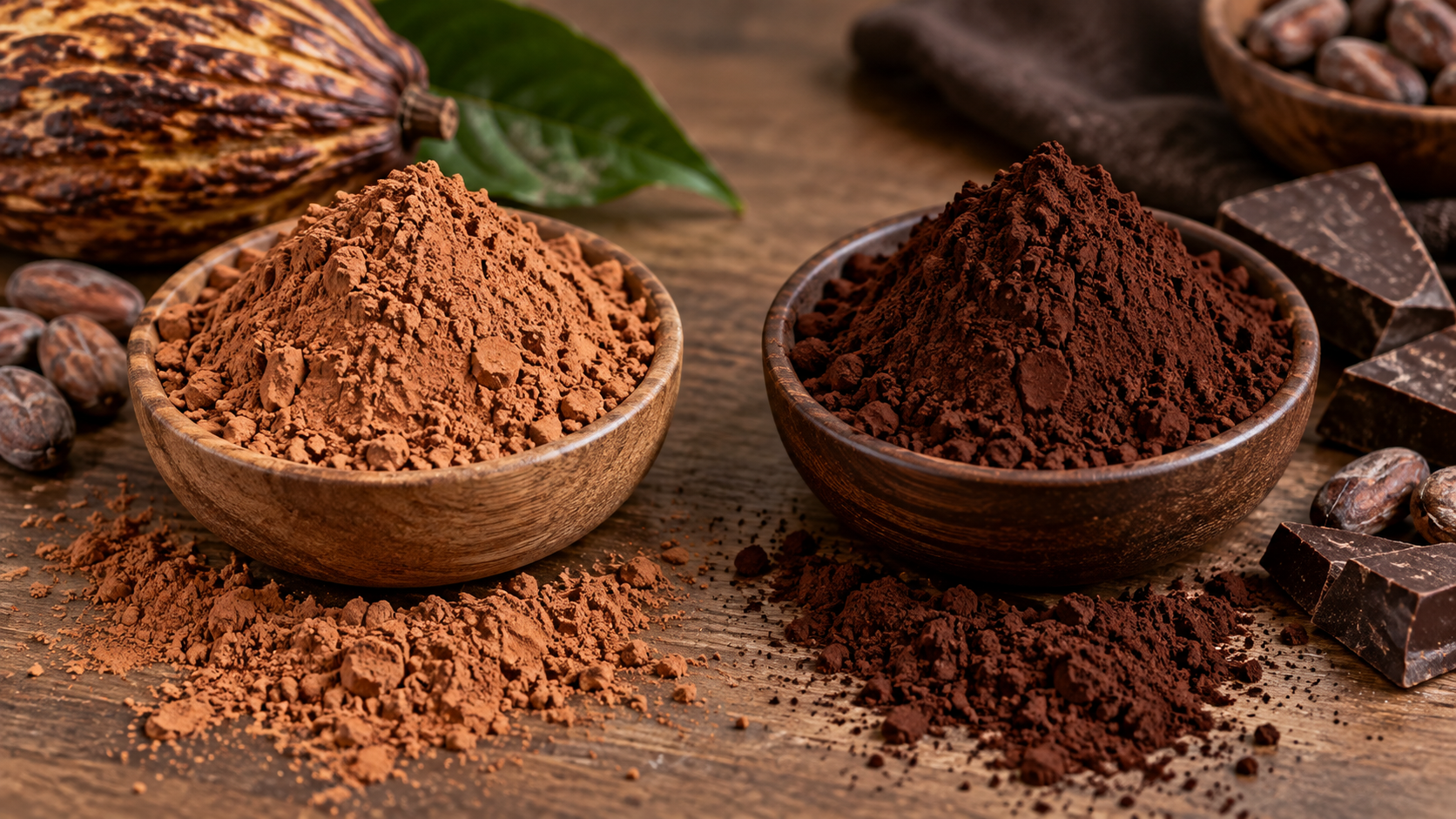
Natural cocoa can react with bicarbonate of soda, while Dutch-processed cocoa may need baking powder or another acid source. Follow a tested recipe rather than swapping blindly.
Compare products by label
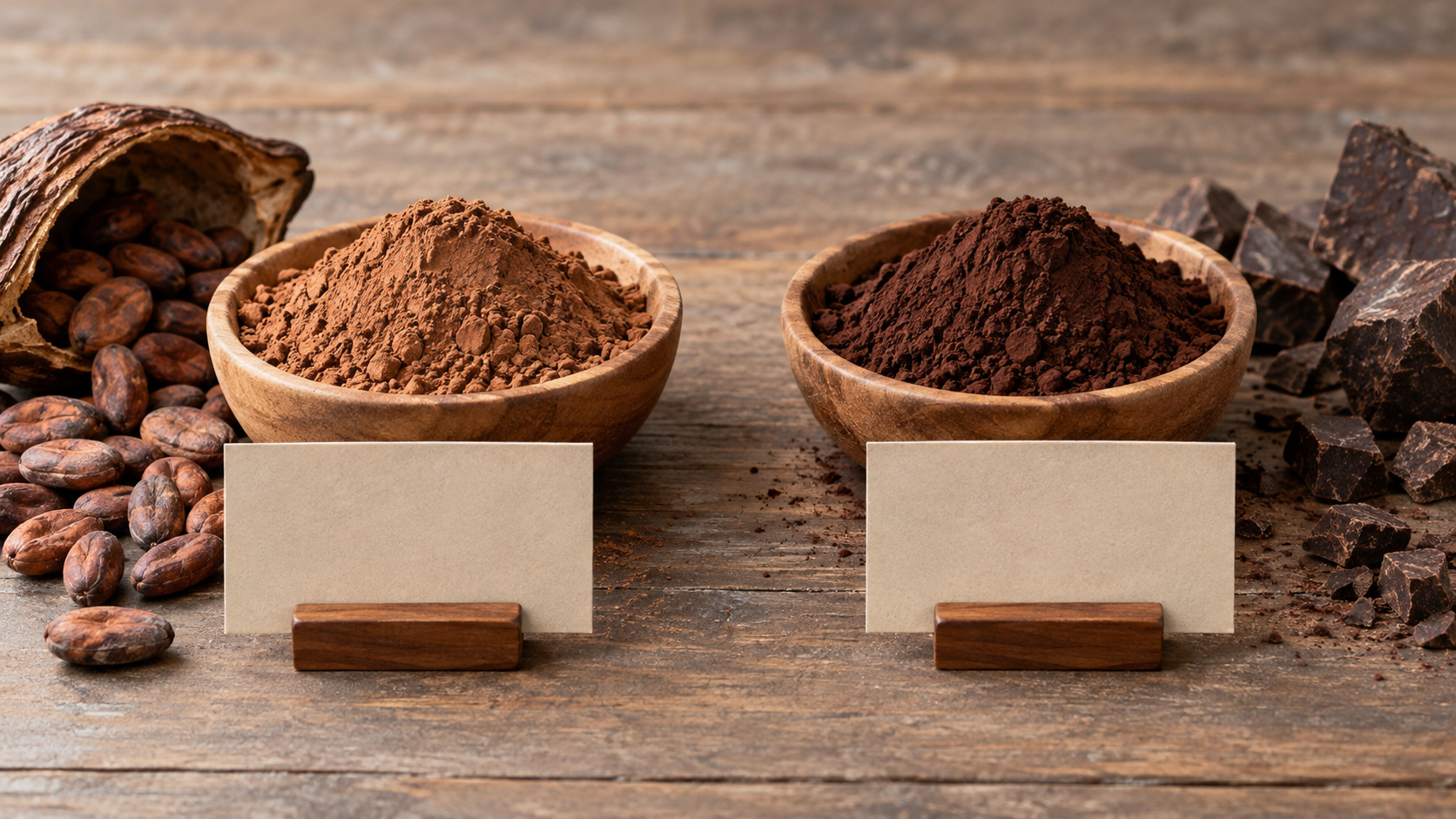
The words natural, alkalised and Dutch-processed describe processing, not a fixed cocoa percentage. Check ingredients, allergen statements and recipe performance.
Store cocoa dry and sealed
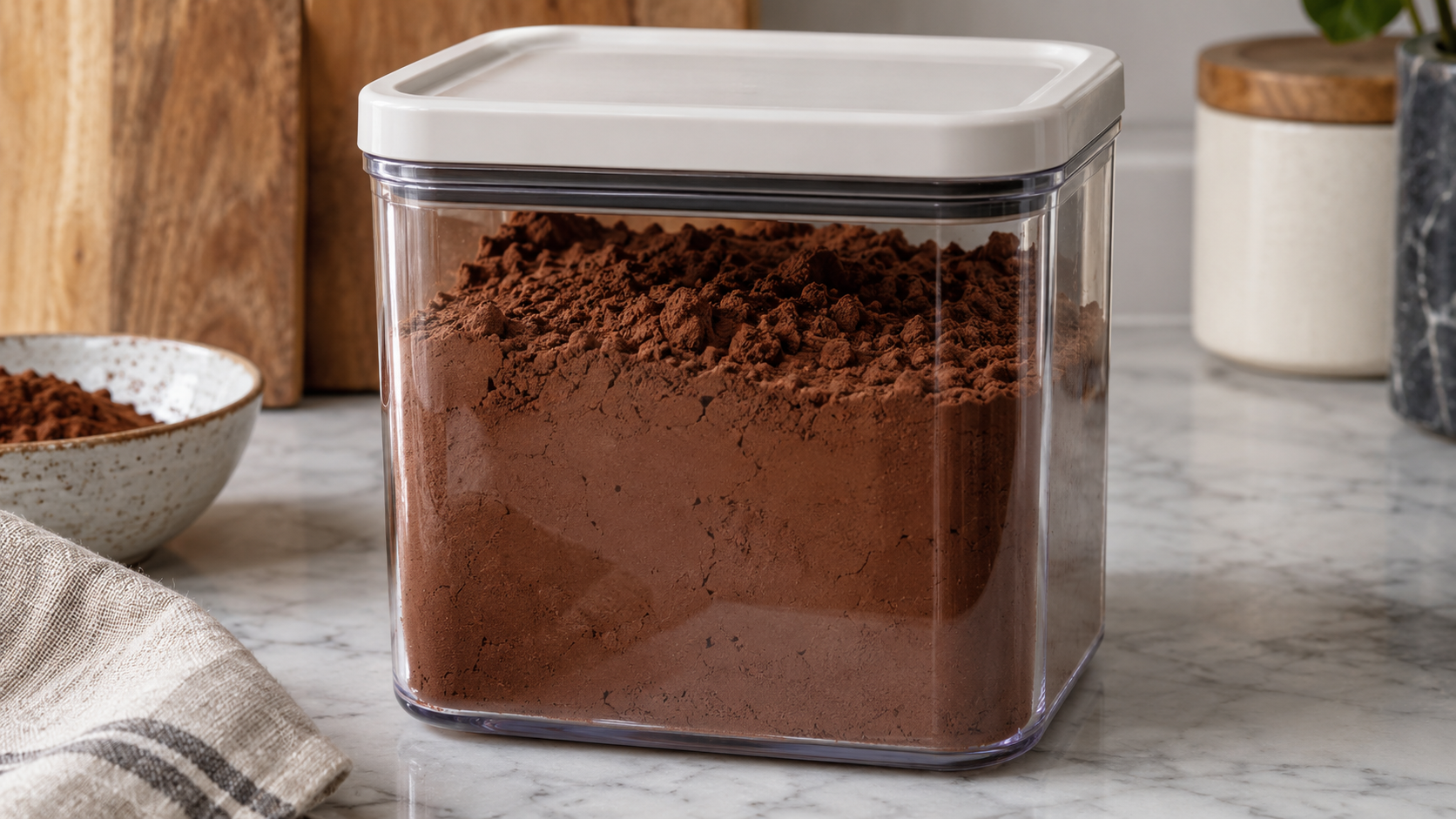
Keep cocoa tightly sealed away from moisture, heat and strong odours. Discard it if contaminated or if storage conditions are unknown.
Frequently asked questions
Why was the source rewritten?
Unsafe, unsupported or technically unreliable instructions were corrected while preserving the useful subject.
How should allergens be handled?
Check every current pack, prevent cross-contact and keep accurate ingredient information.
Can storage time be copied from another recipe?
No. Validate it for the actual ingredients, hygiene, process and packaging.
Can quantities be changed freely?
Changes to water, fat, sugar, alcohol or acid can alter texture, safety and storage.
Are nutrition or health claims automatic?
No. They require the complete formulation, a defined portion and applicable evidence.
What should be recorded during testing?
Record exact weights, temperatures, times, yield, storage and the result of each controlled trial.