
Dry chocolate moulds without lint, water spots or rushed shortcuts that can spoil the finish of tempered chocolate.
Understand the useful idea
How to Dry Chocolate Moulds Properly keeps the useful subject of the Portuguese article while replacing exaggerated, unclear or unsafe advice with a practical method for UK readers. After washing only when necessary, rinse thoroughly and shake away water before using soft, lint-free material and moving air.
Choose suitable ingredients or materials
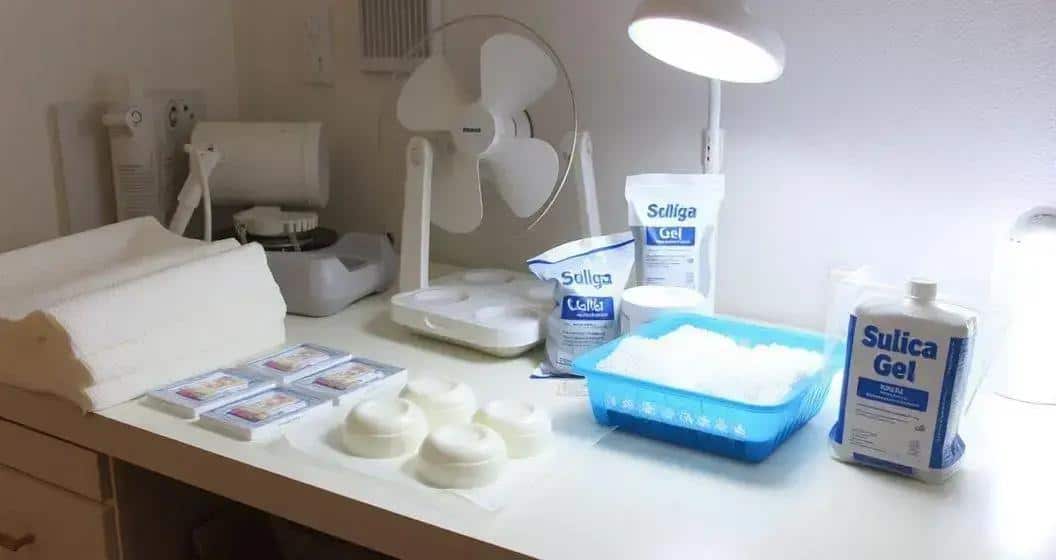
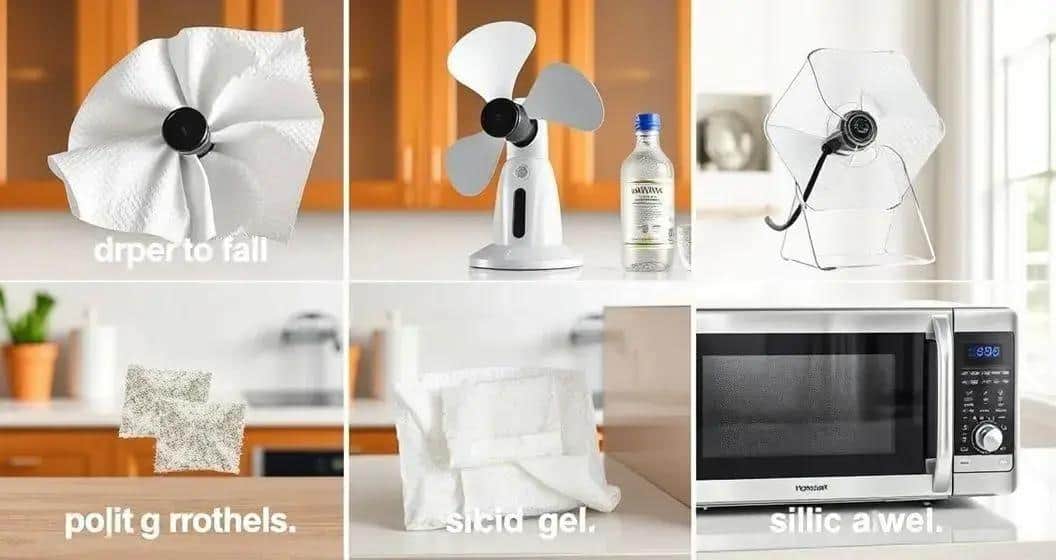
After washing only when necessary, rinse thoroughly and shake away water before using soft, lint-free material and moving air.
Control the main risks
Even a droplet can seize chocolate. Avoid high heat, abrasive cloths and paper fibres that scratch polycarbonate moulds.
Follow a repeatable method
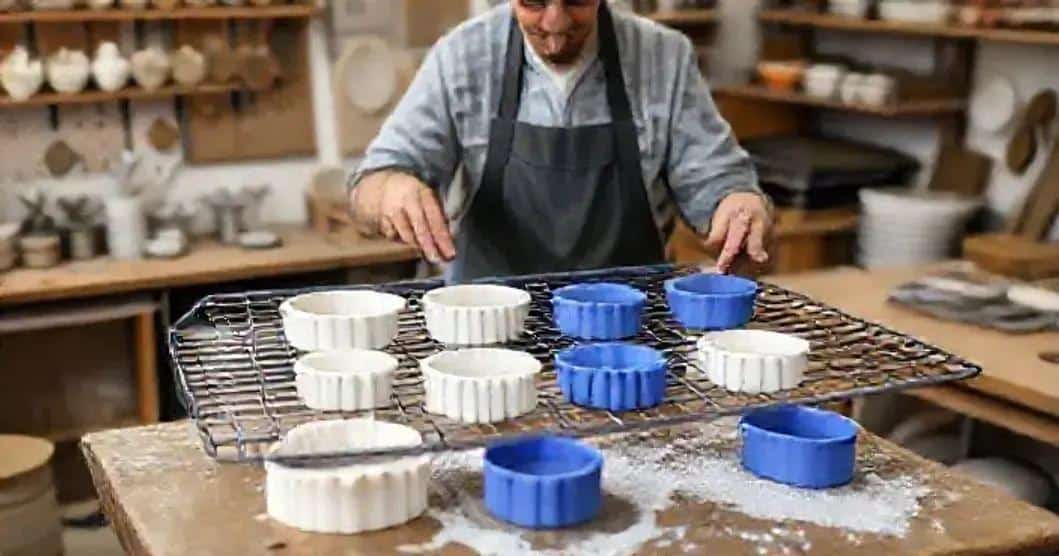
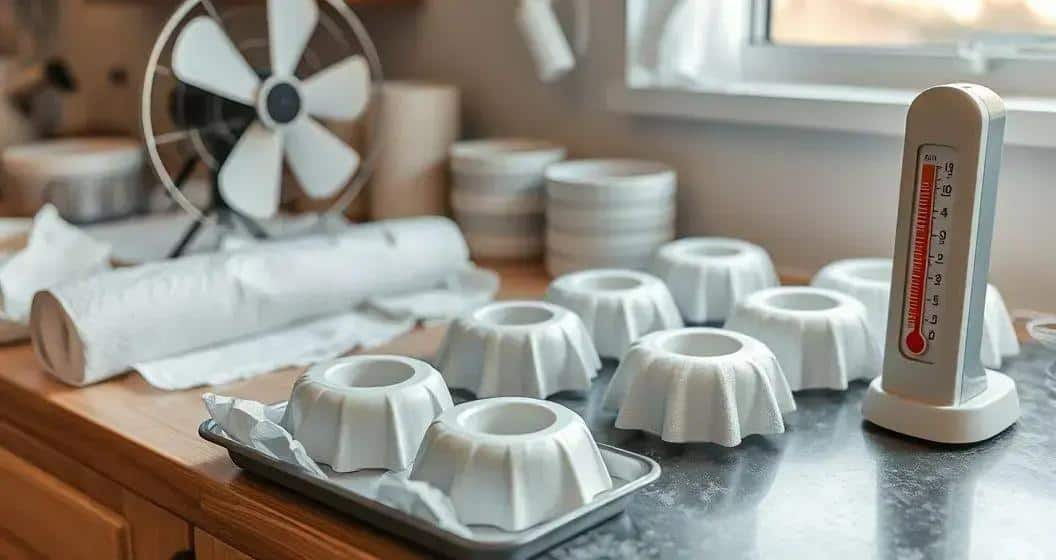
Air-dry upside down on a clean rack, inspect every cavity under good light and polish only with a suitable soft cloth.
Finish, store and serve well
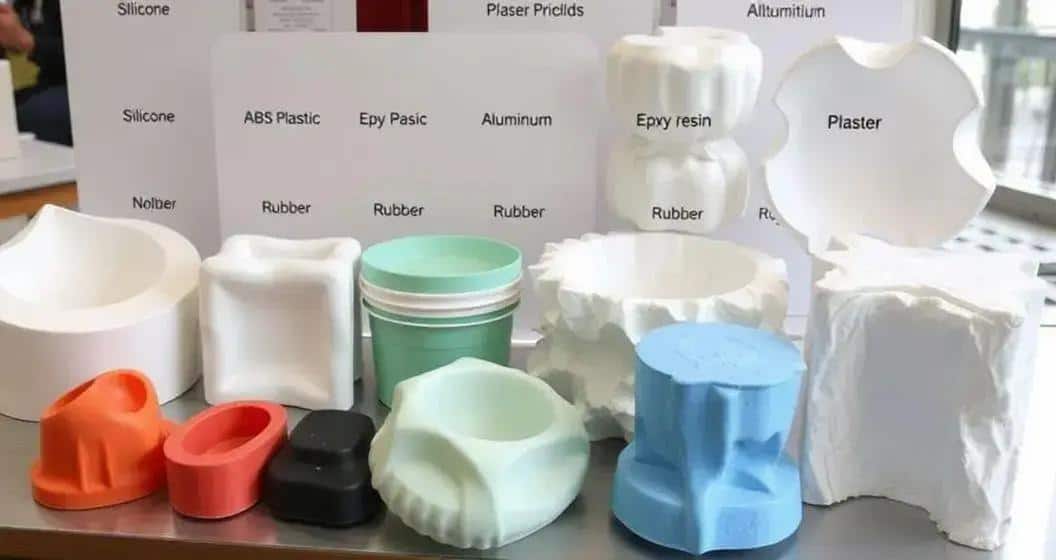
Store completely dry moulds covered from dust and handle cavities as little as possible.
Frequently asked questions
Why was this article revised?
The original topic was retained, while unsupported claims, unclear instructions and avoidable safety risks were corrected.
Do I need specialist equipment?
Use the equipment named in the method when it controls temperature, hygiene or repeatability; do not rely on guesswork for critical checks.
How should allergens be handled?
Check every ingredient and process, prevent cross-contact and give accurate written information before food is served or sold.
Can I guarantee the same result every time?
No. Ingredients, room conditions, equipment and technique vary, so make a small test and keep notes before scaling.
How should the finished item be stored?
Store completely dry moulds covered from dust and handle cavities as little as possible.
Can I sell or gift it?
Yes when local food rules, hygiene, allergen information, packaging and storage are all suitable for the recipient and product.