
Start with documented cargoes
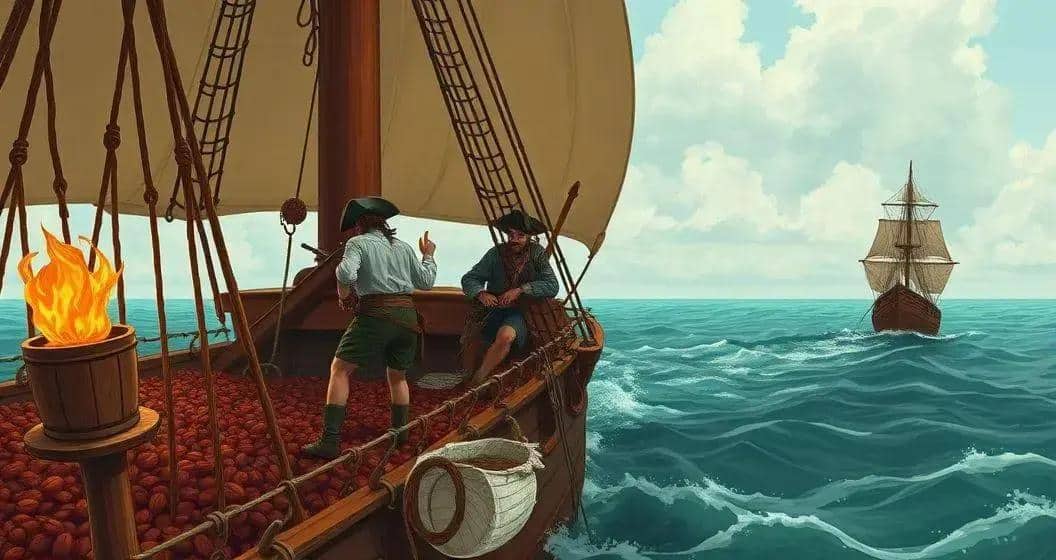
Cacao and chocolate travelled by sea within Spanish imperial networks and later through wider Atlantic trade. A reliable account names the port, vessel, date and archive or published voyage record rather than imagining a generic treasure ship.
Map imperial trade routes carefully
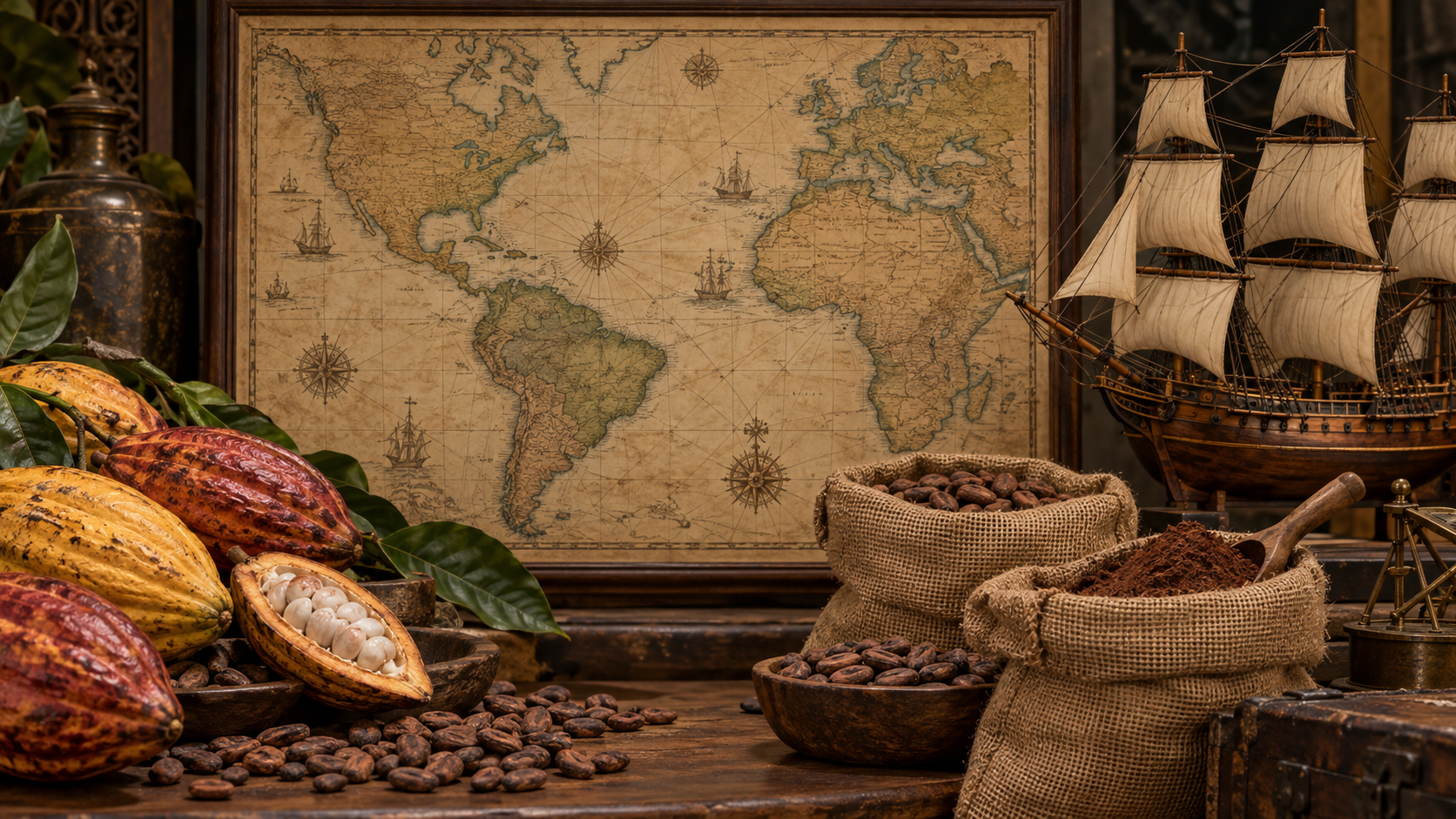
Cargo could move from American producing regions to colonial ports and onward to Europe, often alongside sugar, tobacco, silver and other goods. Routes changed with war, monopoly rules, contraband and the growth of new producing areas.
Distinguish privateers from pirates
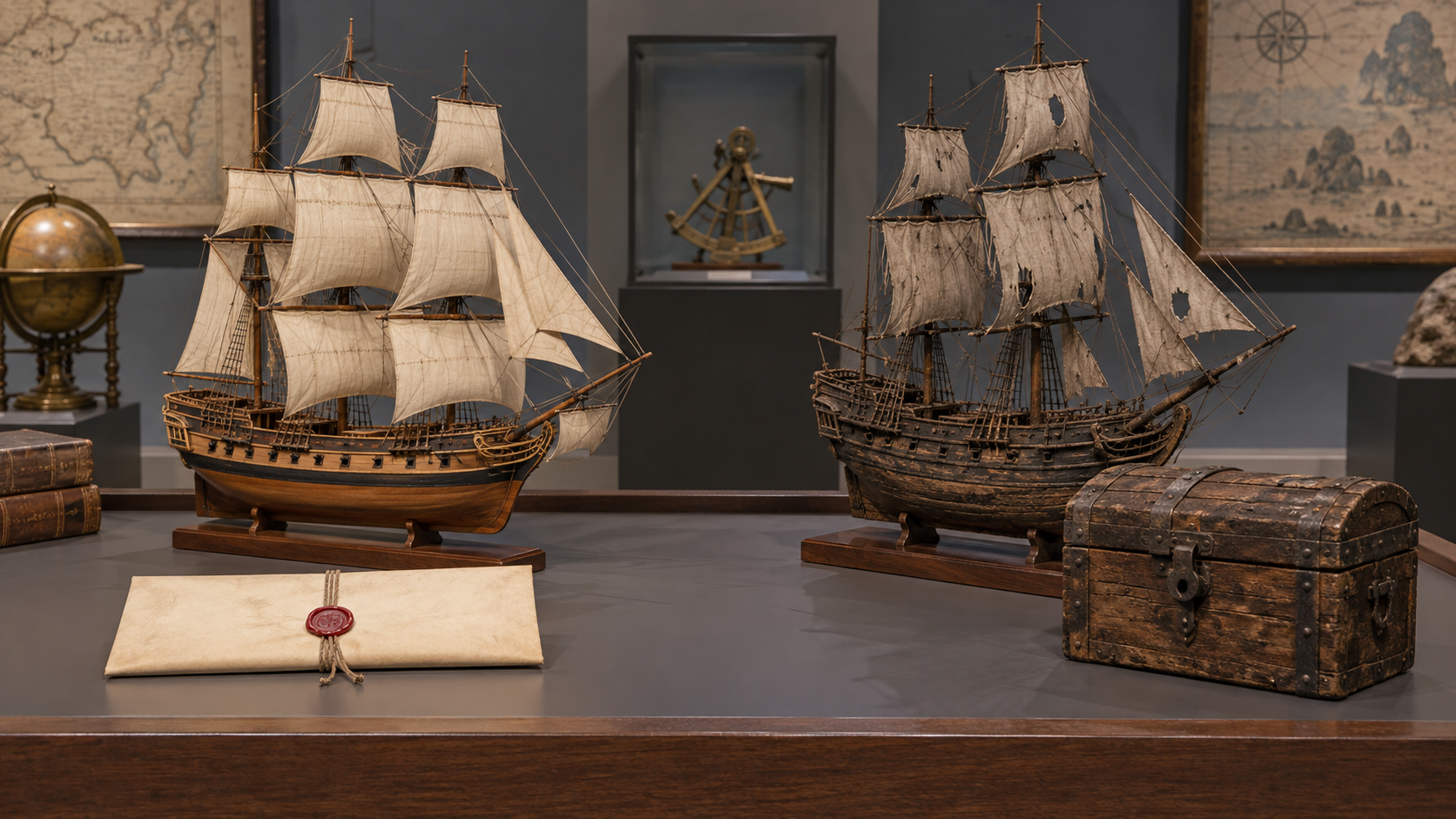
A privateer operated under a government commission against enemy shipping; a pirate acted without that authority. Contemporary reports sometimes used the terms strategically, so the legal status of a raid needs its historical context.
Understand why cocoa was taken
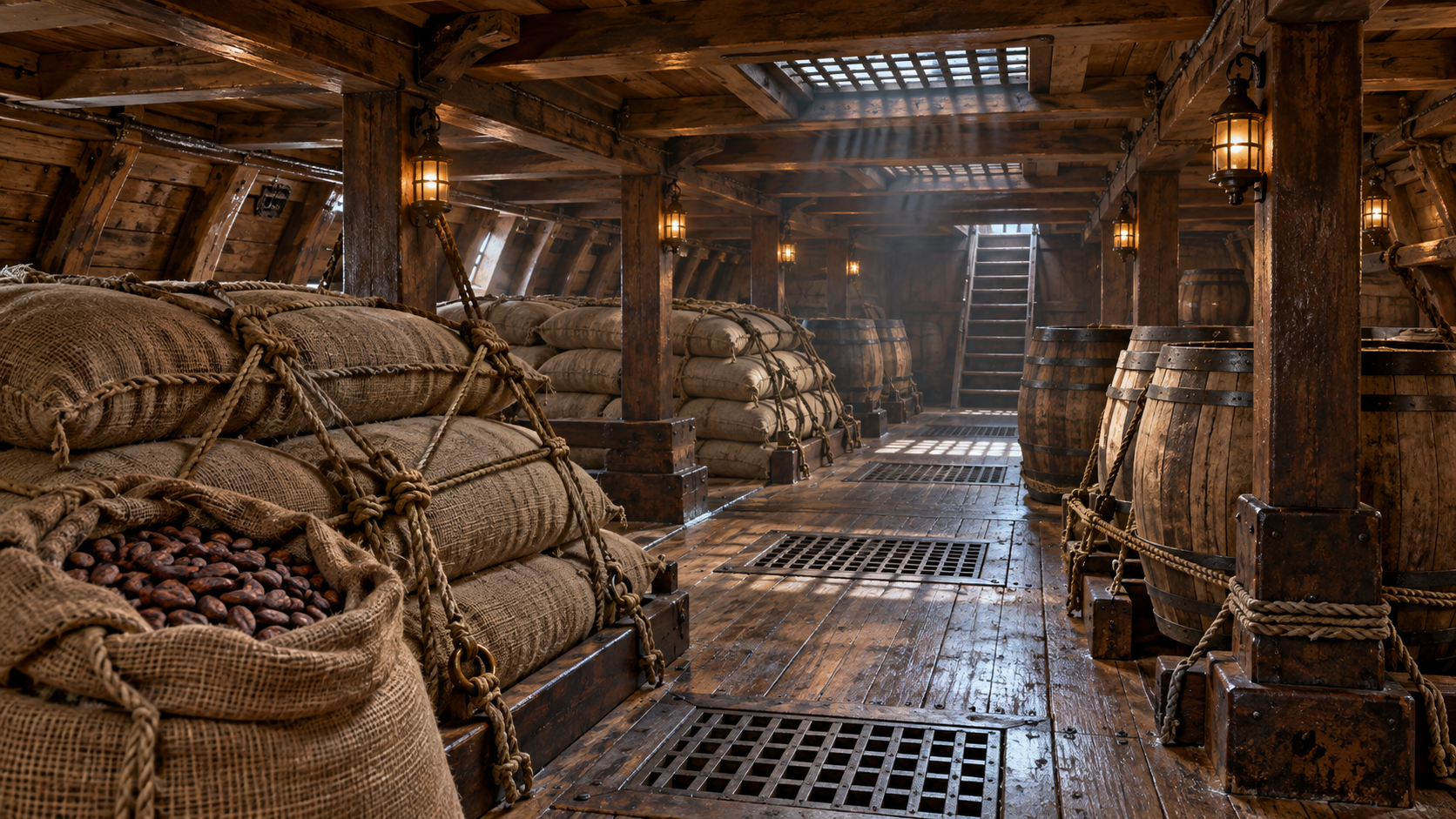
Raiders usually sought cargo that could be sold, provisioned or exchanged. Cocoa was valuable in some markets, but it was rarely the only or necessarily the most important item aboard.
Check colourful stories against records
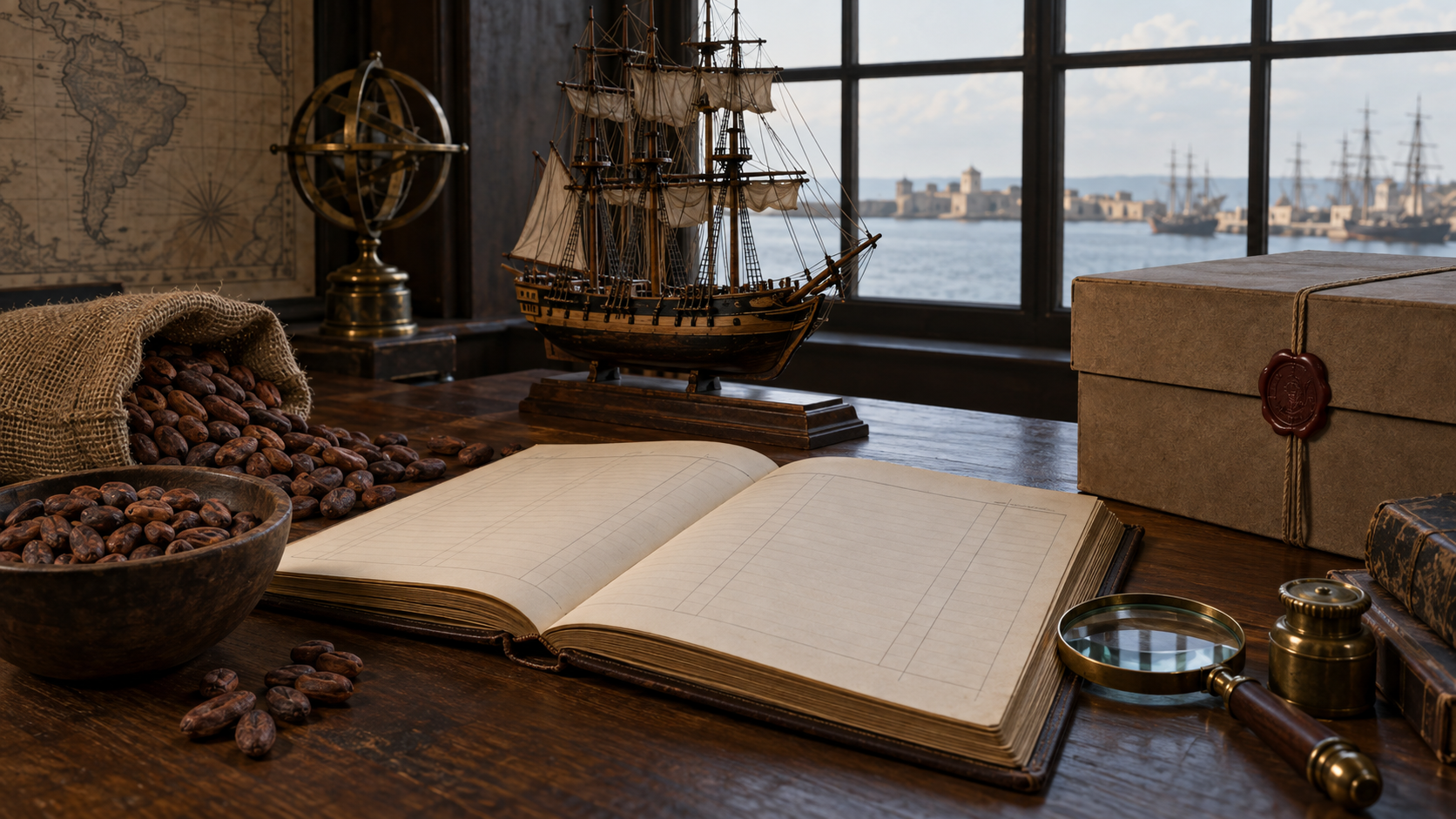
Stories about a captain discovering chocolate by accident or mistaking beans for animal droppings are often repeated without a traceable primary source. Treat them as anecdotes unless a dated log, court record or contemporary account supports them.
Tell the history without romance
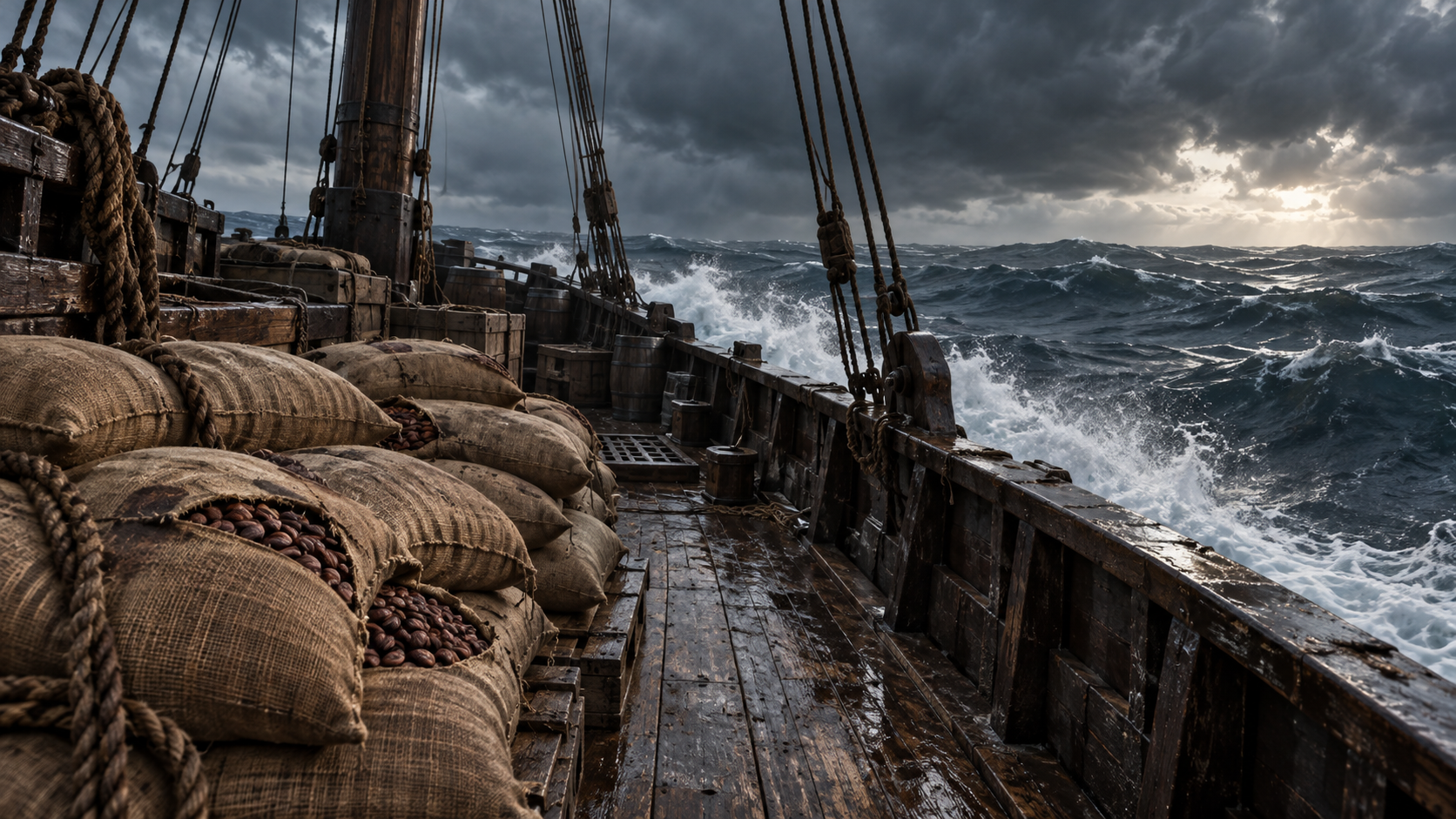
Maritime chocolate history also involves violence, colonial extraction and dangerous labour. A lively narrative can explain navigation and trade without turning raids or empire into harmless adventure.
Frequently asked questions
Why was the original article rewritten?
Unsupported historical, health, commercial or cultural claims were replaced with cautious guidance while preserving the useful core subject.
How can a historical claim be checked?
Look for a named primary source, catalogue, museum, archive or peer-reviewed study and confirm its date, place and context.
Does this guide prove a product or event is ethical?
No. Ethical claims need current evidence about sourcing, labour, payments, governance and results.
Is every chocolate item suitable for every reader?
No. Check current ingredient labels, allergies, dietary choices, alcohol content and individual health needs.
Can cultural traditions be combined freely?
Specific communities and living practitioners should be named and respected; modern adaptations should be described honestly.
What should be recorded when adapting the idea?
Record sources, ingredients, quantities, dates, safety decisions and any changes made for a modern British audience.