
Shortages changed ingredients
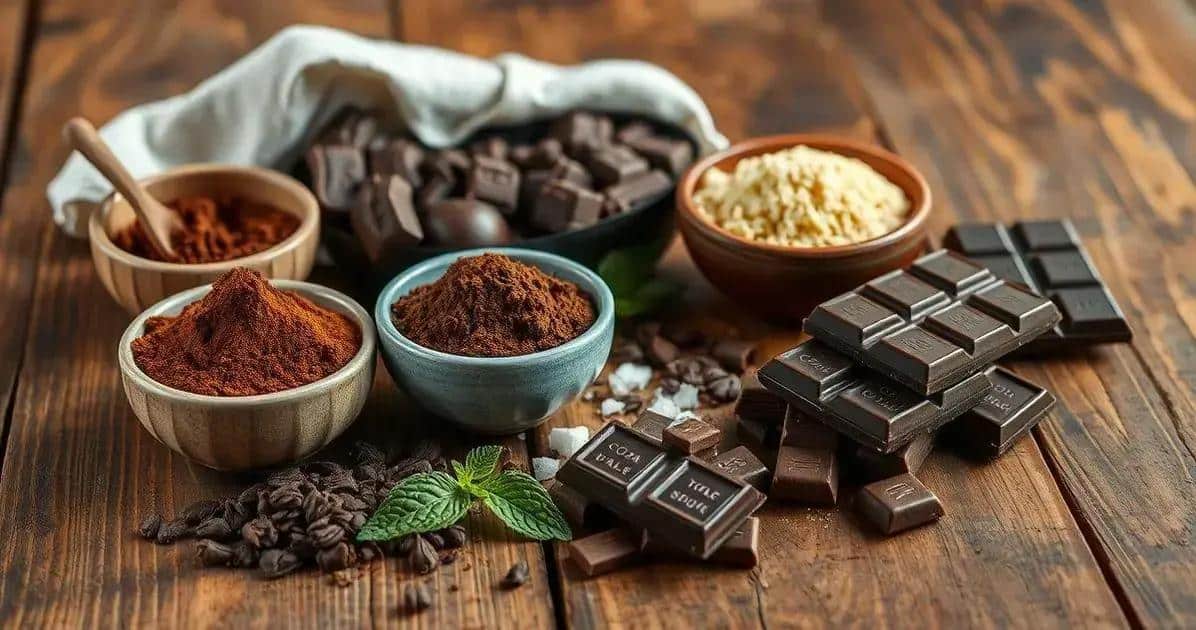
War disrupted supplies of cocoa, sugar, fat, milk and fuel. Civilian ration rules differed by country and changed over time, so recipes must be dated and located.
Cooks stretched flavour
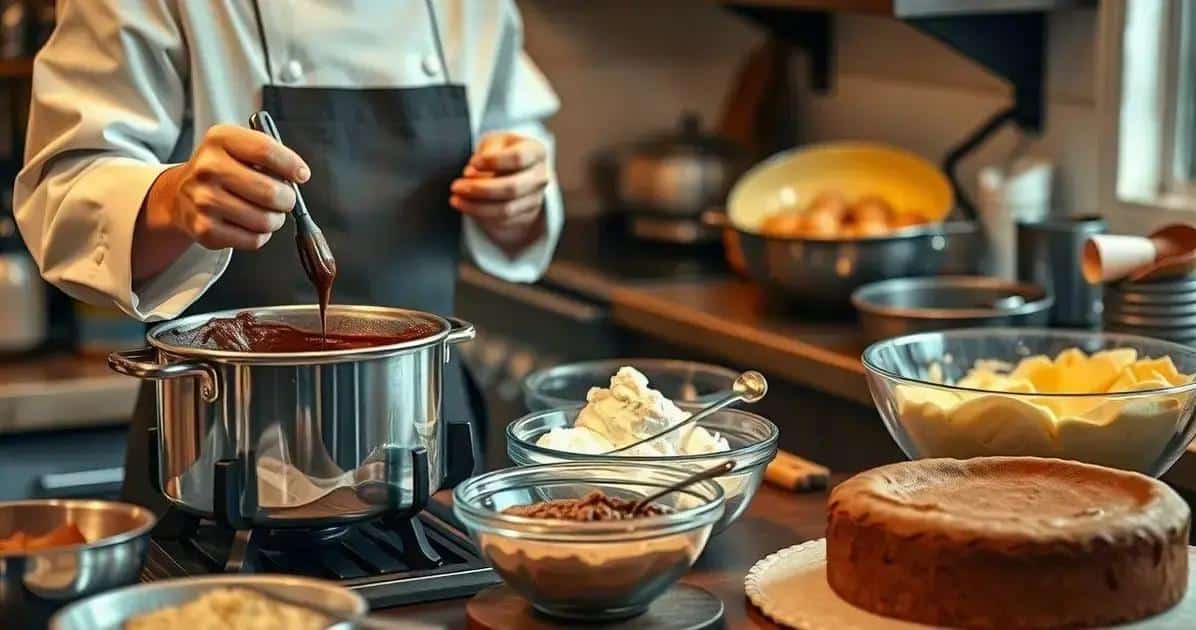
Cooks used small amounts of cocoa or chocolate to flavour larger puddings, cakes and drinks. Breadcrumbs, oats, root vegetables or syrups sometimes helped extend scarce ingredients.
Portions became smaller
Smaller tins, thinner coatings and modest decorations made limited supplies serve more people. Celebration foods could still matter even when portions were reduced.
Substitutions had limits
A substitute rarely behaves exactly like the missing ingredient. Historical recipes were compromises shaped by availability, not necessarily nutritionally equivalent modern advice.
Memory can romanticise scarcity
Family stories often emphasise ingenuity and comfort, but rationing also meant anxiety, unequal access and exhausting domestic work. A balanced account includes both.
Frequently asked questions
Does natural mean stimulant-free?
No. Cocoa, coffee, tea and guarana can supply caffeine or related stimulants.
Can chocolate or cocoa treat a health condition?
No. Food may fit a balanced diet, but medical or mental-health concerns need qualified assessment.
Are cultural chocolate traditions the same everywhere?
No. Customs vary by community, period and commercial influence.
How can a historical claim be checked?
Look for a dated primary source, museum, archive or independent history rather than repeating a brand story.
Which label details matter most?
Check the ingredient list, allergens, serving size, caffeine, sugar, dates and storage information.
How should chocolate gifts be planned?
Match the recipient’s tastes and restrictions, protect the product from heat and keep claims modest.