
Distinguish colour from material
Fashion often borrows cocoa browns, glossy finishes and confectionery shapes without containing cocoa at all. Describe a garment as chocolate-inspired unless its materials and maker clearly support a stronger claim.
Check collaboration claims
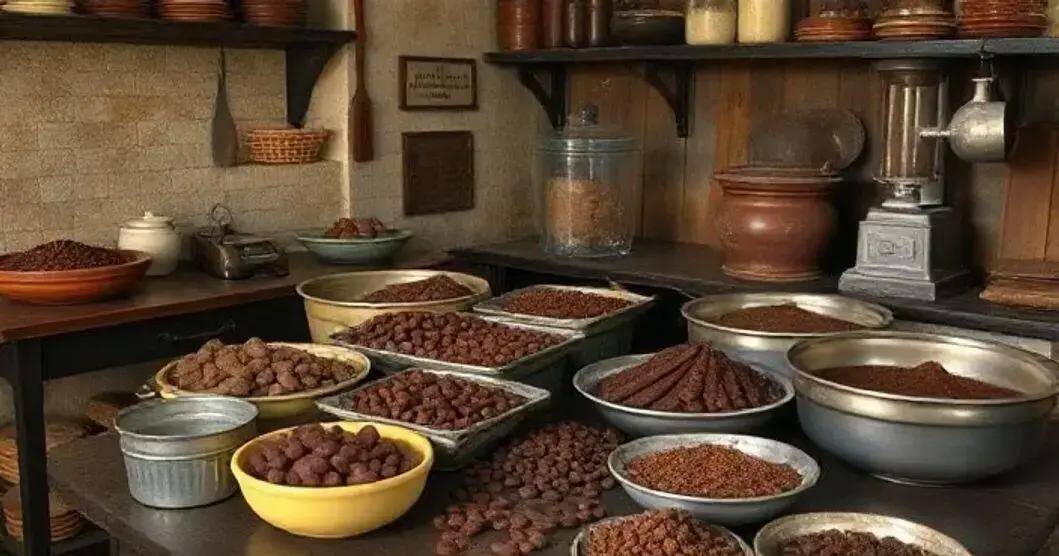
Designer and chocolatier collaborations do occur, especially for shows and publicity events. Verify the names, venue, year and credited makers through an official collection page, programme or reputable archive before repeating a dramatic story.
Understand wearable chocolate
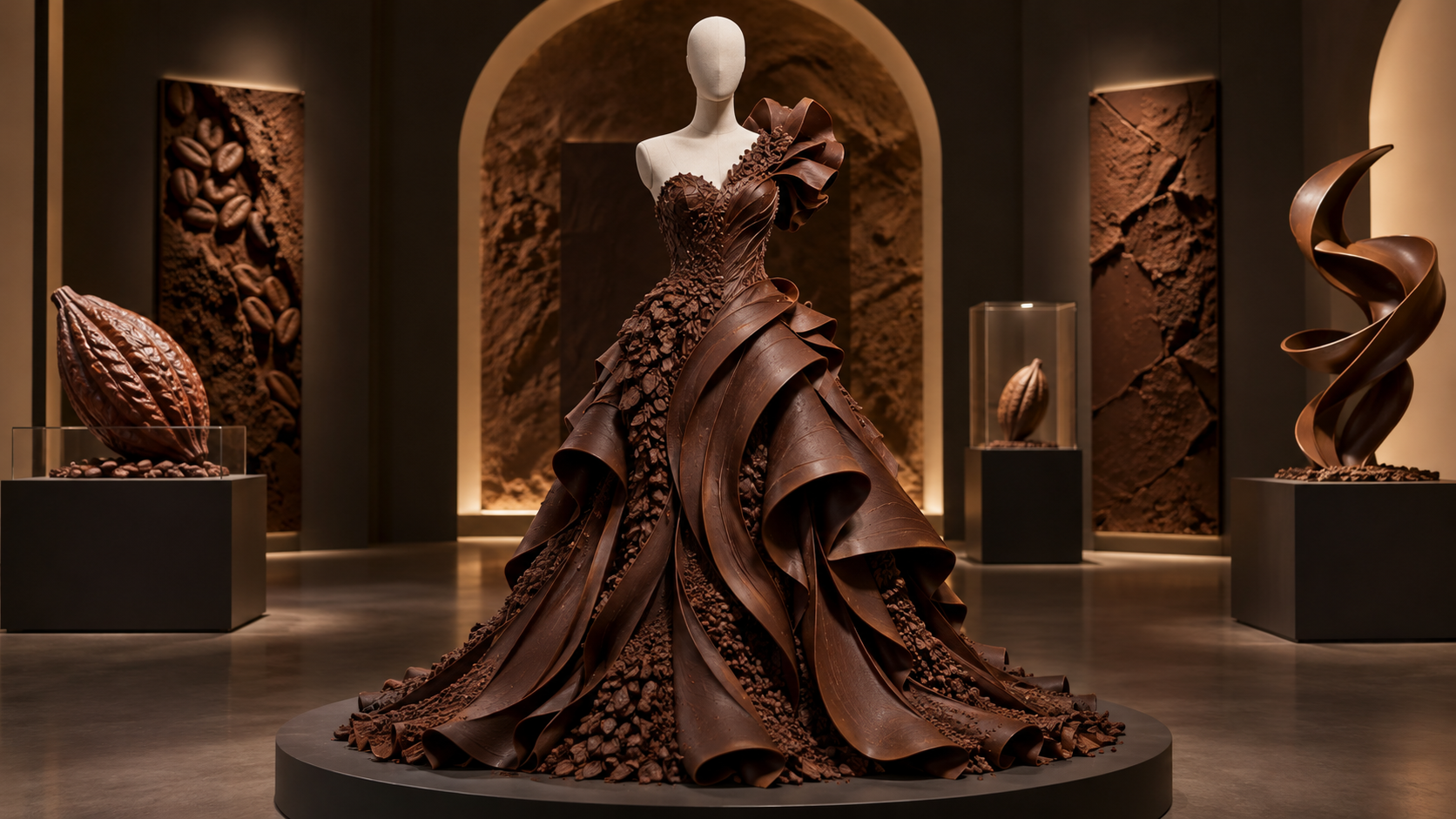
Chocolate dresses and accessories are usually temporary showpieces built over food-safe or structural supports. Heat, body movement and humidity make them unsuitable for normal wear, and they may not remain edible after display.
Avoid misleading sustainability language
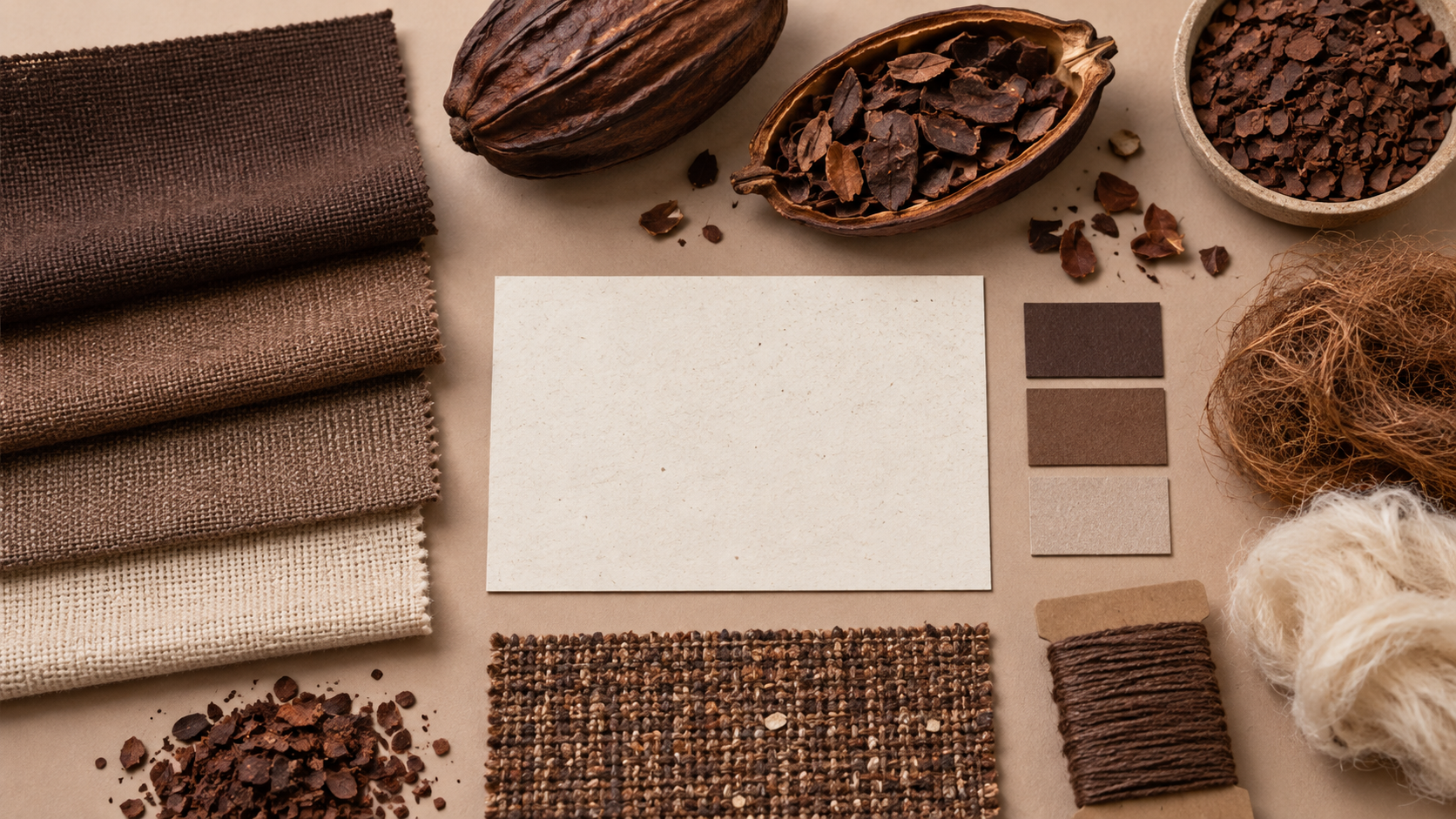
Cocoa-shell textiles, dyes and biomaterials are developing fields, but “made from cocoa” can describe a small component or experimental process. Ask for composition, durability, manufacturing and end-of-life evidence before calling a product sustainable.
Create a practical cocoa palette
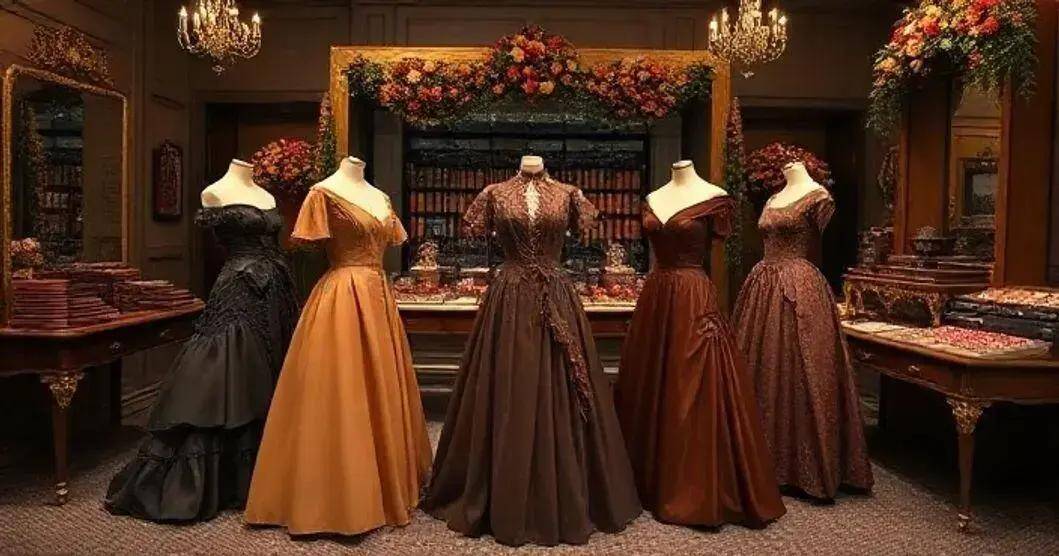
For an everyday look, combine deep brown, cream, caramel and muted berry tones. Texture can suggest chocolate more convincingly than novelty prints: satin gives gloss, velvet depth and knitwear a softer finish.
Care for the finished look

Follow the real fibre-care label, not the food theme. Store dark garments away from strong sunlight, test stain treatments discreetly and keep actual chocolate away from delicate fabrics.
Frequently asked questions
Why was the original article rewritten?
Unsupported historical, health, commercial or cultural claims were replaced with cautious guidance while preserving the useful core subject.
How can a historical claim be checked?
Look for a named primary source, catalogue, museum, archive or peer-reviewed study and confirm its date, place and context.
Does this guide prove a product or event is ethical?
No. Ethical claims need current evidence about sourcing, labour, payments, governance and results.
Is every chocolate item suitable for every reader?
No. Check current ingredient labels, allergies, dietary choices, alcohol content and individual health needs.
Can cultural traditions be combined freely?
Specific communities and living practitioners should be named and respected; modern adaptations should be described honestly.
What should be recorded when adapting the idea?
Record sources, ingredients, quantities, dates, safety decisions and any changes made for a modern British audience.