
Luxury helped create the link

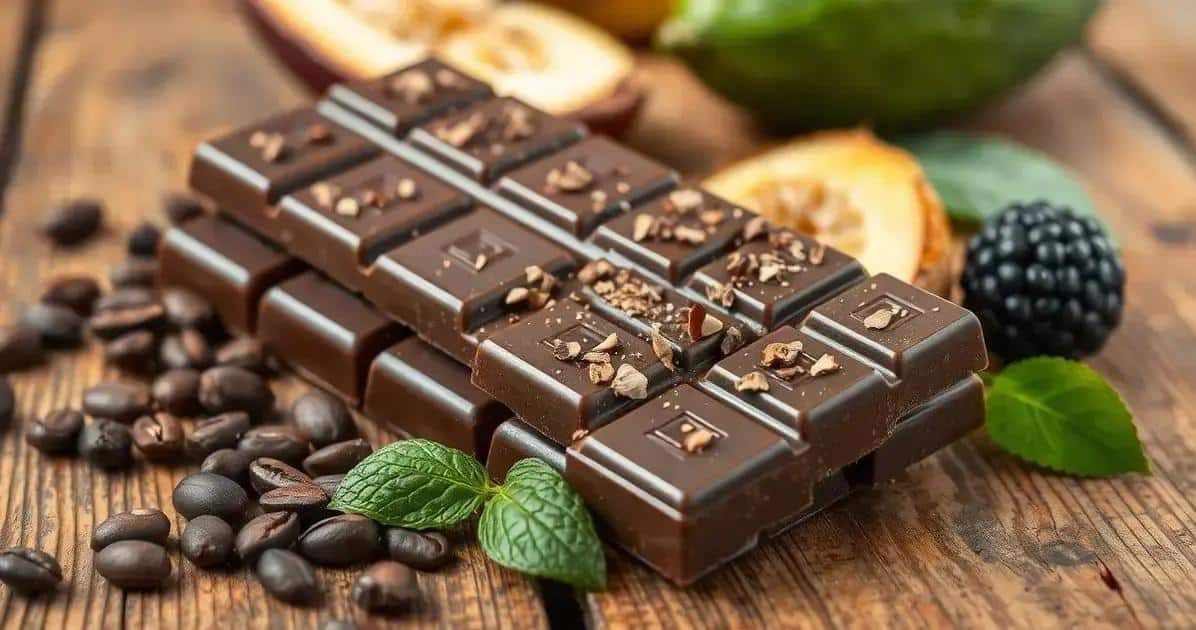
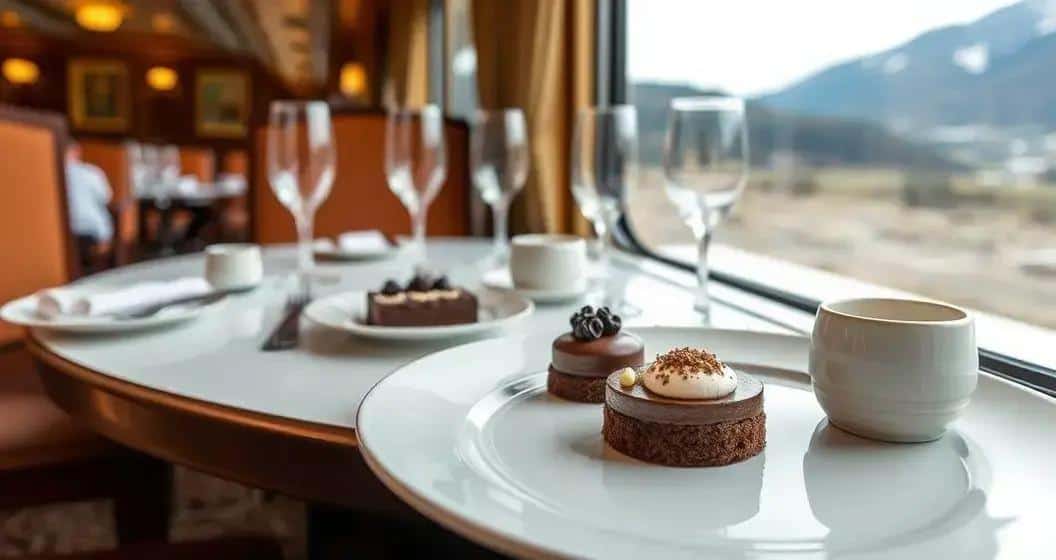
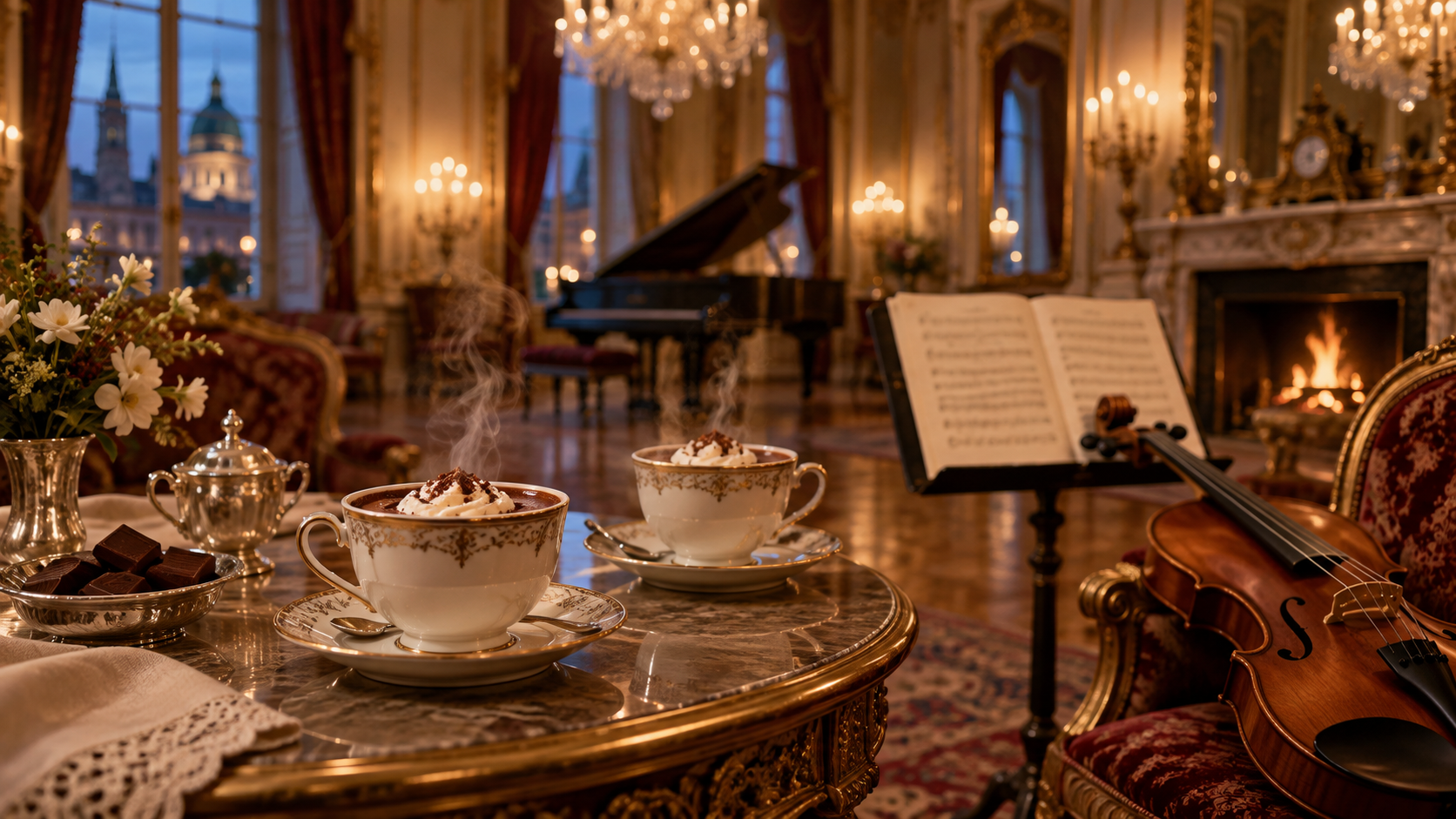
Chocolate was expensive in early modern Europe, so serving or giving it could signal wealth and attention. Luxury helped connect it with intimacy long before modern heart-shaped boxes.
Courtship customs changed
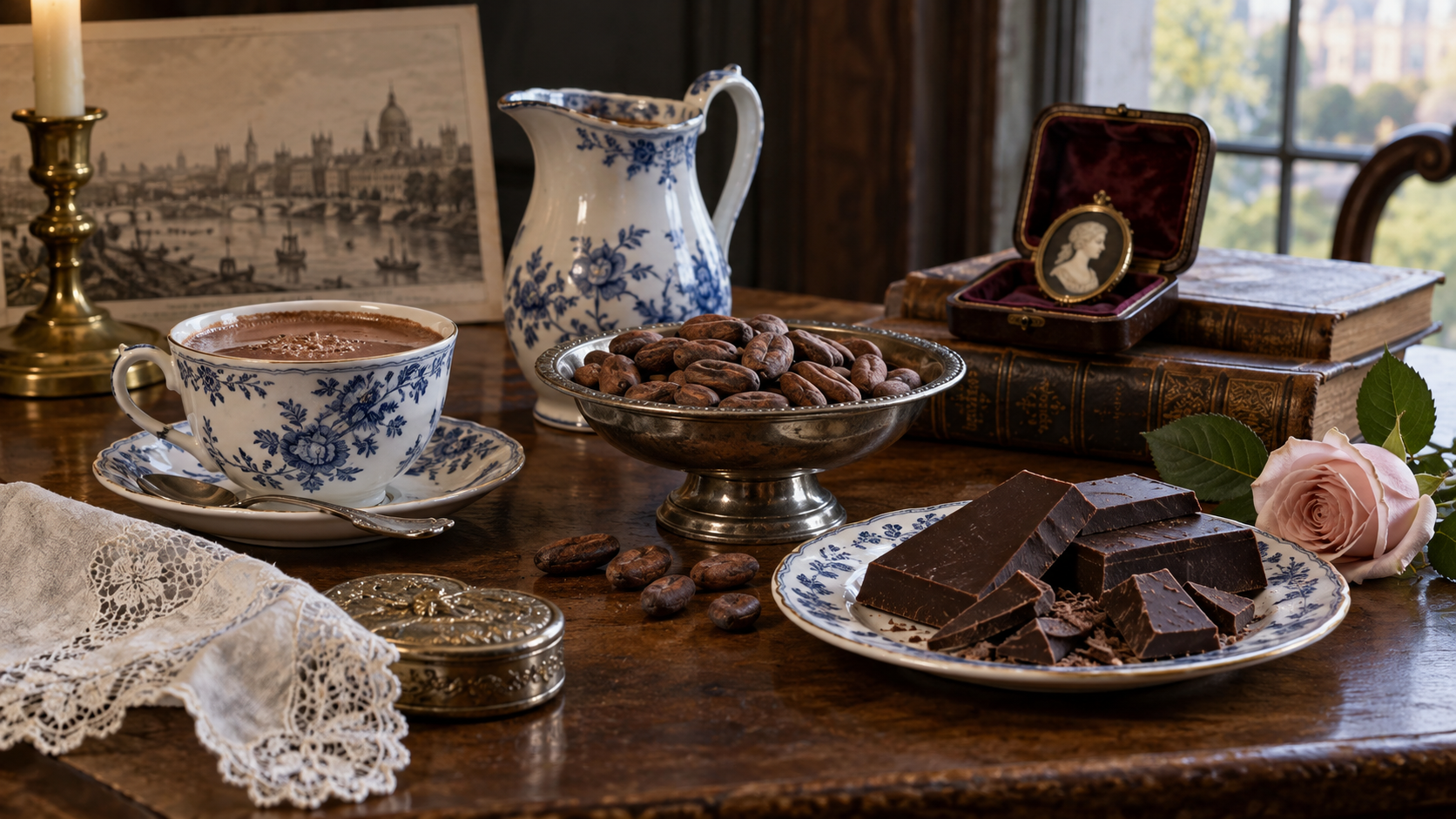
Courtship traditions differed by class, country and period. Stories about chocolate as a universal love token often combine real customs with later marketing.
Advertising strengthened the message
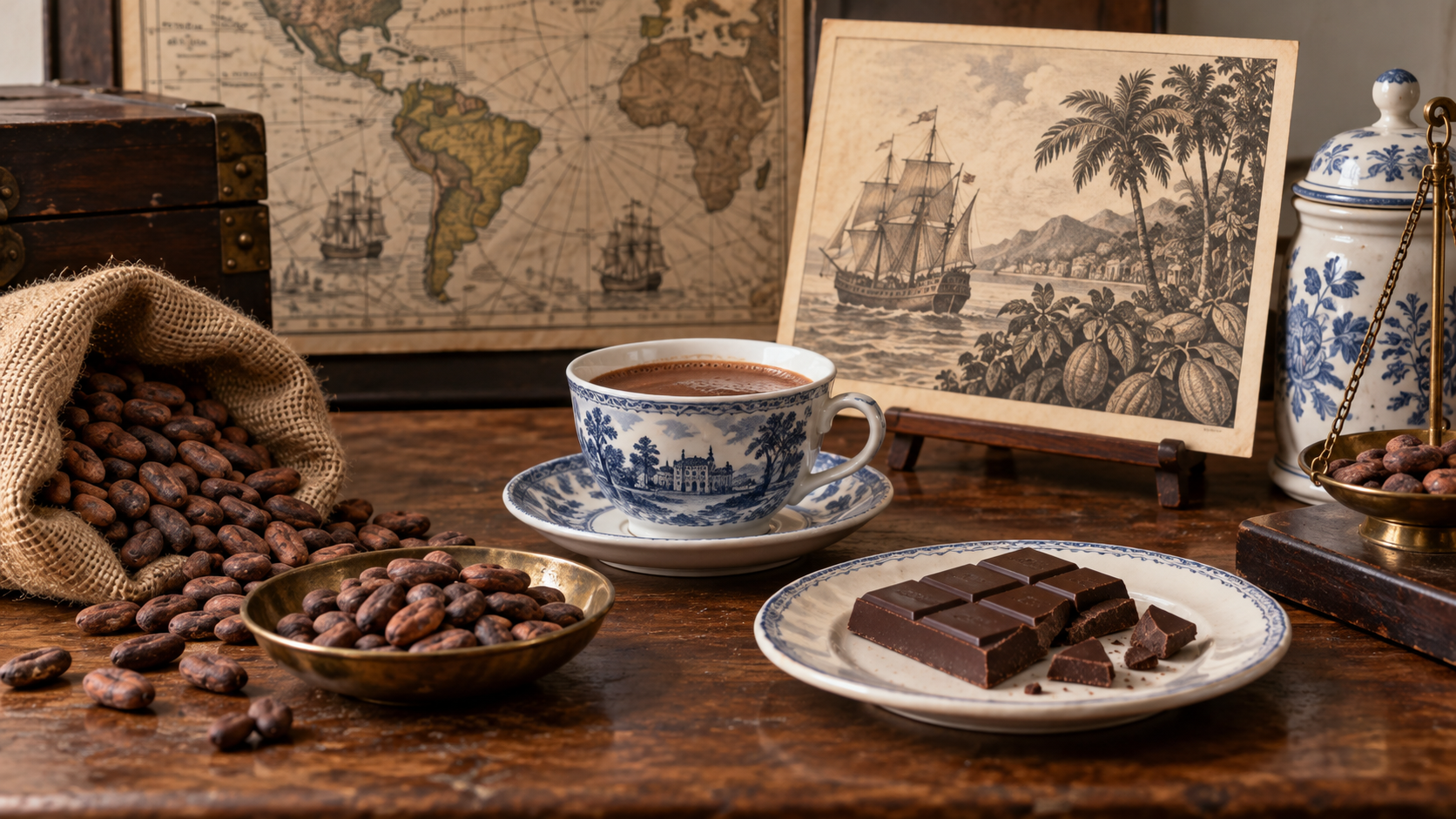
Nineteenth- and twentieth-century manufacturers repeatedly linked chocolate with affection, reward and desire. The association grew through packaging, shop displays, films and advertising.
Gift boxes made chocolate easy to present

Decorative boxes allowed confectioners to sell chocolate as a keepsake as well as food. Seasonal designs made the product a convenient, recognisable gift.
Valentine traditions vary
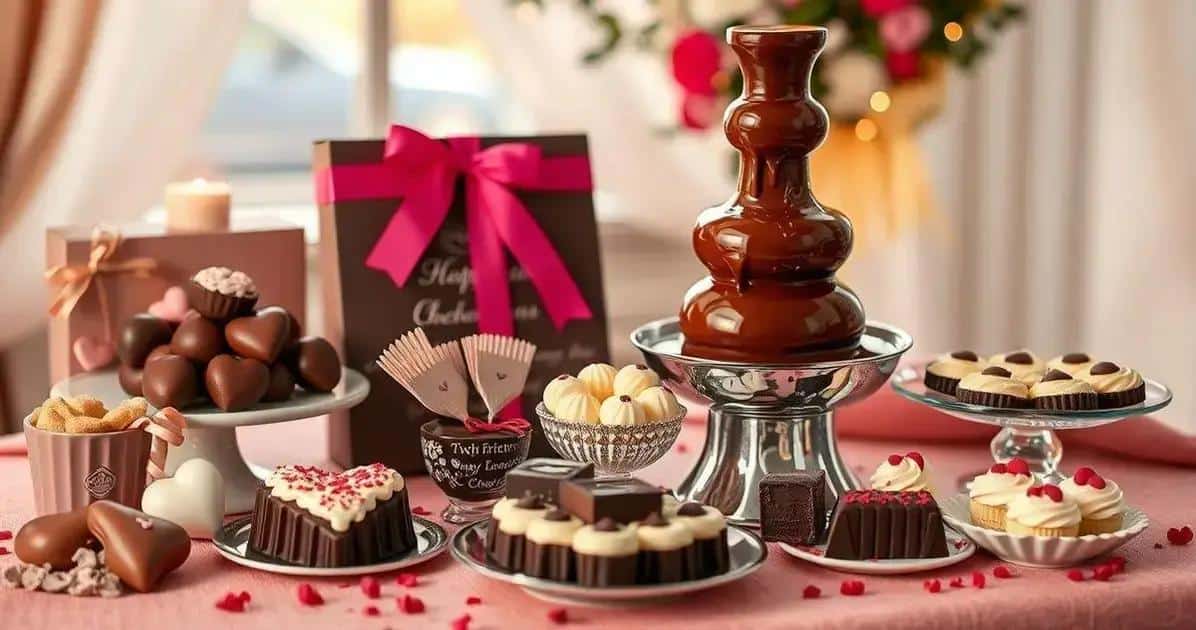
Valentine’s Day chocolate is prominent in some markets, while other places use different dates or customs. Japan, for example, developed distinct commercial gift conventions during the twentieth century.
Chemistry claims are often exaggerated
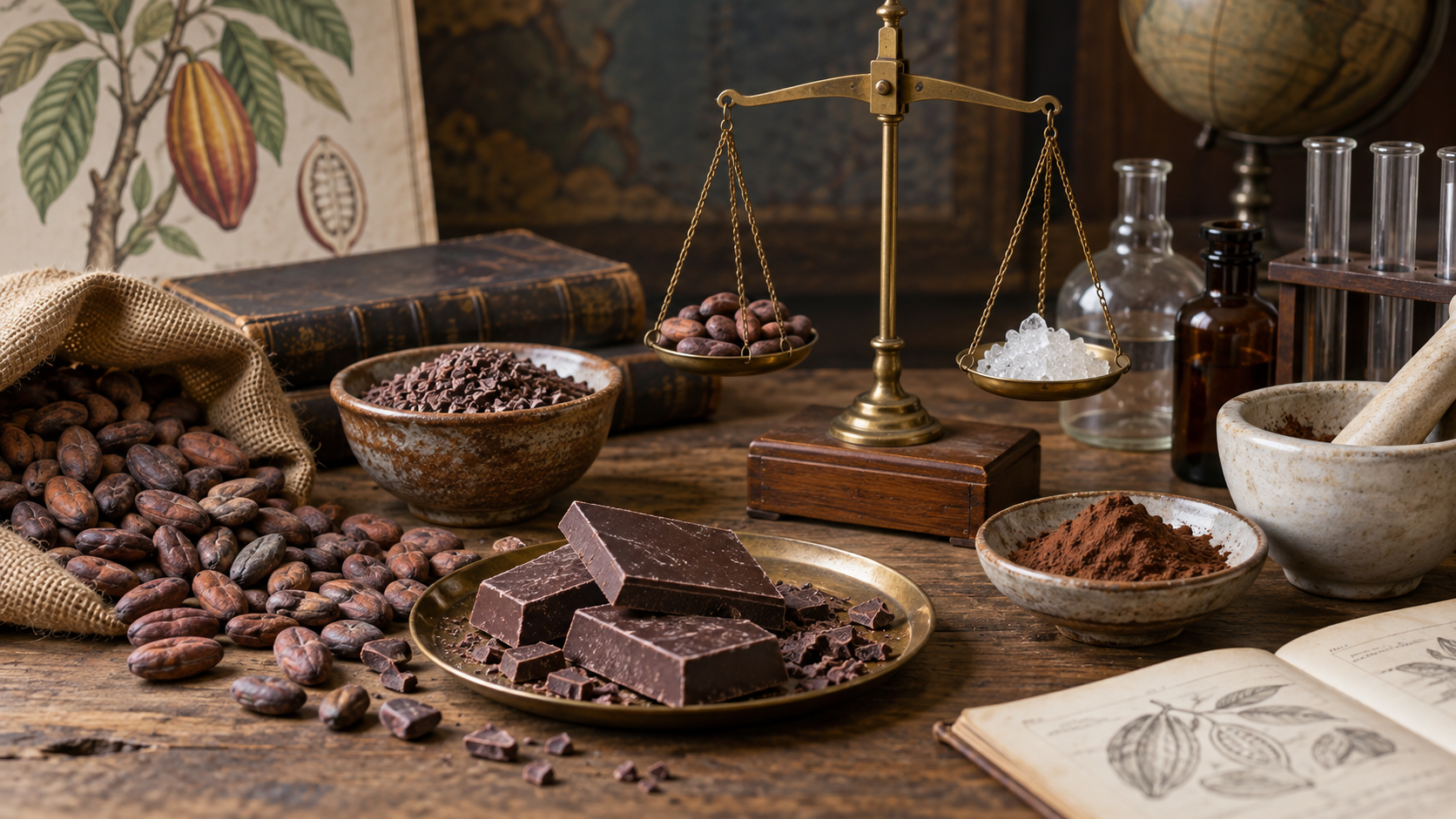
Chocolate contains active compounds, but ordinary portions have not been shown to create love or guarantee desire. Pleasant expectation and shared experience offer a simpler explanation.
The gesture matters more than a promise
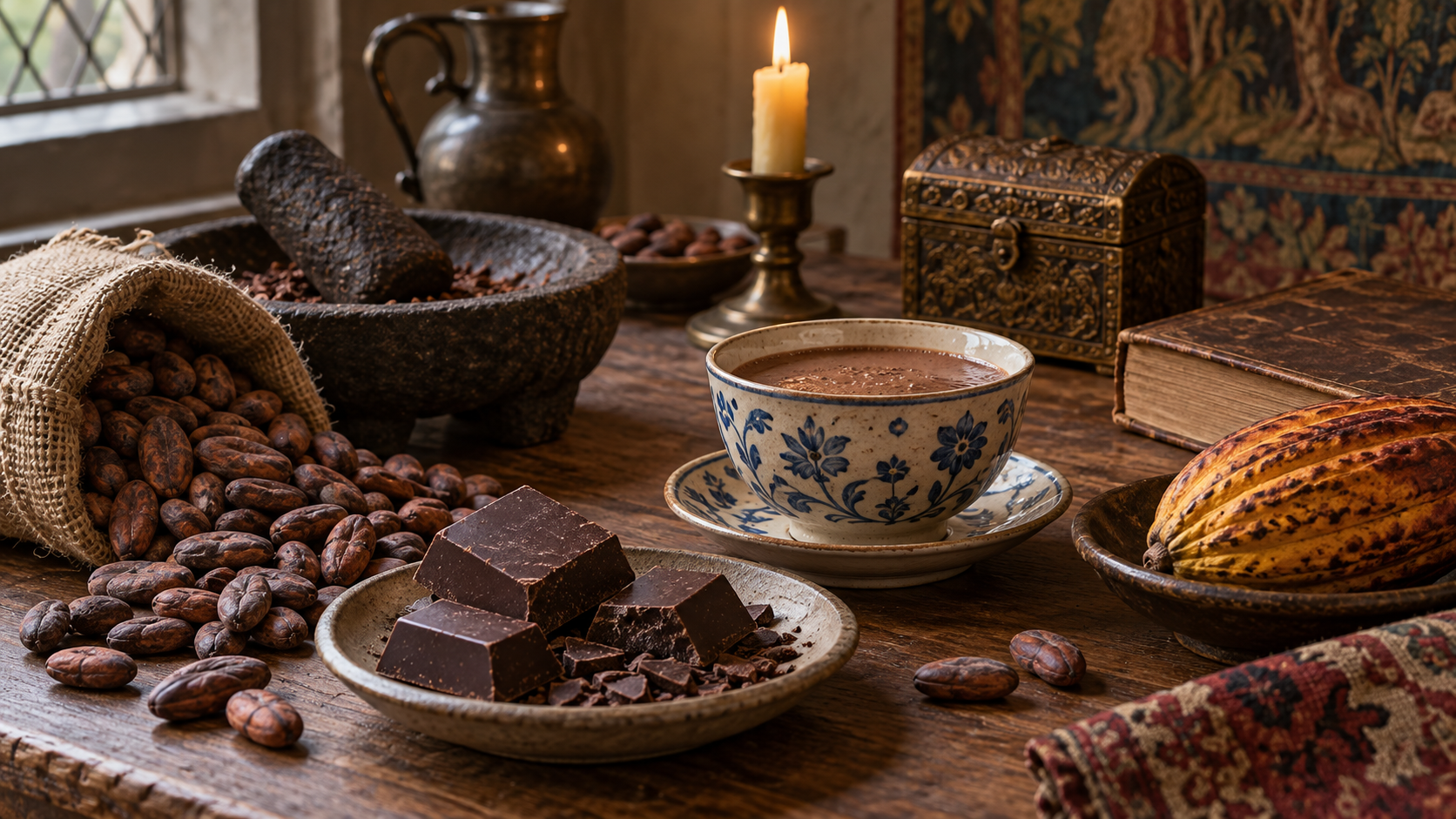
A gift works best when it suits the recipient’s tastes, allergies and values. No food should be presented as a medical or emotional guarantee.
Frequently asked questions
Are all popular chocolate-history stories reliable?
No. Many repeat marketing legends, so check dates, sources and the difference between evidence and interpretation.
Did chocolate always mean the same thing?
No. Recipes, status and symbolism changed across communities, centuries and markets.
Can chocolate treat low mood or improve desire?
Ordinary chocolate is not a treatment. Enjoyment and expectation may affect an experience, but medical concerns need qualified advice.
Why does packaging matter?
It protects chocolate and communicates ingredients, allergens, dates, origin and brand information.
How should international rankings be compared?
Use the same year, category, unit and method, and distinguish total volume from per-person figures.
How should historical images and quotations be used?
Verify them through museums, archives or reliable editions and explain their period and context.