
Read the ingredient list

Look for cocoa mass, cocoa butter, sugar and any milk or emulsifier ingredients. The legal product name and manufacturer guidance are more useful than vague premium wording.
Check cocoa percentage without relying on it alone
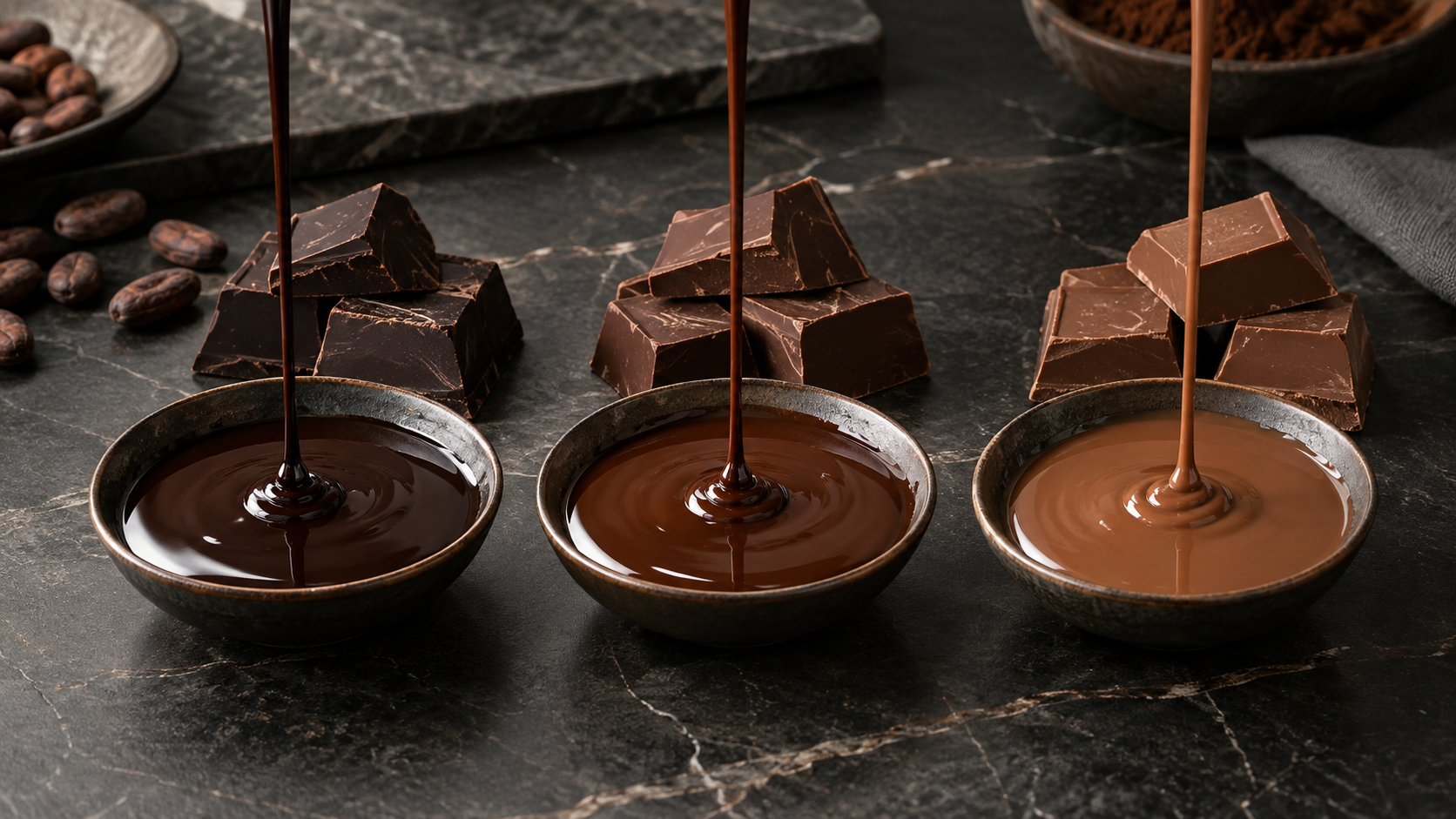
Cocoa percentage affects sweetness and intensity but does not tell you everything about flavour, fluidity or quality. Two products with the same percentage can behave very differently.
Use viscosity information
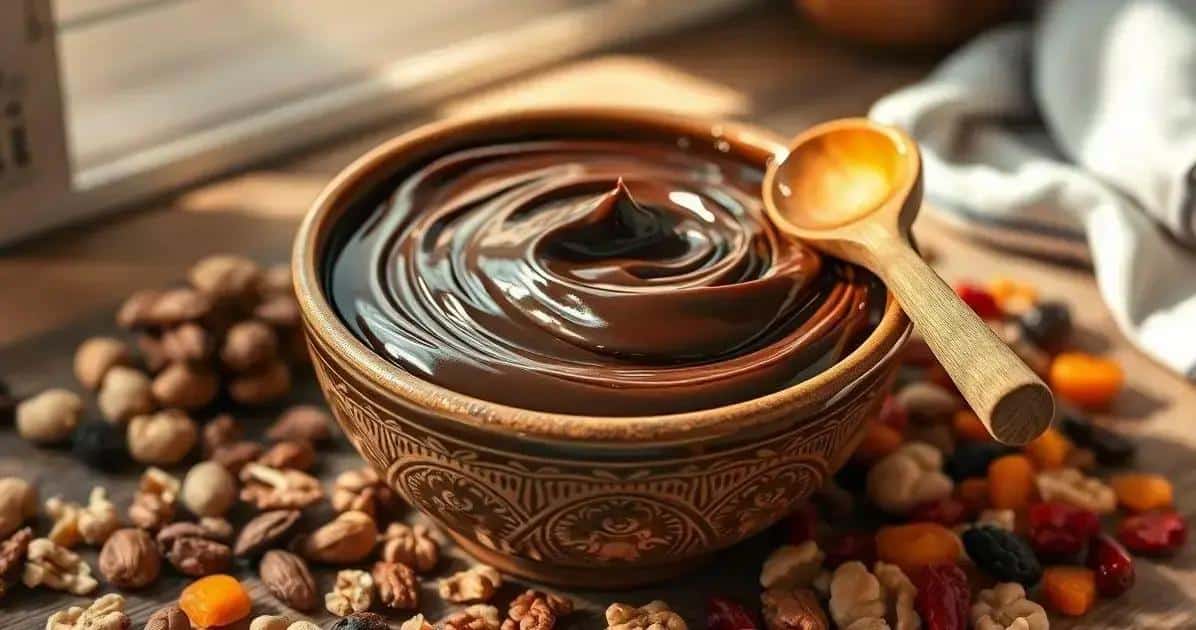
Manufacturers often indicate whether a couverture is suited to thin shells, enrobing or ganache. A very fluid product helps moulding, while a less fluid one can suit some fillings or baking uses.
Taste before committing

Taste the chocolate at room temperature and note sweetness, bitterness, acidity and roast. The finished bonbon should balance the couverture with its filling rather than hide either one.
Match dark, milk or white to the filling

Dark chocolate can balance sweet caramel, milk chocolate gives a softer result and white chocolate carries delicate flavours. Each type requires its own tempering range and ganache ratio.
Check allergens and traceability

Check milk, soya, nuts and gluten warnings, along with origin or sourcing information that matters to your customers. Keep the supplier label and batch code.
Test one batch first

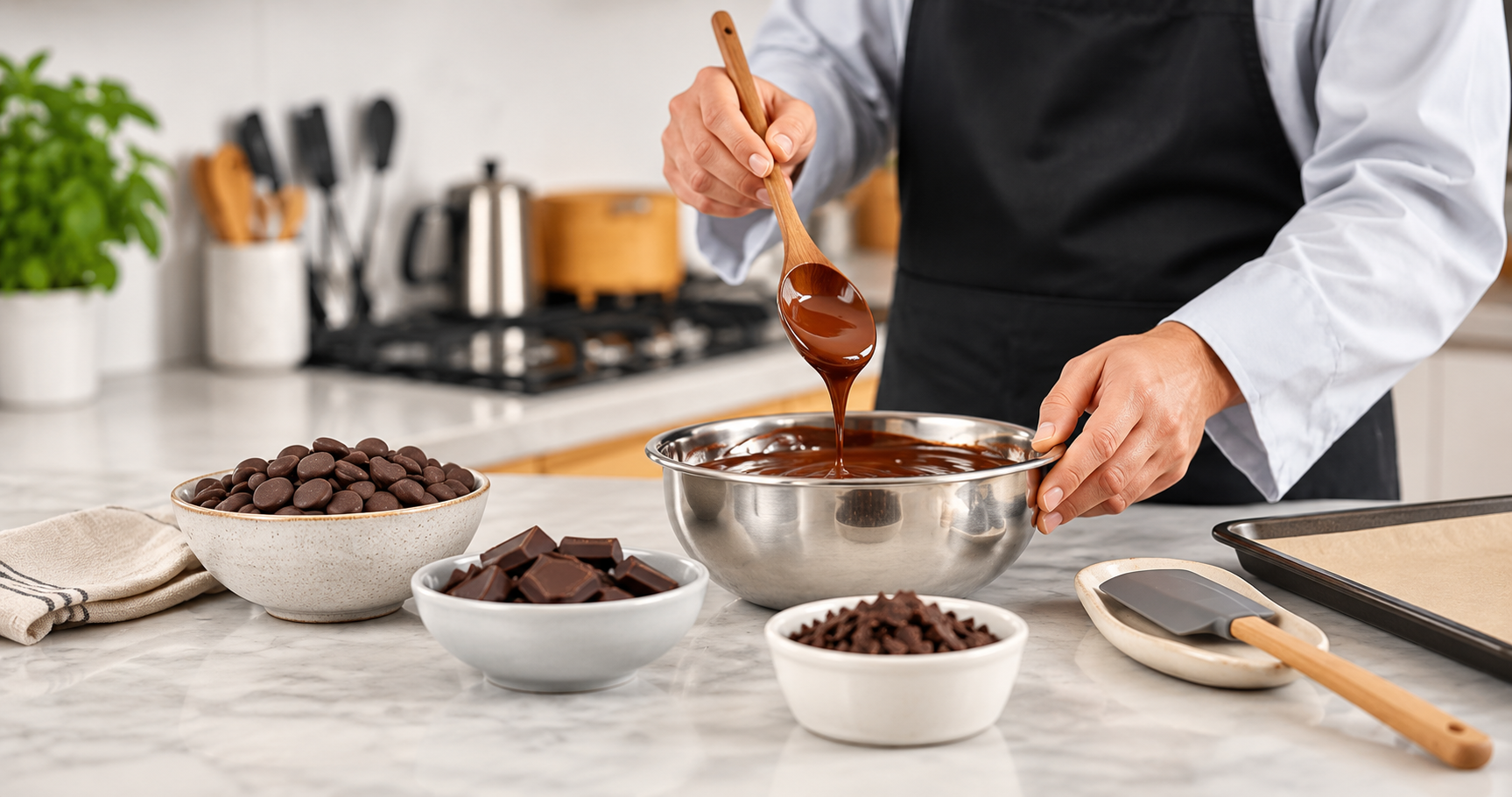
Temper a small amount, make several shells and observe fluidity, release, shine, flavour and storage. A practical test is more reliable than choosing from packaging alone.
Frequently asked questions
Does a higher price guarantee better chocolate?
No. Judge ingredients, handling information, flavour, traceability and suitability for the intended recipe.
Do I need to test a product before buying in bulk?
Yes. Melt, temper or set a small batch with the real filling, packaging and storage conditions.
Which allergens should I check?
Read every label for milk, soya, nuts, gluten and other required allergens, including cross-contact warnings.
How should chocolate products be stored?
Keep plain chocolate cool and dry, and refrigerate finished items when their fillings require it.
Can I rely on marketing claims?
Use specific label definitions, standards and evidence rather than broad words such as premium, healthy or sustainable.
What records should a small seller keep?
Retain supplier labels, batch codes, dates, recipes, yields, temperature notes and customer-facing ingredient information.