
Choose chocolate for flavour
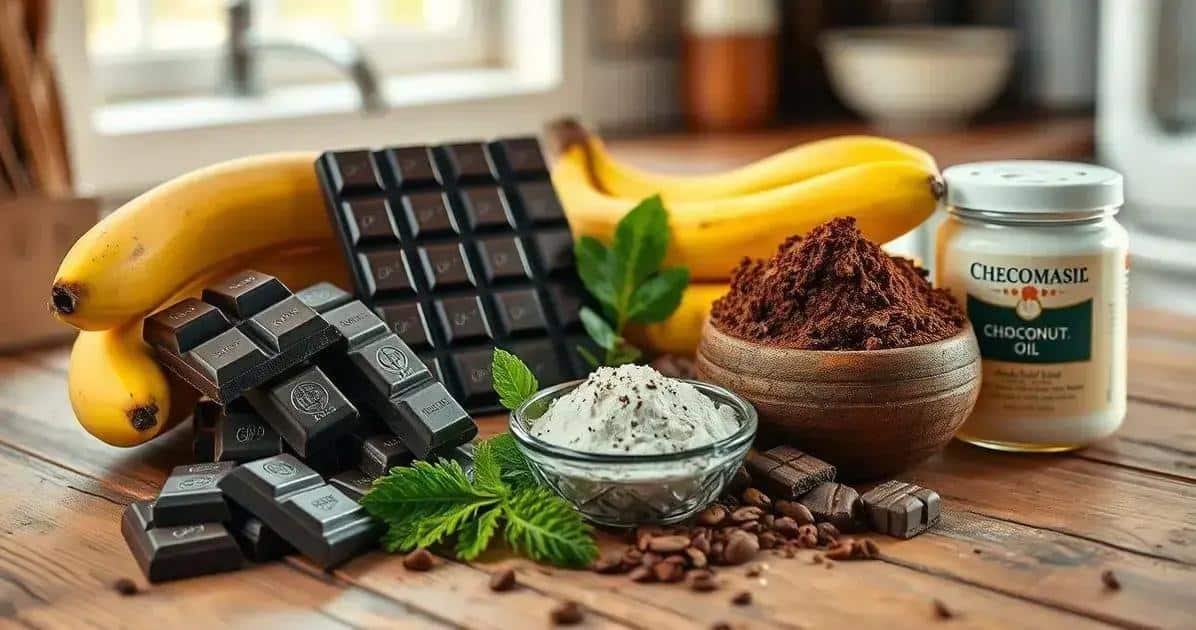
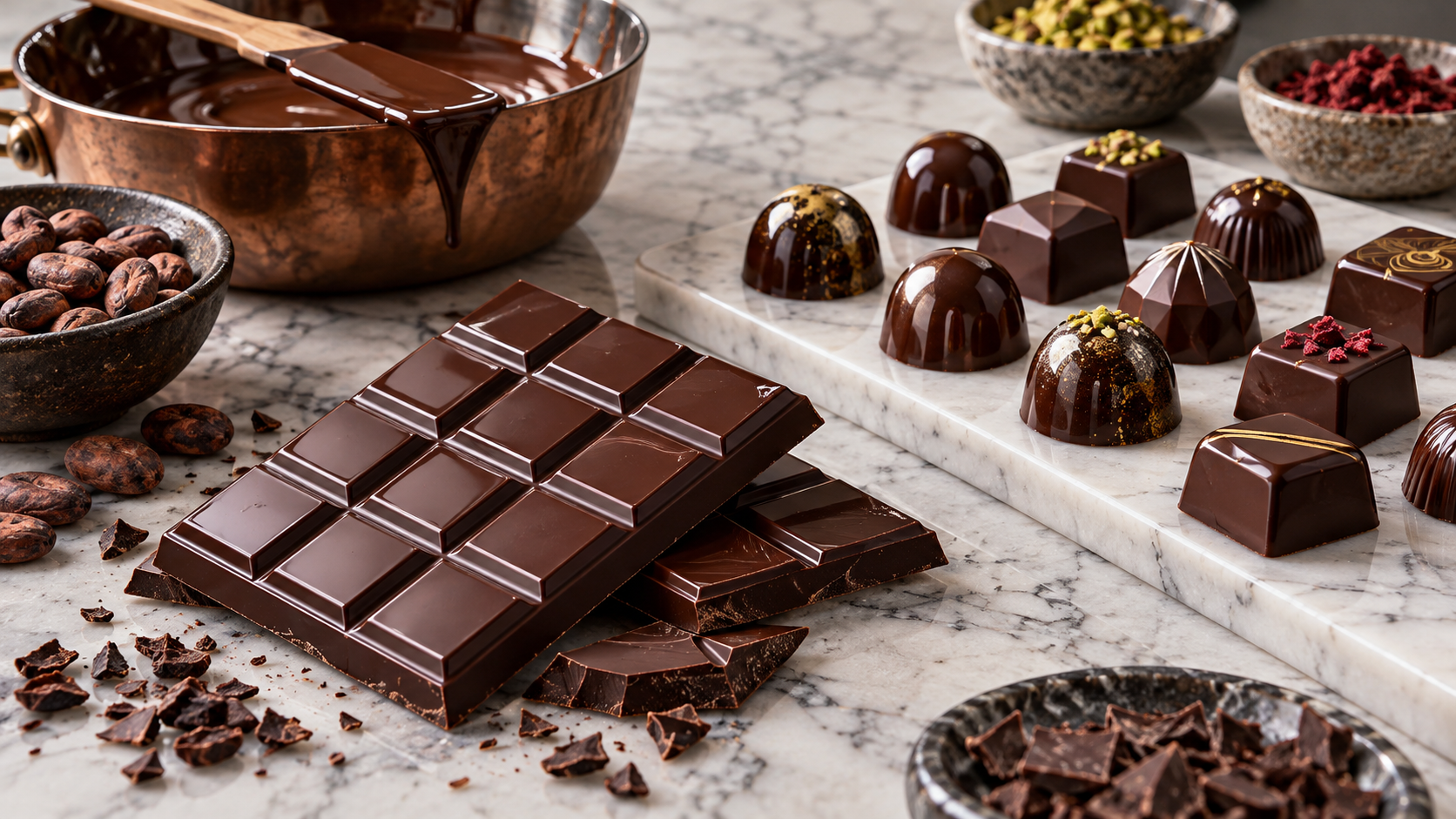
Choose chocolate with a cocoa level you enjoy and read the ingredient list rather than relying on health claims. A more intense bar can give a clear chocolate flavour with a smaller quantity, but it still contributes sugar and fat.
Use a measured amount
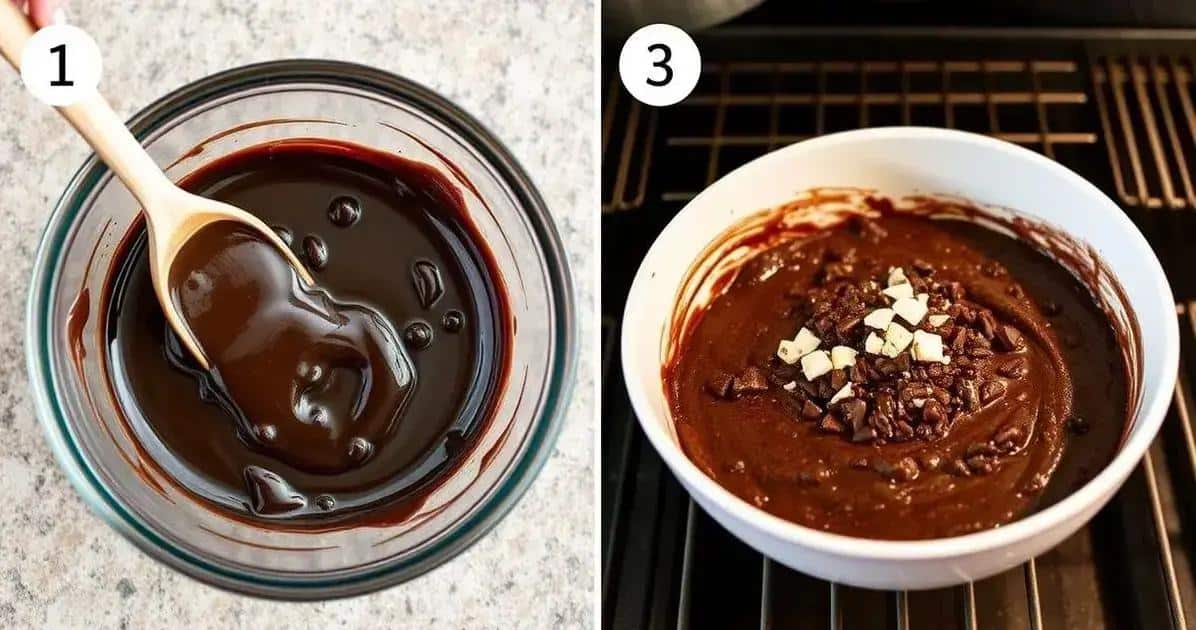
Weigh the chocolate before adding it to porridge, yoghurt, pancakes or baking. Chopping it finely spreads the flavour through the dish and makes a modest amount feel more generous.
Pair it with fruit
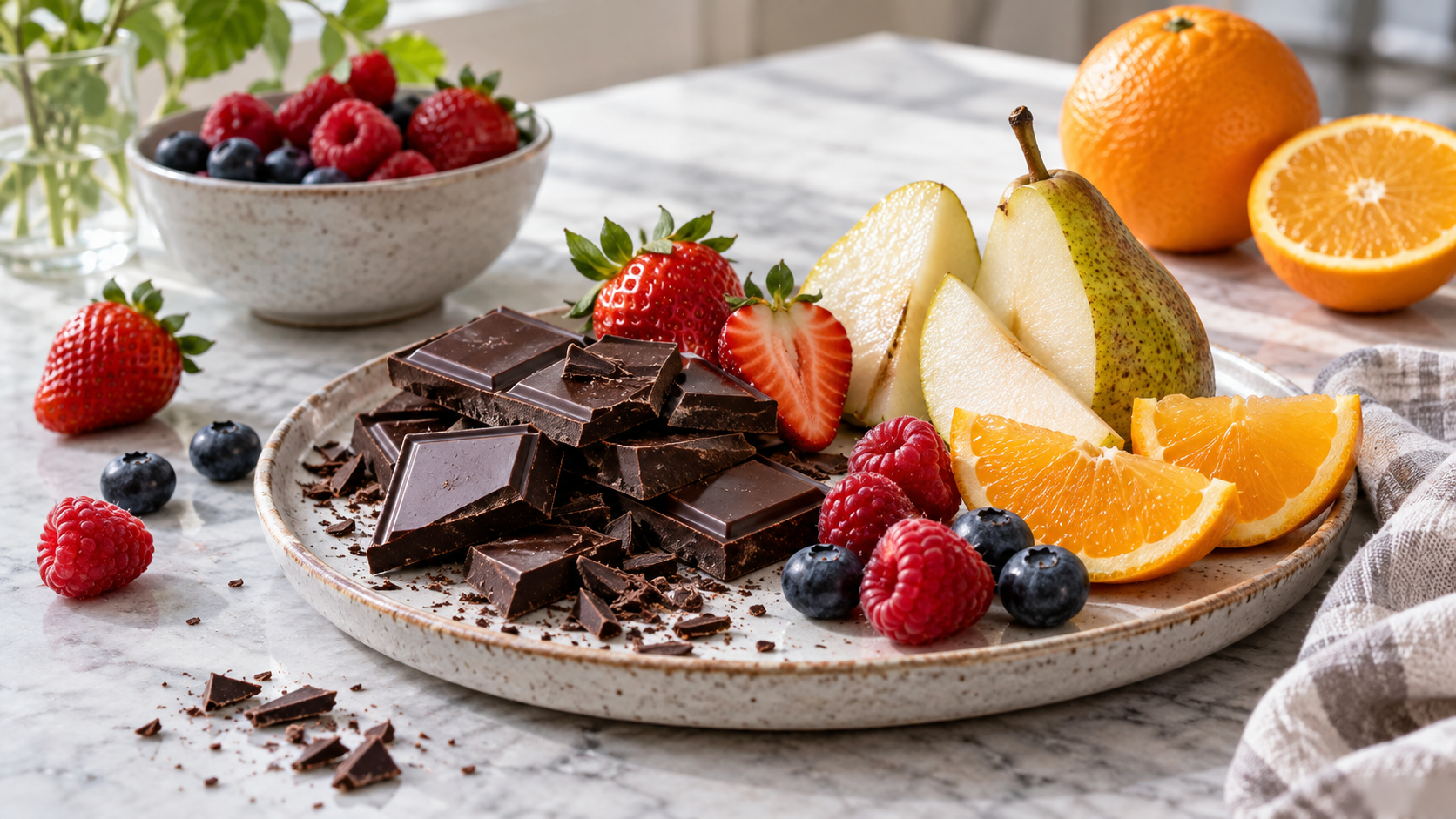
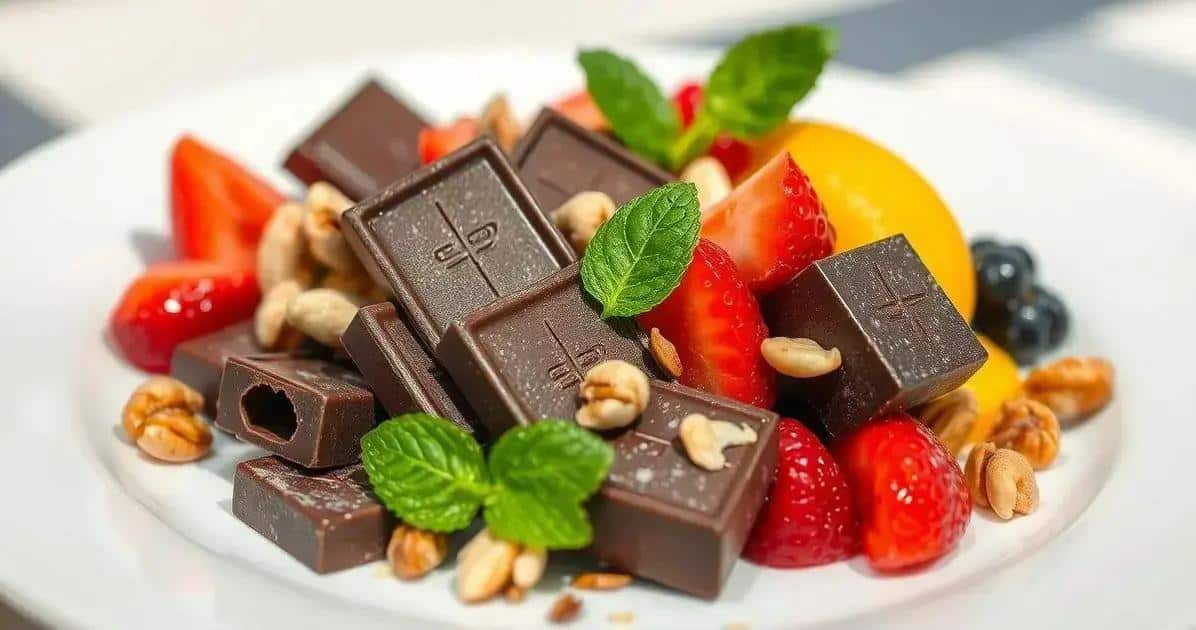
Berries, pears, bananas and oranges all work well with cocoa. Fresh fruit adds flavour and texture, but it does not turn a rich chocolate dessert into an everyday food.
Add texture with nuts and seeds

Toasted nuts, seeds or oats can add crunch and contrast. Check allergens carefully and use unsalted additions when you want the chocolate to remain the main flavour.
Keep portions practical
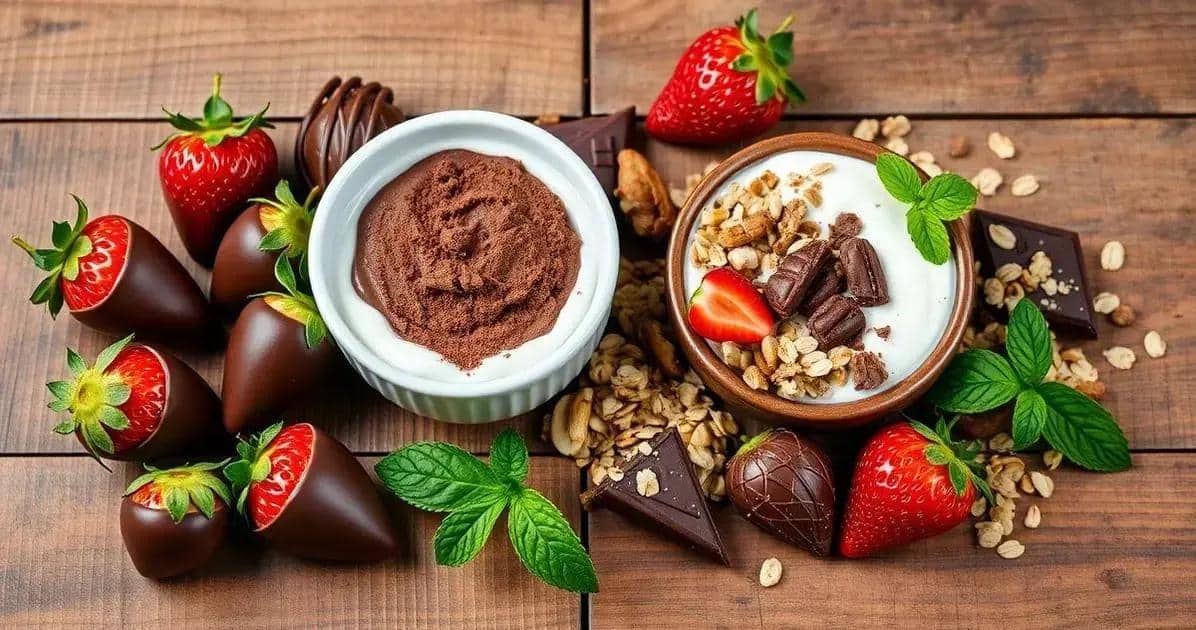
Serve smaller portions alongside fruit or plain yoghurt, and enjoy them slowly. A balanced pattern of eating matters more than presenting one ingredient as a cure or a problem.
Frequently asked questions
Can I use chocolate chips?
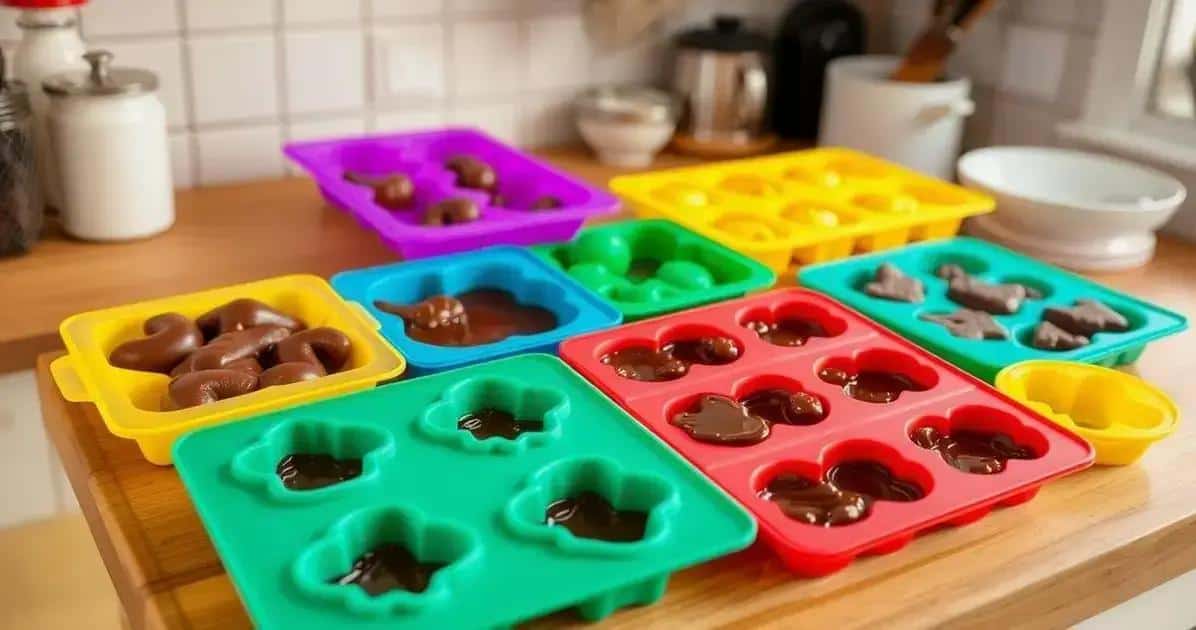
Sometimes. Chips are designed to hold their shape in baking and may be too thick for smooth dipping or moulding.
Can I replace dark chocolate with milk chocolate?
Only when the recipe allows it. The change affects sweetness, firmness and flow, so ratios may need adjustment.
Why has my chocolate turned pale?
Fat bloom or sugar bloom can follow poor tempering, heat changes or condensation. It is usually a quality issue, but check storage and freshness.
How should chocolate be stored?
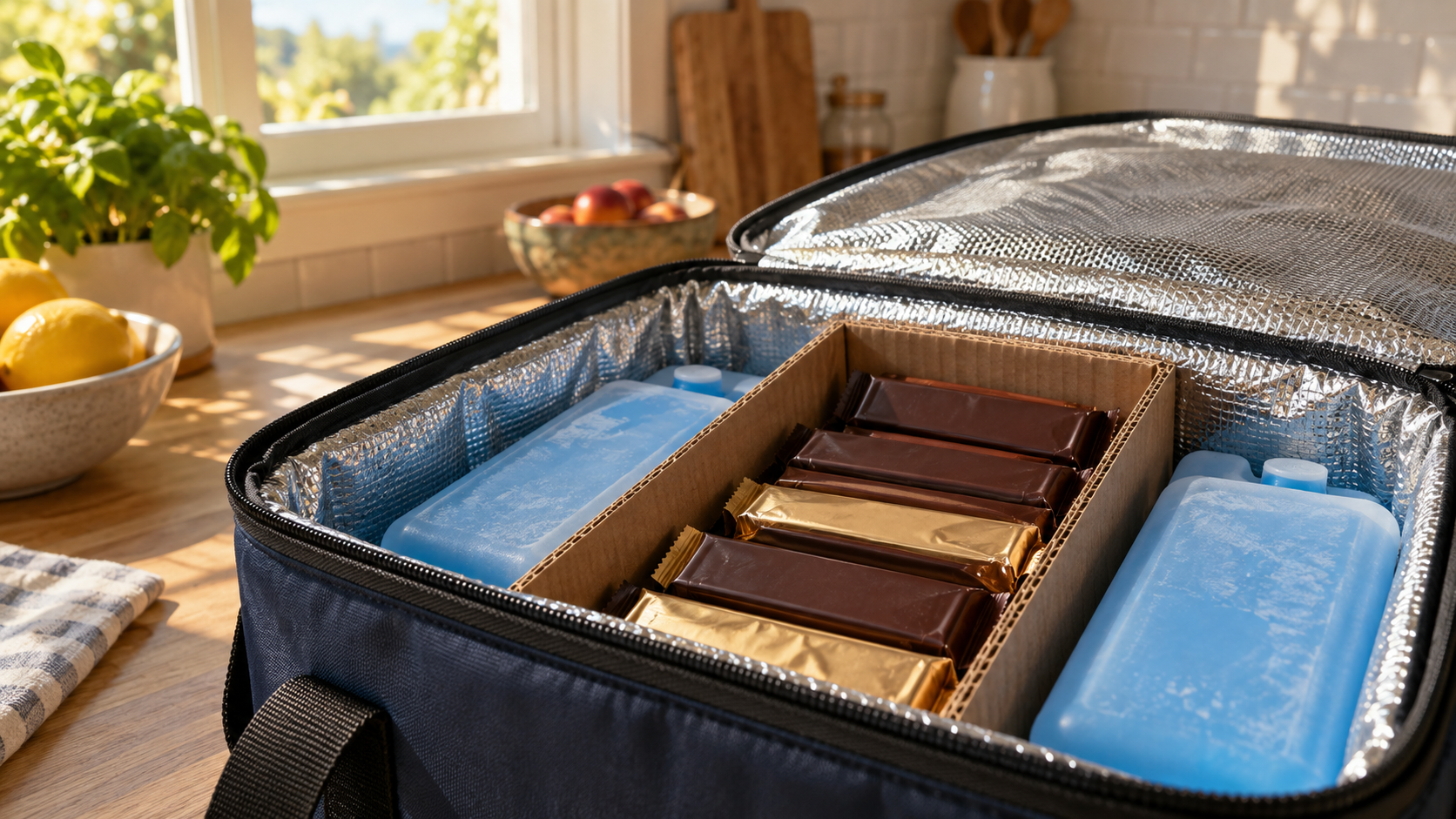
Keep it sealed in a cool, dry place away from sunlight, moisture and strong odours.
Which allergens should I check?
Read every label for milk, soya, nuts, gluten and other relevant allergens, including shared-equipment warnings.
What is the safest approach for gifts?
Use clean food-safe packaging and include ingredients, allergens, the preparation date and clear storage guidance.