
Choose a safe fondue format
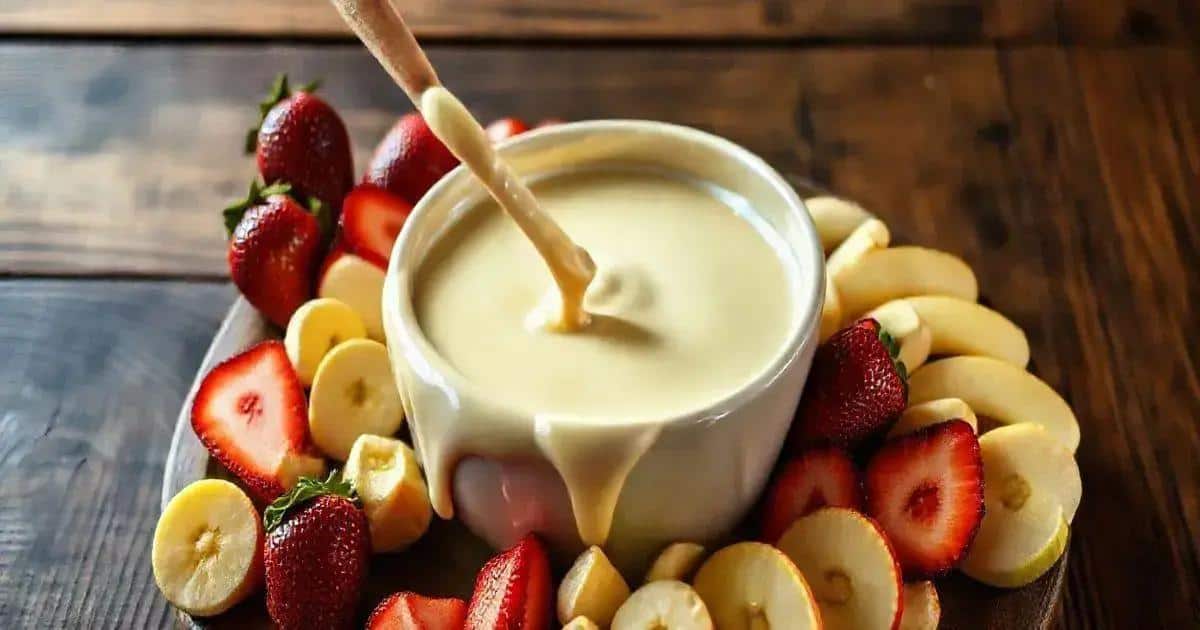
A gift box can contain sealed chocolate, skewers and shelf-stable dippers, while the recipient supplies fresh cream or milk. This format travels more safely than sending a ready-made dairy fondue without temperature control.
Select chocolate and dippers
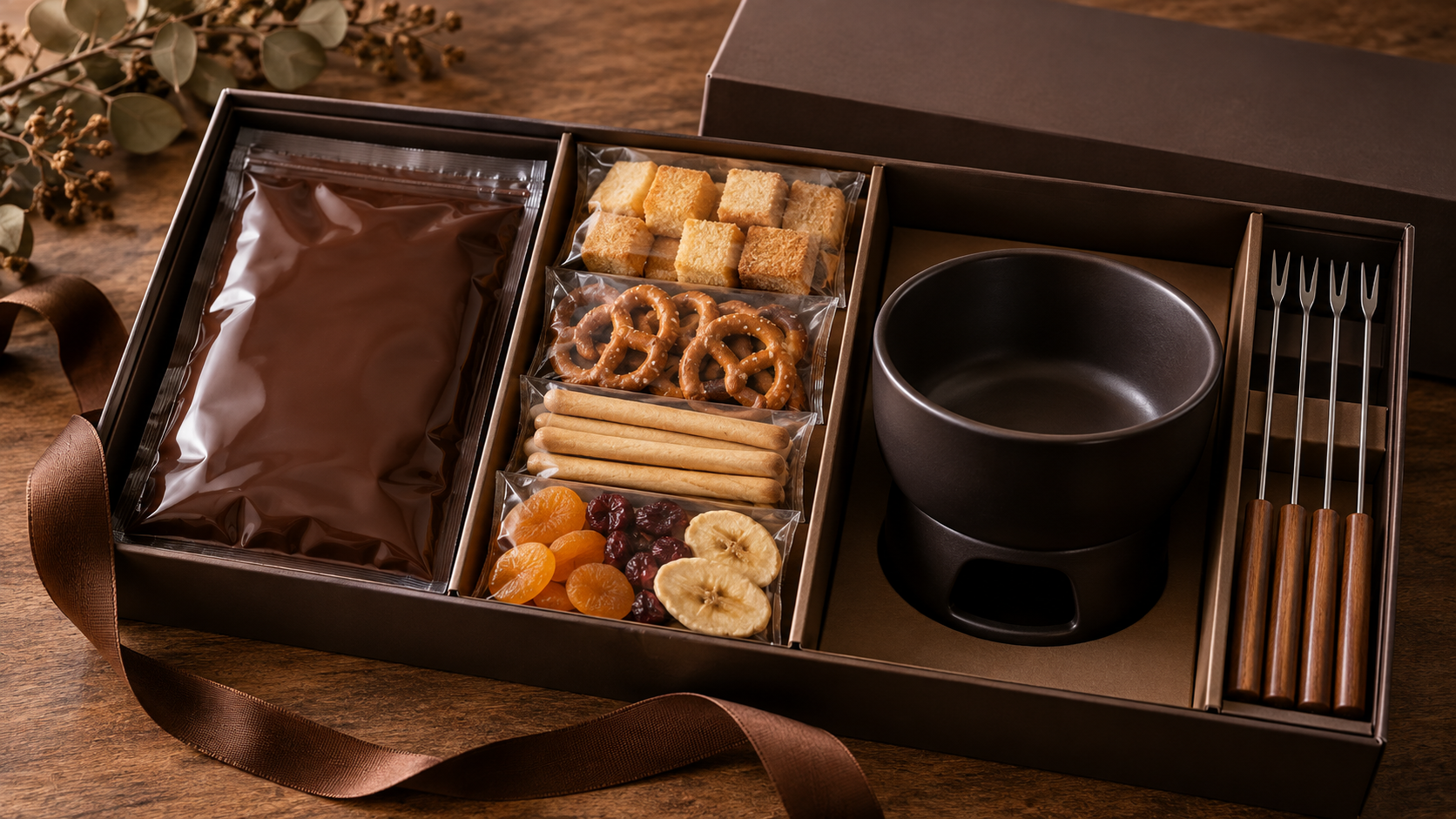
Choose chocolate intended for melting and provide a tested quantity. Suitable dry dippers include biscuits, marshmallows and pretzels. Fresh fruit should be purchased or added close to serving and washed and dried before dipping.
Keep perishable items separate

Do not place wet fruit beside biscuits or chocolate. Keep nuts and other allergens in sealed labelled compartments. If cream or another chilled item is included, use a validated cold chain and a short delivery window.
Include clear heating instructions
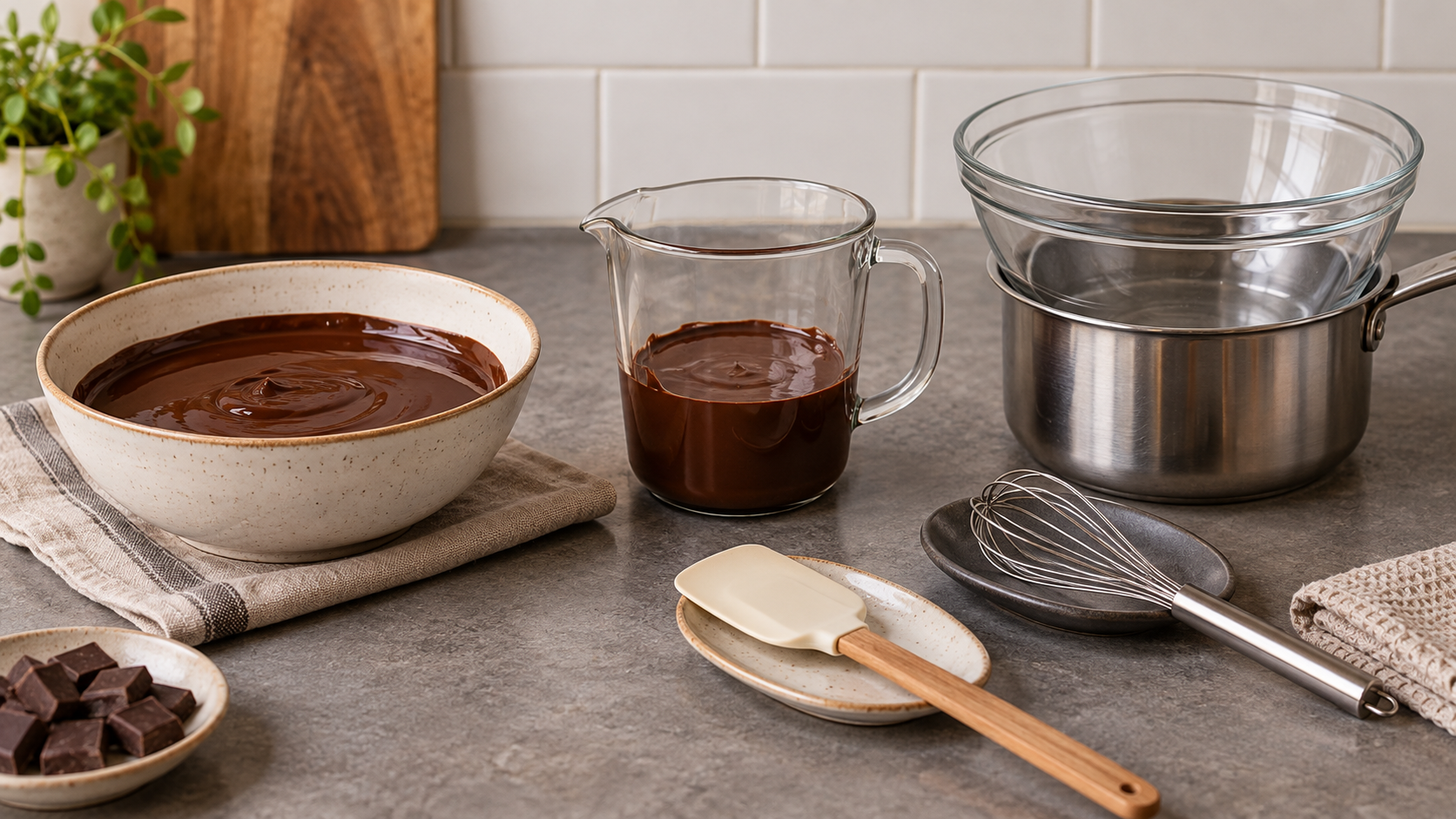
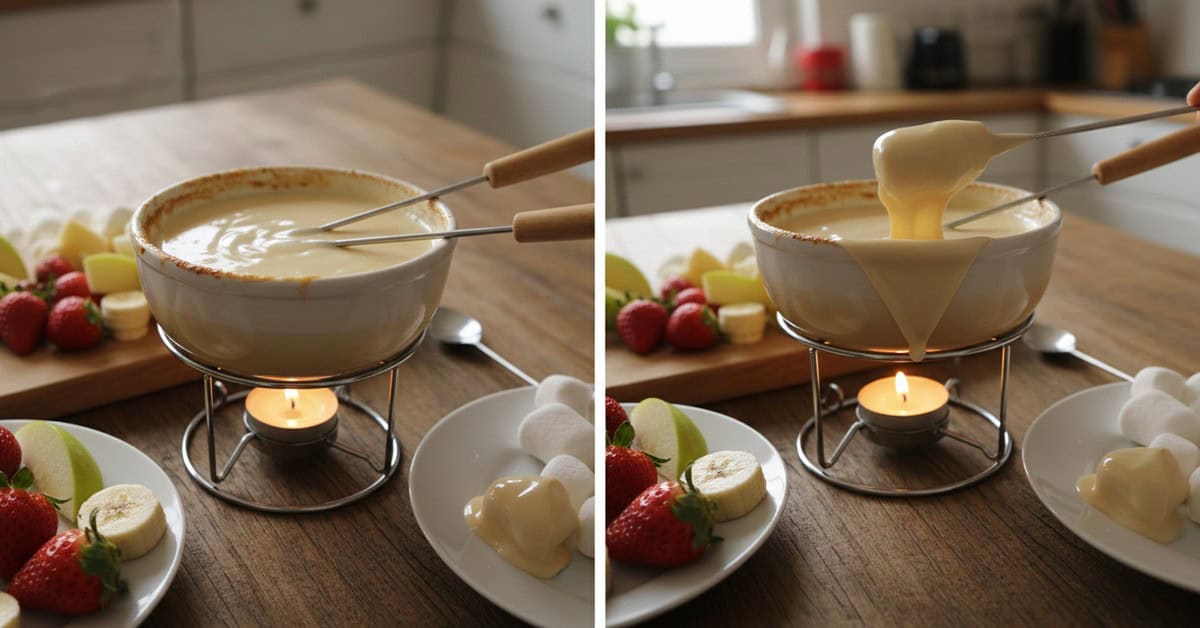
Give instructions for gentle microwave intervals or a bowl over barely simmering water. The bowl must remain dry. State that children need adult supervision and that chocolate and fondue vessels can become very hot.
Pack and deliver the box
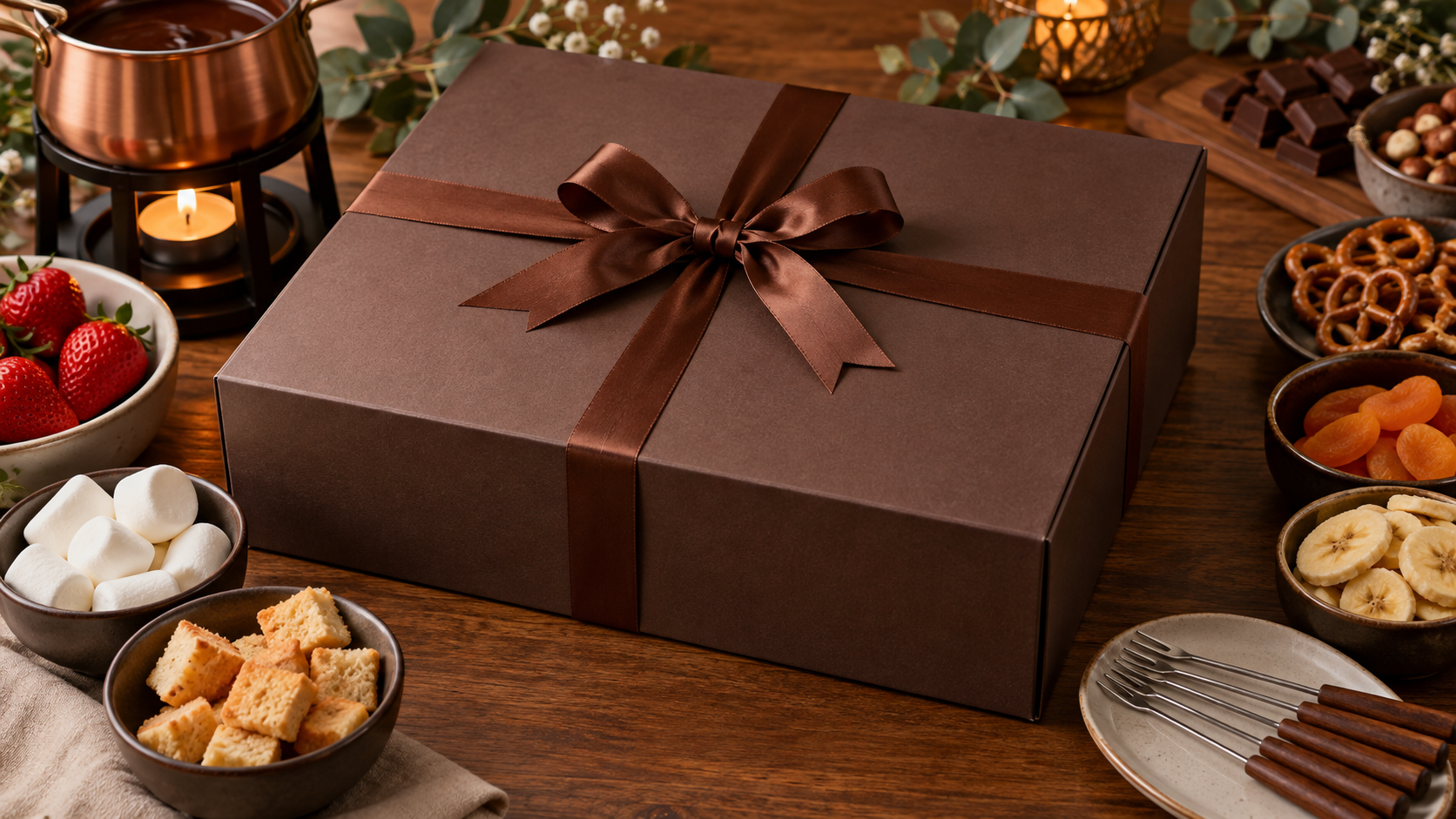
Use food-safe dividers, protect skewers and make non-edible items obvious. Add full ingredients, allergens, storage and durability information. Deliver away from heat and explain that leftover fondue contaminated by dipping should not be stored for reuse.
Frequently asked questions
Why was the source rewritten rather than translated literally?
It needed recipe, historical, cultural or safety correction, so the useful topic was rebuilt directly in British English.
Can alcohol or caffeine be ignored in a small sweet?
No. Identify it clearly and keep the product for an appropriate audience.
How should allergens be handled?
Check every current pack, consider cross-contact and keep accurate ingredient information with the finished food.
Can a storage period be copied from another recipe?
No. Validate storage and shelf life for the actual ingredients, process and packaging.
Are custom moulds automatically food-safe?
No. Materials, manufacture, surface finish and intended food contact all need confirmation.
How should cultural or historical claims be checked?
Use primary records, cultural institutions and community sources, and state uncertainty instead of inventing a link.