
Choose safe spoons and chocolate
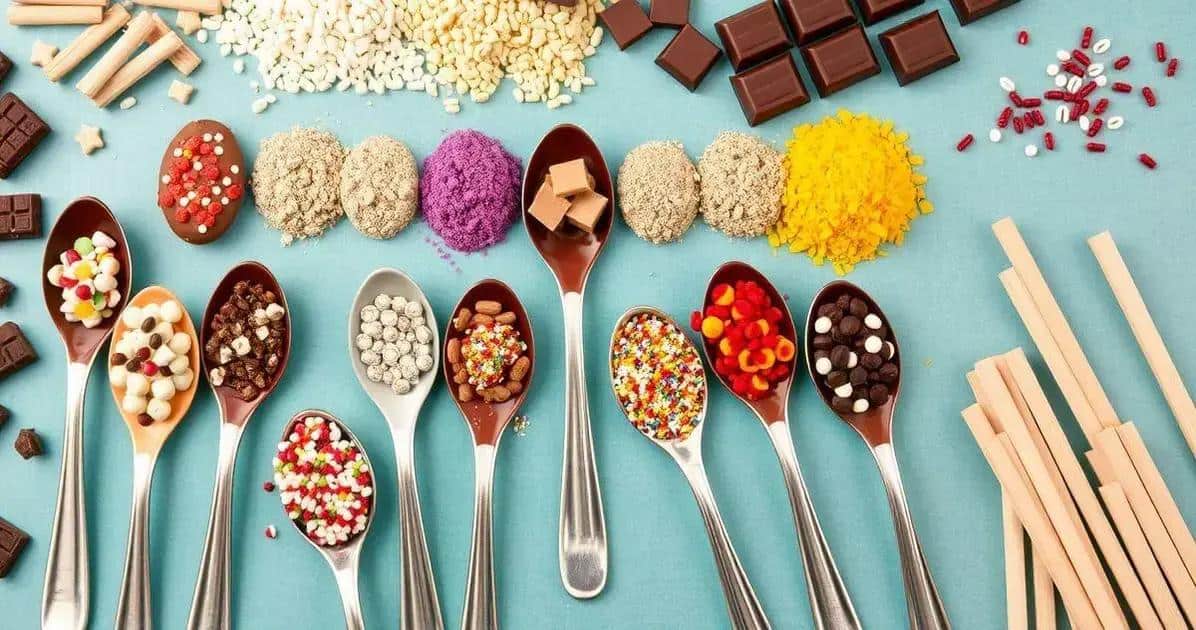
Use food-safe spoons or moulds designed for confectionery. Choose couverture for a crisp finish or a suitable coating when tempering is not practical.
Prepare the mould or spoon
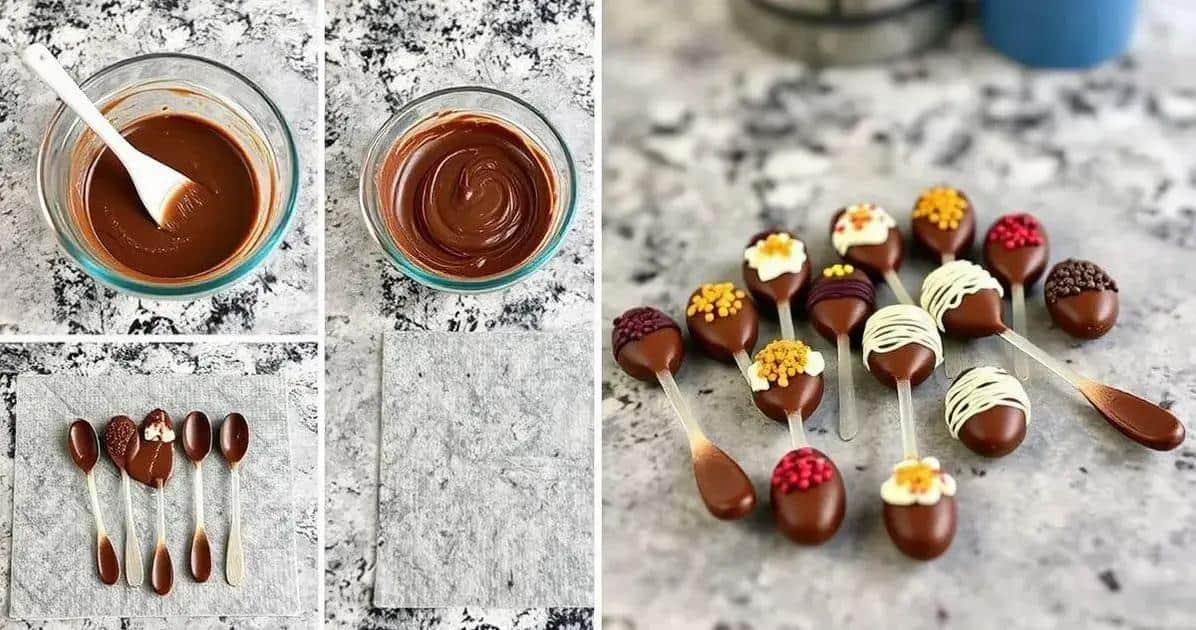
Make sure every surface is clean and dry. If coating a spoon, dip only the bowl and let excess chocolate drain; if moulding, fill evenly and tap out bubbles.
Add simple flavours
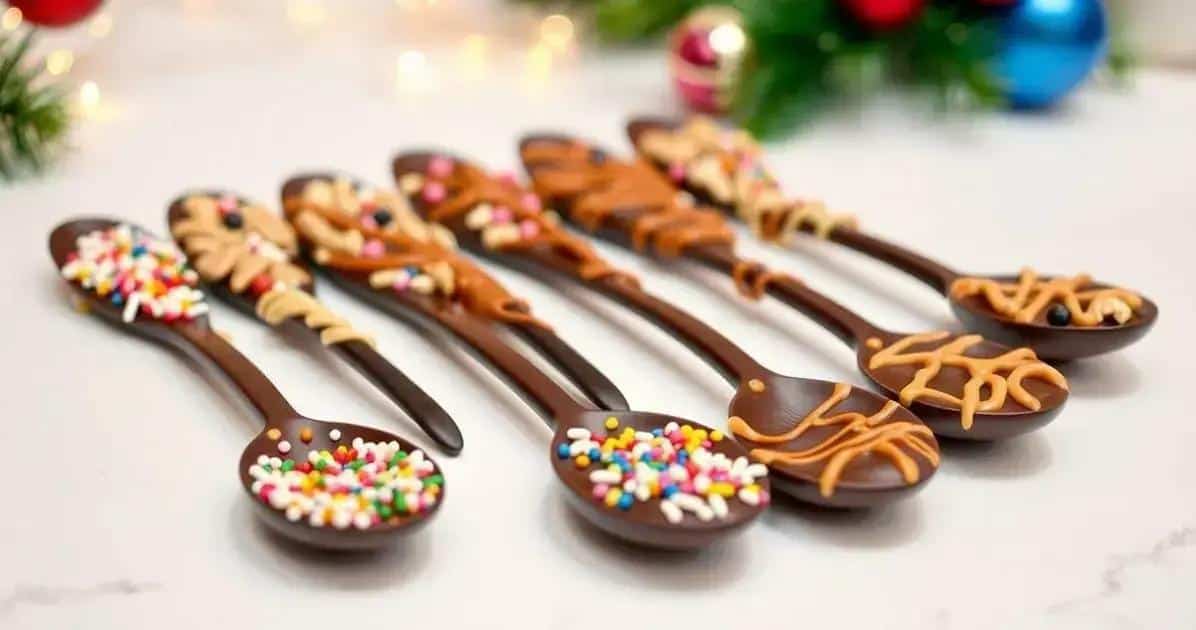
Add small dry toppings such as cocoa nibs, crushed biscuit or freeze-dried fruit. Avoid large hard pieces and wet ingredients.
Allow a clean set

Let tempered chocolate crystallise in a cool dry place. Do not rush it in the freezer because condensation can dull the surface.
Wrap and label
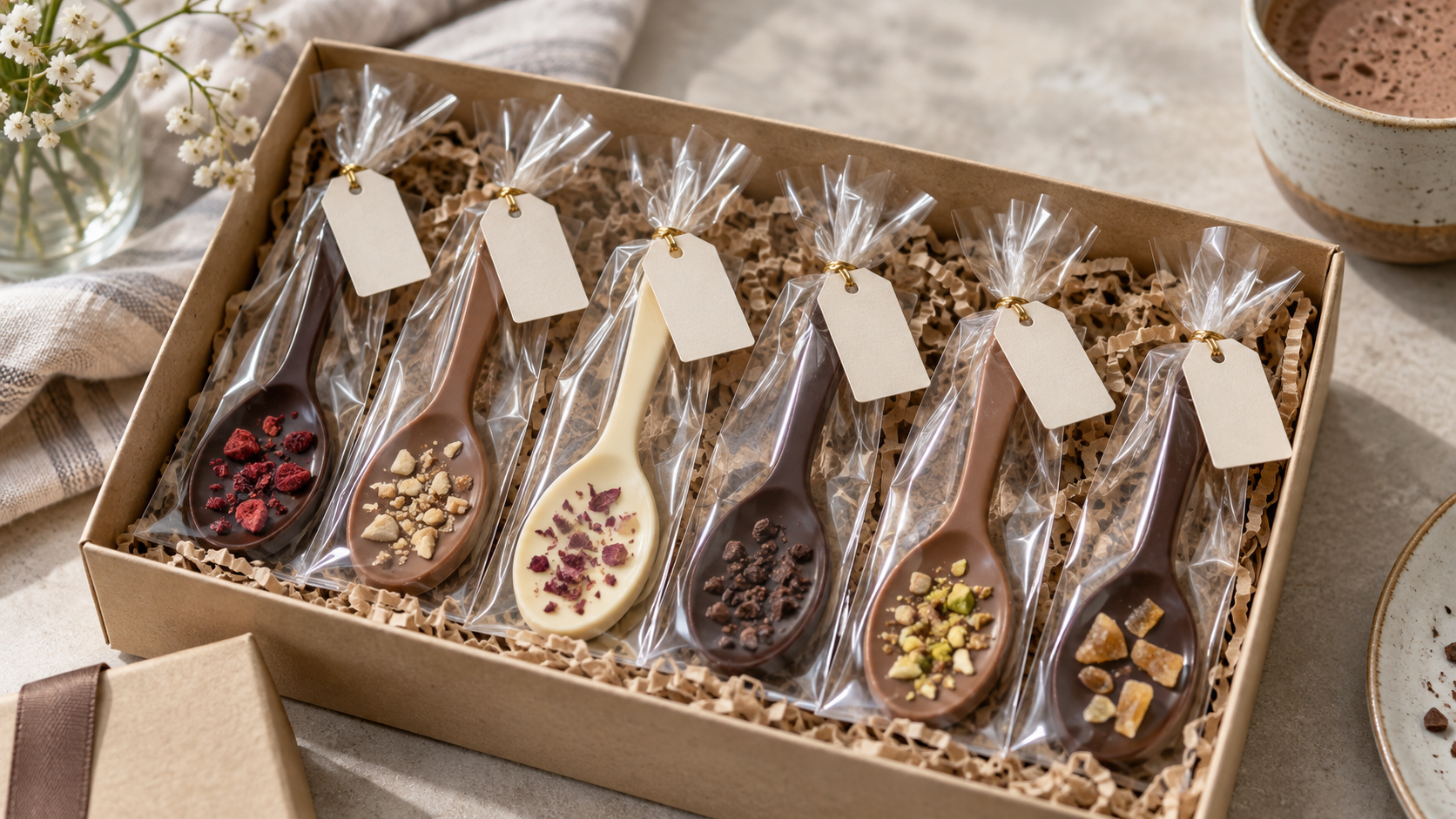
Seal each spoon in food-safe packaging and list ingredients, allergens and a best-before date based on the ingredients used.
How to use them
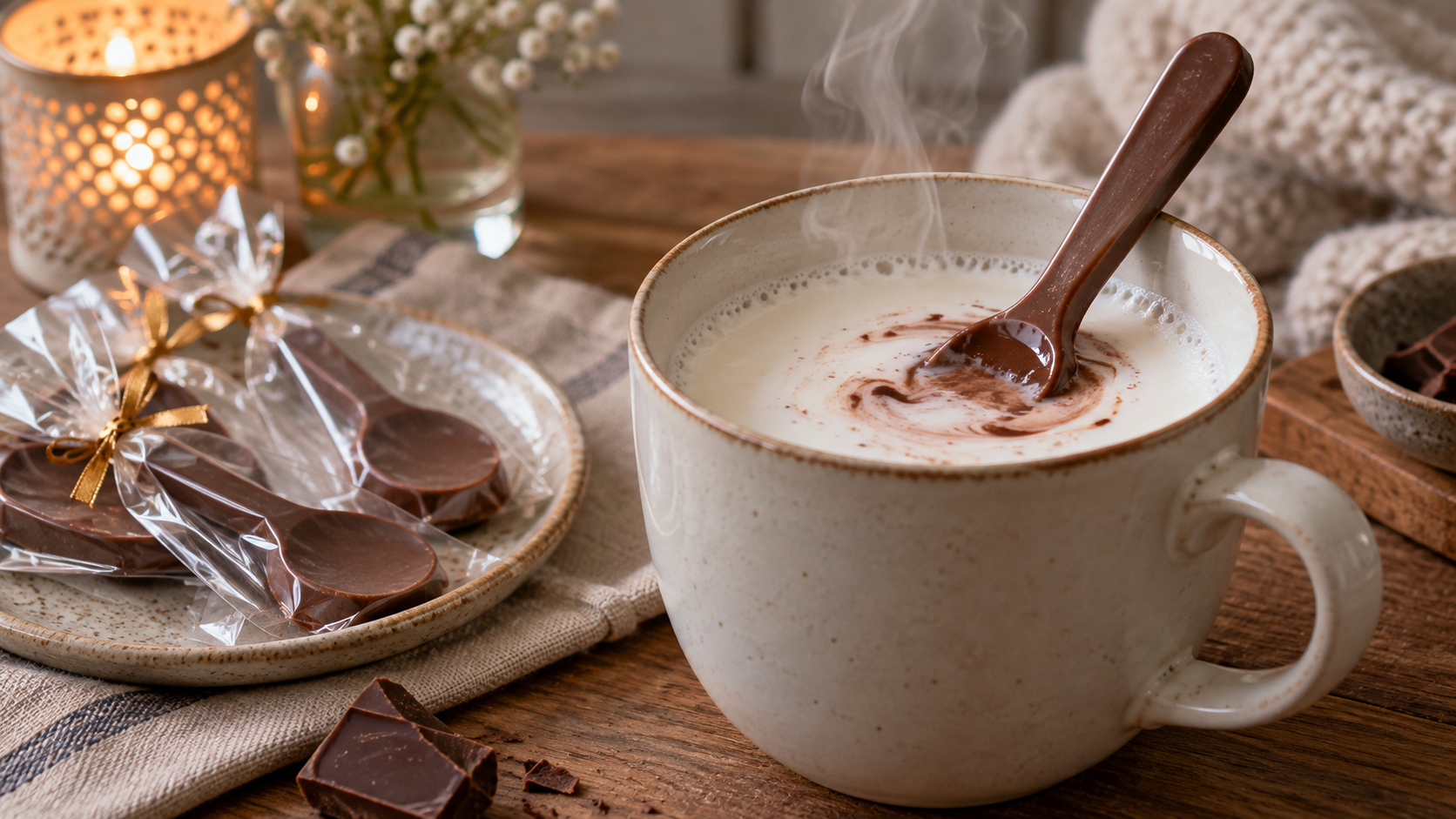
Stir one spoon into a mug of hot milk or a compatible plant drink until melted. Supervise children around hot drinks and rigid spoon handles.
Frequently asked questions
Can I prepare it ahead?
Yes. Use the storage guidance in the article and keep perishable components chilled.
Can I change the chocolate?
Yes, although cocoa percentage changes sweetness, flow and firmness, so test a small amount first.
How should it be stored?
Keep plain chocolate cool and dry, and refrigerate items with fresh cream, fruit or other perishable fillings.
Can it be posted?
Only stable, well-packaged items should be posted, with temperature and delivery time considered.
Which allergens should I check?
Check every label for milk, gluten, soya, eggs, nuts and any other allergens in the ingredients used.
What gives the best finish?
Measure carefully, keep equipment dry and control chocolate temperature throughout the process.