
Define the kind of heritage claim

Cacao can be discussed as agricultural, culinary, social and historical heritage. “Heritage of humanity” has a formal sound, so identify the exact register, institution, place and year rather than using it as a general compliment.
Start with Indigenous histories
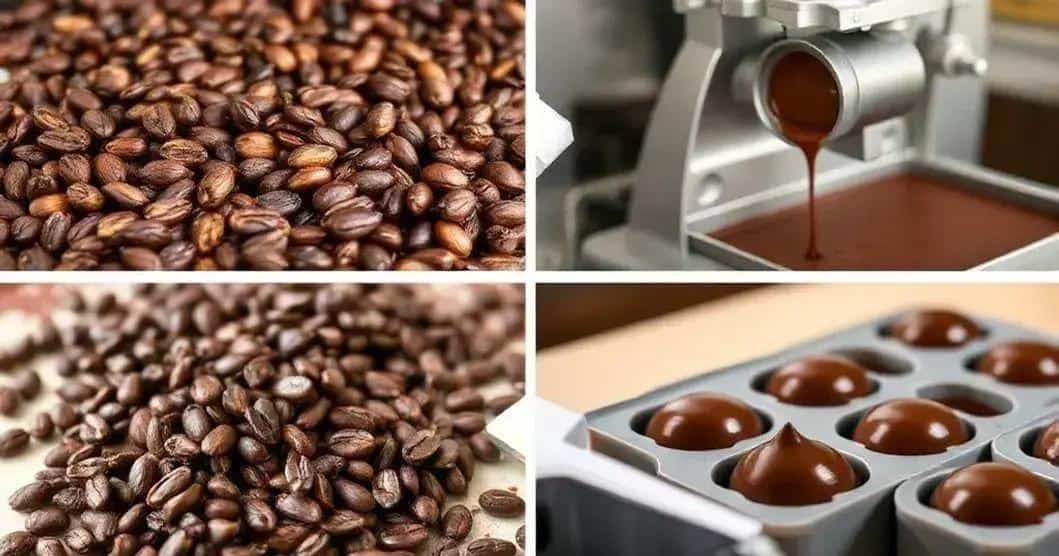
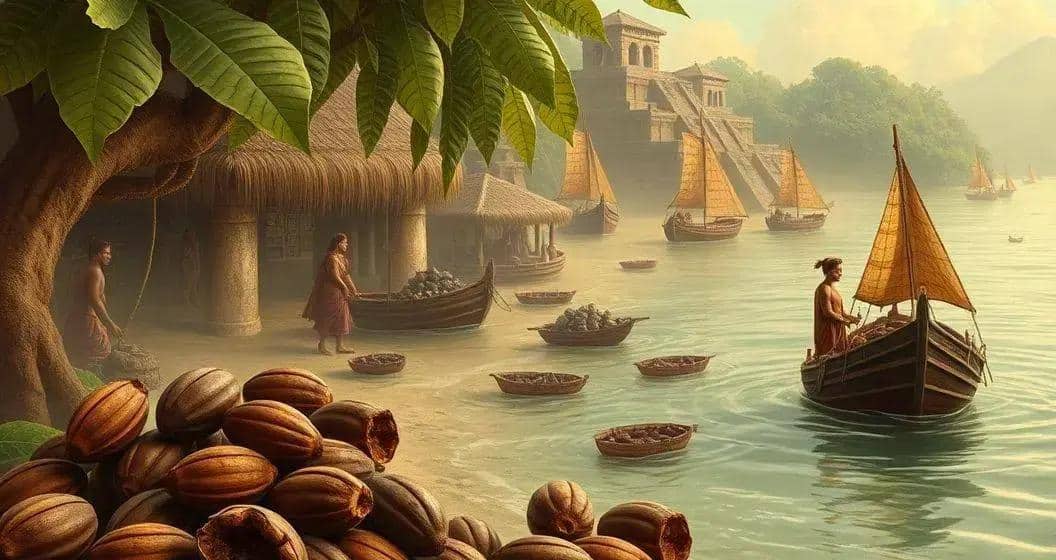
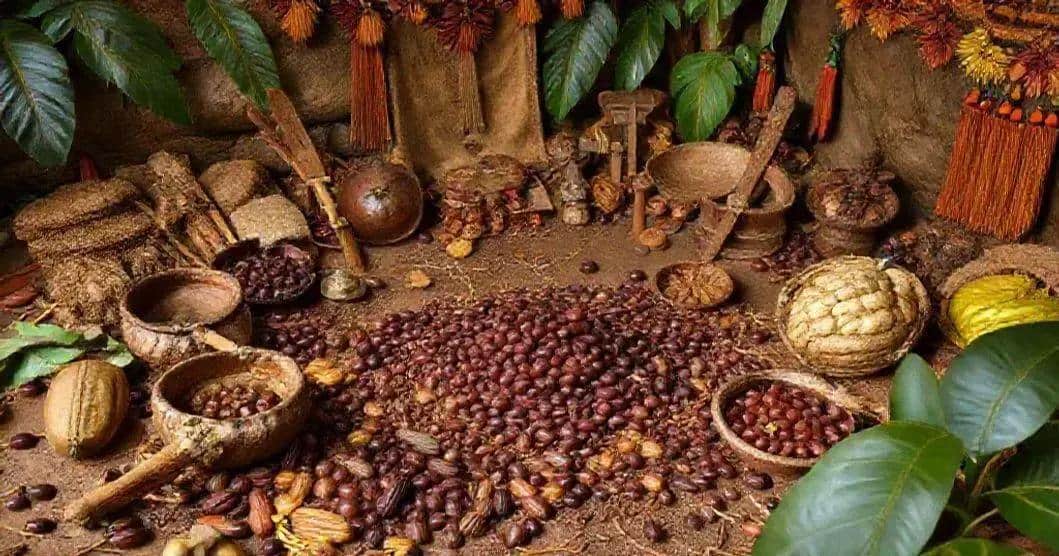
Cacao was cultivated and used by Indigenous peoples of the Americas long before European contact. Different communities had different drinks, foods, exchanges and meanings; one simplified origin story cannot represent them all.
Use official recognition precisely
UNESCO and national heritage bodies recognise specific practices, places and traditions under defined criteria. Recognition of one element does not automatically cover cacao everywhere or certify every commercial product.
Connect landscapes and livelihoods
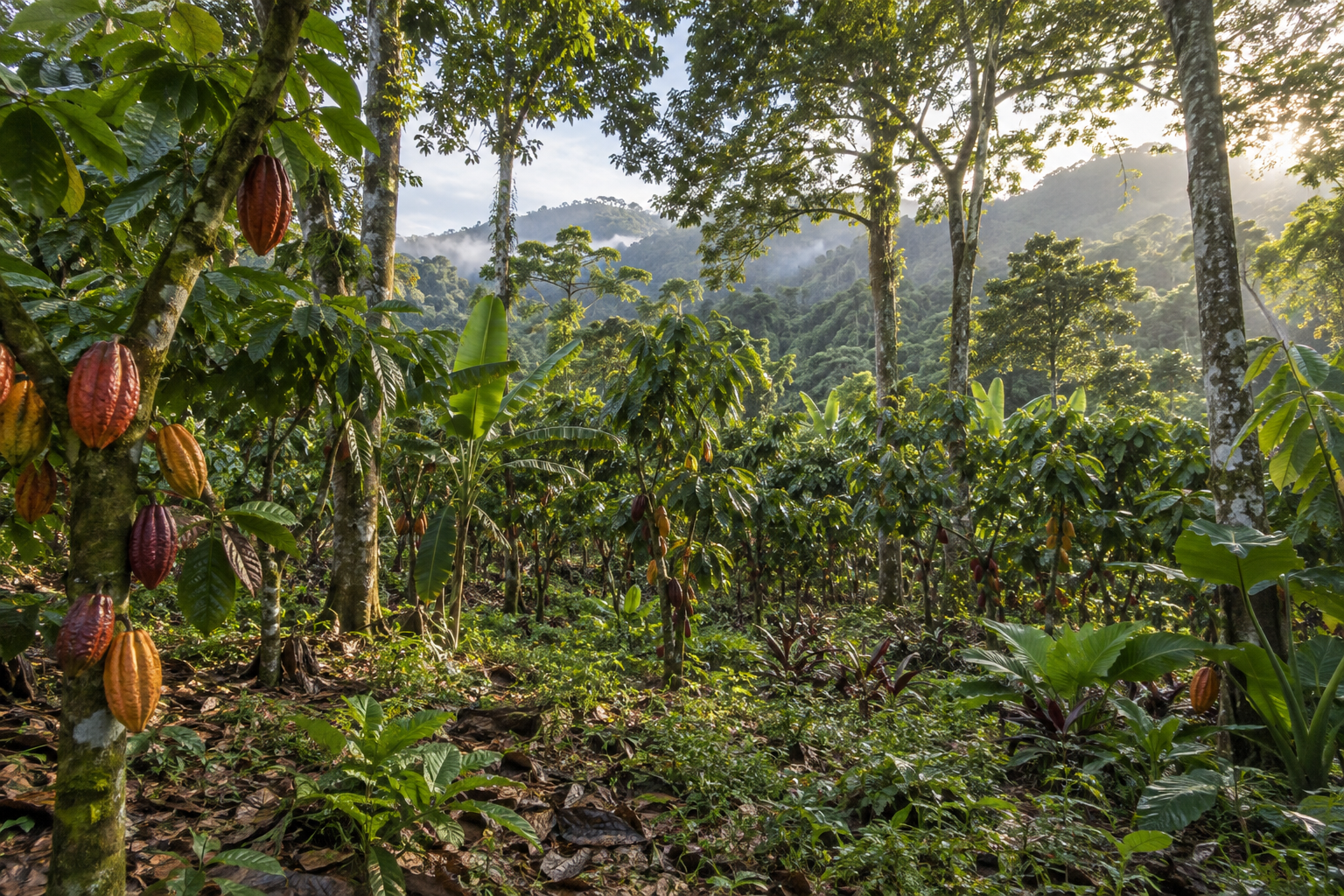
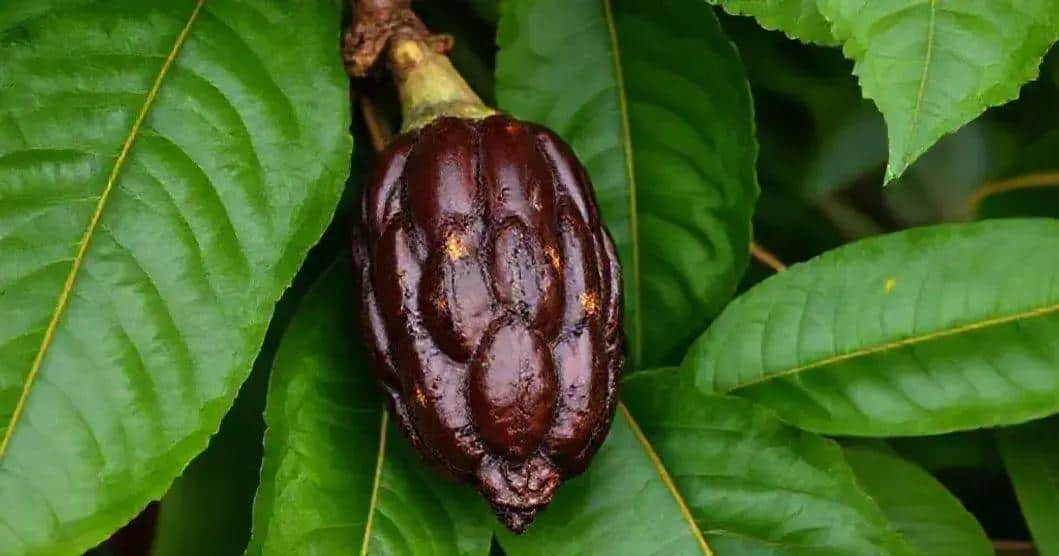
In Brazil and other producing countries, cacao is tied to farming knowledge, forests, migration, labour and regional cuisine. Heritage protection should include living communities, fair income and environmental care.
Avoid turning heritage into a health claim
Historical importance does not prove that chocolate prevents disease. Nutrition depends on the product, portion and wider diet, while many bars contain substantial sugar and saturated fat.
Support community-led interpretation
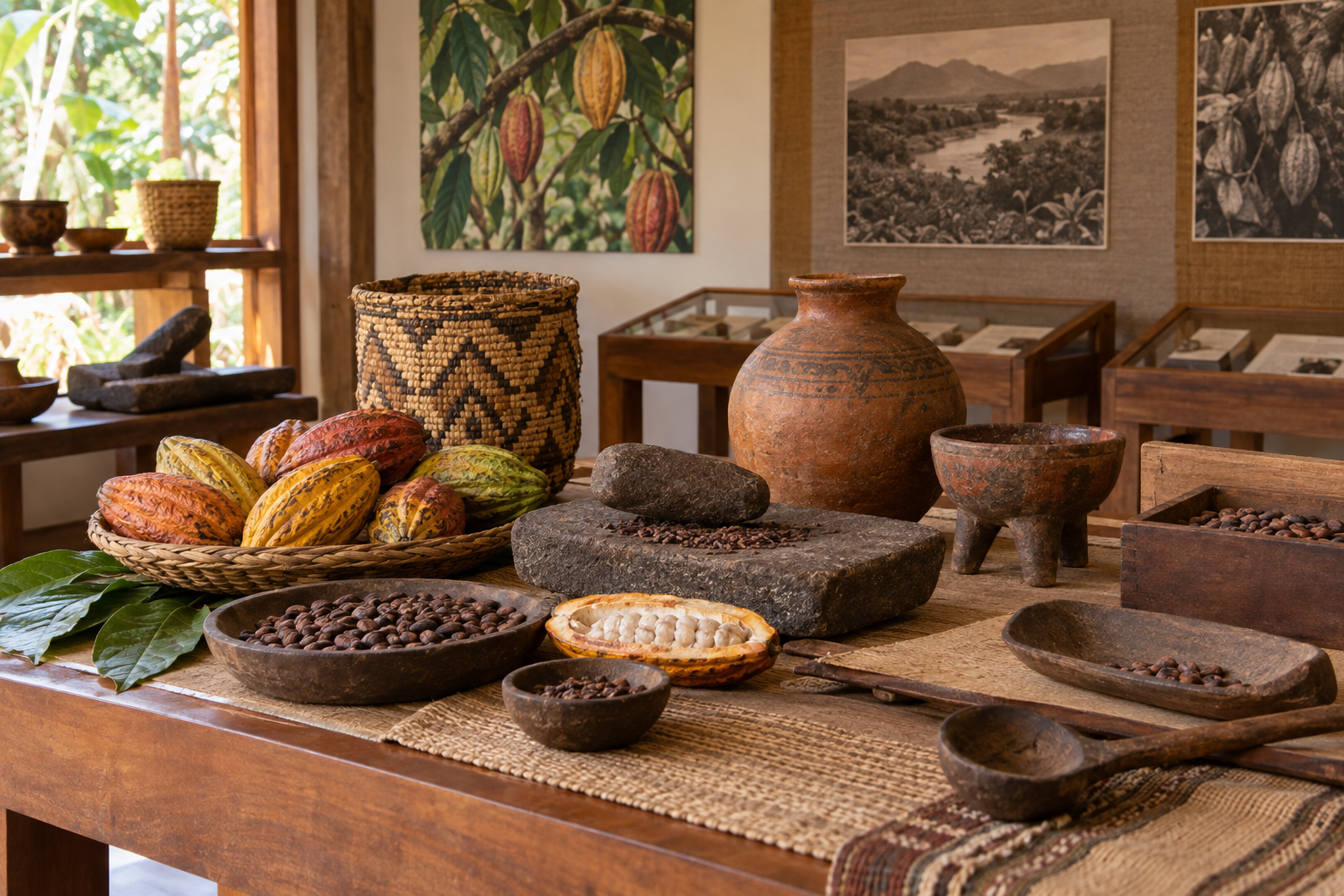
Prefer museums, archives, Indigenous and producer organisations, oral histories gathered with consent and official register entries. Credit knowledge holders and avoid extracting sacred or private traditions for marketing.
Frequently asked questions
Why was the original article rewritten?
Unsupported historical, commercial, cultural or safety claims were replaced with cautious practical guidance while preserving the useful subject.
How should a famous “first” be checked?
Use named contemporary evidence such as an archive, patent, menu, catalogue or well-supported specialist history.
Can promotional language be treated as evidence?
No. Advertising and event copy can suggest leads, but independent evidence is needed for factual claims.
What should be checked before serving chocolate?
Check ingredients, allergens, storage, temperature, shelf life and cross-contact risks.
Does expensive or limited chocolate guarantee quality?
No. Price and scarcity may reflect many factors; ingredients, traceability, freshness and sensory quality still need assessment.
How should an adaptation be described?
State clearly which details are modern choices and which are supported by historical or technical sources.