
Define the work before interpreting it
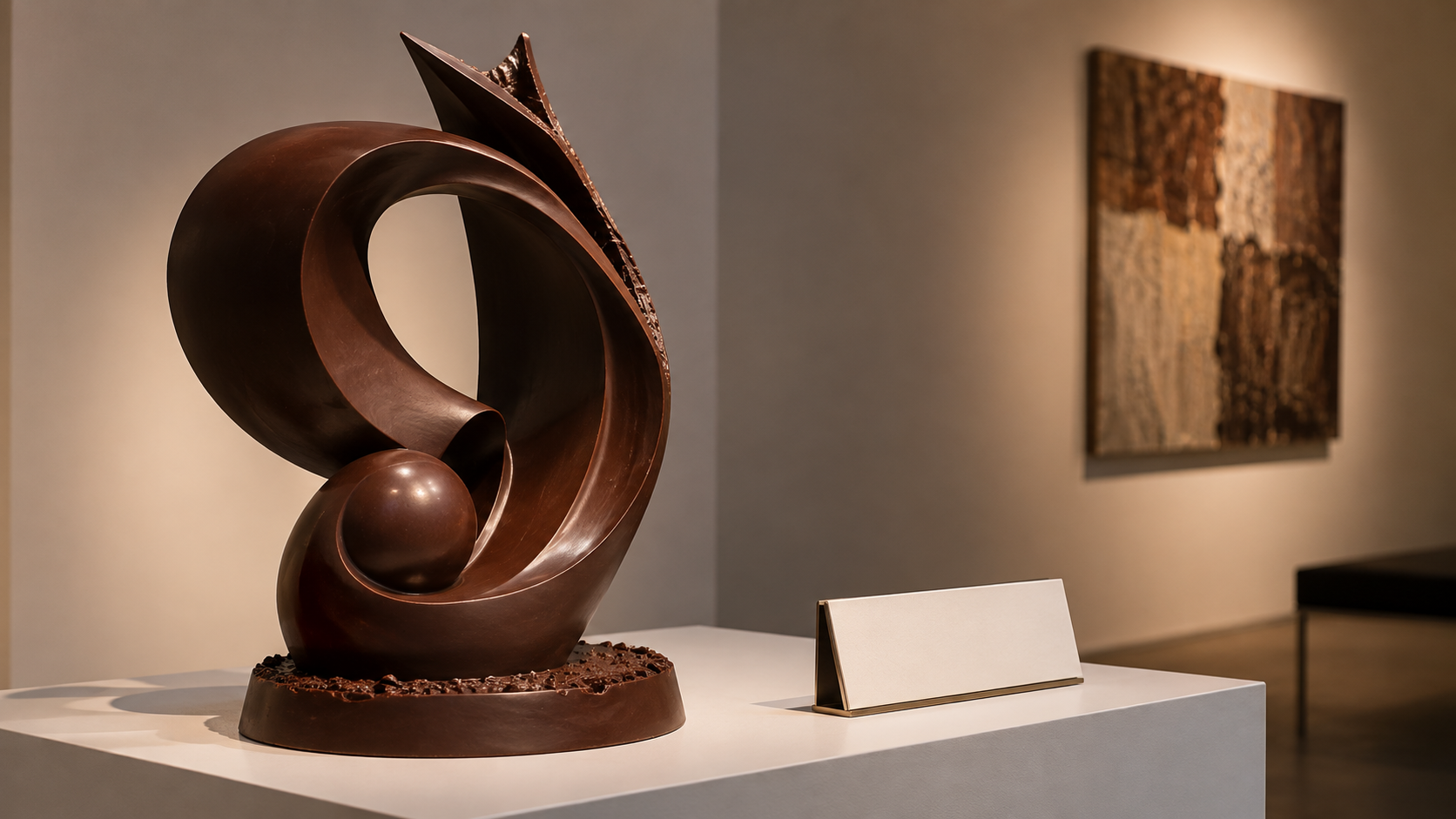
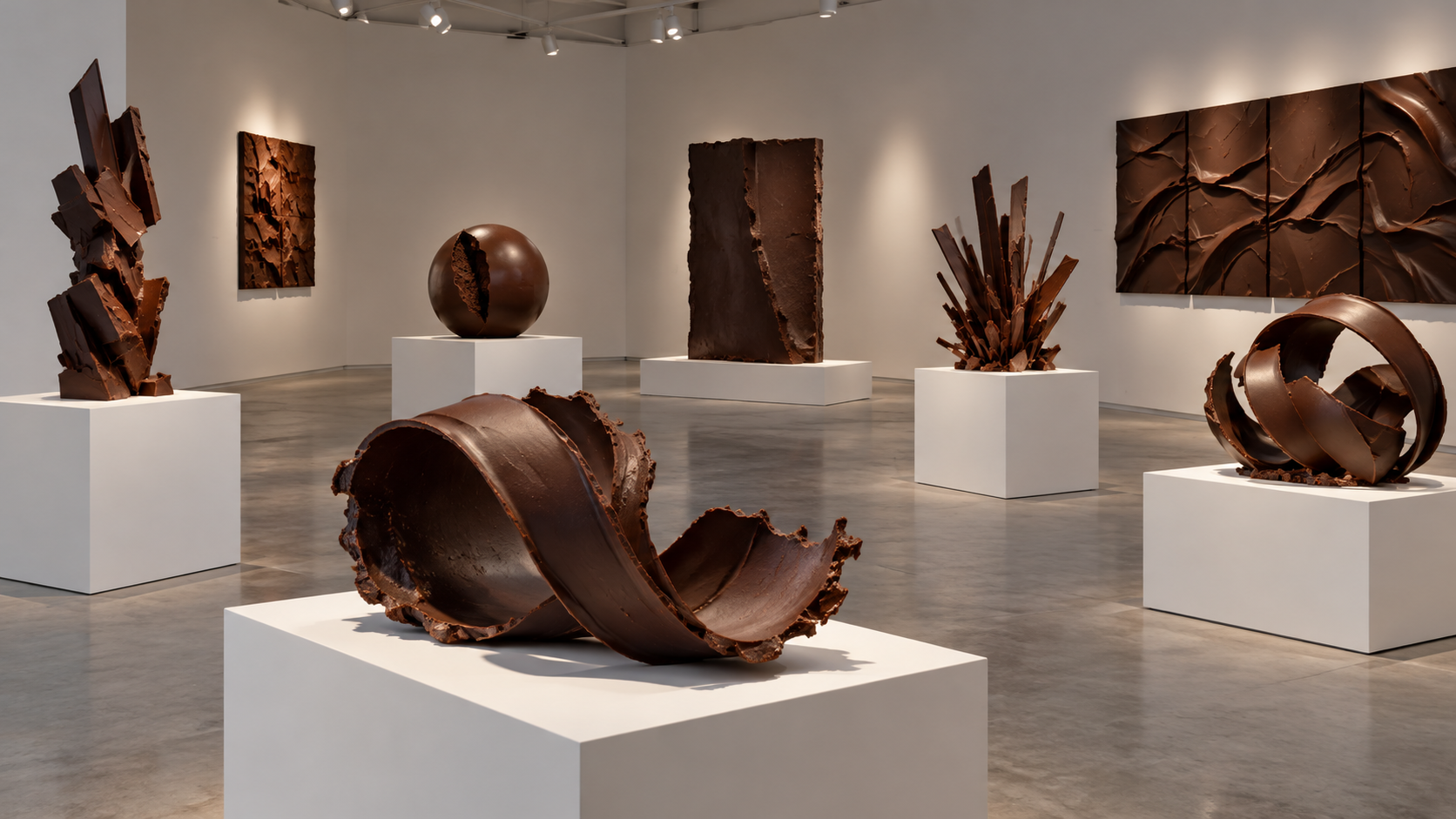
Chocolate has appeared in contemporary installations, sculpture and performance, but each work has its own artist, date, materials and context. Avoid attributing a generic “melting sculpture” to a famous artist without a catalogue, gallery or museum record.
Understand why artists choose chocolate
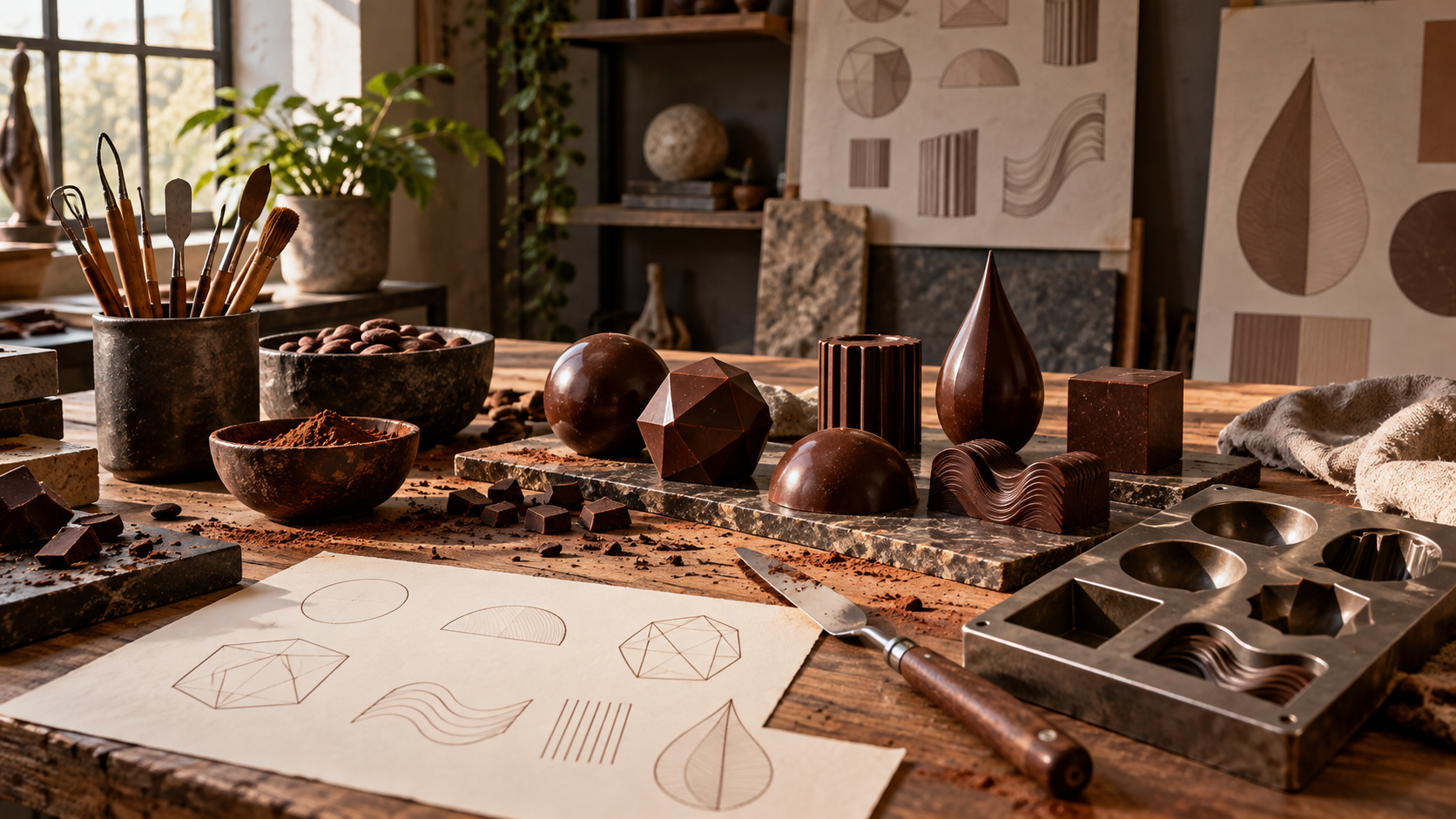
Its colour, smell, domestic associations, colonial history and tendency to soften can all carry meaning. The material may invite desire and discomfort at the same time, which makes it useful for work about consumption, labour, memory or decay.
Separate edible craft from fine art
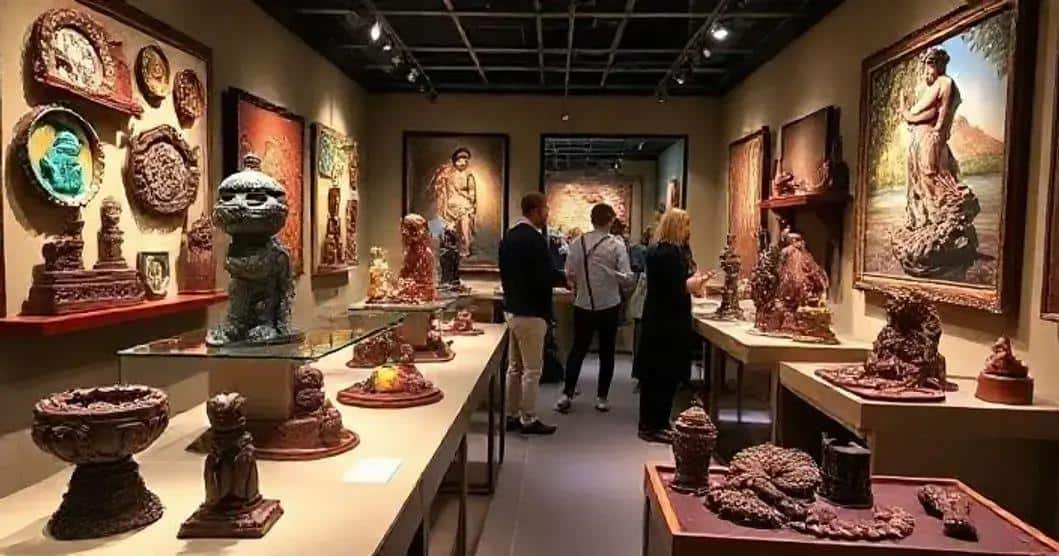
A showpiece made by a chocolatier may be designed for technical precision or eating. A gallery work may use the same skills while prioritising an idea. Neither category is automatically more valuable, but the maker’s purpose should be described accurately.
Plan temperature and structure
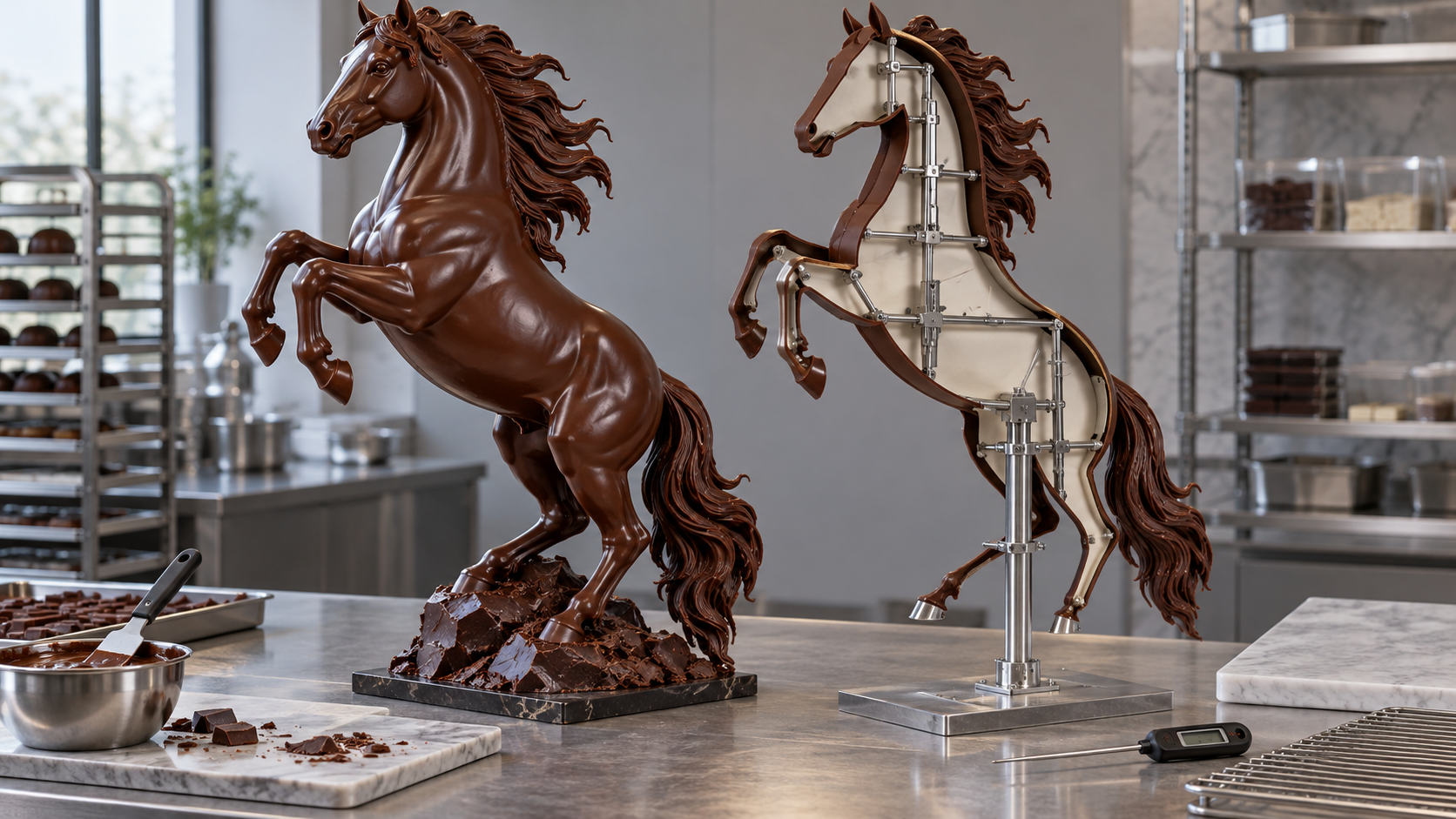
Large pieces need a stable internal plan, controlled room temperature and realistic expectations about fat bloom, cracks and gravity. Food chocolate is heavy, and improvised supports can fail or contaminate the material.
Document a temporary artwork
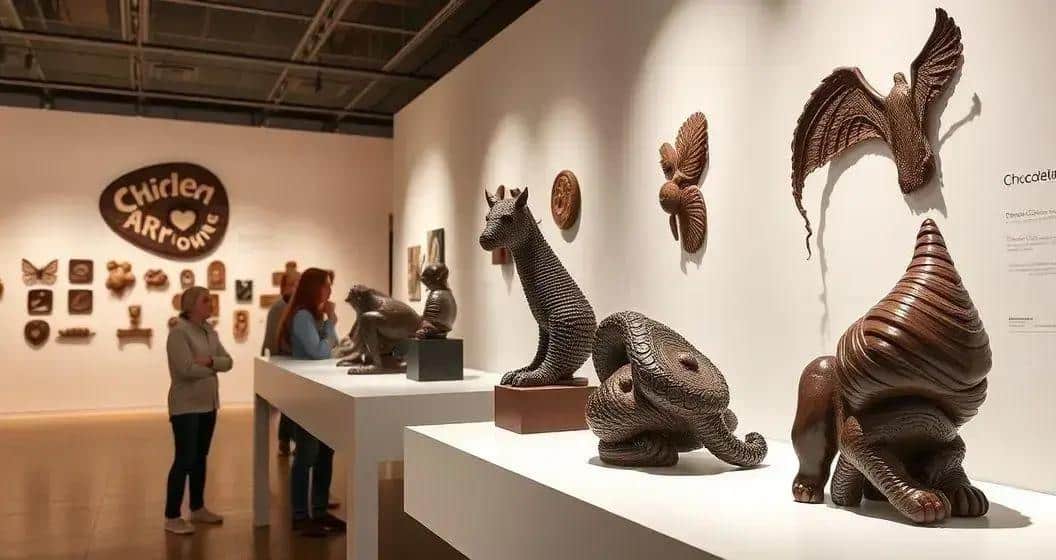
Photographs, condition notes, dimensions, recipes, moulds and installation instructions may become part of the work’s record. If melting is intentional, document when and how it occurs rather than trying to preserve a state the artist meant to change.
Handle food and waste responsibly
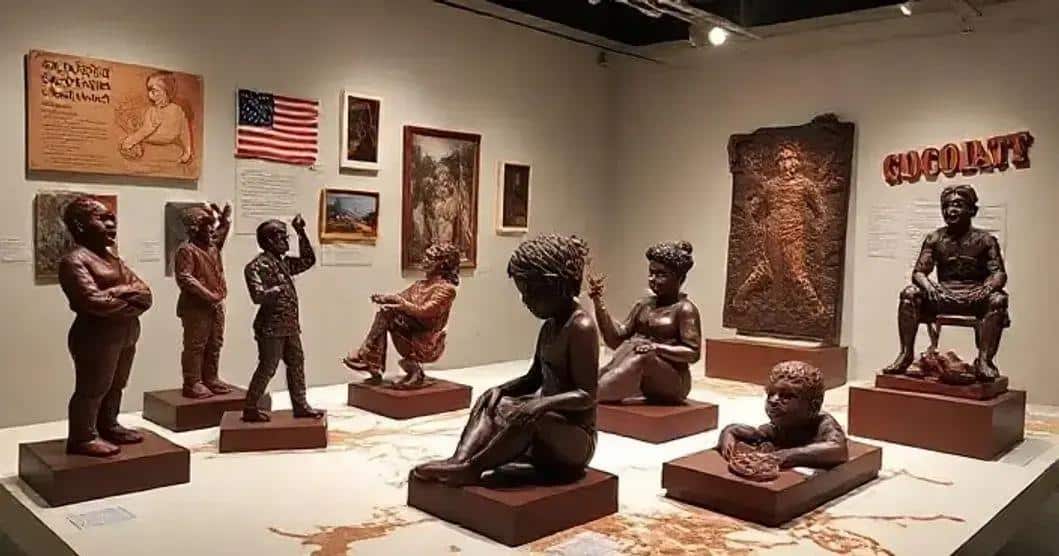
A displayed sculpture should not be offered as food unless it was produced and protected to food-safety standards. Plan for allergens, pests, cleaning, transport and responsible disposal or reuse before the exhibition opens.
Frequently asked questions
Why was the original article rewritten?
Unsupported historical, health, commercial or cultural claims were replaced with cautious guidance while preserving the useful core subject.
How can a historical claim be checked?
Look for a named primary source, catalogue, museum, archive or peer-reviewed study and confirm its date, place and context.
Does this guide prove a product or event is ethical?
No. Ethical claims need current evidence about sourcing, labour, payments, governance and results.
Is every chocolate item suitable for every reader?
No. Check current ingredient labels, allergies, dietary choices, alcohol content and individual health needs.
Can cultural traditions be combined freely?
Specific communities and living practitioners should be named and respected; modern adaptations should be described honestly.
What should be recorded when adapting the idea?
Record sources, ingredients, quantities, dates, safety decisions and any changes made for a modern British audience.