

Chocolate and milk before the modern bar
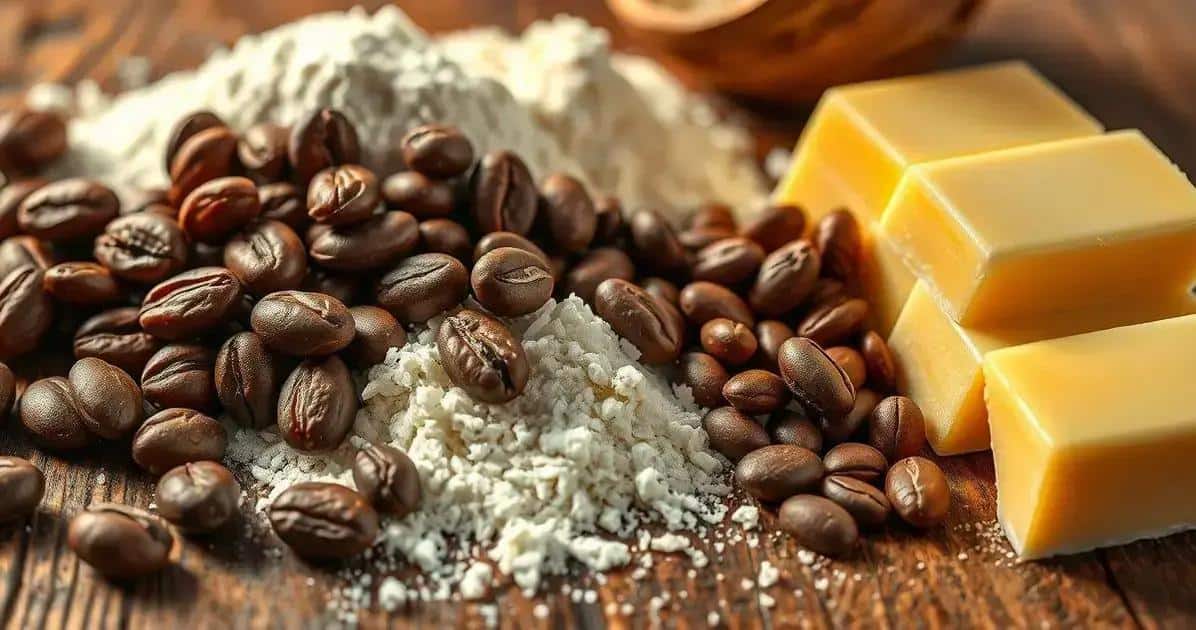
People combined cocoa drinks with milk long before a stable solid milk chocolate bar existed. The technical problem was water: fresh milk contains enough moisture to disrupt texture and reduce keeping quality in a fat-rich chocolate mixture.
The Swiss manufacturing challenge
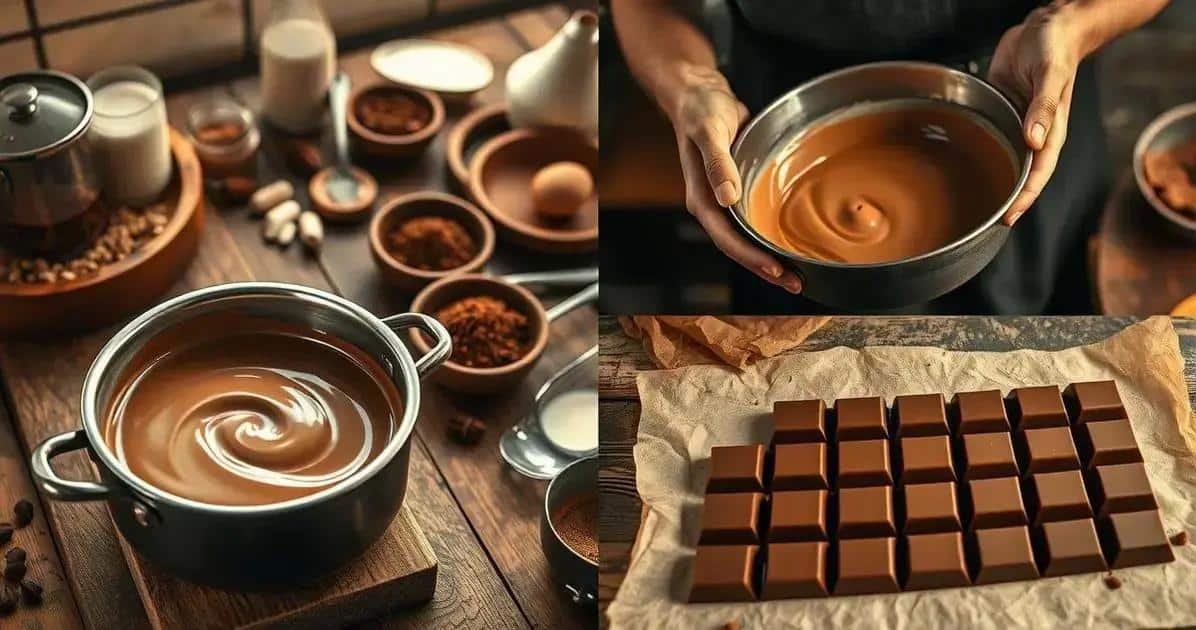
Nineteenth-century Swiss makers worked on grinding, mixing and drying techniques while the wider food industry improved milk preservation. This setting made a smoother, sweeter solid product commercially possible, but development involved several inventors and businesses.
Daniel Peter and condensed milk
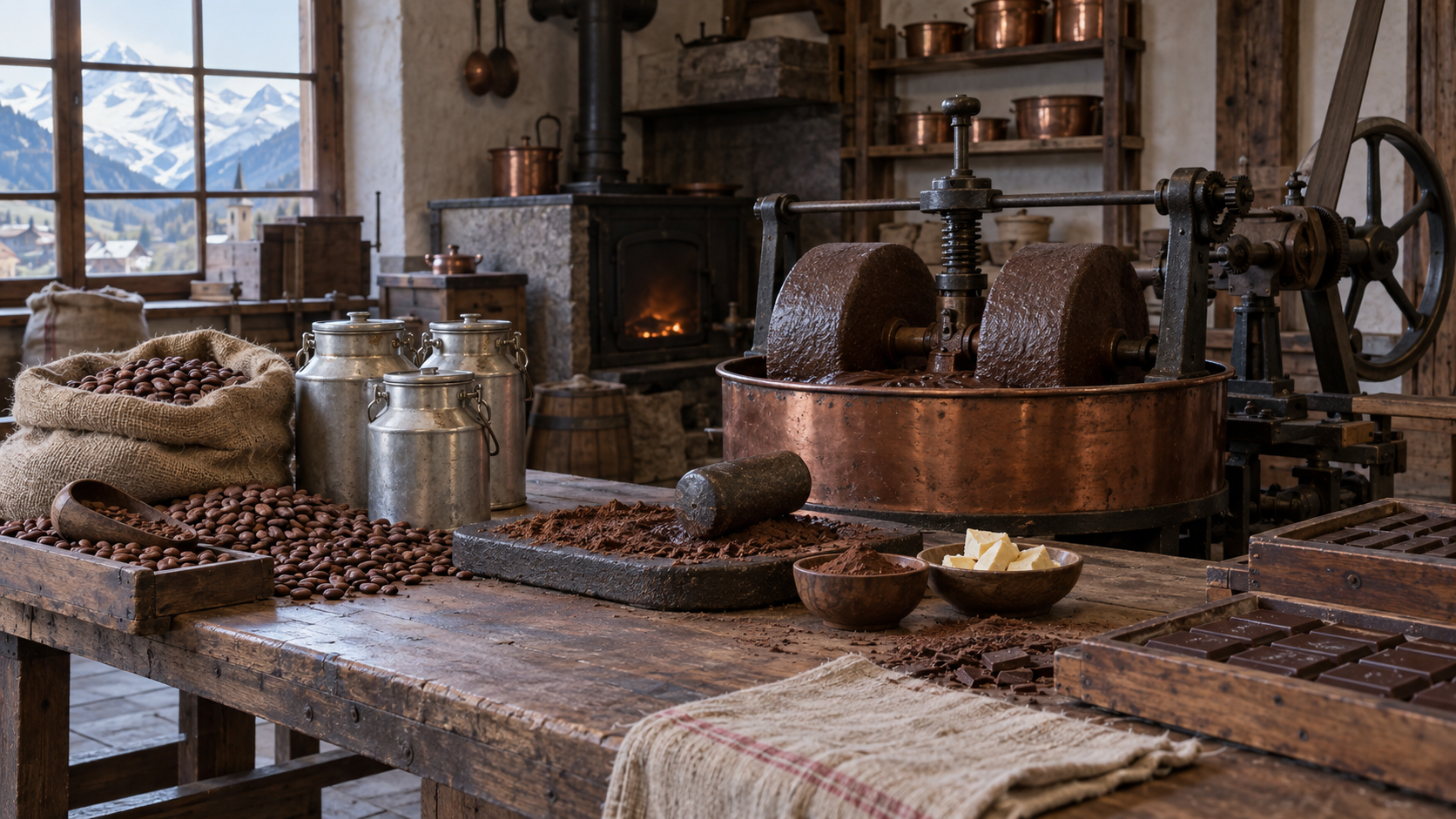
Daniel Peter is widely credited with introducing a successful milk chocolate in Switzerland in the 1870s, using condensed milk associated with Henri Nestlé’s manufacturing expertise. Dates and descriptions vary between company histories, so the achievement should not be reduced to a single dramatic day.
Why the new style spread
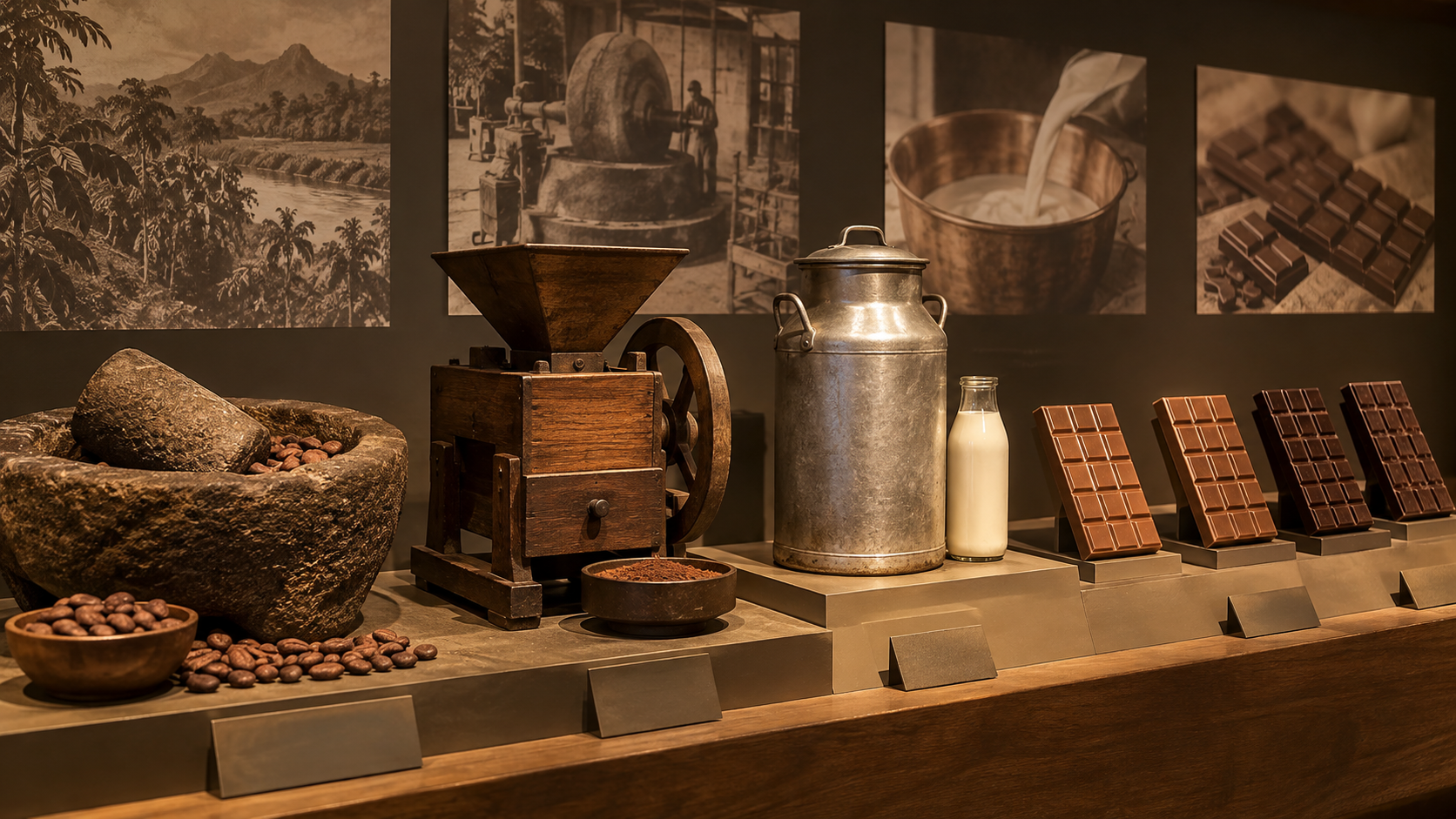
Milk chocolate offered a milder taste and softer texture that appealed to a broad market. Better transport, packaging and branded retail helped it move beyond a regional speciality. Recipes still differed in cocoa, milk and sugar content.
Industrial changes followed
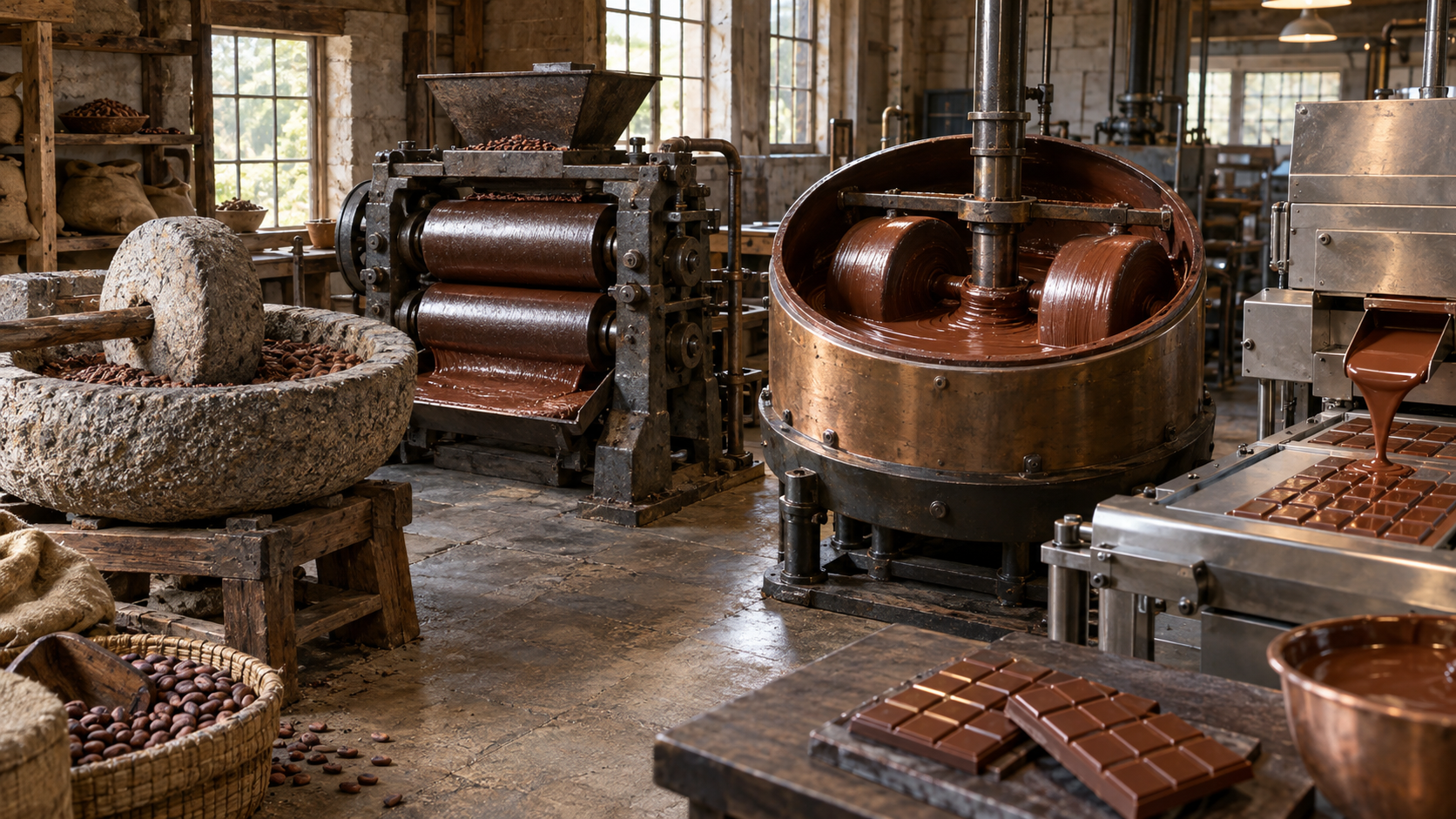
Refining, conching, temperature control and large-scale moulding improved smoothness and consistency. Later regulations defined minimum composition in different markets. A product called milk chocolate in the UK must meet applicable composition and labelling rules.
Read origin stories critically
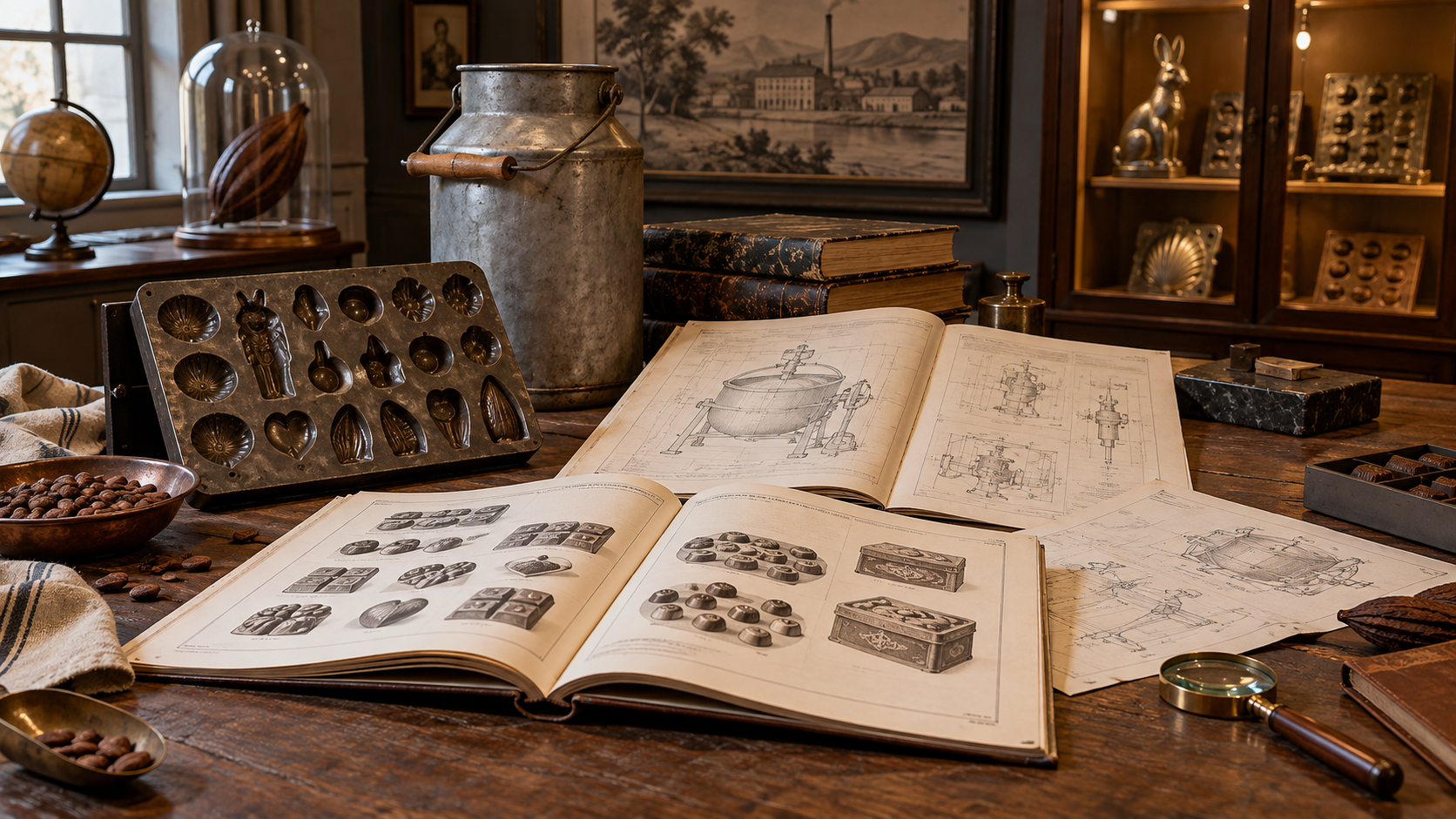
Museum collections, patents, trade records and contemporary catalogues are stronger evidence than repeated advertising anecdotes. Credit can describe commercial success without claiming that no earlier experiment existed.
Frequently asked questions
Why was the source not translated word for word?
The topic needed factual, safety, cultural or recipe correction, so the useful idea was rewritten directly in British English.
Can a suggested portion be used for every person?
No. Age, health, allergies, medicines, caffeine tolerance and the rest of the diet can change what is appropriate.
Does heating remove all alcohol or caffeine?
No. Do not assume either substance disappears; label it clearly and use the product only for an appropriate audience.
How should allergens be handled?
Check every current pack, consider cross-contact and keep accurate ingredient information with the finished product.
Can homemade products be sold using this guide alone?
No. Sellers need compliant registration, hygiene, labelling, traceability and validated storage for their actual process.
What should be done when a historical claim is uncertain?
Use qualified archives or primary records and describe uncertainty rather than inventing a precise date or first inventor.