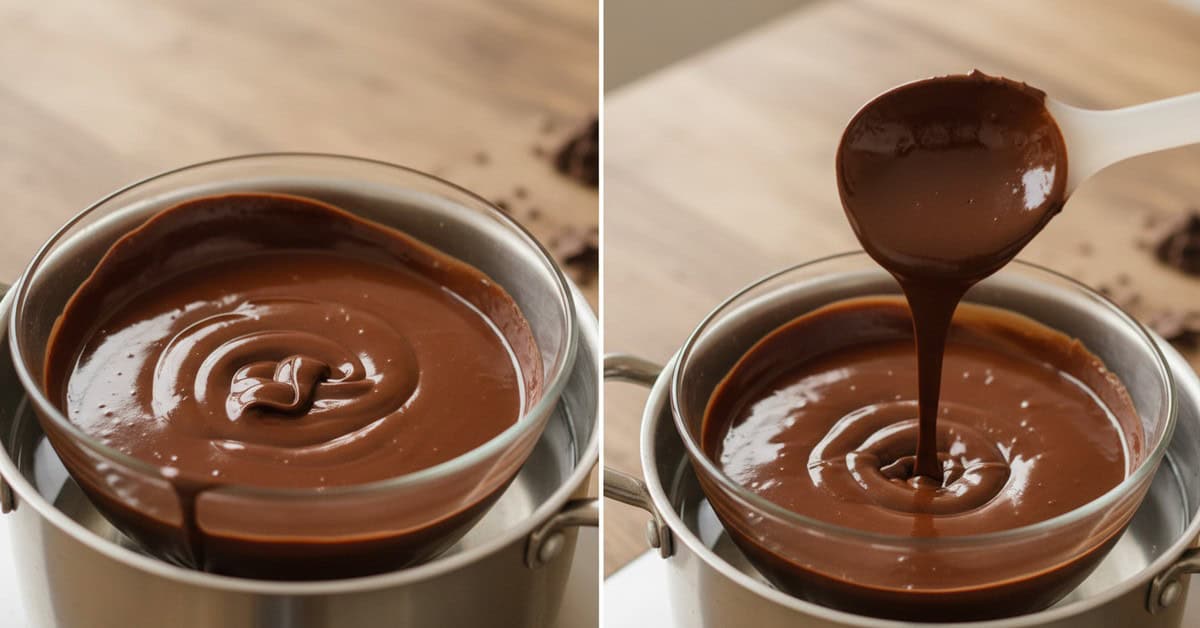

Use specialist or reputable suppliers
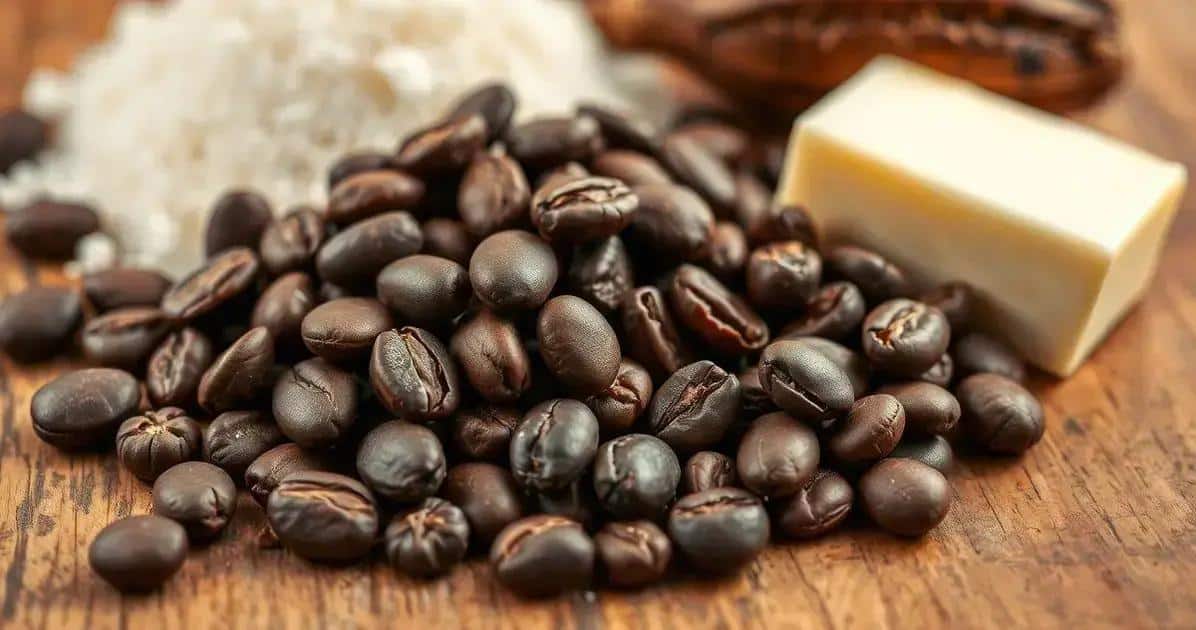
Choose a supplier that provides clear product information, allergen statements, dates and storage conditions. Specialist baking retailers often give more useful technical detail than a vague marketplace listing.
Check the legal name and ingredients

Confirm that the product contains cocoa butter and is sold as chocolate or couverture under the applicable rules. Avoid assuming that every bag of coating callets is couverture.
Look for technical guidance
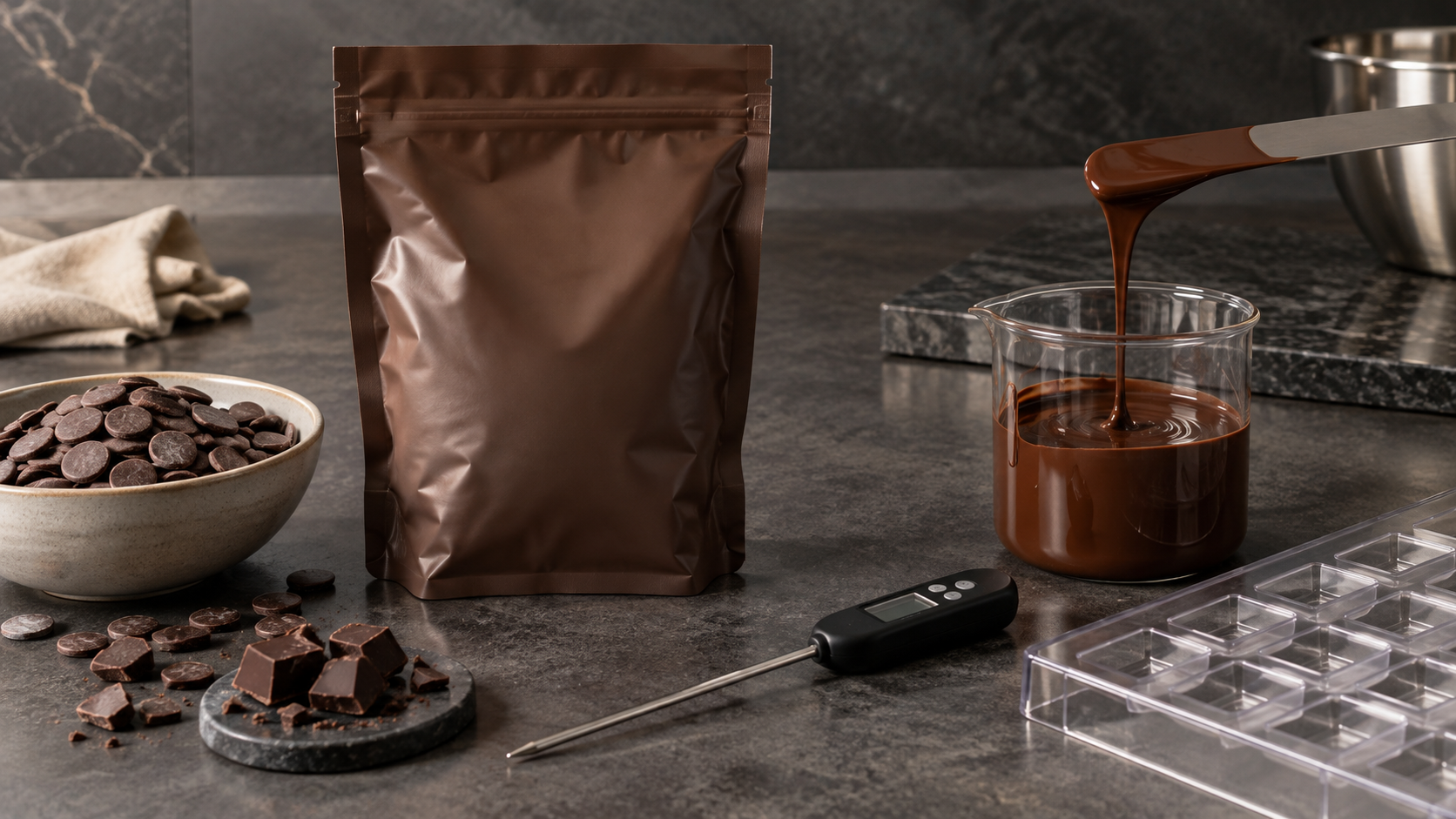
Useful documentation includes cocoa percentage, viscosity, tempering range, allergens and suggested applications. Ask the supplier when essential information is missing.
Compare price by usable yield

Calculate cost per usable batch, including shipping, waste and the amount needed for the desired shell thickness. The cheapest packet may not be economical if it is unsuitable for the task.
Inspect delivery and storage

Chocolate should arrive sealed, dry and protected from heat and strong odours. Photograph and report melted, damaged or unsealed deliveries instead of quietly using them.
Keep supplier and batch records
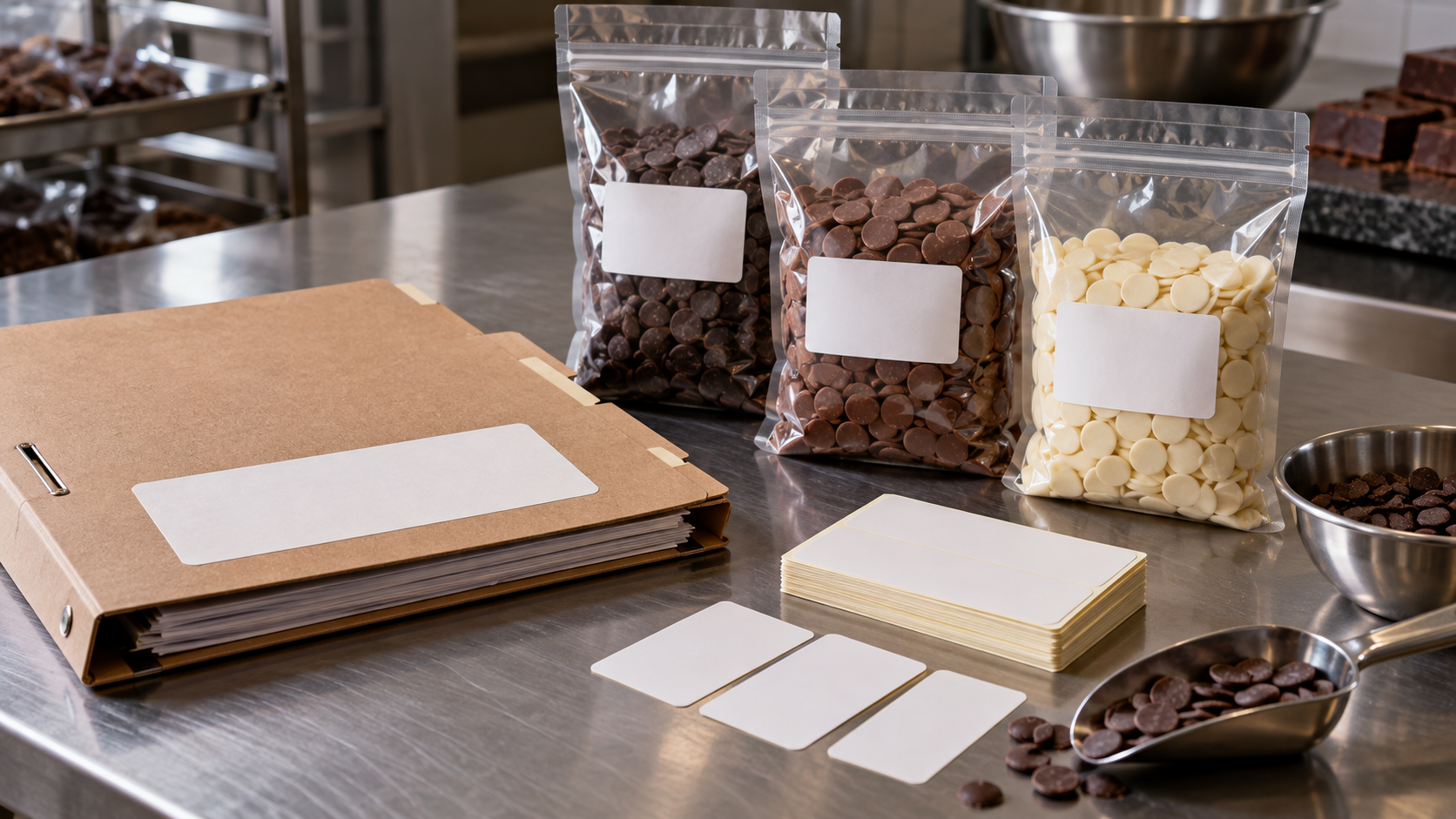
Retain invoices, labels, dates and batch codes for traceability. Store unopened and opened product sealed in a cool, dry area and rotate older stock first.
Frequently asked questions
Does a higher price guarantee better chocolate?
No. Judge ingredients, handling information, flavour, traceability and suitability for the intended recipe.
Do I need to test a product before buying in bulk?
Yes. Melt, temper or set a small batch with the real filling, packaging and storage conditions.
Which allergens should I check?
Read every label for milk, soya, nuts, gluten and other required allergens, including cross-contact warnings.
How should chocolate products be stored?
Keep plain chocolate cool and dry, and refrigerate finished items when their fillings require it.
Can I rely on marketing claims?
Use specific label definitions, standards and evidence rather than broad words such as premium, healthy or sustainable.
What records should a small seller keep?
Retain supplier labels, batch codes, dates, recipes, yields, temperature notes and customer-facing ingredient information.