
Chop and weigh first
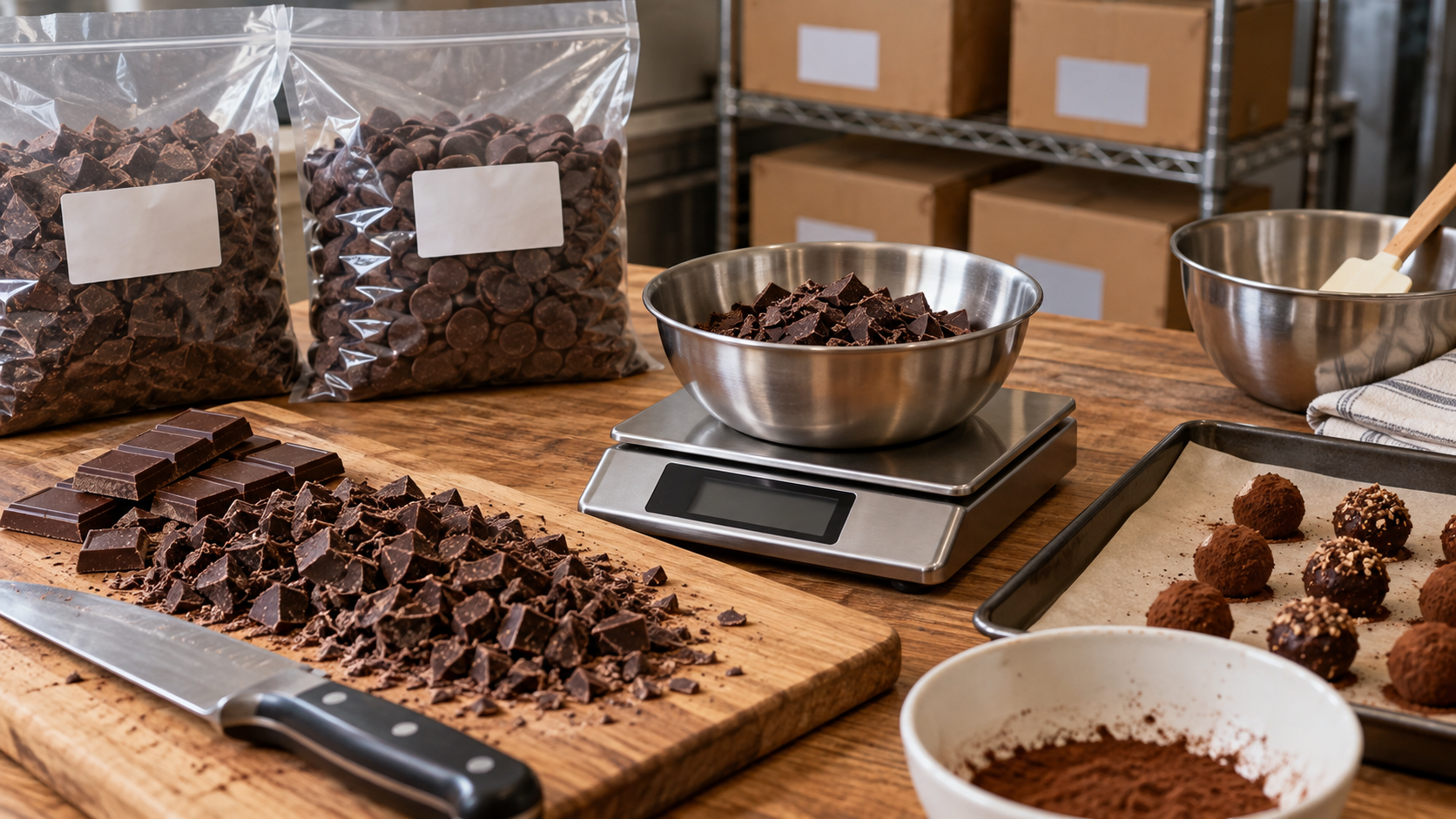
Cut chocolate into small even pieces and weigh the amount required. Large chunks heat unevenly and encourage overheating.
Use gentle indirect heat
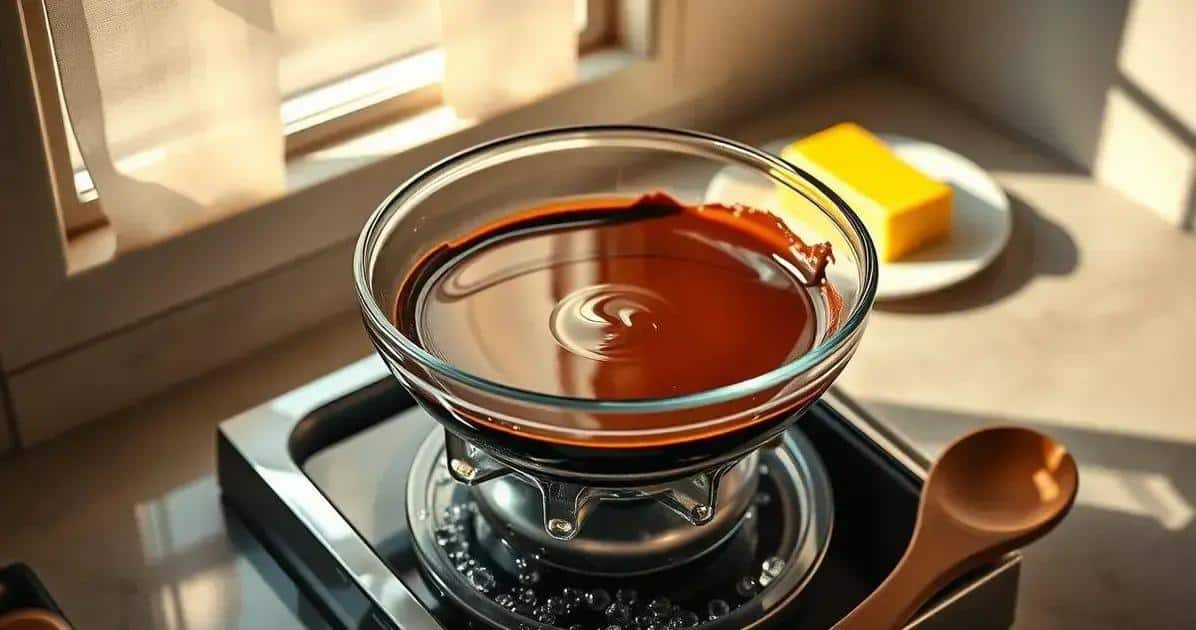
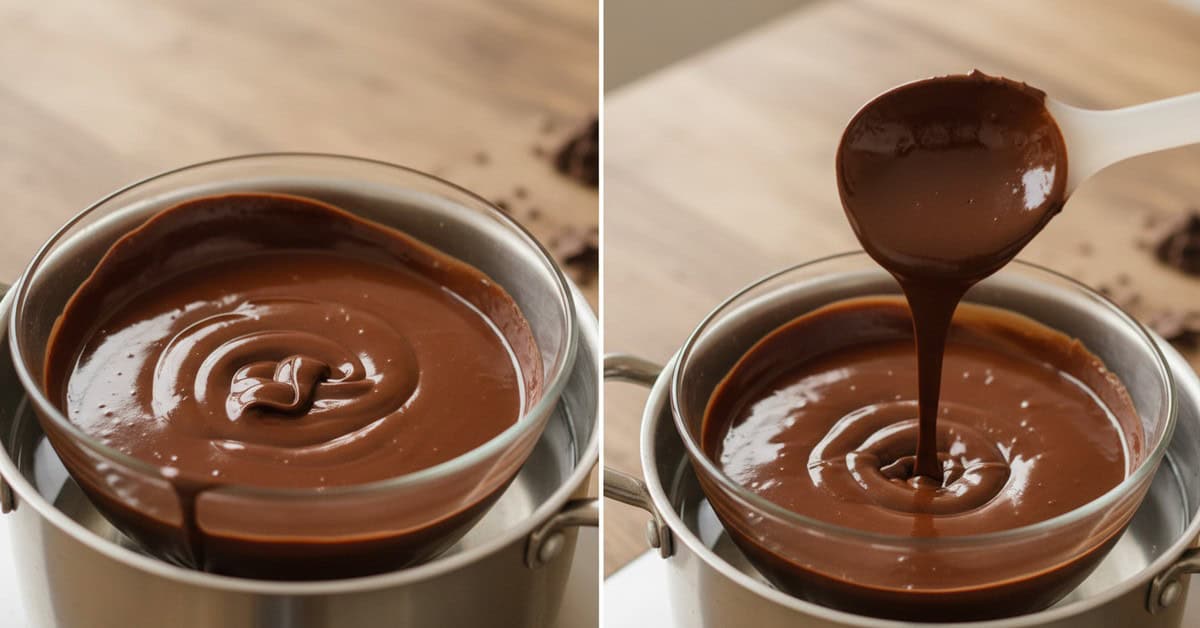
Set a dry bowl over barely simmering water without letting it touch the water. Stir frequently and remove it before every piece has disappeared.
Microwave in short bursts

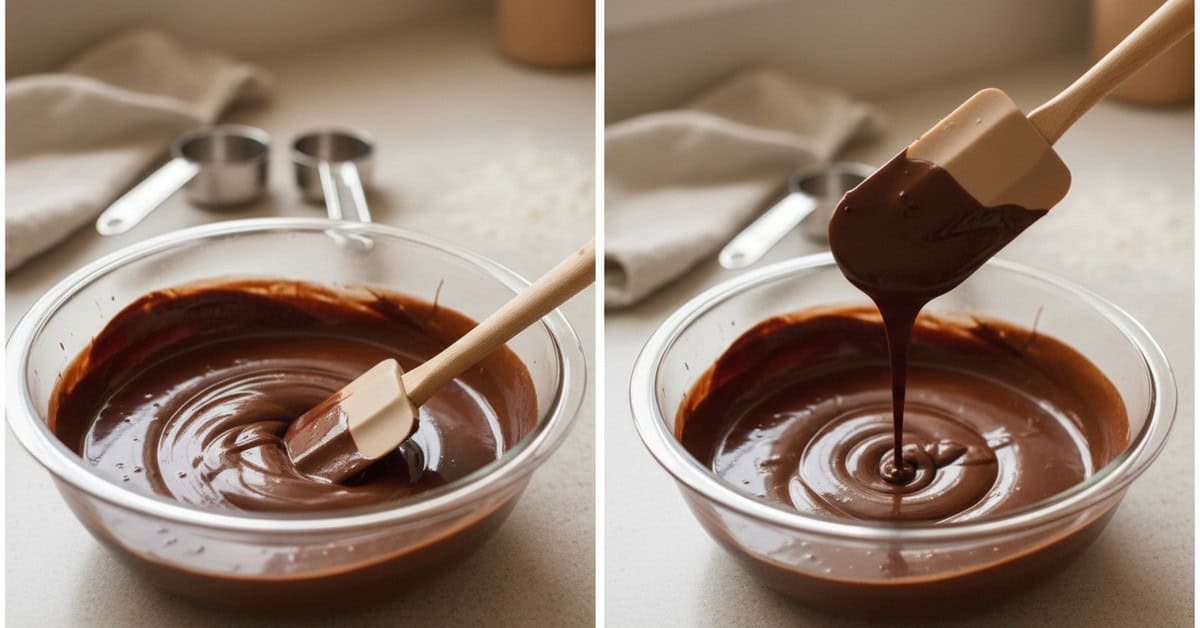
Use a microwave at reduced power in short intervals, stirring thoroughly each time. Residual heat finishes the melting.
Keep water and steam out

Dry the bowl, tools and worktop. Wipe condensation from the outside before pouring, because even a little water can seize chocolate.
Temper when shine matters

Melting alone does not guarantee shine or snap. Bars, shells and decorations usually need proper tempering within the product’s stated range.
Frequently asked questions
Can any eating chocolate bar be used for moulding?
No. Check whether it is plain cocoa-butter chocolate and test its fluidity, temper and release.
How should filled chocolate be stored?
Follow the needs of the filling; cream, fruit and custard can require shorter life and refrigeration.
Does melting chocolate make it tempered?
No. Tempering is a controlled crystallisation process used for shine, snap and mould release.
How should wholesale prices be compared?
Compare delivered cost per kilogram, minimum order, storage, waste and usable finished yield.
Which allergens are common in chocolate sweets?
Milk, soya, nuts and gluten are common, but every current ingredient label and cross-contact risk must be checked.
What records should a seller keep?
Keep supplier labels, batch codes, recipes, temperatures, yields, dates, allergen information and customer orders.