
Chocolate could provide compact energy
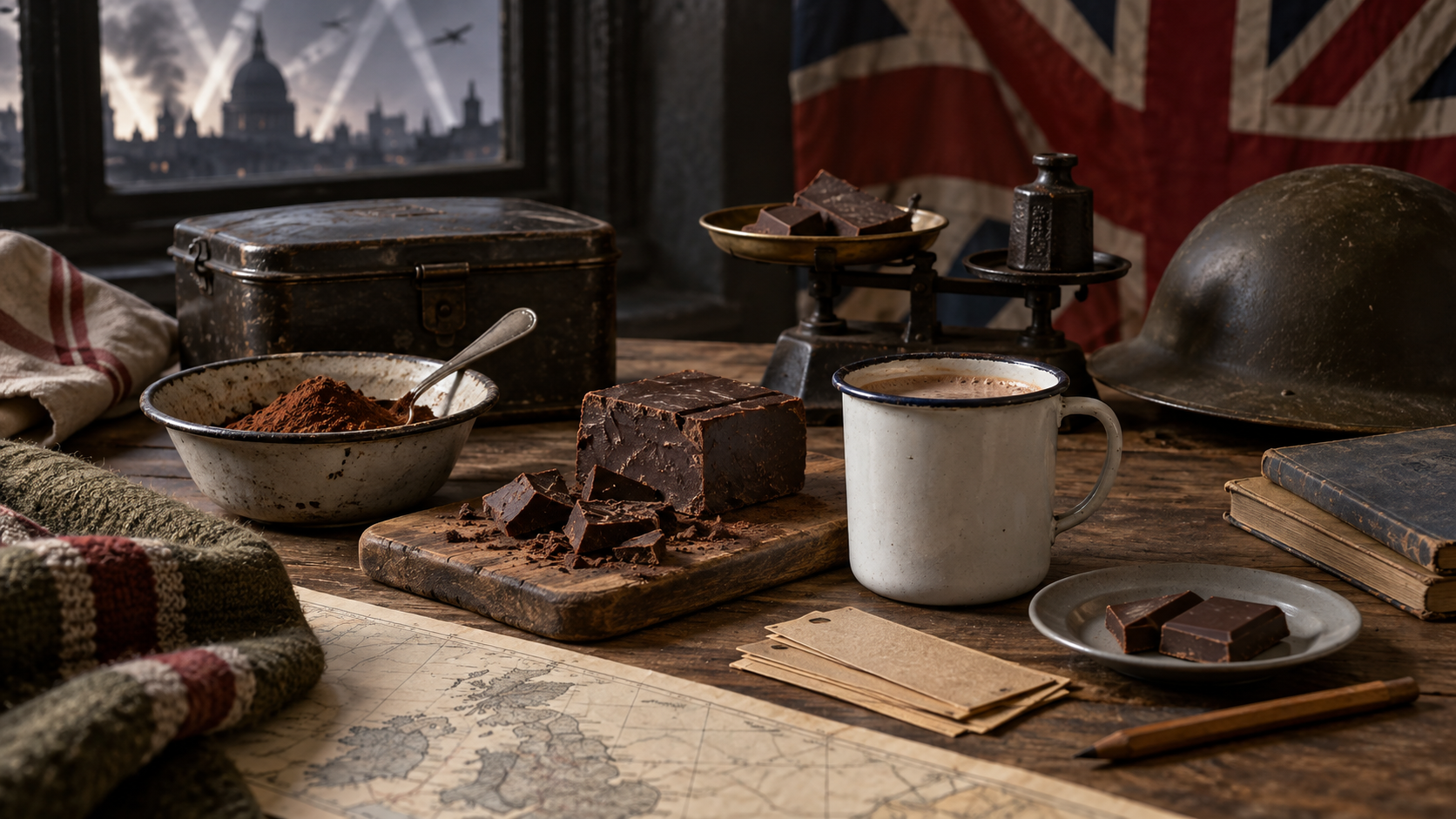
Chocolate and cocoa products can be compact, portable and energy-dense, which made them useful in some military rations. Exact contents varied by country, conflict and date.
Military recipes differed from civilian bars
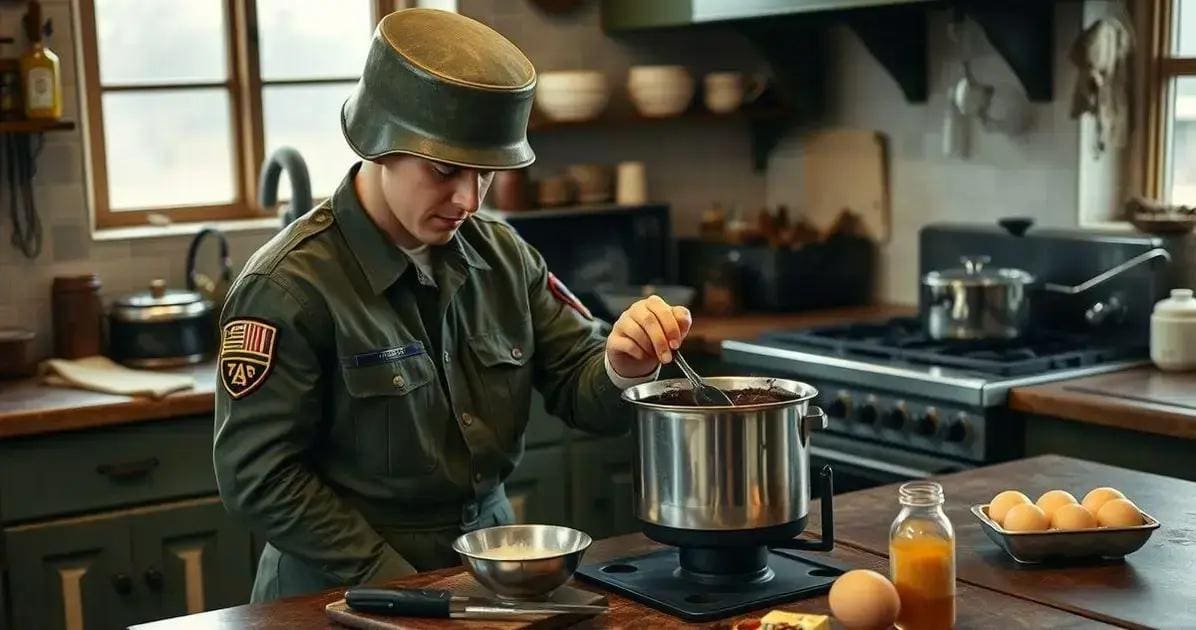
Military bars were sometimes formulated for durability or controlled use rather than pleasure. It is misleading to describe every ration as an ordinary sweet shop bar.
Rationing changed home cooking
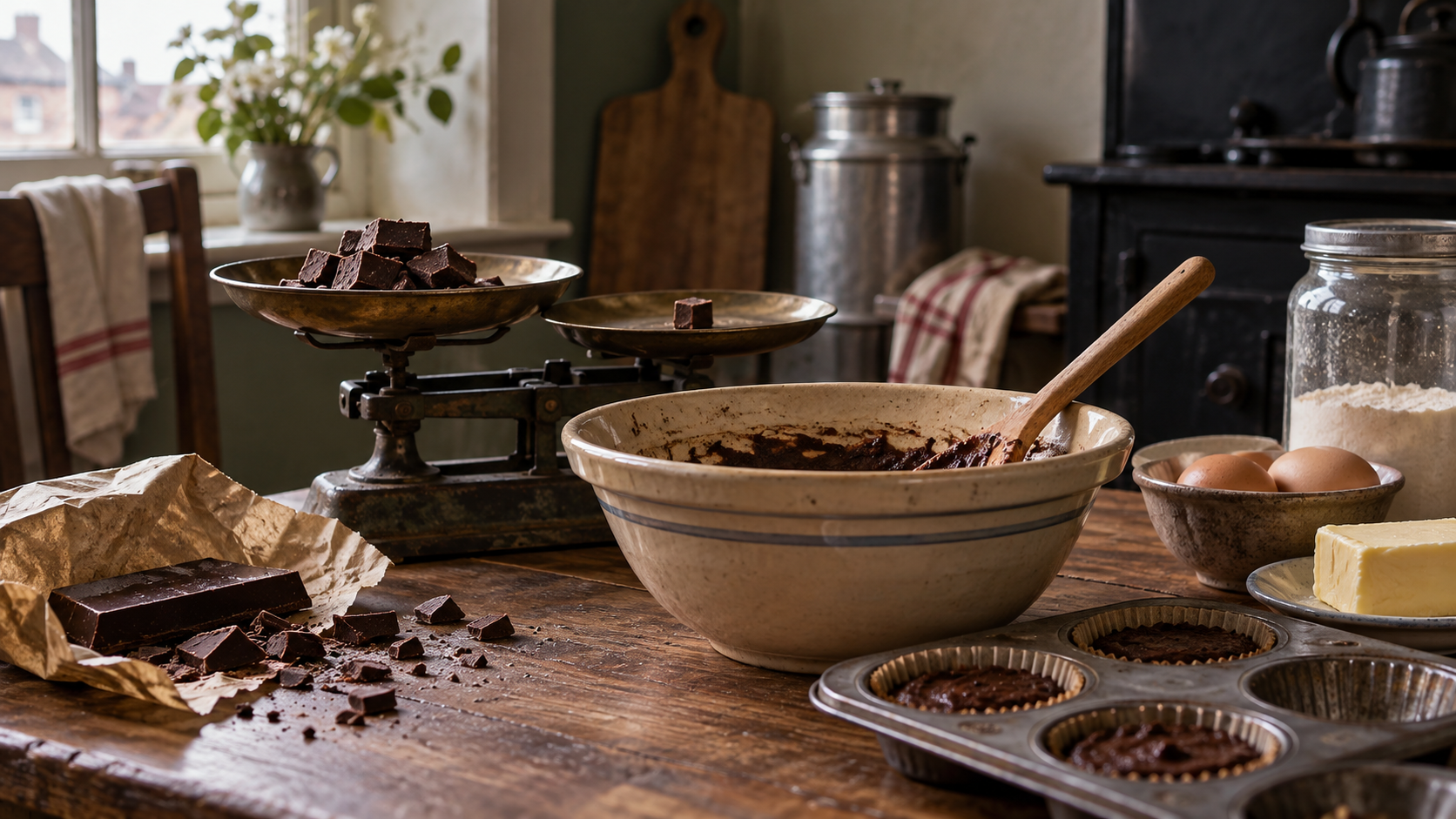
Civilian shortages and rationing reduced access to sugar, fat and chocolate in many places. Home cooks adapted recipes, portions and celebrations around what was available.
Chocolate also served morale
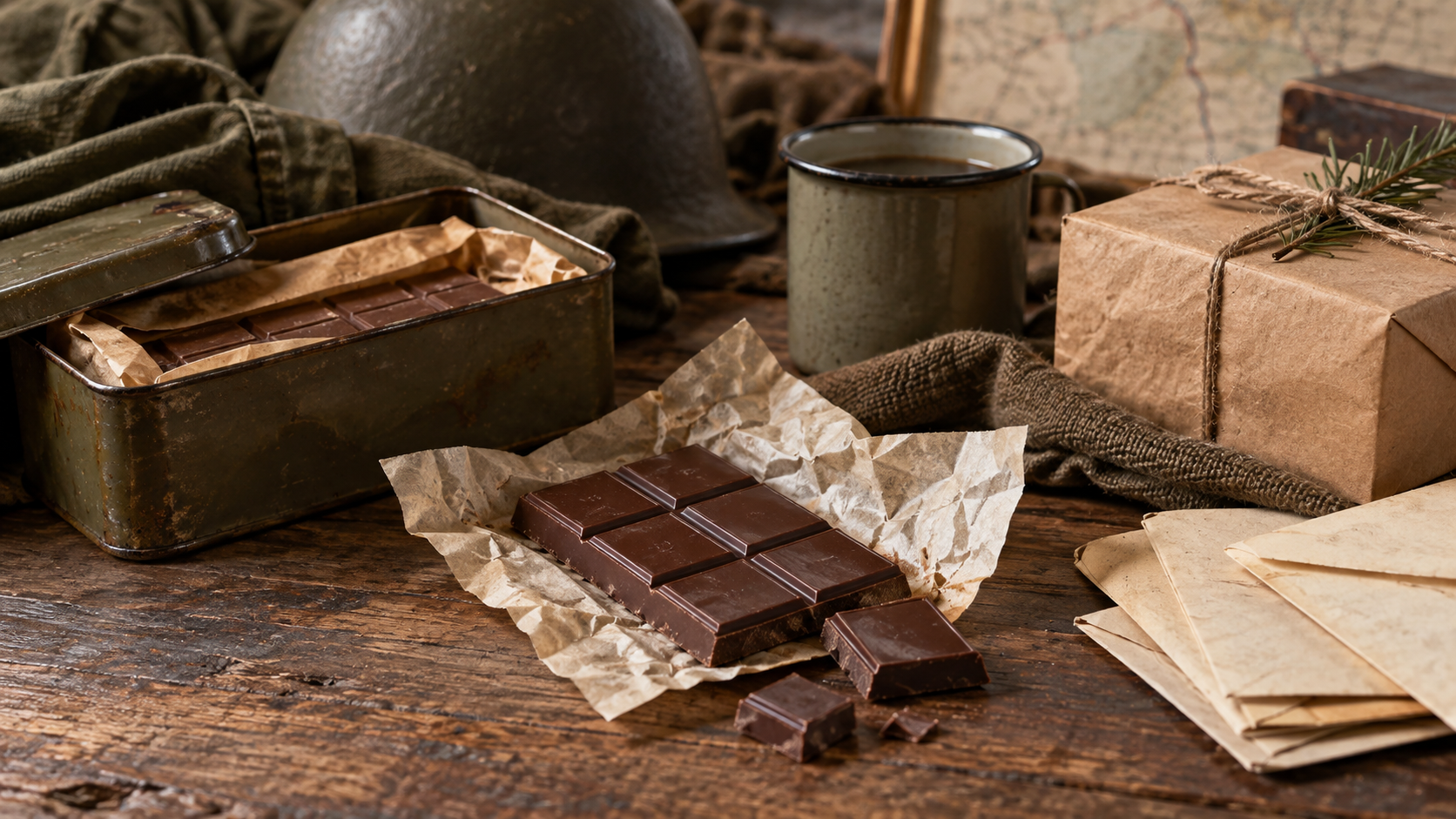
Letters, parcels and small treats could carry emotional value as well as calories. Chocolate was associated with comfort, reward and a temporary link to home.
Supply depended on global labour
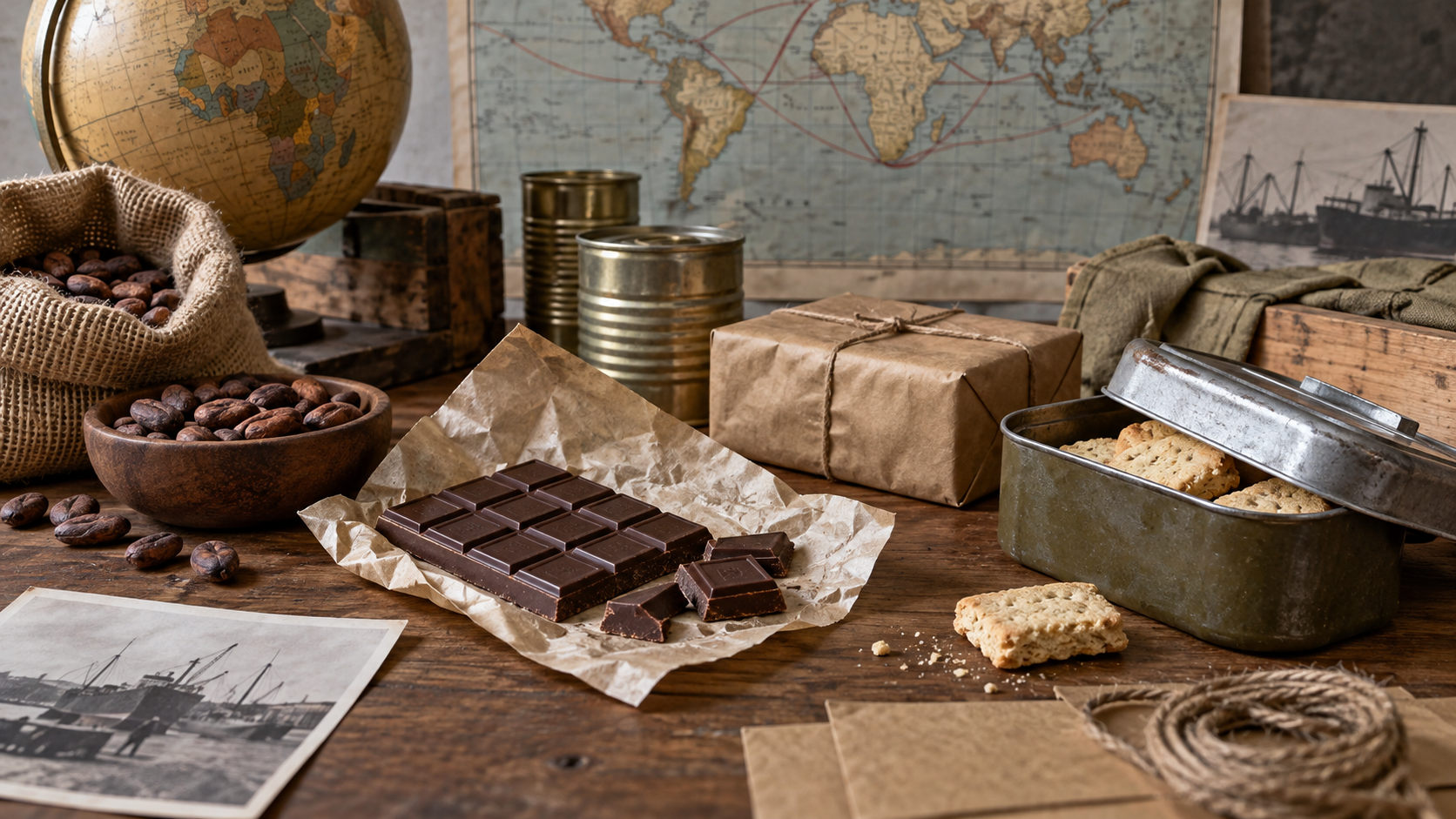
Wartime supply relied on shipping, colonial trade and workers producing cacao and sugar far from the front. Their risks and conditions belong in the account too.
Frequently asked questions
Are all popular chocolate-history stories reliable?
No. Many repeat marketing legends, so check dates, sources and the difference between evidence and interpretation.
Did chocolate always mean the same thing?
No. Recipes, status and symbolism changed across communities, centuries and markets.
Can chocolate treat low mood or improve desire?
Ordinary chocolate is not a treatment. Enjoyment and expectation may affect an experience, but medical concerns need qualified advice.
Why does packaging matter?
It protects chocolate and communicates ingredients, allergens, dates, origin and brand information.
How should international rankings be compared?
Use the same year, category, unit and method, and distinguish total volume from per-person figures.
How should historical images and quotations be used?
Verify them through museums, archives or reliable editions and explain their period and context.