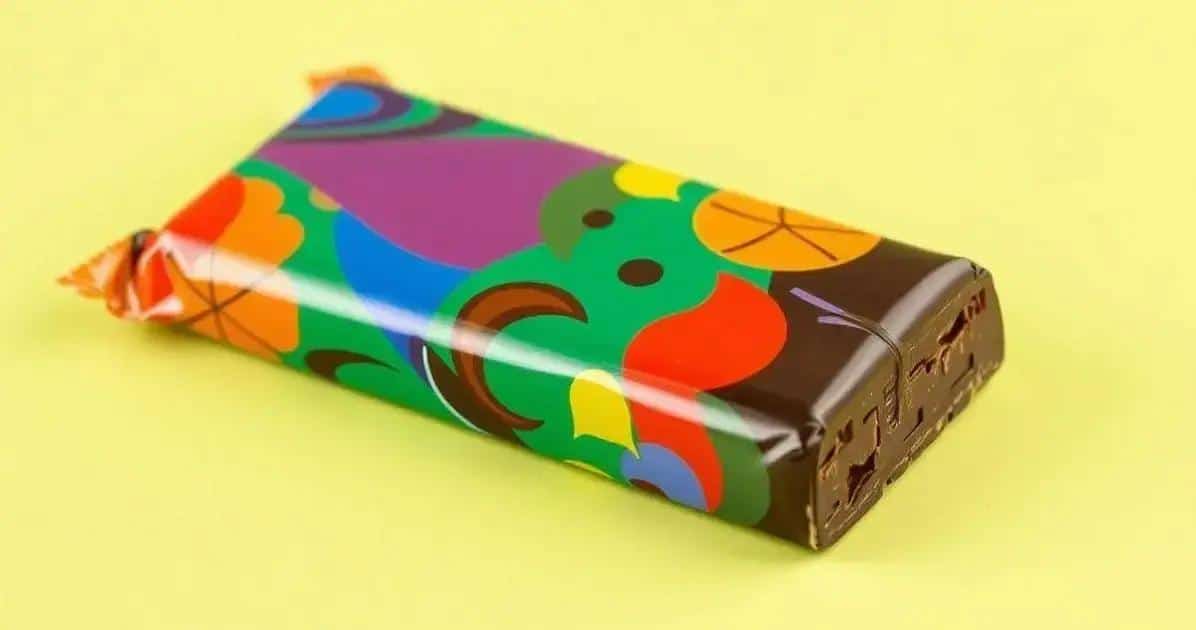

Easter customs existed before chocolate eggs
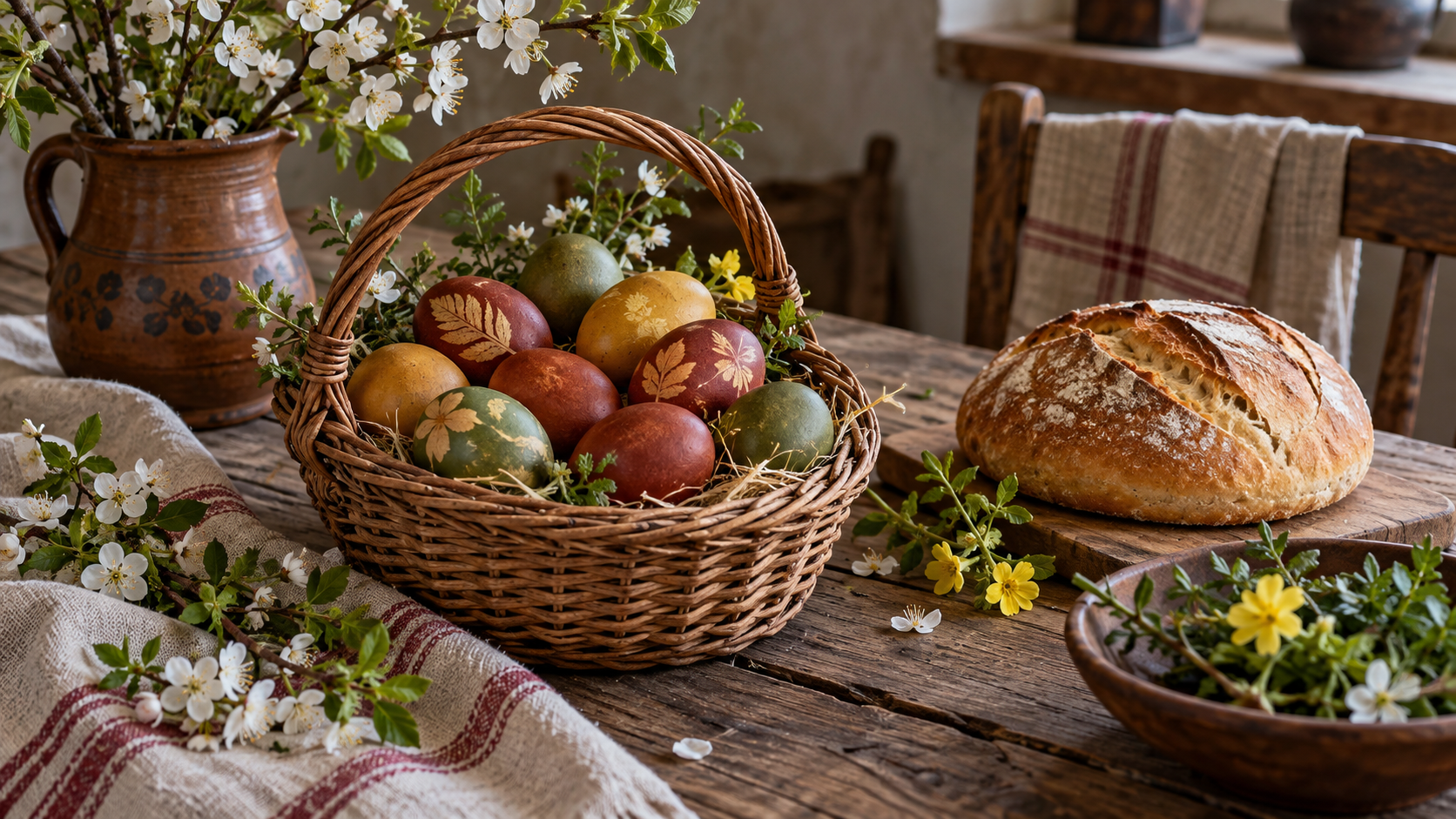
Eggs had long been linked with spring, renewal and Christian Easter customs before chocolate versions appeared. Decorated and gifted eggs therefore supplied an existing form for confectioners.
Eggs carried symbolic meaning

In Christian traditions, eggs came to represent new life and resurrection. Food restrictions around Lent also helped make eggs a celebratory food when the fasting period ended.
Chocolate moulding made edible eggs possible

European confectioners experimented with chocolate egg shells in the nineteenth century. Better moulds, cocoa processing and tempering made hollow eggs more practical and attractive.
Industry widened access

Mass production, advertising and improved distribution turned chocolate eggs into a widely available seasonal product. Makers added boxes, toys and branded characters as the market grew.
Traditions differ across communities
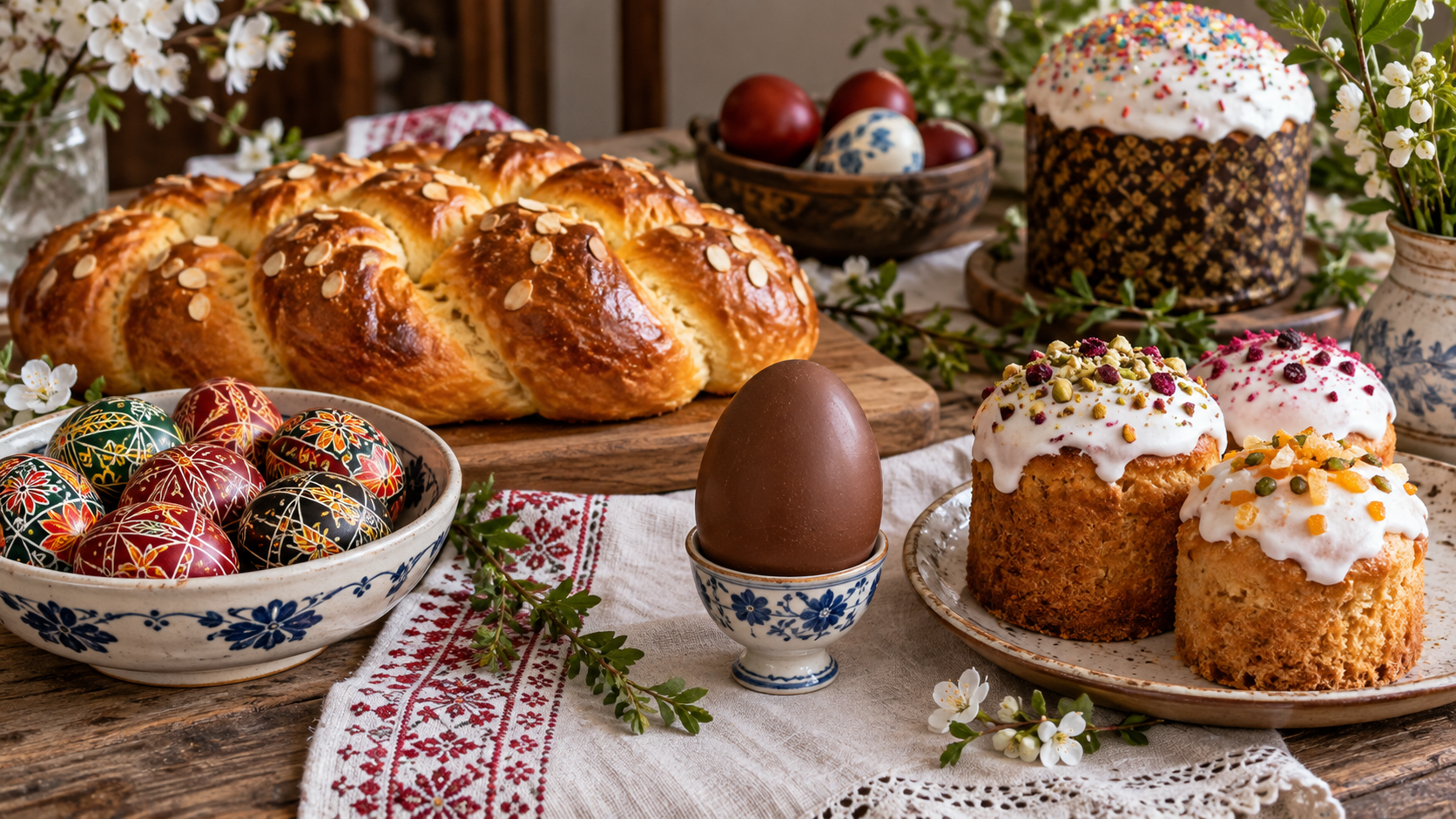
Easter foods vary by country, faith and family. Chocolate may share the table with breads, cakes or painted eggs, and not everyone observes the celebration in the same way.
Marketing changed the scale

Colourful displays and seasonal campaigns made the chocolate egg highly visible, but commercial popularity should not be confused with the religious meaning of Easter.
Buying with care

Compare ingredients, allergens, portion size and packaging. An expensive or oversized egg is not automatically better chocolate or a more meaningful gift.
Frequently asked questions
Does a cocoa percentage prove quality?
No. It describes part of the recipe, while flavour and quality also depend on the beans, processing, sugar, fat and storage.
Is chocolate a medicine?
No. Cocoa is studied for several compounds, but ordinary chocolate should not replace medical assessment or treatment.
How should chocolate be stored?
Keep it sealed in a cool, dry place away from sunlight, moisture, heat and strong odours.
Are all historical chocolate claims certain?
No. Archaeological, genetic and documentary evidence continues to develop, and practices varied between places and periods.
Can dark chocolate contain milk?
Yes. Recipes and cross-contact differ, so check the ingredient list and allergen statement on the exact product.
What is the best way to compare products?
Compare ingredients, cocoa content, portion, allergens, origin information and price per weight rather than relying on broad marketing words.