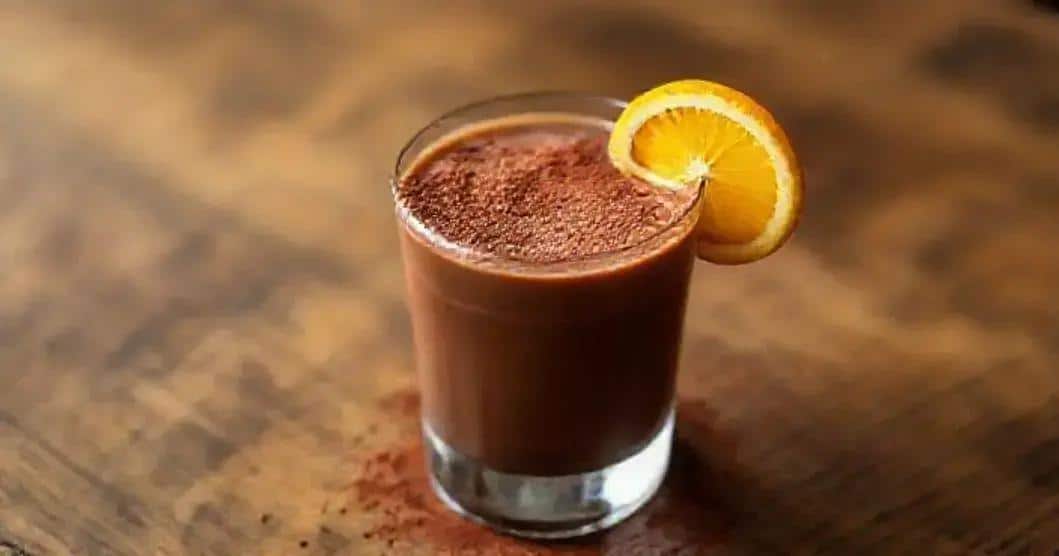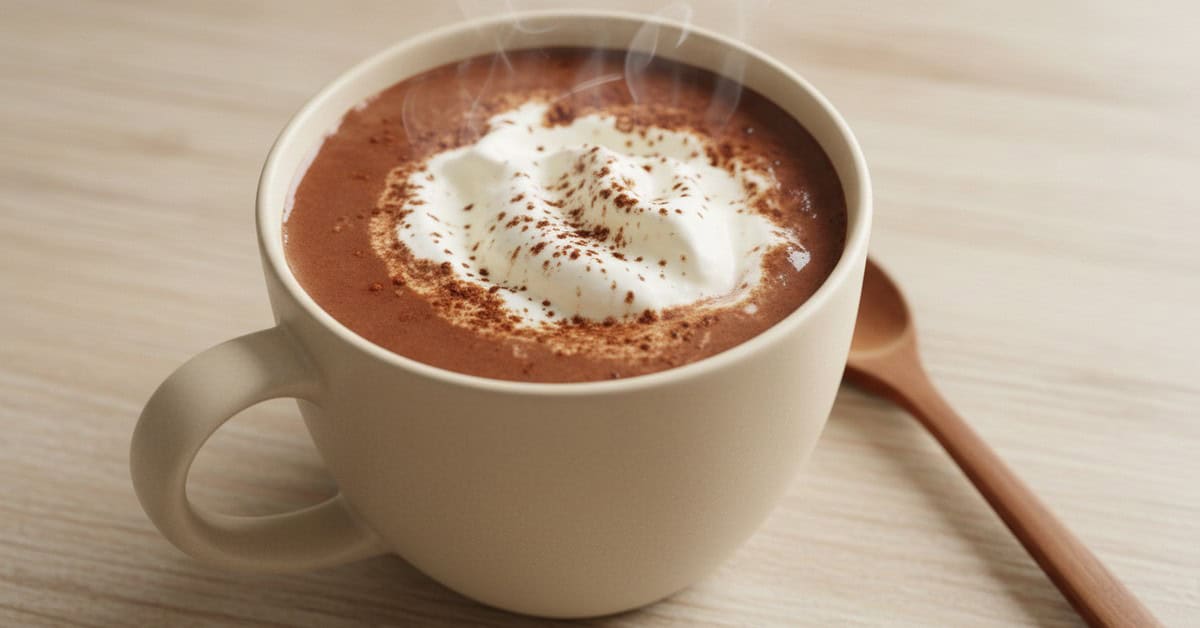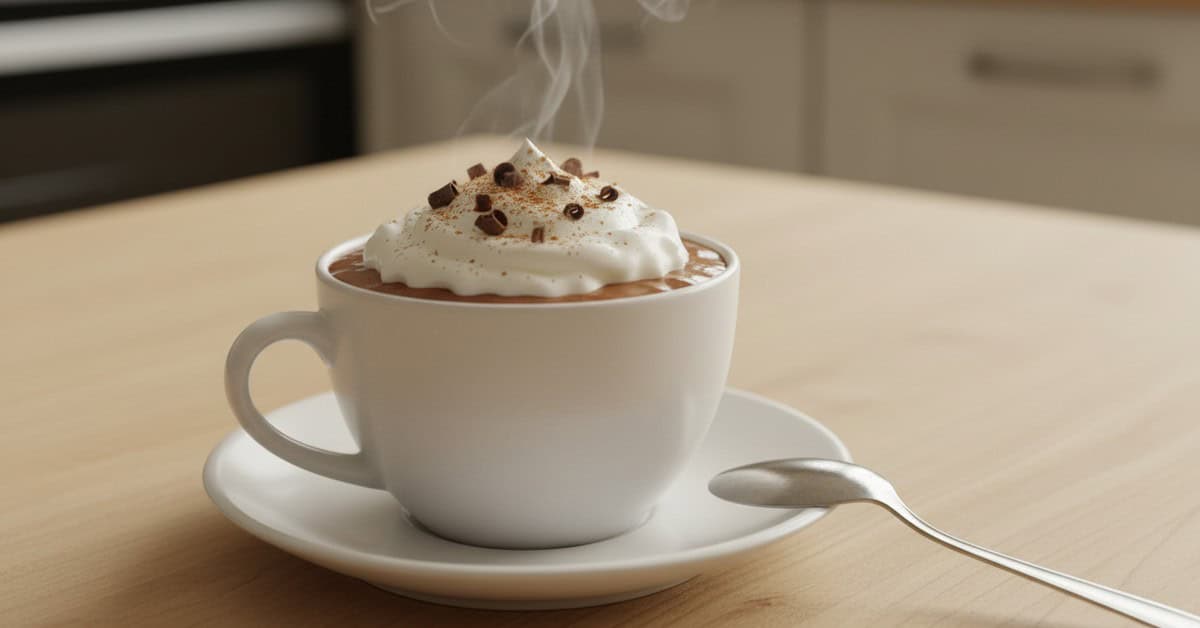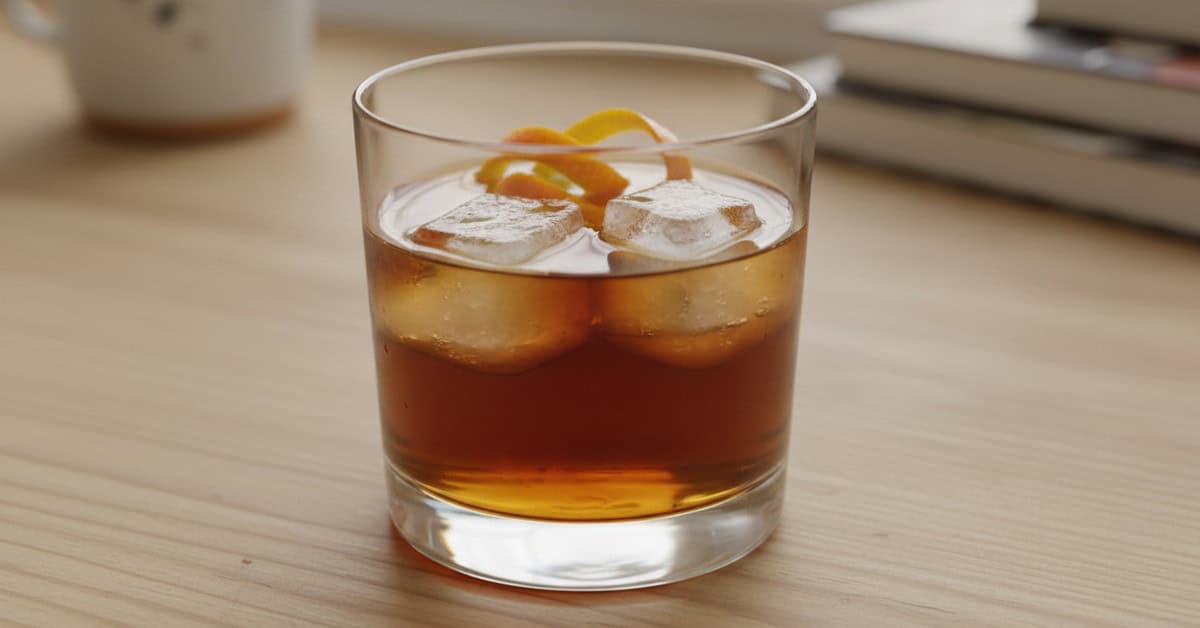

Serve it neat or over ice
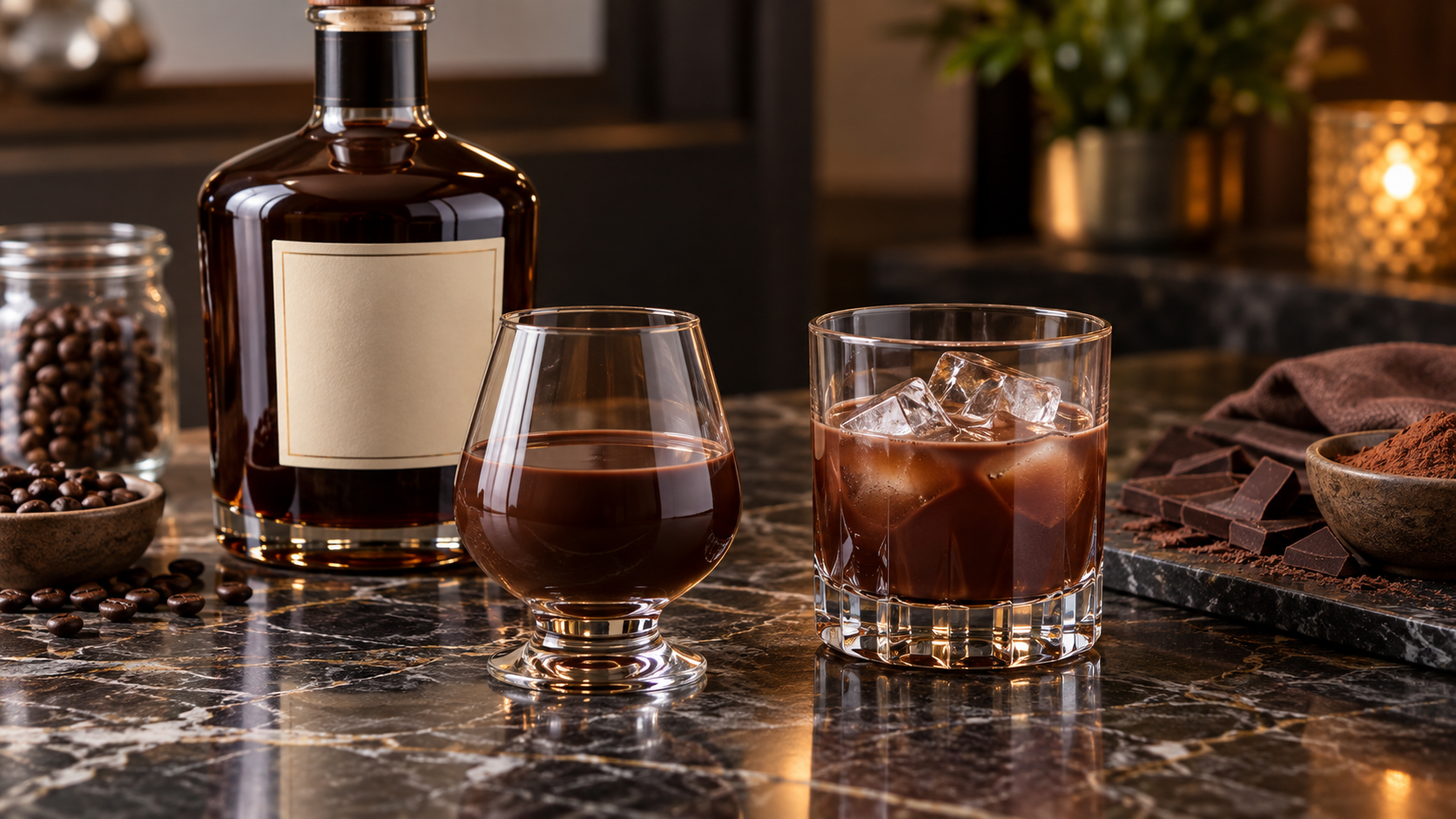
Start with a small measured serving at the temperature suggested on the bottle. Ice reduces perceived sweetness but does not reduce alcohol.
Pair with coffee carefully
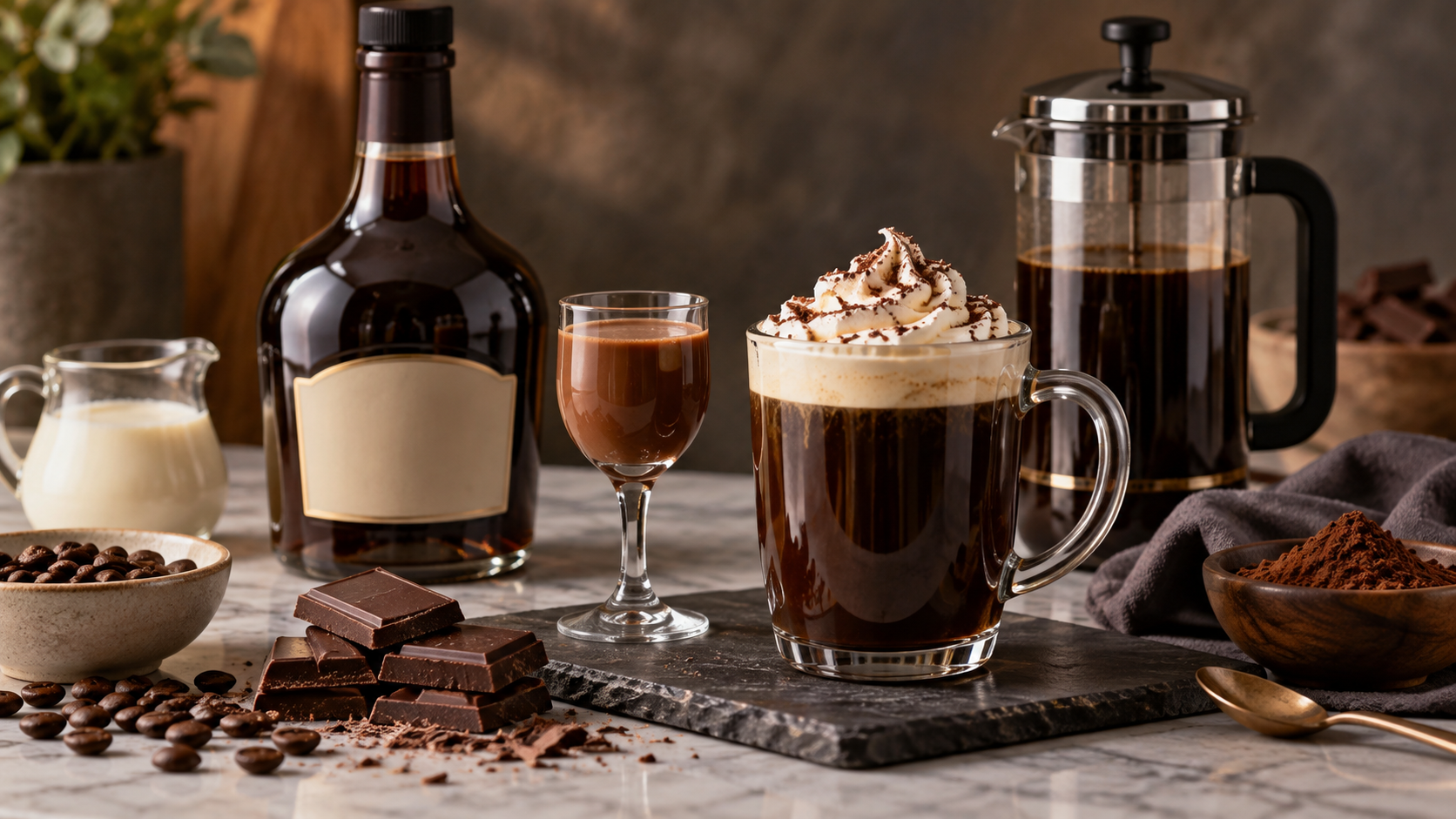
A small amount can accompany espresso or cold brew. Strong coffee and sweetness may mask alcohol, so keep the total pour clear.
Balance it in cocktails
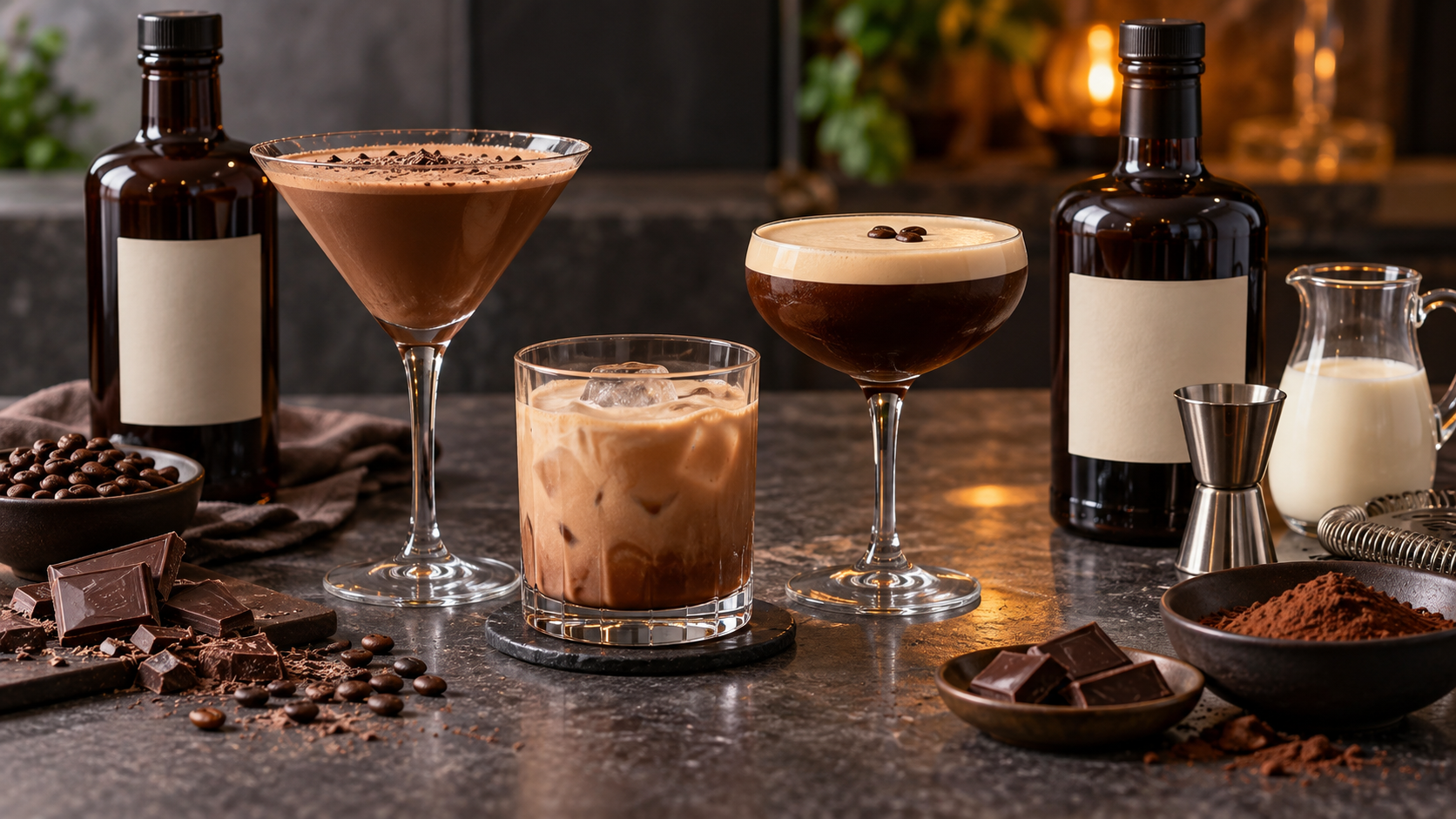
Use chocolate liqueur as one flavour component, balancing sweetness with coffee, citrus, soda or a suitable base spirit. Record the recipe rather than free-pouring.
Match simple desserts
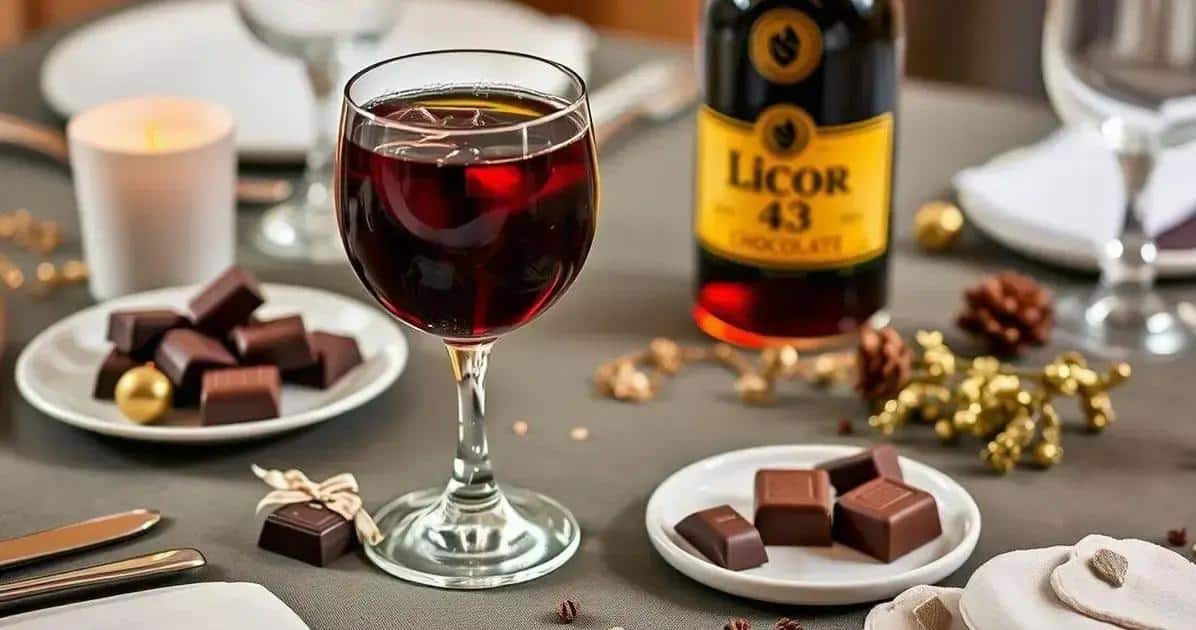
Plain vanilla, coffee, nut or berry desserts often pair more cleanly than another very sweet chocolate dish. Check allergens across the full plate.
Control temperature and storage
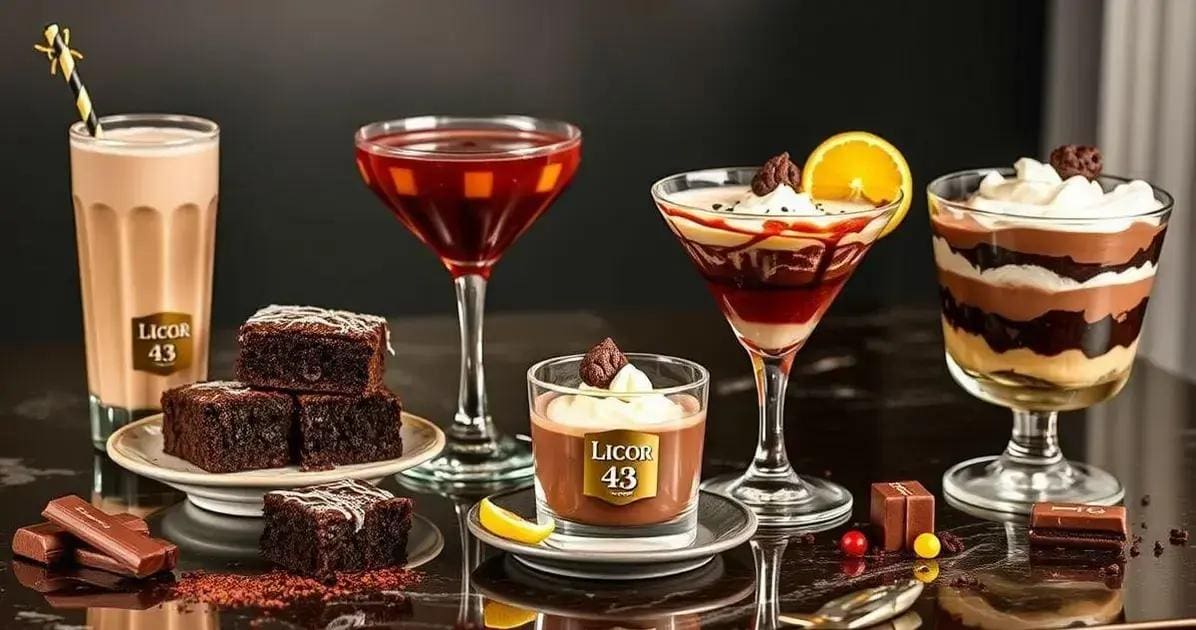
Follow current storage guidance and avoid leaving dairy-containing drinks warm. Chill open ingredients promptly and manage condensation around chocolate garnishes.
Keep service responsible
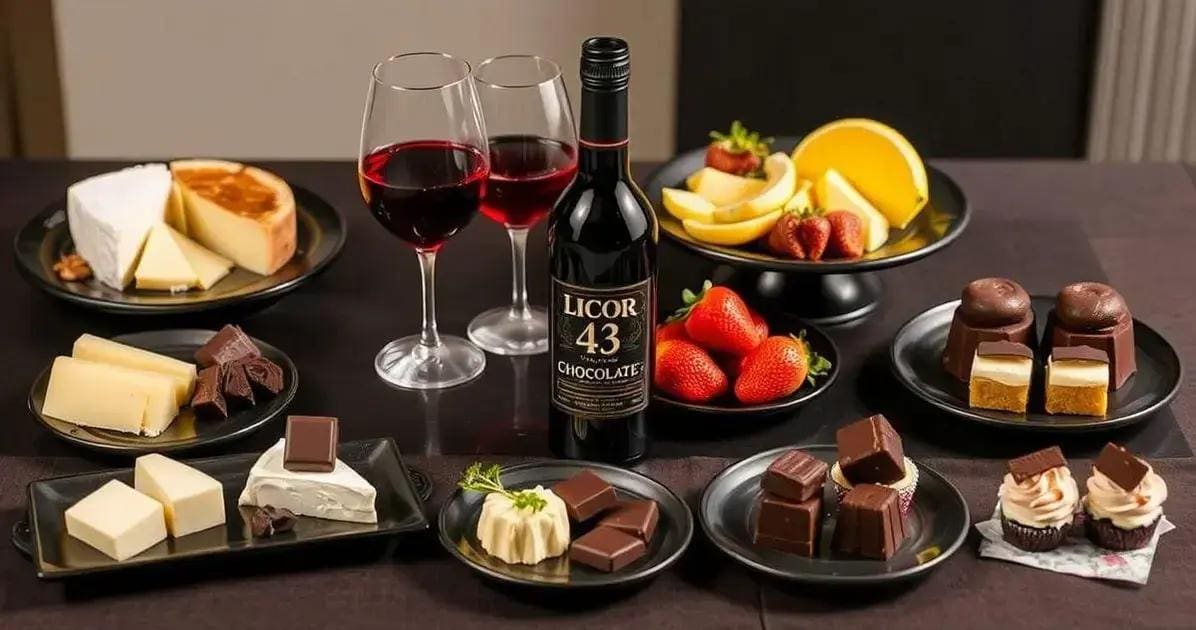
Serve only to adults, offer water and alcohol-free choices, and do not encourage drinking before driving. A food pairing does not cancel intoxication.
Frequently asked questions
Does cooking remove all the alcohol?
No. The amount remaining depends on time, heat and method, so label the finished dish as containing alcohol.
Can children eat desserts made with liqueur?
Use an alcohol-free recipe for children and anyone avoiding alcohol.
Are chocolate liqueurs interchangeable?
No. Alcohol strength, dairy content, sweetness and texture vary, so test the exact bottle.
Can any retail chocolate bar be tempered?
No. Filled, compound or inclusion bars may not behave like couverture; check the product and test first.
Which allergens should be checked?
Read current labels for milk, soya, nuts, gluten and other required allergens on every ingredient.
How should prices and availability be presented?
Use current local retailer information and avoid treating an old price or foreign market as permanent.