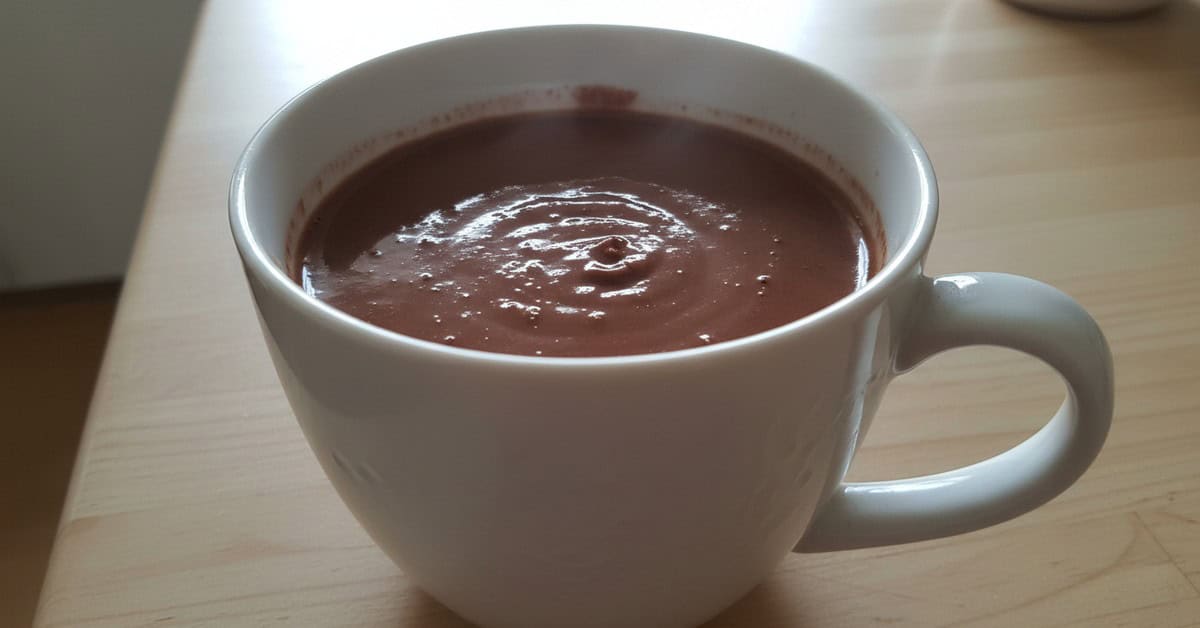

Use culinary lavender only
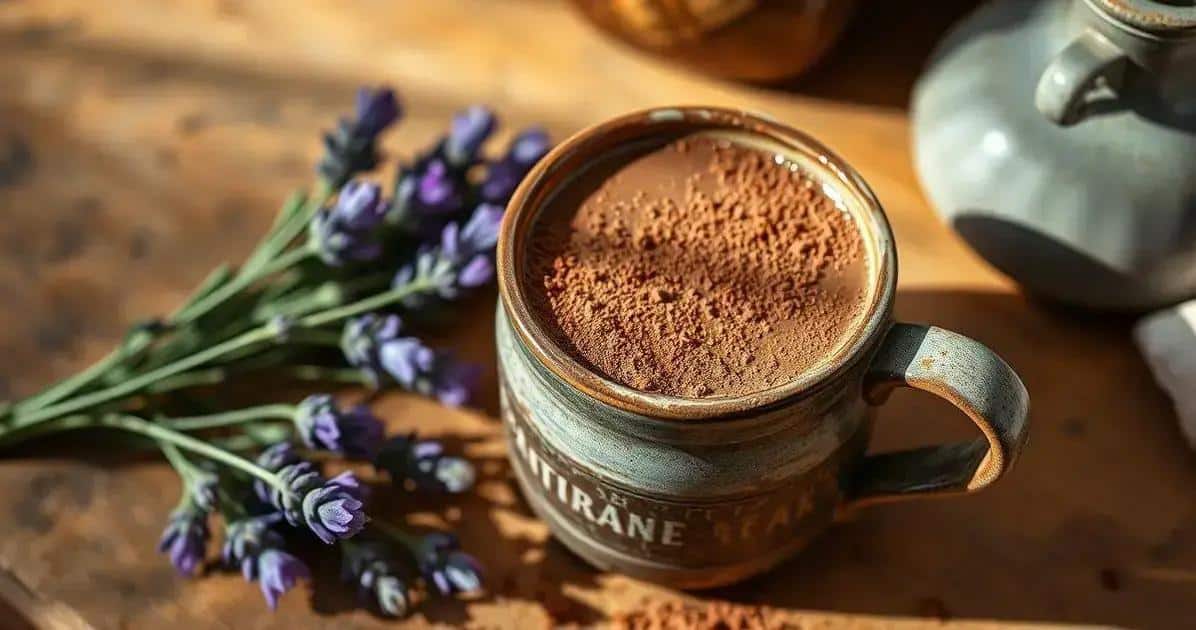
Choose dried lavender sold specifically for food use. Decorative or garden products may have been treated and can be the wrong variety. Lavender is powerful: begin with a small pinch and add more only after tasting.
Ingredients for two mugs
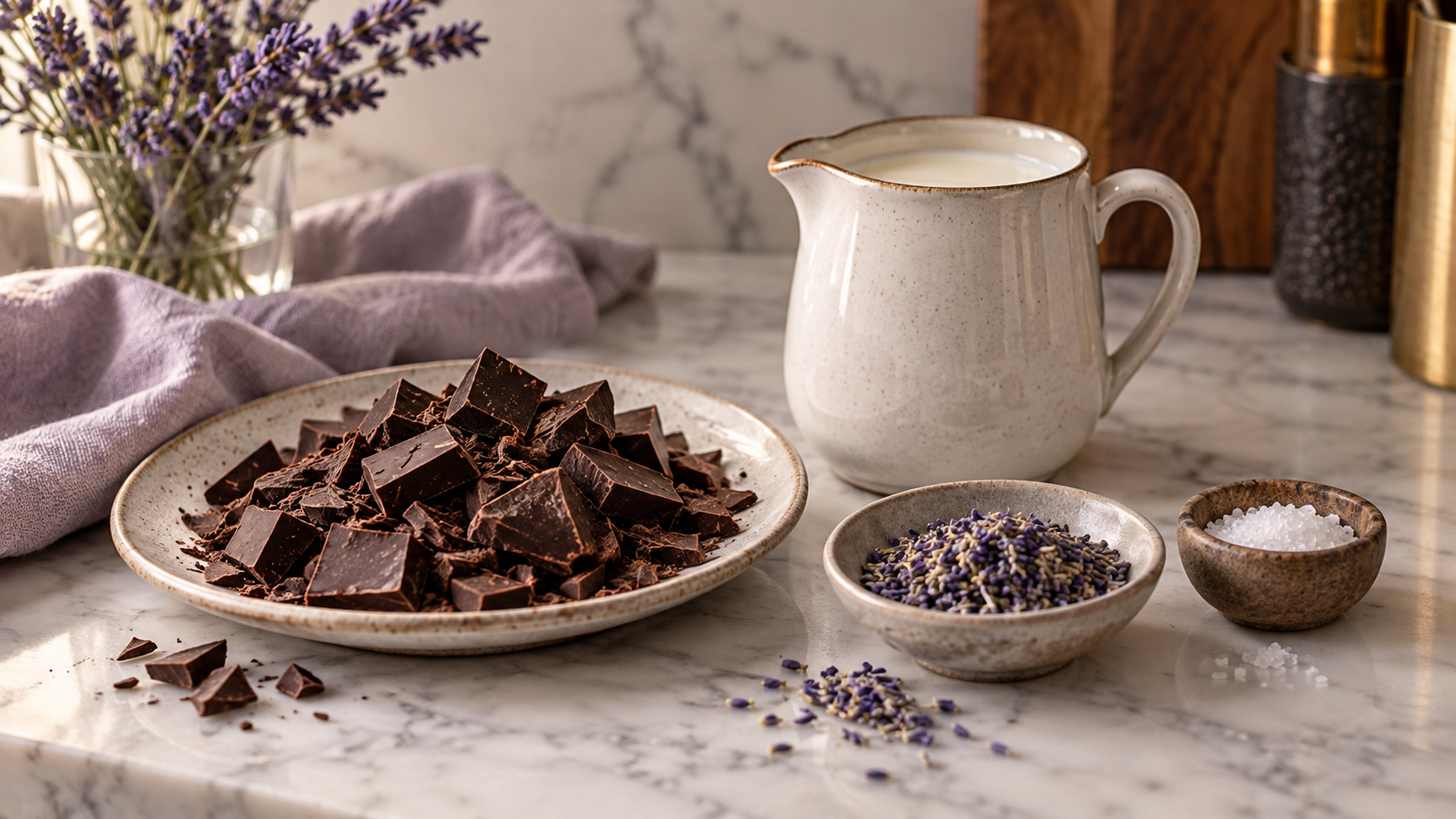
Use 500 ml whole milk or an unsweetened plant drink, 80 g finely chopped dark or milk chocolate, one quarter teaspoon culinary lavender and a small pinch of salt. Sweeten only after the chocolate has melted, because milk chocolate may already be sweet enough.
Infuse without bitterness
Warm the milk and lavender until steaming but not boiling, remove from the heat and cover for three to five minutes. Strain through a fine sieve. A longer infusion can become perfumed, bitter or medicinal.
Add the chocolate

Return the strained milk to low heat and whisk in the chopped chocolate. Stir until smooth and hot throughout. Do not boil, as excessive heat can scorch milk and disturb the emulsion.
Balance the flavour

Taste before adding sugar. Salt can sharpen the cocoa, while a little vanilla softens the floral note. The finished drink should taste primarily of chocolate, with lavender in the background.
Serve safely

Serve immediately in heatproof mugs. Milk and plant drinks require the same attention to storage dates and hygiene as other perishable ingredients. State milk, soya, nut or other allergens according to the products used.
Useful variations

For a darker cup, use high-cocoa chocolate and a little more sweetener. Orange zest can replace lavender, but avoid adding acidic juice directly to dairy. For a vegan version, check both the drink and chocolate labels rather than assuming dark chocolate is milk-free.
Frequently asked questions
Why was this article rewritten rather than translated literally?
The source needed factual, food-safety or cultural correction, so the English version keeps the useful topic while removing unsupported claims.
Are temperatures and shelf lives universal?
No. Equipment, ingredients and fillings vary; use a tested recipe, manufacturer guidance and appropriate food-safety controls.
Can decorative materials touch food?
Only materials intended for food contact should touch edible products, and flowers or non-food objects need a reliable barrier.
How should allergens be checked?
Read every current ingredient label and consider cross-contact; never infer allergen status from a product name or appearance.
Can a home method be scaled for sale?
Commercial production needs repeatable records, hygiene controls, compliant labelling and validation for the actual process.
Where should historical or language claims be verified?
Use dated archives, official records and qualified language references when a precise claim matters.