
Taste the liqueur first
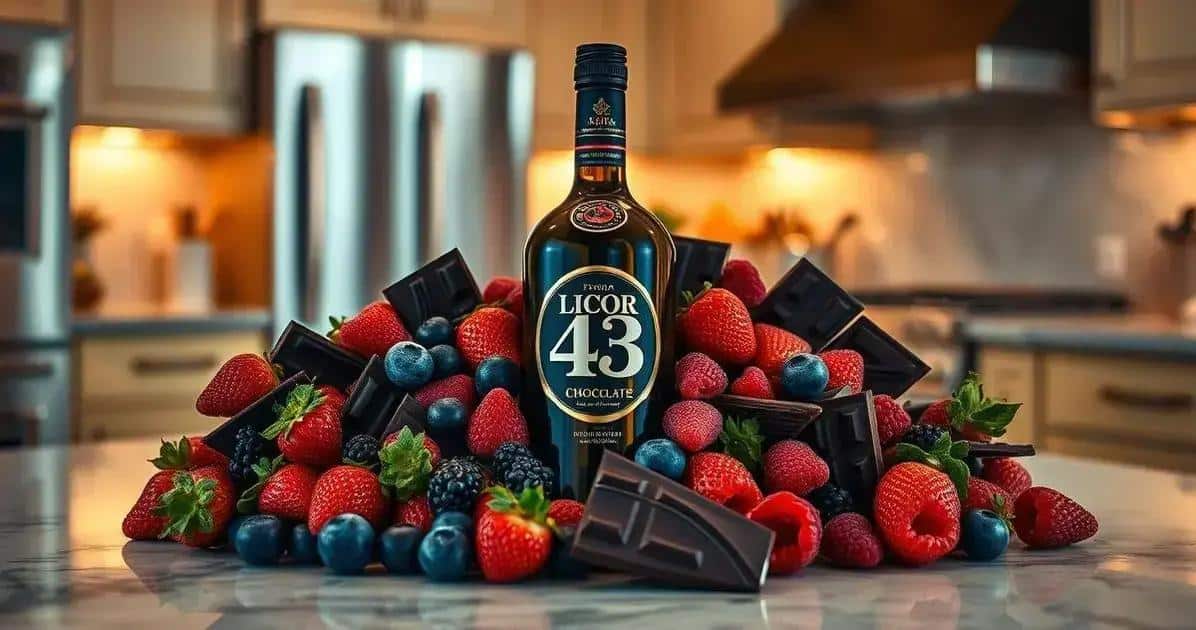
Taste a small amount at the intended serving temperature and note whether it is creamy, bitter, coffee-led, nutty or strongly sweet. The label also tells you about milk, nuts and other allergens.
Pair by intensity
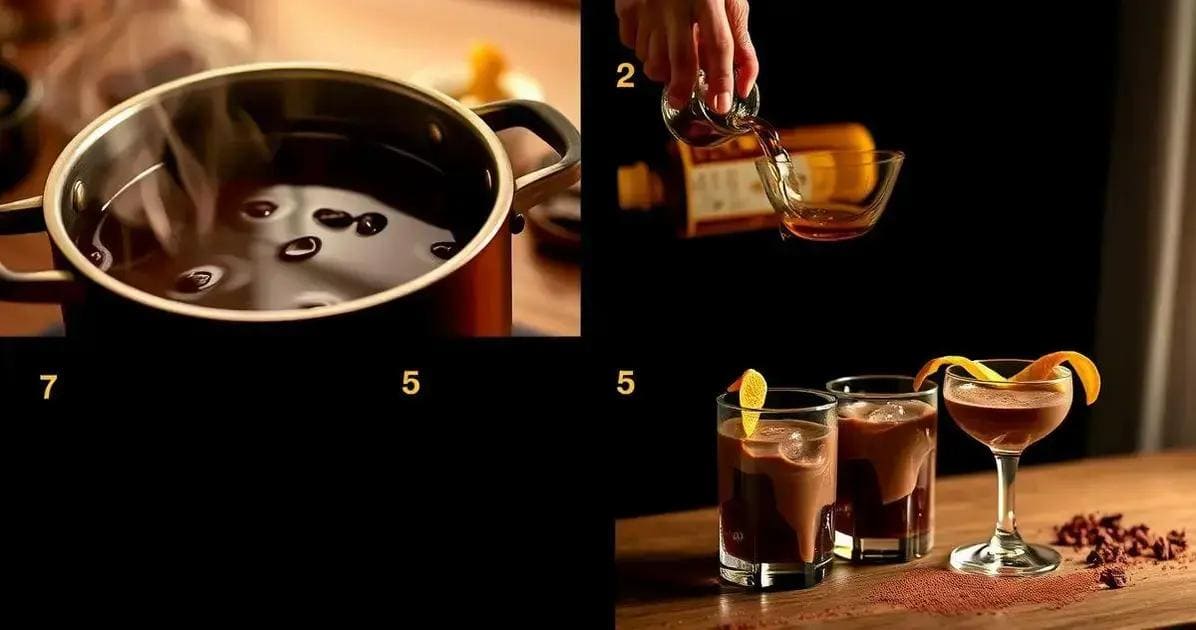
A rich liqueur can support dark chocolate, coffee and toasted nuts, while a lighter creamy style may suit vanilla or milk chocolate. Avoid pairing two strongly flavoured items that compete.
Use contrast with cheese

Salt and acidity can balance sweetness. Mild blue cheese, aged hard cheese or a soft tangy cheese may work, but test one bite with one sip before building a full board.
Keep desserts less sweet
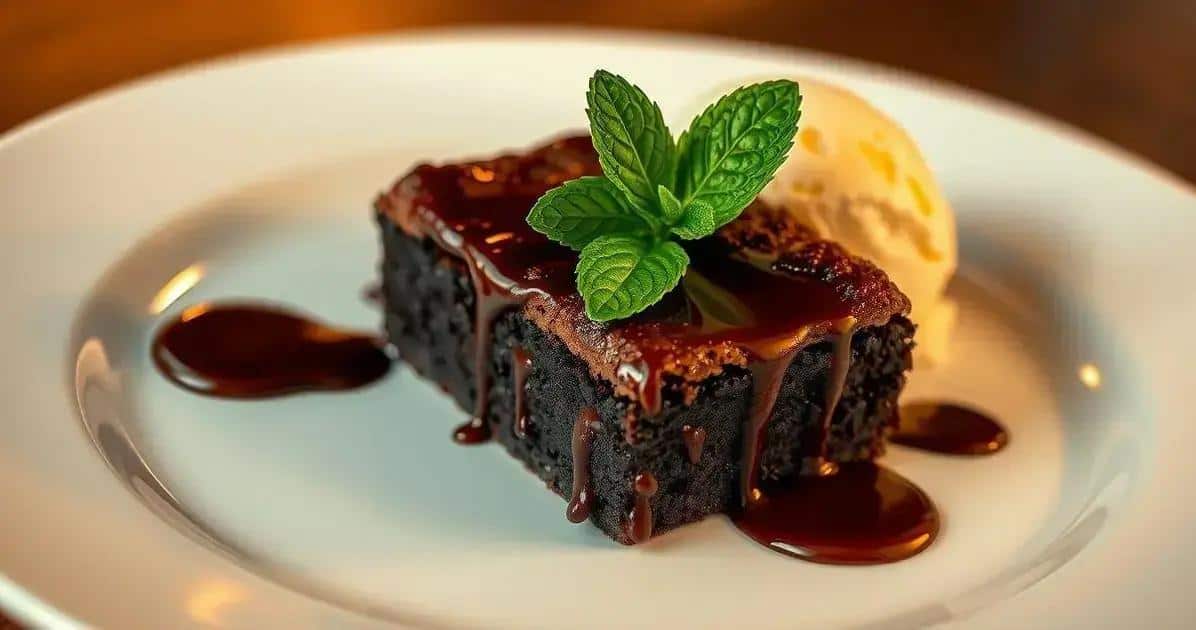
Choose plain shortbread, unsweetened cocoa desserts or modestly sweet fruit rather than serving the liqueur beside the sweetest cake available. Small portions make comparison easier.
Serve small measured portions
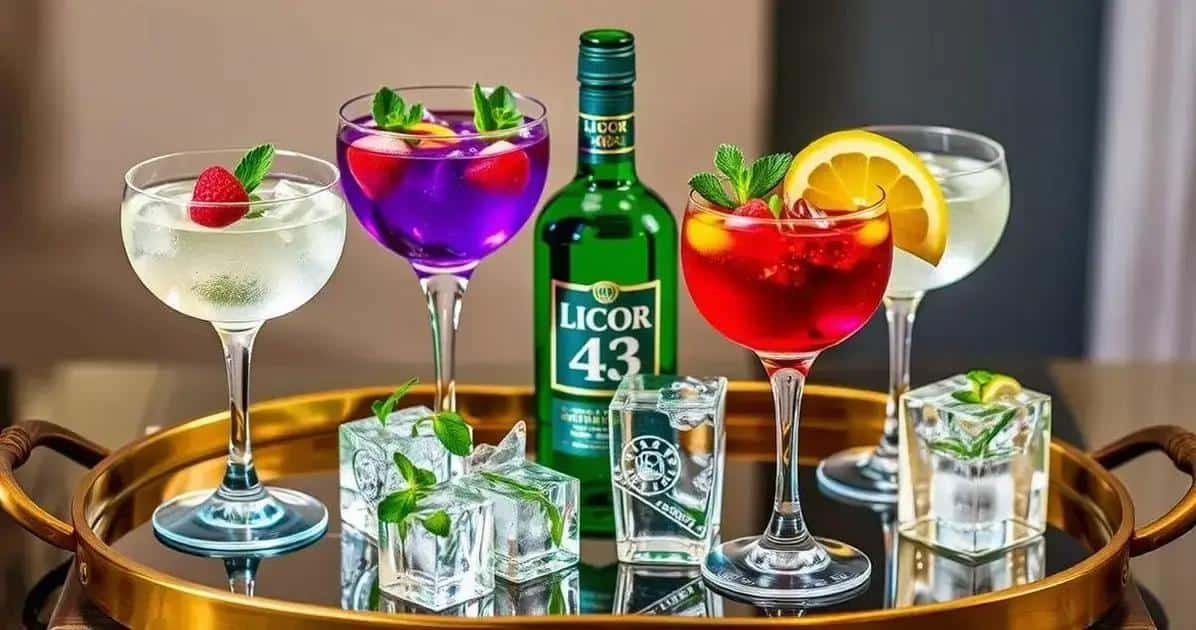
Use proper liqueur glasses and measured pours. Provide water, food and clear allergen information, and never pressure guests to drink or treat a tasting as suitable for drivers.
Offer alcohol-free choices
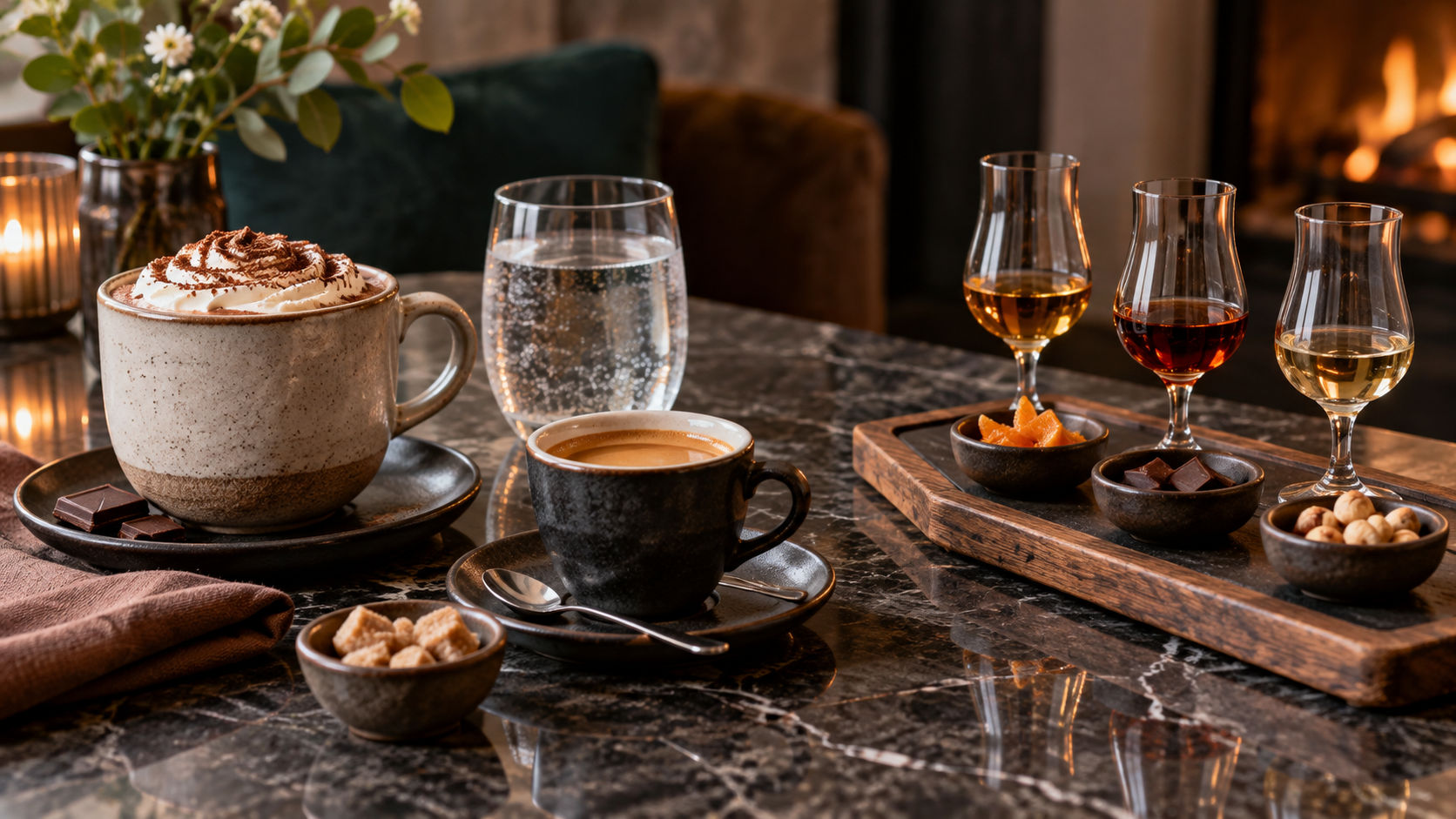
Offer coffee, cocoa or an alcohol-free chocolate drink in separate glassware. Do not describe a dish as alcohol-free when liqueur has been added, even if it was heated.
Frequently asked questions
Do I need an accurate thermometer?
It is strongly recommended for repeatable chocolate work because small temperature differences affect texture and setting.
Can I substitute another chocolate product?
Only when the recipe is designed for it; cocoa butter, vegetable fat, sugar and milk change the result.
How should finished items be stored?
Use a cool, dry place for plain chocolate and refrigeration for any filling that contains perishable ingredients.
Which allergens should I declare?
Check every label for milk, soya, nuts, gluten and other required allergens, including cross-contact warnings.
Can I sell or gift the result?
Use food-safe packaging, accurate labels and a conservative storage period, and follow current local food rules.
What should I do if the texture looks wrong?
Stop, check temperature and contamination, and test a small correction rather than adding ingredients at random.