
Use chocolate suited to tempering
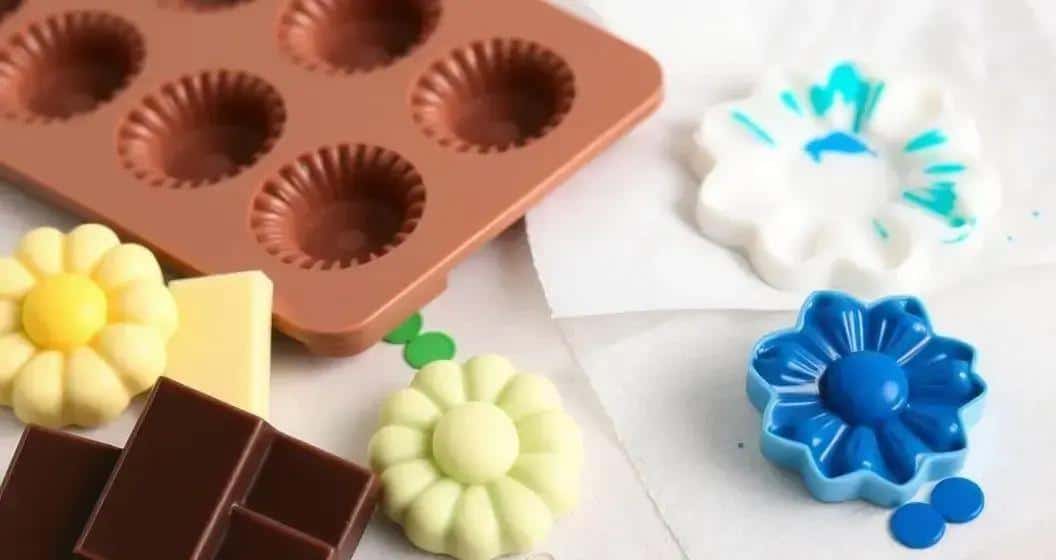
Choose couverture whose cocoa butter content and working curve are known. Compound coating follows different instructions and should not be presented as tempered chocolate.
Choose a food-safe flower mould
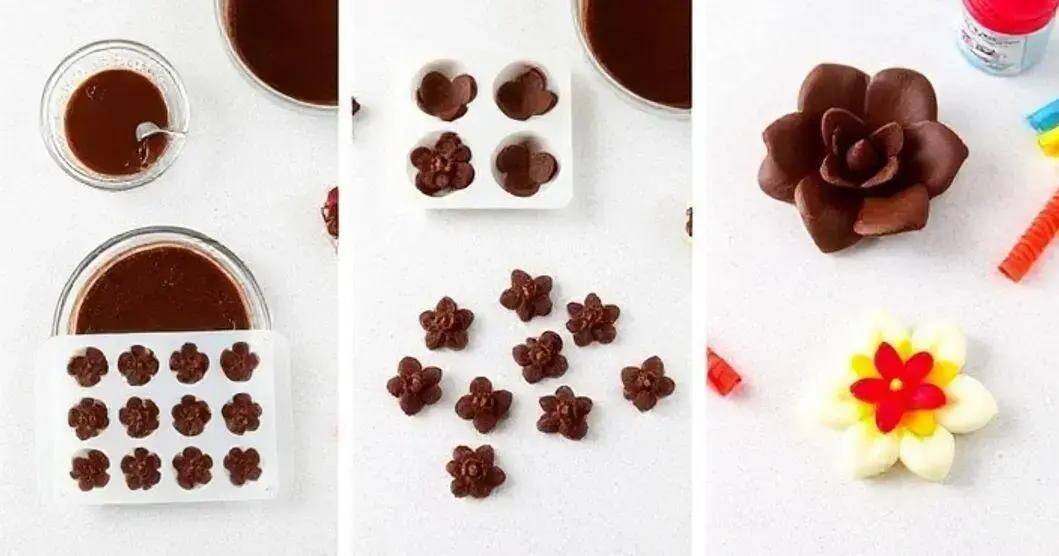
Use a clean, dry mould sold for food contact. A detailed rigid mould gives sharper petals, while flexible silicone is easier to release but may produce a softer finish.
Temper each chocolate separately
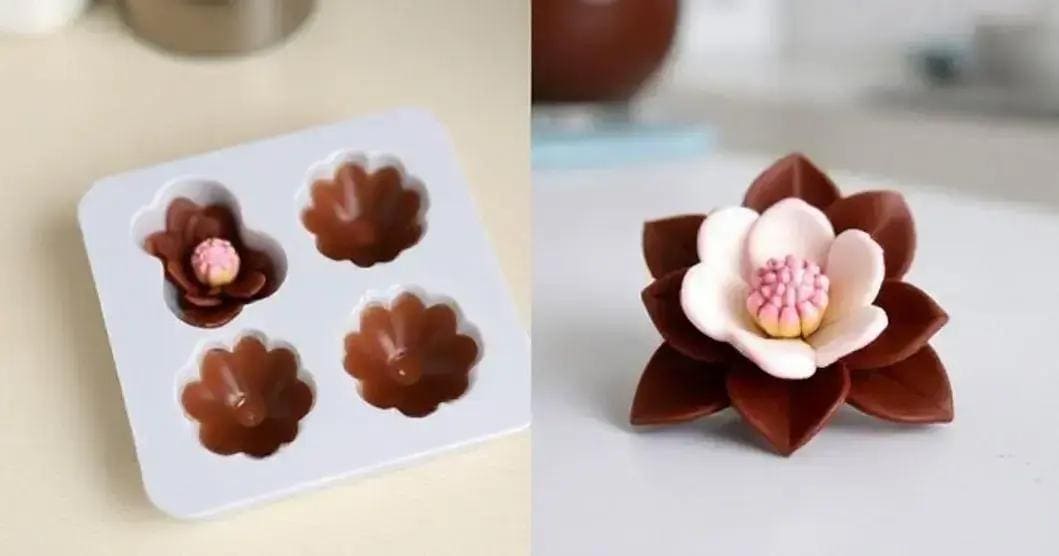
Dark, milk and white chocolate have different tempering temperatures. Work with one type at a time and keep all tools free of water and steam.
Build thin petal details first
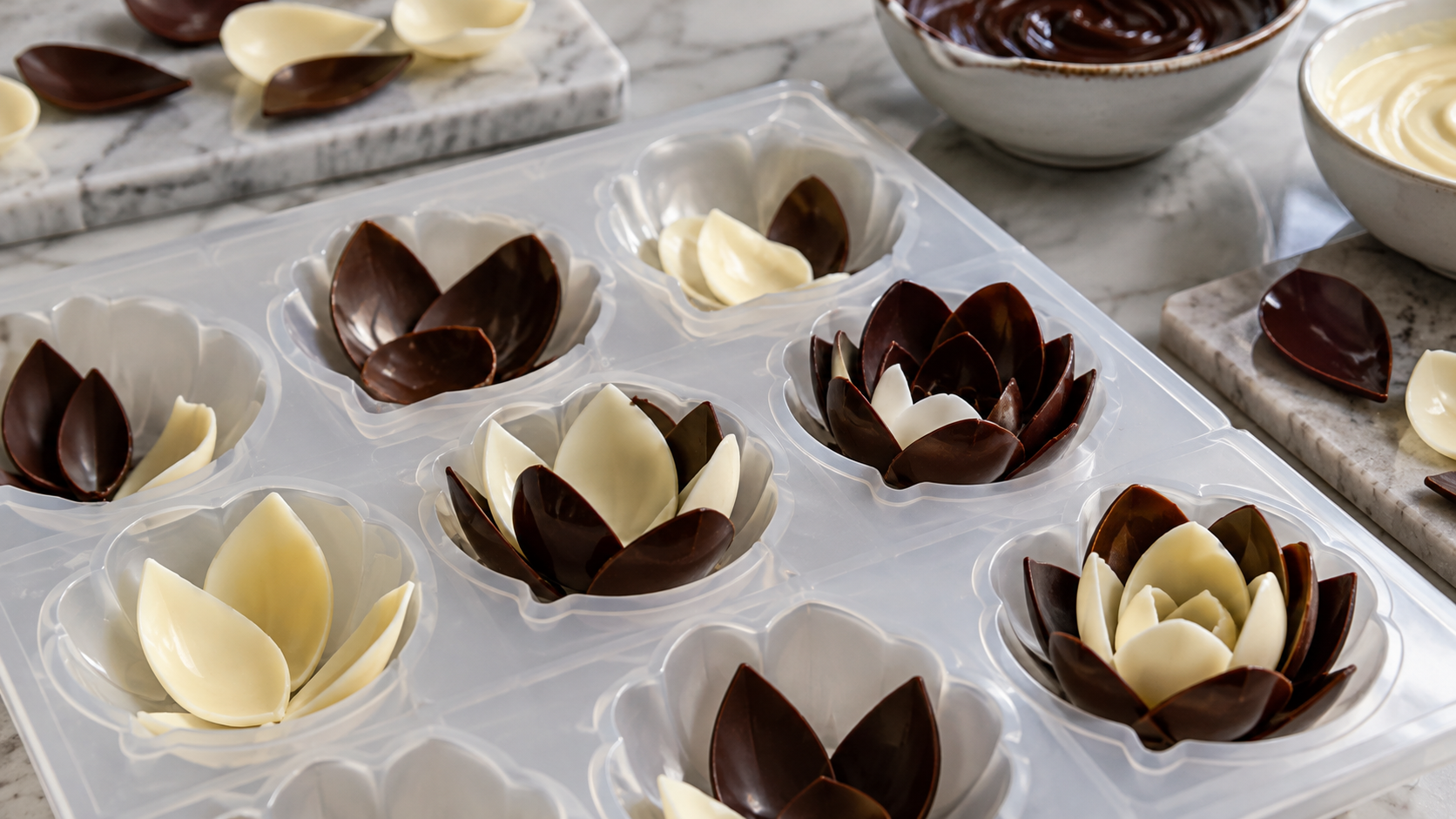
Pipe contrasting tempered chocolate into small petal details and let it begin to crystallise. Food colouring must be fat-soluble and approved for the intended use.
Fill the mould without bubbles

Add the main chocolate, tap gently to release trapped air and scrape the surface level. Keep the base thick enough to support the petals without making the flower bulky.
Release only after crystallisation
Allow the chocolate to crystallise in a cool, dry place. Release it gently; forcing a warm or poorly tempered flower will bend petals or leave a dull surface.
Store and display carefully
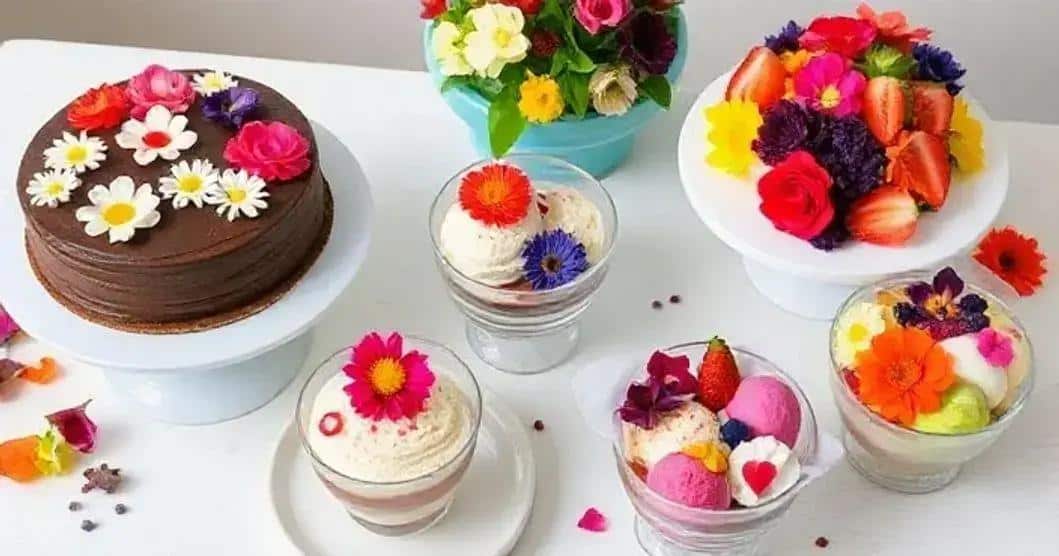
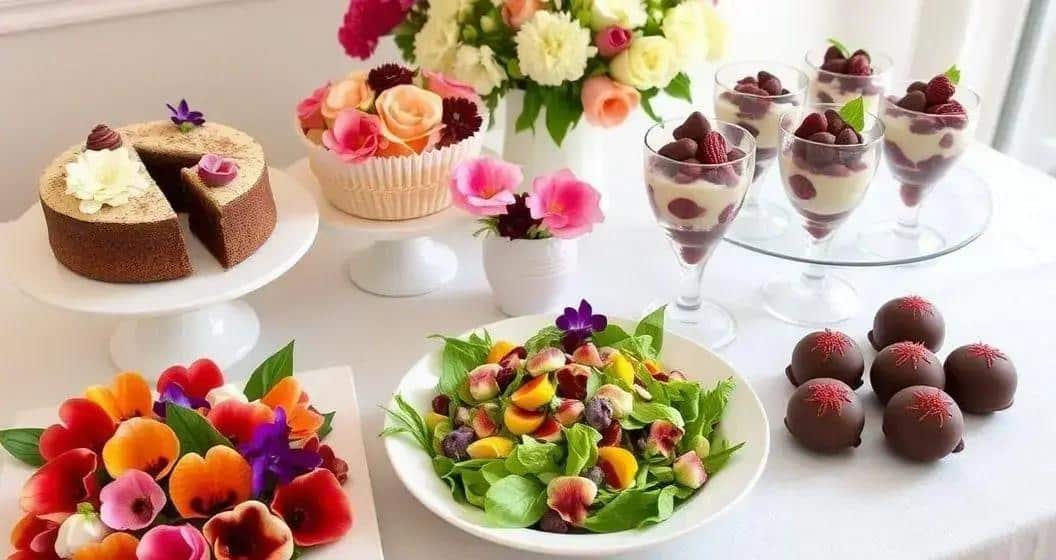
Keep finished flowers away from humidity, heat, odours and sunlight. Use them on a dry cake or dessert shortly before display and declare milk, soya and other allergens.
Frequently asked questions
Why was the source rewritten?
Unsafe, unsupported or technically unreliable instructions were corrected while preserving the useful subject.
How should allergens be handled?
Check every current pack, prevent cross-contact and keep accurate ingredient information.
Can storage time be copied from another recipe?
No. Validate it for the actual ingredients, hygiene, process and packaging.
Can quantities be changed freely?
Changes to water, fat, sugar, alcohol or acid can alter texture, safety and storage.
Are nutrition or health claims automatic?
No. They require the complete formulation, a defined portion and evidence under the applicable rules.
What should be recorded during testing?
Record exact weights, temperatures, times, yield, storage and the result of each controlled trial.