
Preparing strong chocolate shells

Temper couverture chocolate and coat clean, dry moulds evenly. Turn the mould over to drain the excess, scrape the top clean and let the shells set before adding any filling.
Choosing a stable filling
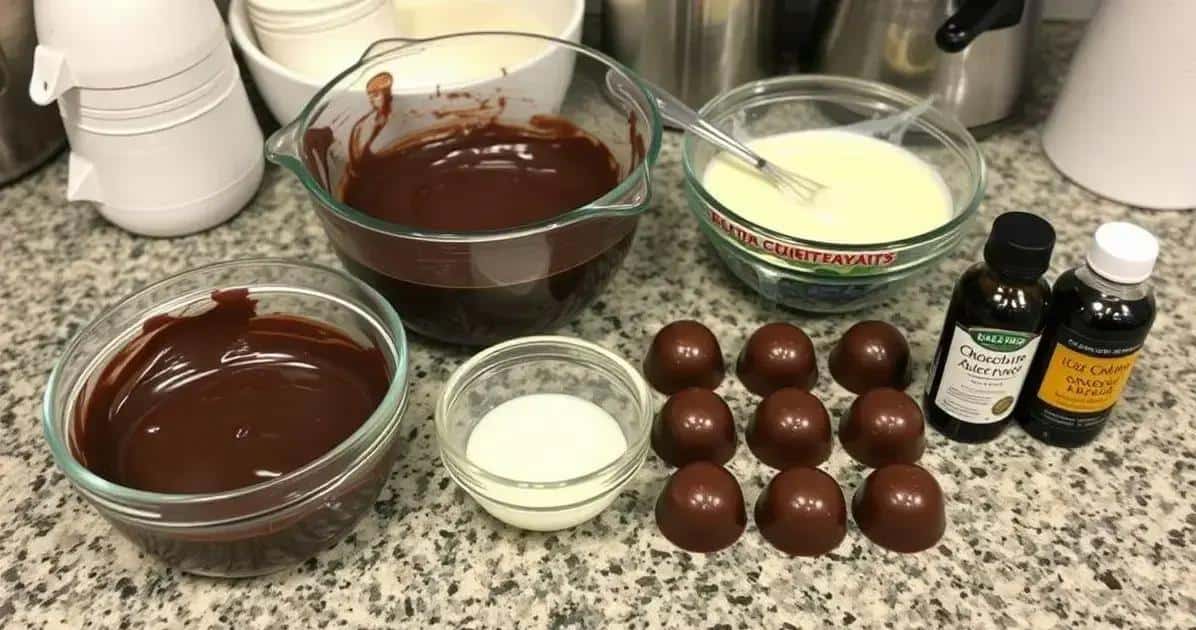
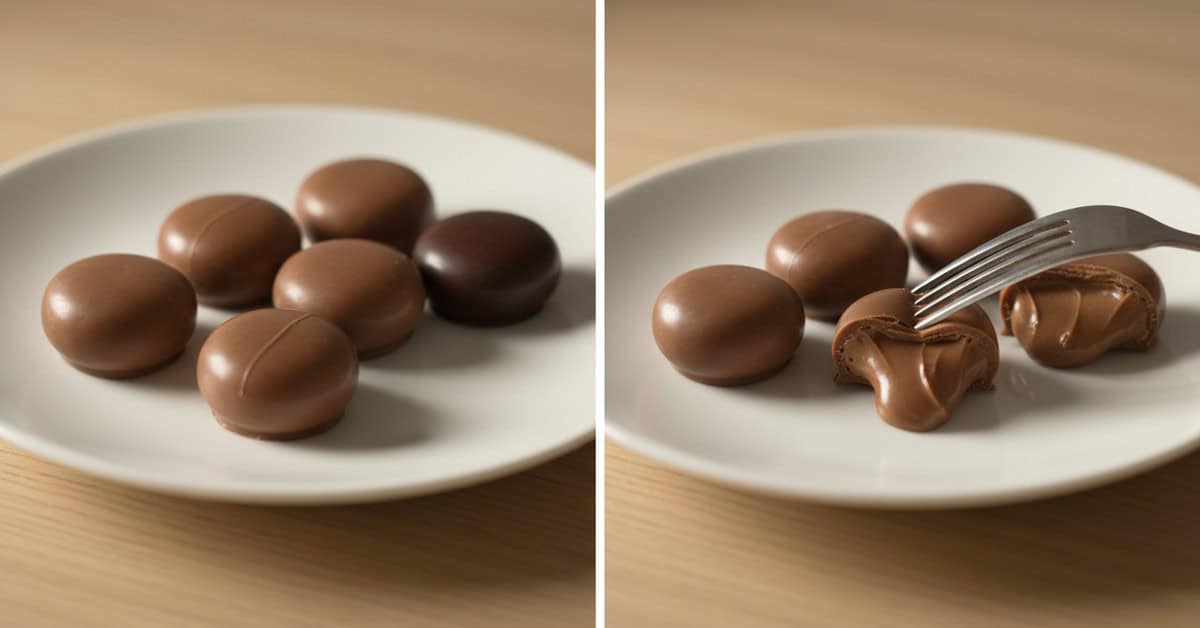
Use fillings designed for chocolates, such as a firm ganache, caramel or nut praline. Very wet fruit purées and loose creams can soften the shell and shorten shelf life.
Cooling the filling
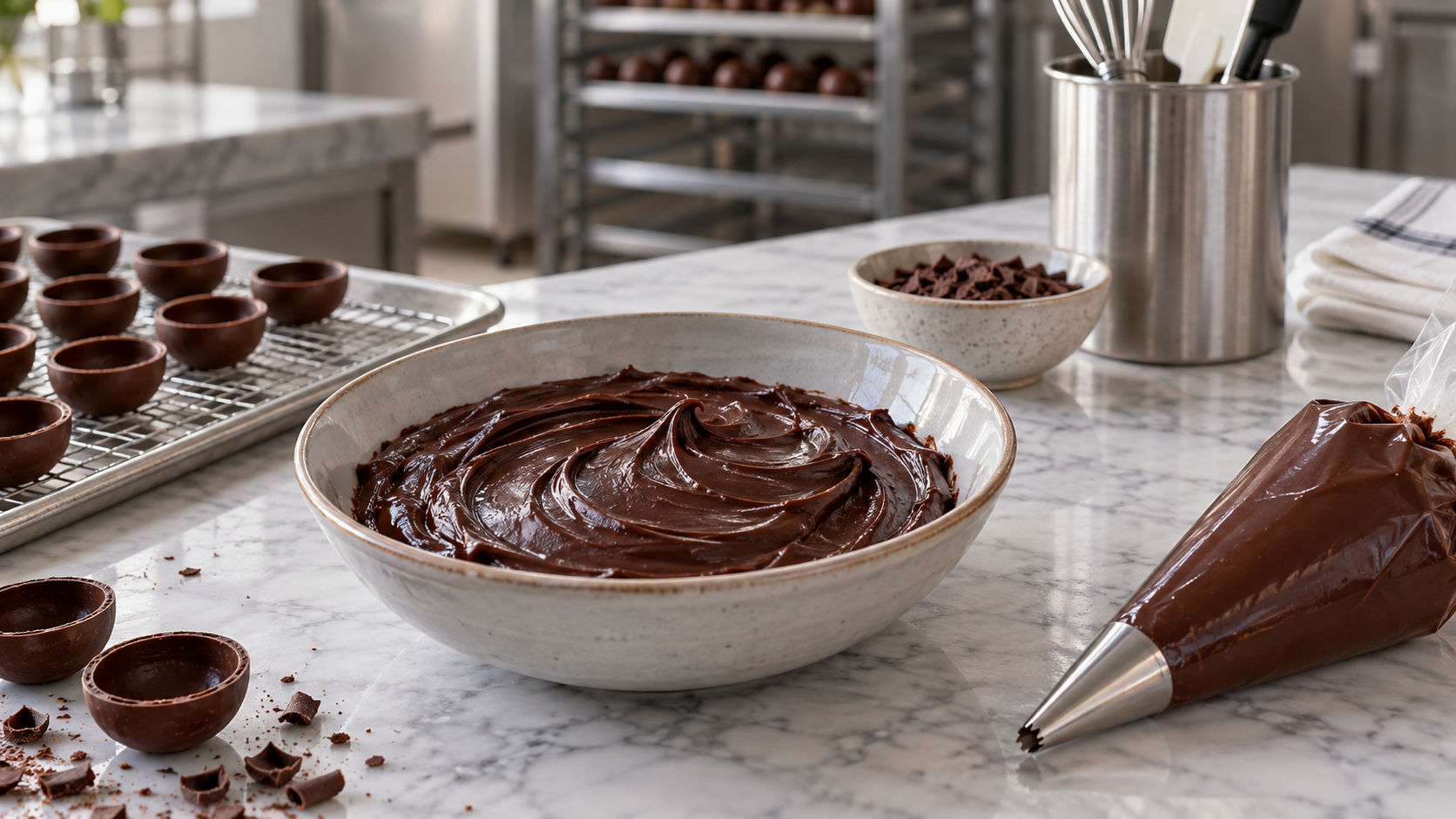
The filling must be cool and pipeable, never hot. Warm ganache can melt the shell; an overfirm filling traps air and makes it difficult to leave a clean sealing gap.
Filling to the correct level
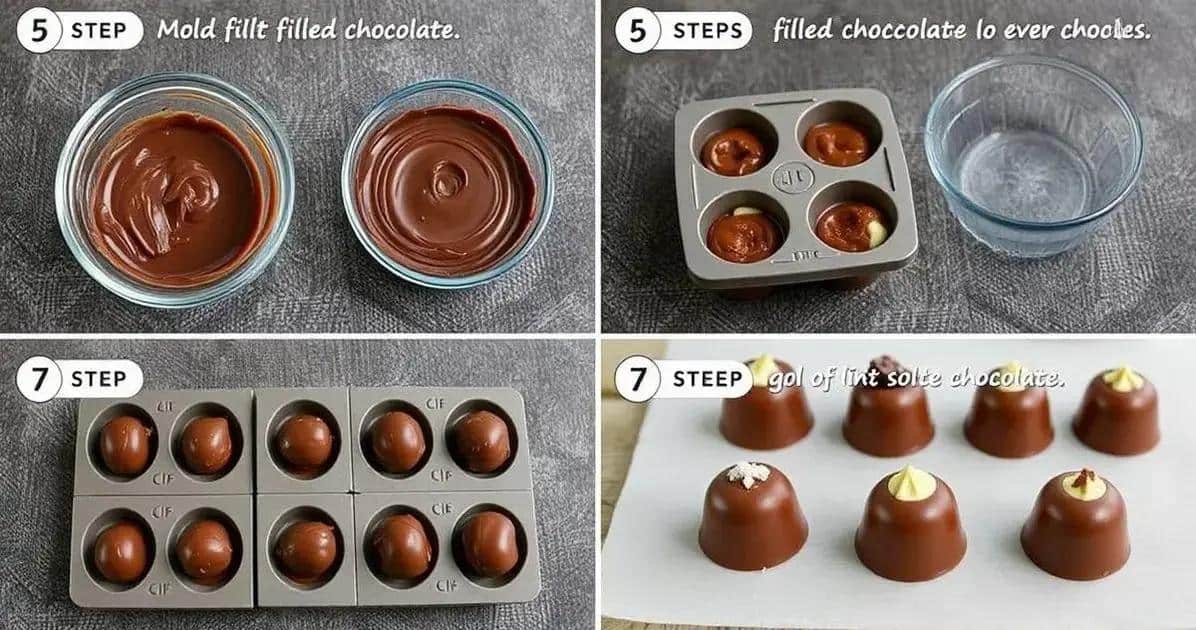
Pipe filling into each cavity, leaving about 2–3mm clear at the top. Wipe away any filling on the rim because chocolate will not form a sound seal over grease or moisture.
Sealing the chocolates
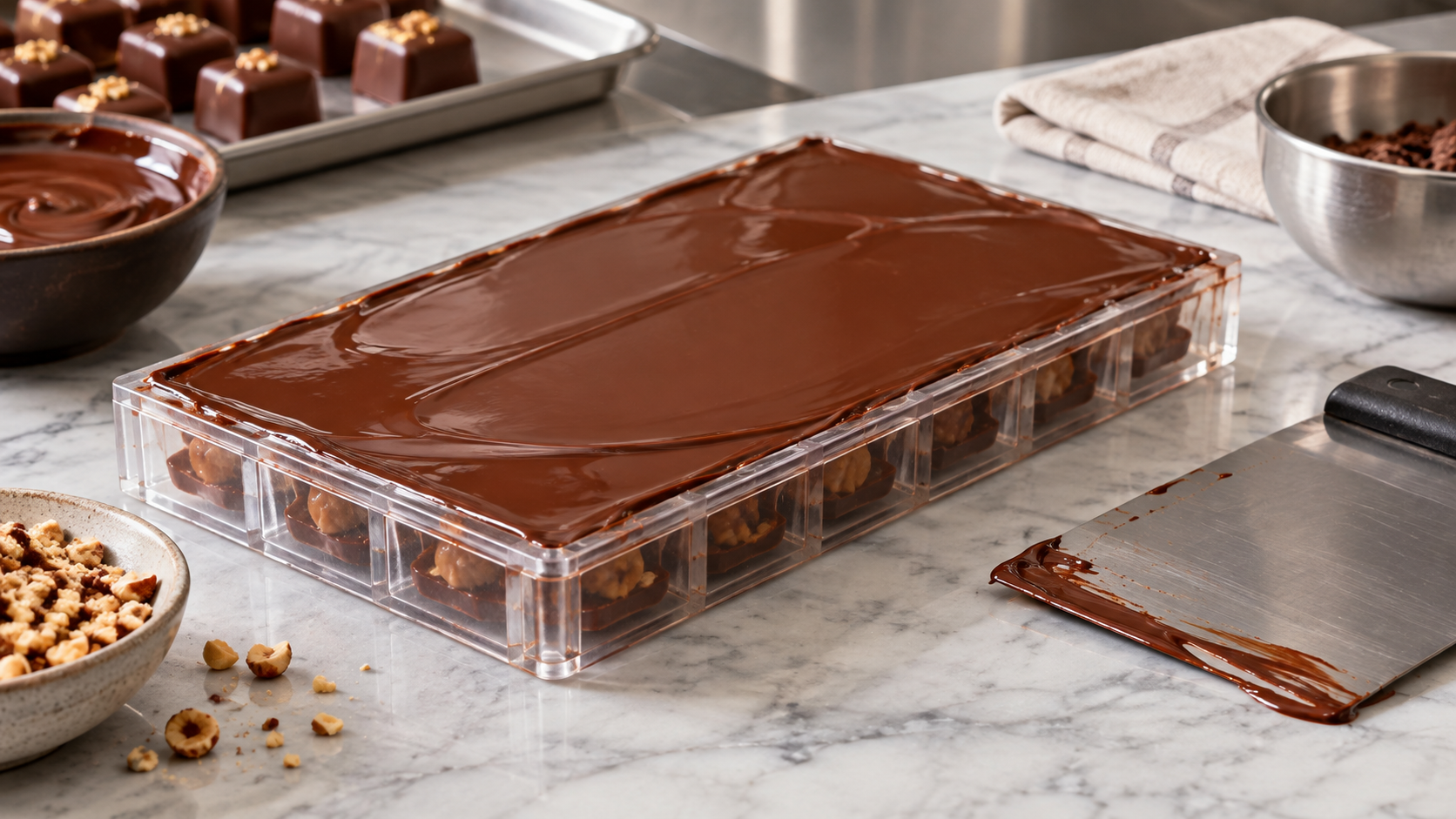
Cover with tempered chocolate, spread it across the mould and scrape level in one confident pass. Let the base crystallise fully at cool room temperature.
Unmoulding and checking
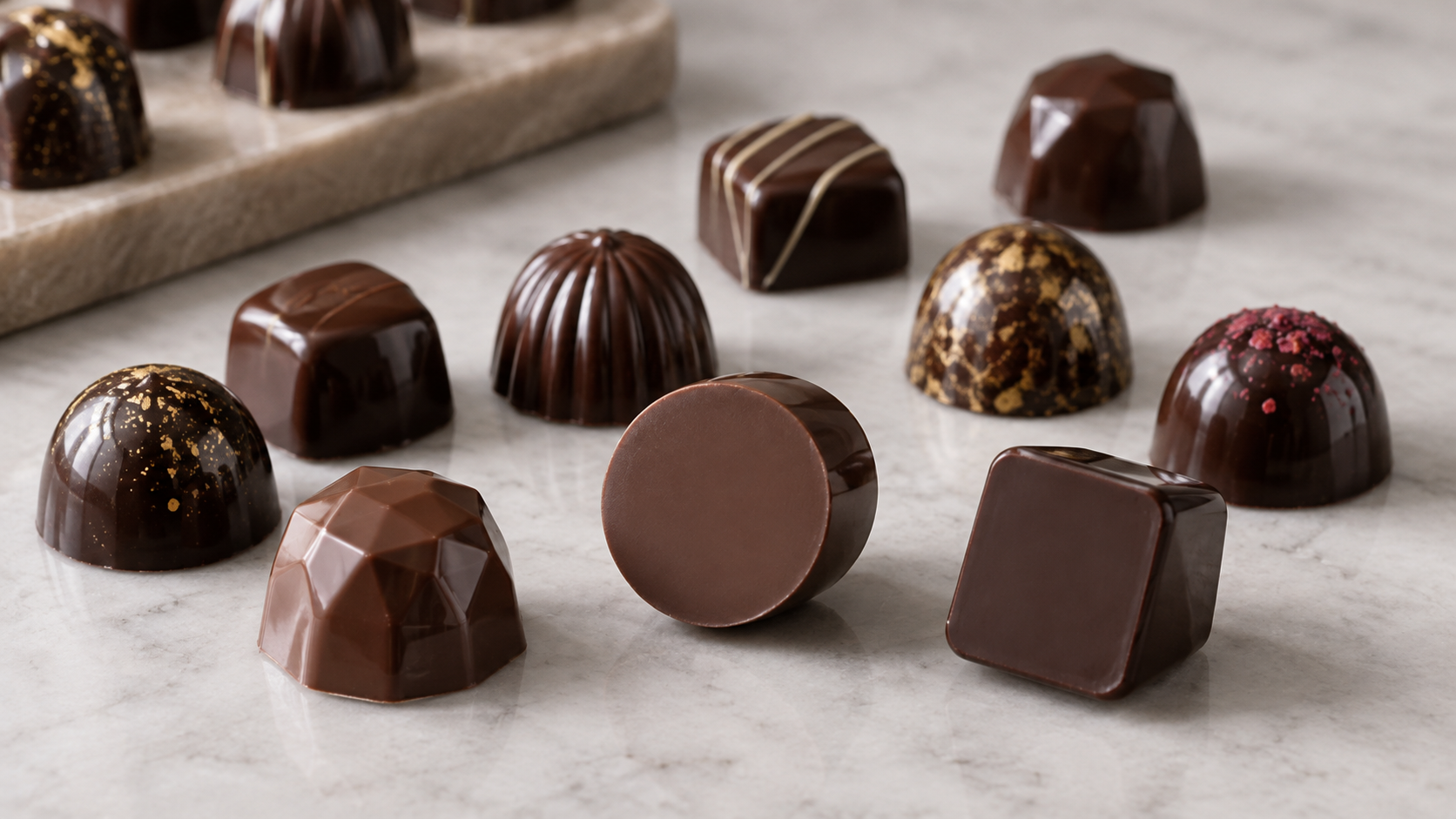
Release the mould only when the chocolates have contracted and the underside looks even. Inspect every base and set aside pieces with cracks or visible gaps.
Storage and food safety
Fresh-cream fillings need conservative storage and a tested shelf life. Keep batches labelled with ingredients and allergens, and refrigerate when the recipe requires it.
Frequently asked questions
Can I use supermarket chocolate?
It can work for simple baking and drizzles, but couverture chocolate gives more predictable tempering, shine and snap.
Why did my chocolate become thick or grainy?
Water, steam or overheating may have caused it to seize. Keep every tool dry and melt with gentle heat.
Should chocolate go in the fridge?
Use a cool, dry cupboard when conditions are stable. Refrigerate only when heat or a perishable filling makes it necessary, and keep the container sealed.
How do I avoid fingerprints?
Handle set decorations with clean food-safe gloves, tweezers or a cool palette knife.
Can I prepare decorations ahead?
Yes. Store them airtight between sheets of baking paper in a cool, dark and dry place.
Which allergens should I declare?
Check every product label, particularly for milk, soya, nuts and possible traces from shared manufacturing equipment.