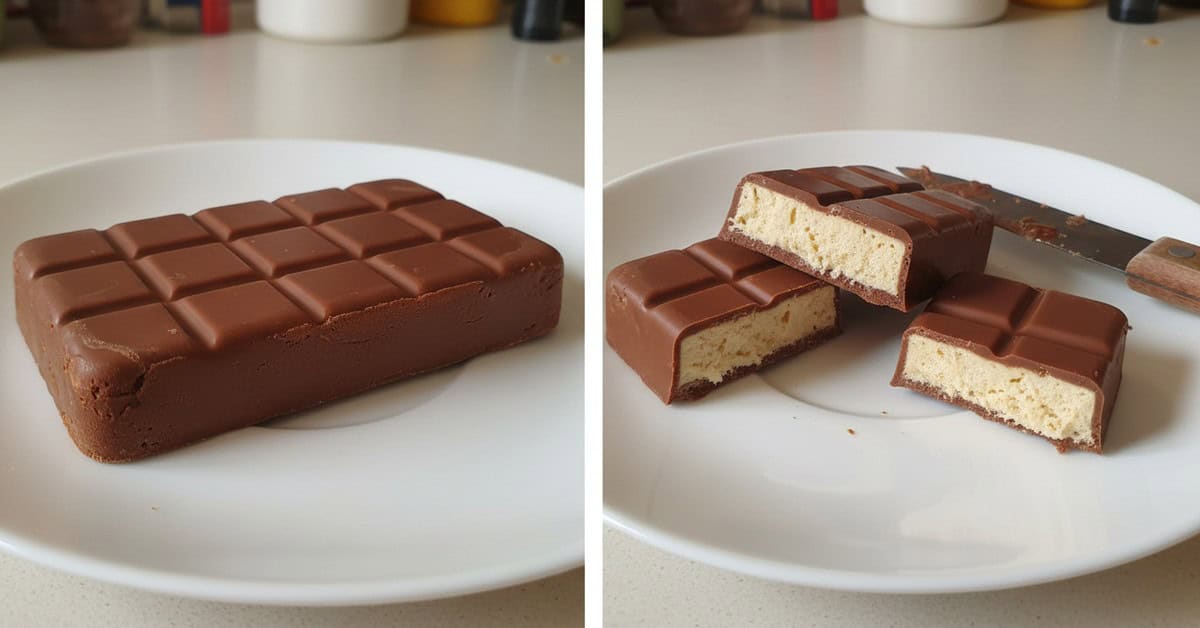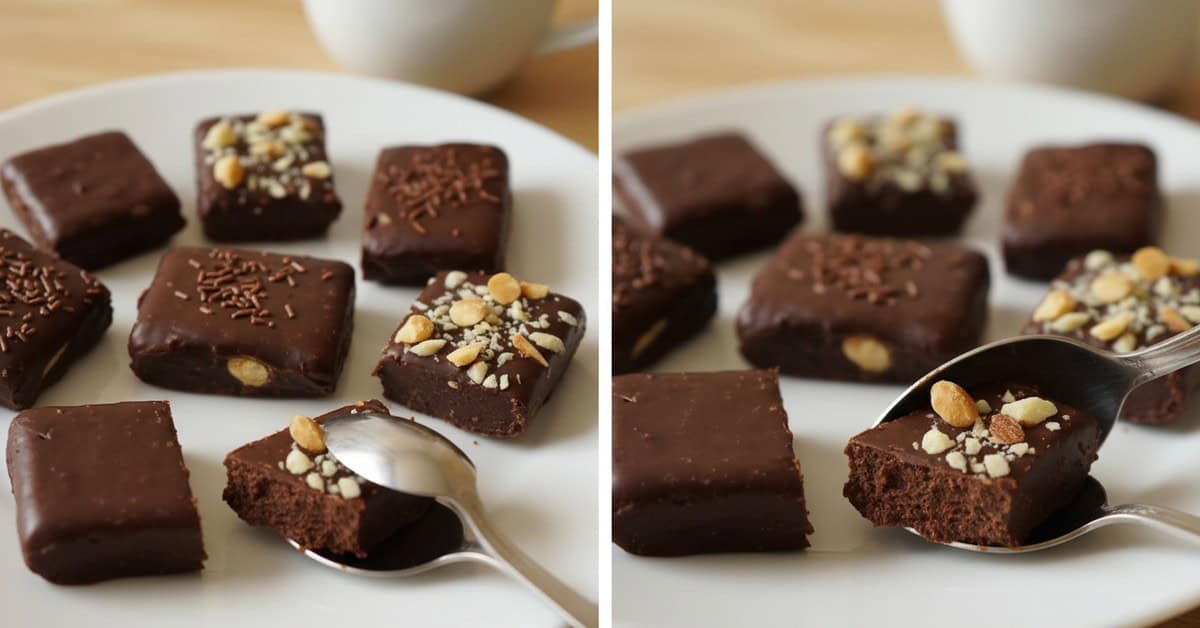

Understand why the fruit loses its crunch
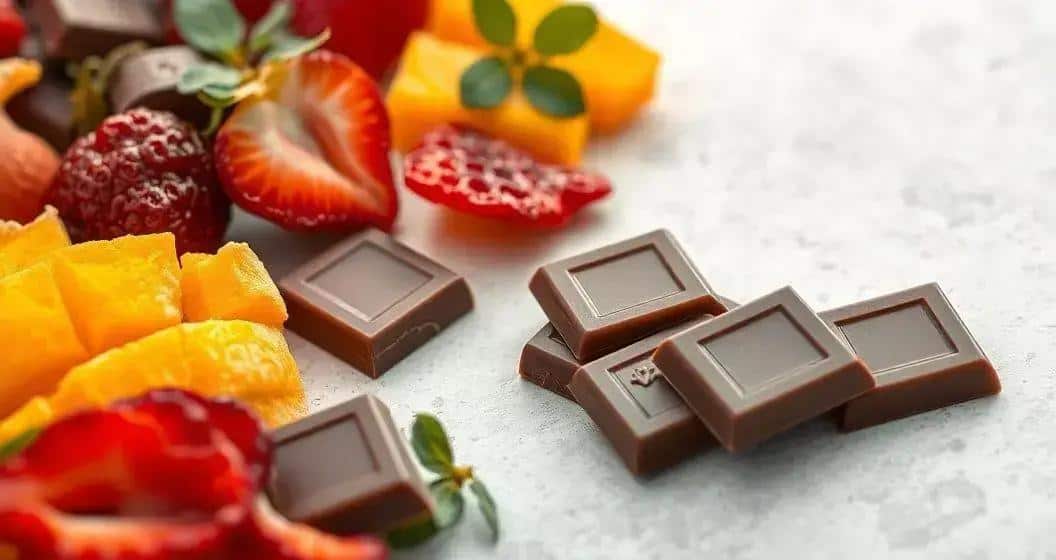
Freeze-dried fruit is porous and absorbs moisture quickly. Once exposed to humid air or wet fillings it softens, so open the packet only when the tempered chocolate and moulds are ready.
Choose intact dry fruit
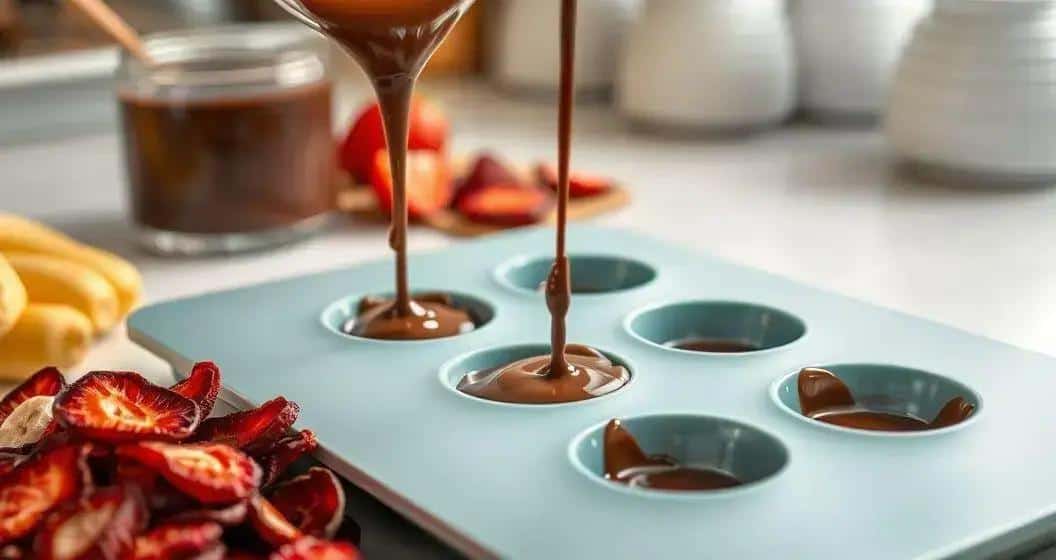
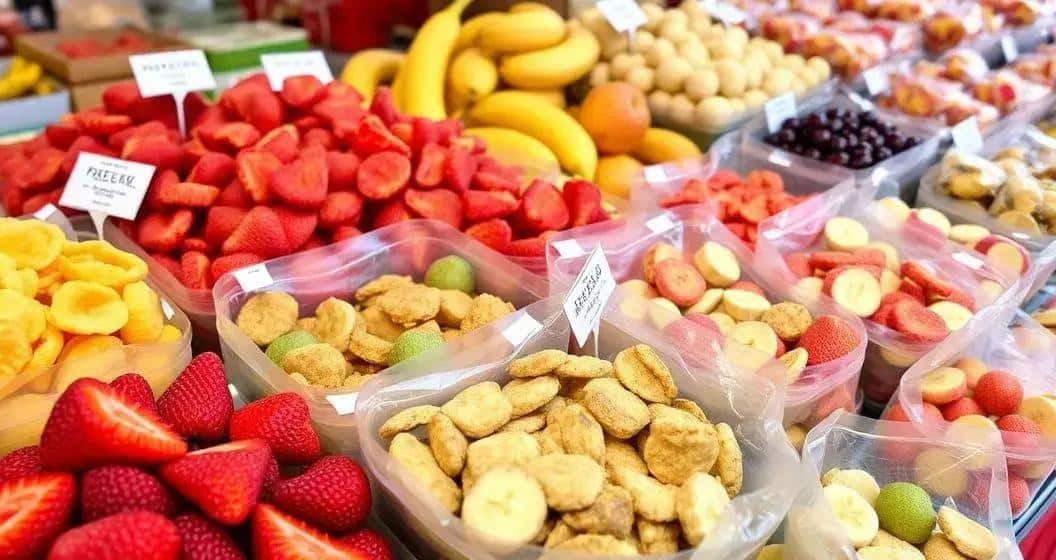
Choose crisp pieces without soft spots and check the ingredient and allergen label. Whole slices are attractive but fragile; powder gives colour and sharp flavour but picks up moisture even faster.
Temper the chocolate correctly
Temper the chosen chocolate using its manufacturer’s temperatures. Moulds and utensils must be completely dry. Correct temper gives snap and contraction, while the fruit alone cannot fix poorly crystallised chocolate.
Add fruit at the right moment
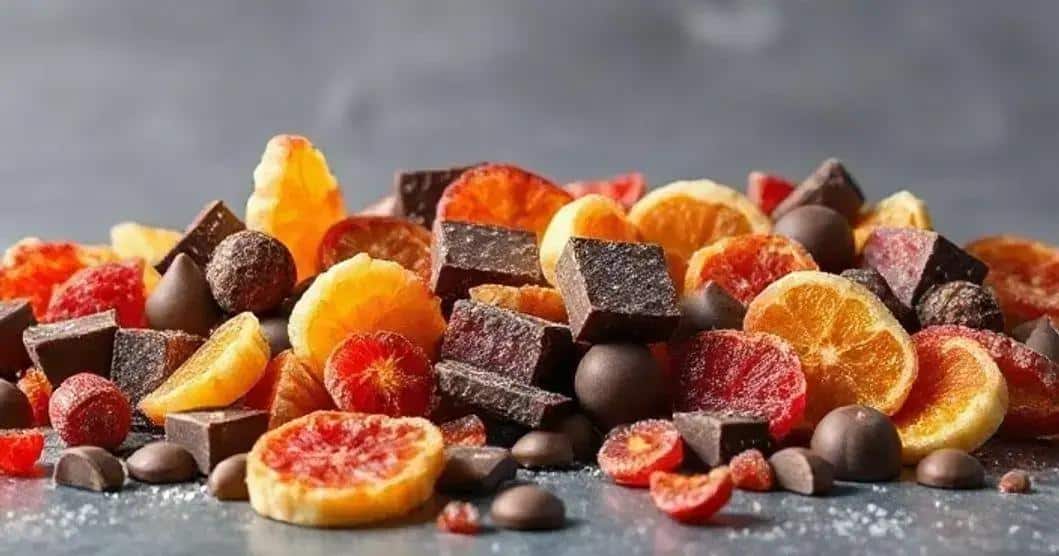
For bark, spread tempered chocolate, scatter fruit immediately and press very lightly before it sets. For a moulded bar, place small dry pieces where they will be fully supported and avoid creating gaps that weaken the bar.
Protect the finished chocolate from humidity

Let the chocolate set in a cool dry room, then package it promptly in a good moisture barrier. Store away from heat, sunlight and strong odours. Declare milk, nuts and soya as applicable and establish shelf life by testing the actual pack.
Frequently asked questions
Why was the original article not translated word for word?
It contained an unsafe, unsupported or technically unreliable point, so the useful subject was rebuilt directly in British English.
Can ingredient quantities be changed freely?
Small tests are safer. Changes to water, fat, sugar or protein can alter texture, setting and storage.
How should allergens be handled?
Read every current pack, prevent cross-contact and keep accurate ingredient information with the finished food.
Can a storage period be copied from another recipe?
No. Storage and shelf life need to match the actual ingredients, process, hygiene and packaging.
Do chocolate temperatures stay the same for every brand?
No. Chocolate type and formulation differ, so the manufacturer’s tempering guidance takes priority.
Are nutrition or hydration claims appropriate here?
Only when supported by the complete recipe and applicable rules. These guides describe preparation rather than medical or performance benefits.