
Select the chocolate and mould
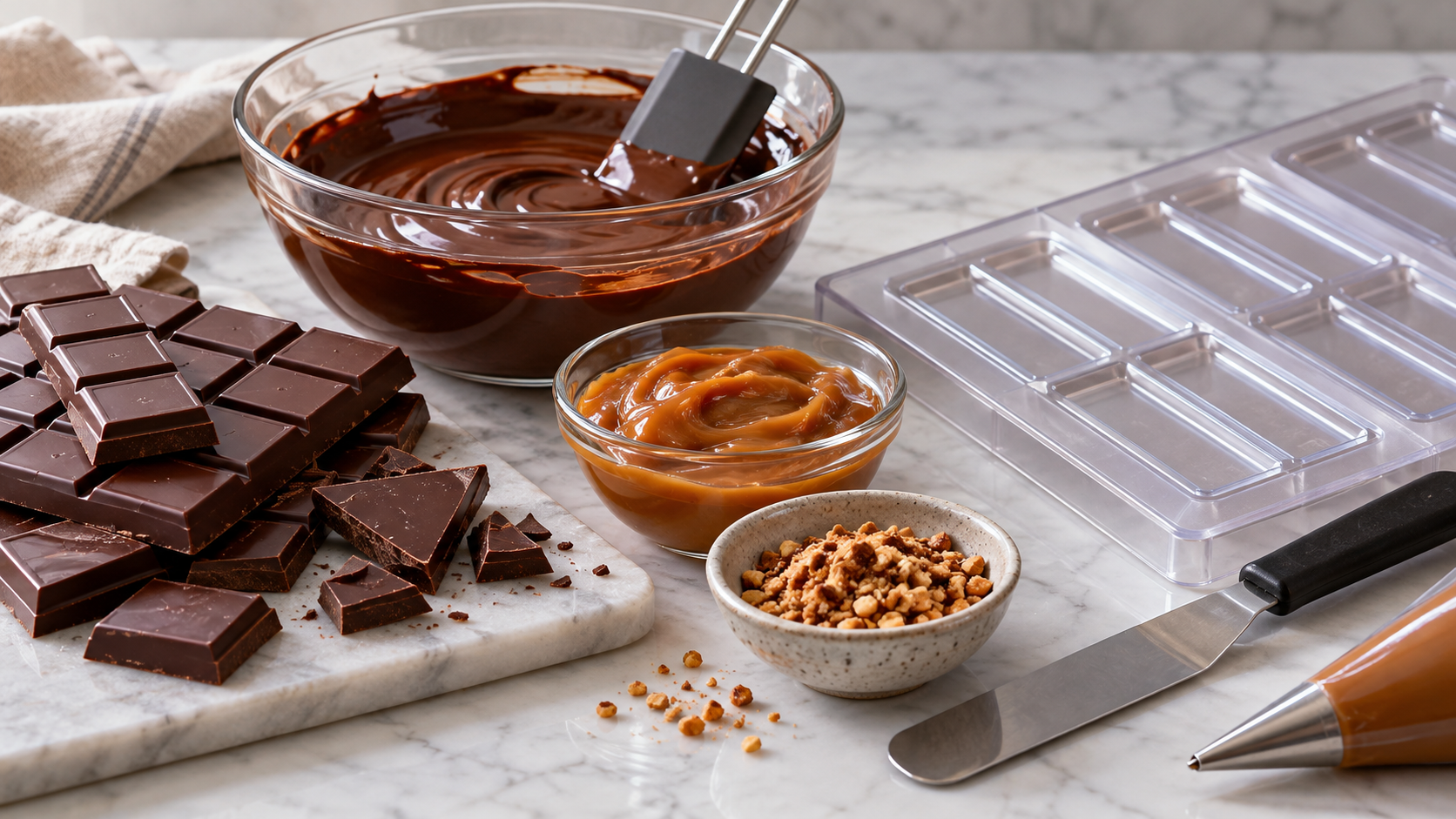
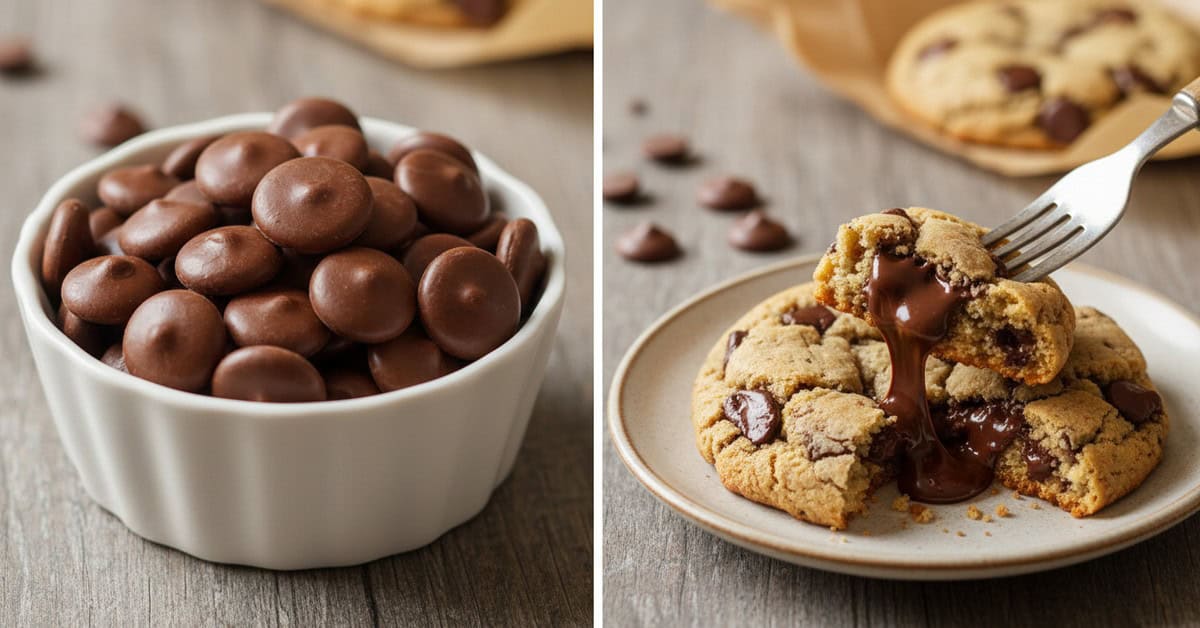
Choose a mould and chocolate with enough fluidity to form a shell that is pleasant to bite. Test one bar before making a large batch.
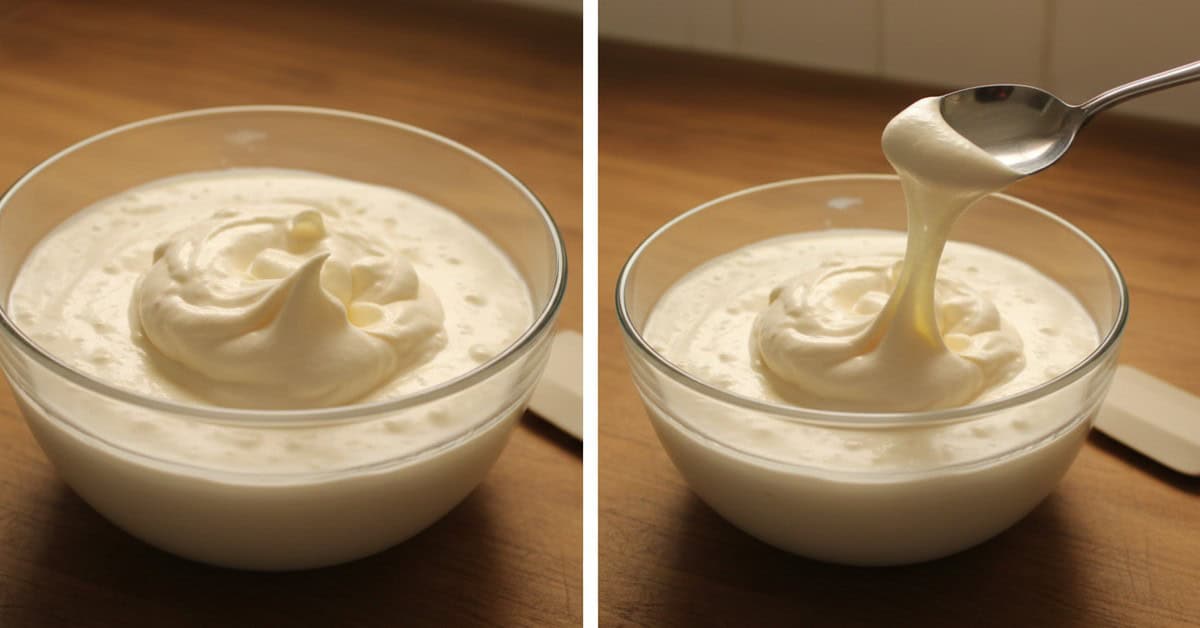
Make a dry praline filling
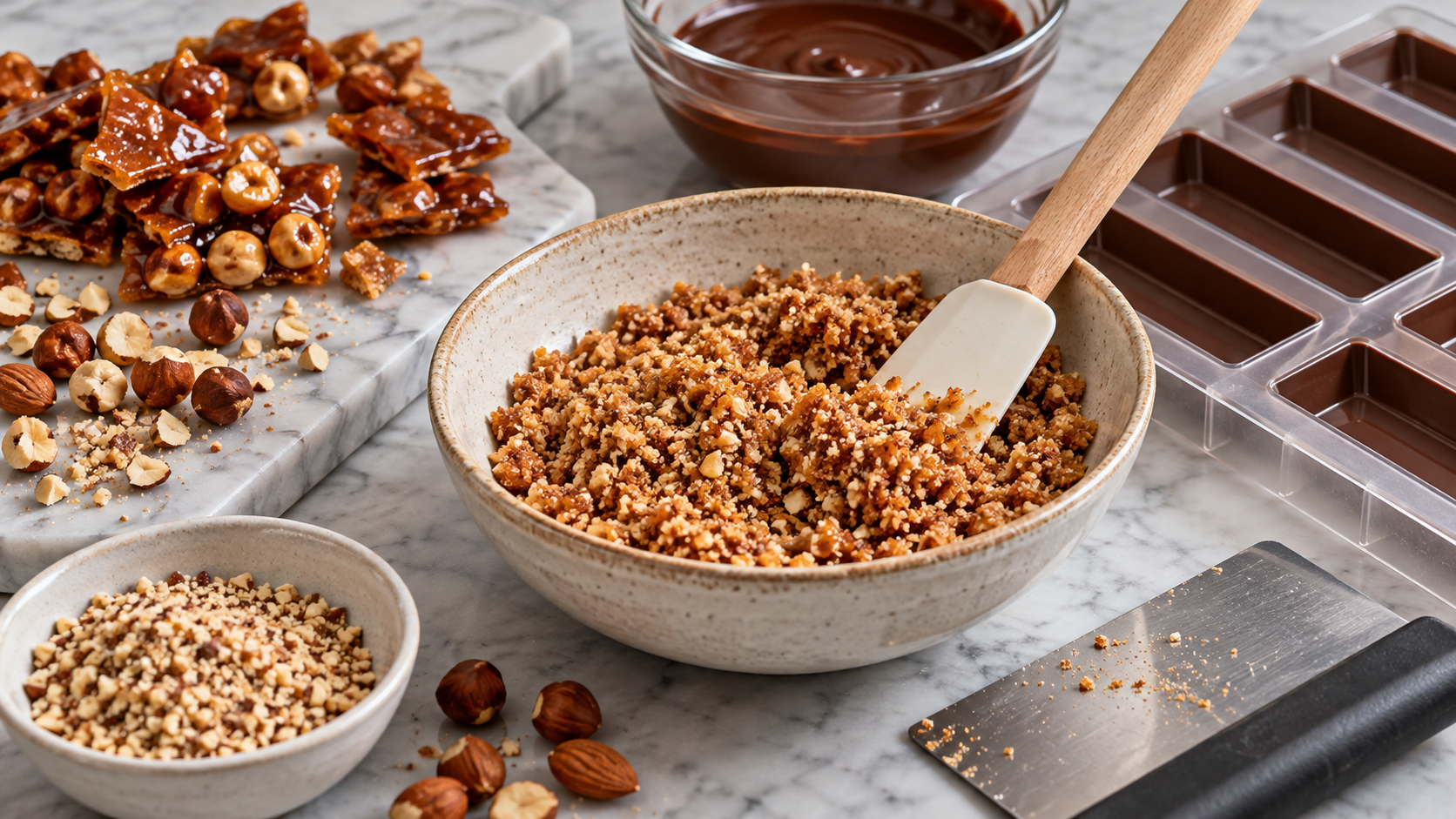
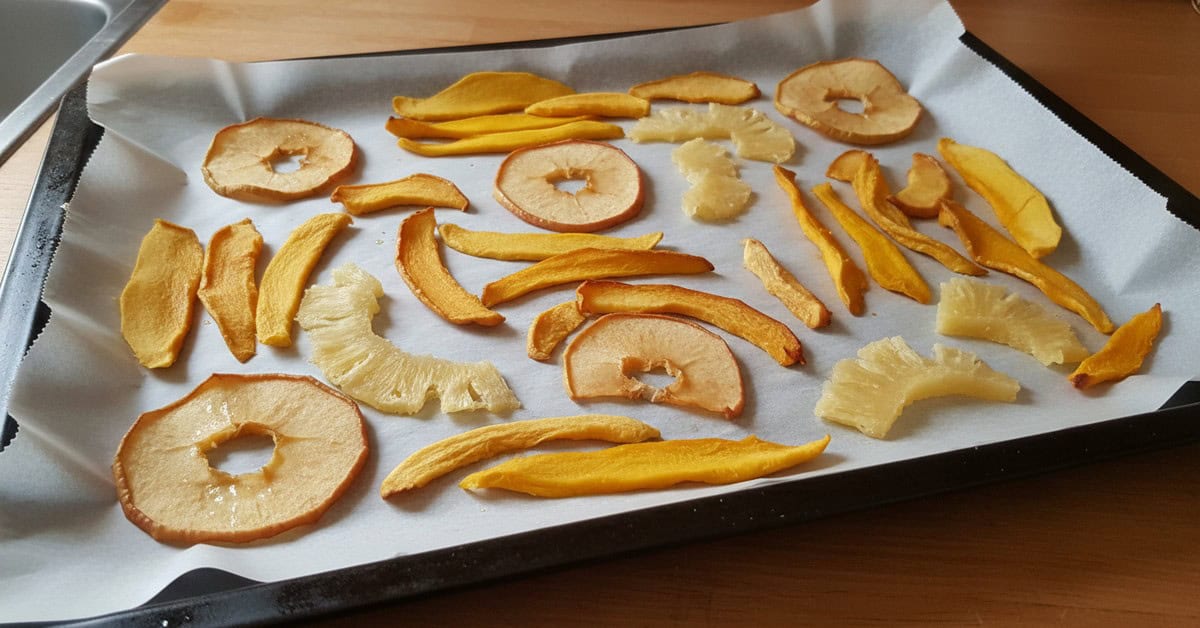
Combine tested nut praline with dry crisp inclusions. Nuts and wafers introduce allergens, and humid ingredients will soften the crunch.
Keep water away

Use dry tools and protect the filling from steam. A small amount of water can seize chocolate and shorten texture quality.
Create the shell

Temper the chocolate, fill the mould, tap and drain. Scrape the edges clean so the final base sits flat.
Add a thin filling layer
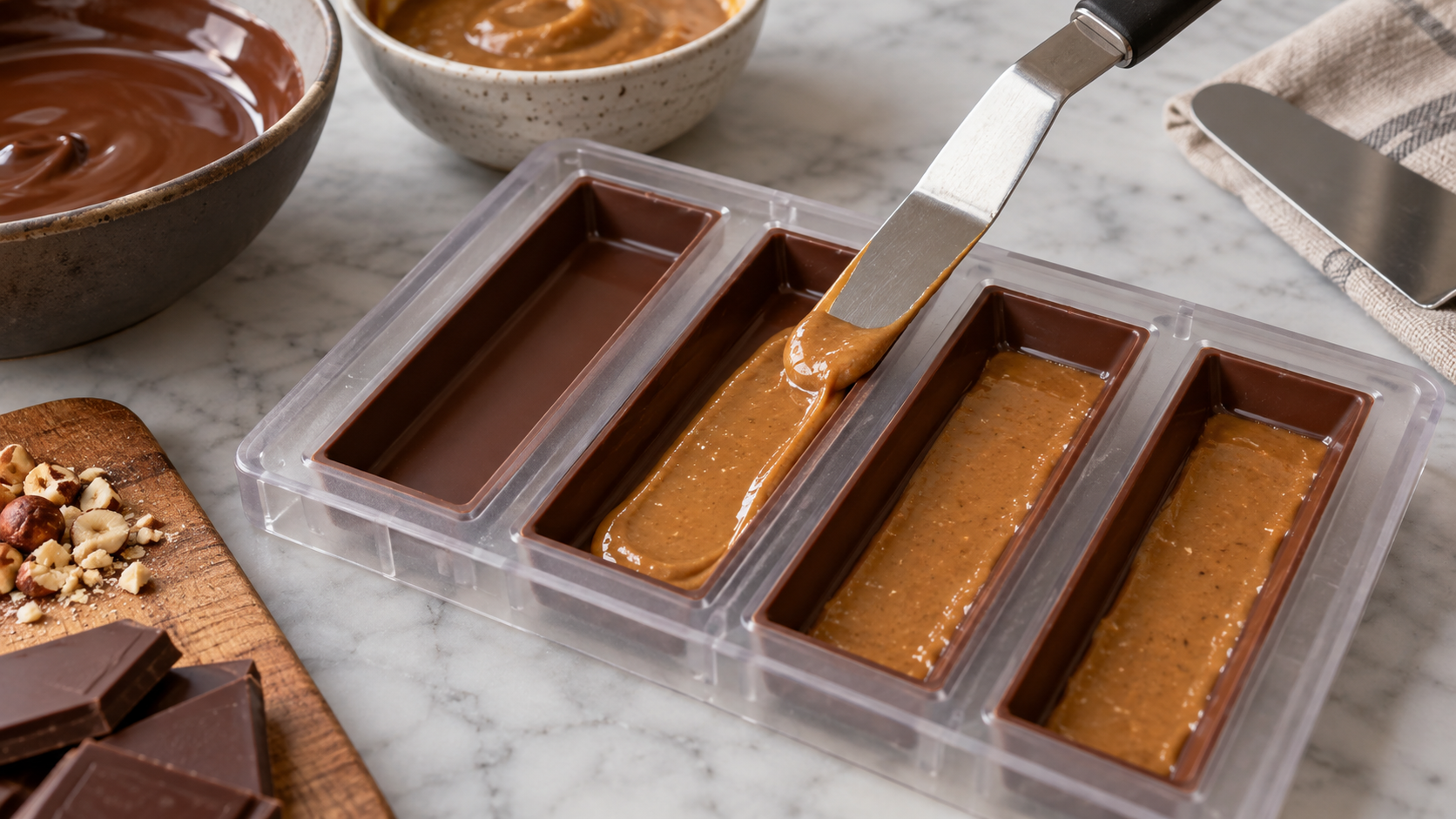
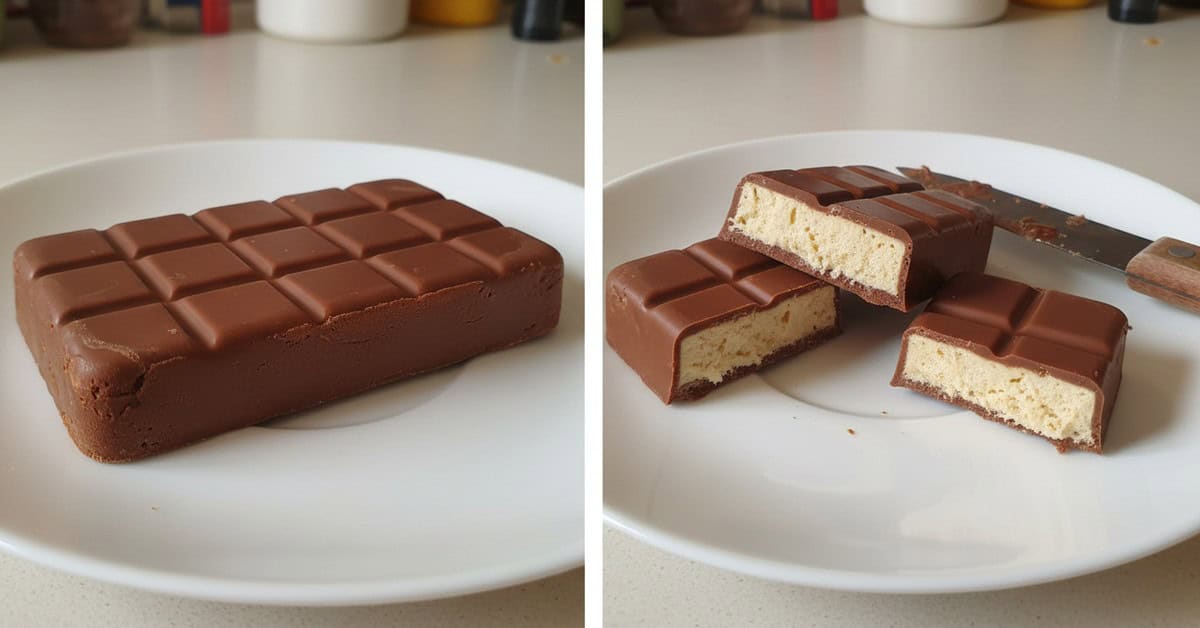
Add the praline below the rim and level it without touching the seal area. Avoid thick filling that could break the shell.
Close, release and label
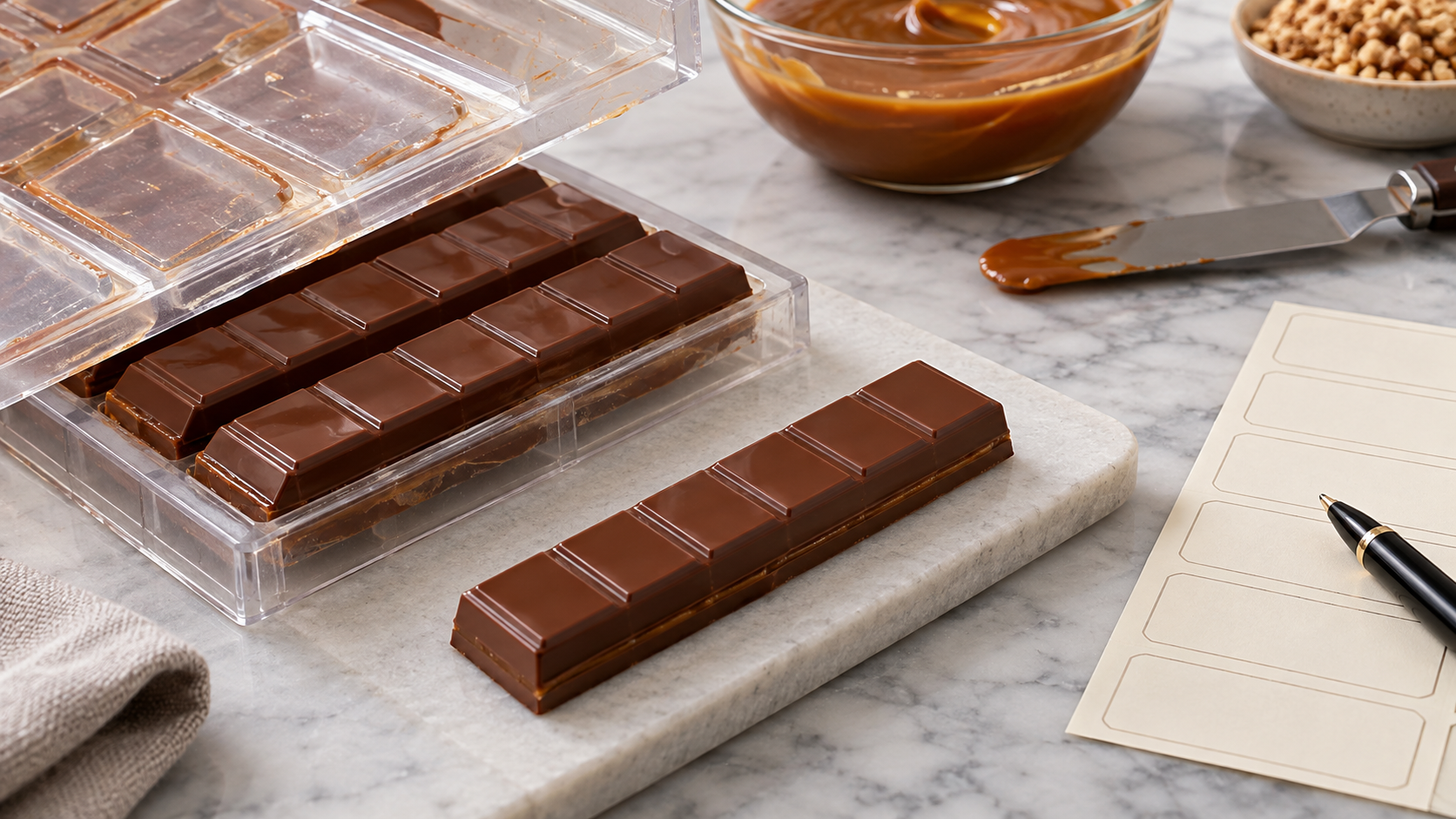
Seal with tempered chocolate, allow it to set and unmould gently. Declare every nut, milk, soya and gluten source.
Frequently asked questions
Can any eating chocolate bar be used for moulding?
No. Check whether it is plain cocoa-butter chocolate and test its fluidity, temper and release.
How should filled chocolate be stored?
Follow the needs of the filling; cream, fruit and custard can require shorter life and refrigeration.
Does melting chocolate make it tempered?
No. Tempering is a controlled crystallisation process used for shine, snap and mould release.
How should wholesale prices be compared?
Compare delivered cost per kilogram, minimum order, storage, waste and usable finished yield.
Which allergens are common in chocolate sweets?
Milk, soya, nuts and gluten are common, but every current ingredient label and cross-contact risk must be checked.
What records should a seller keep?
Keep supplier labels, batch codes, recipes, temperatures, yields, dates, allergen information and customer orders.