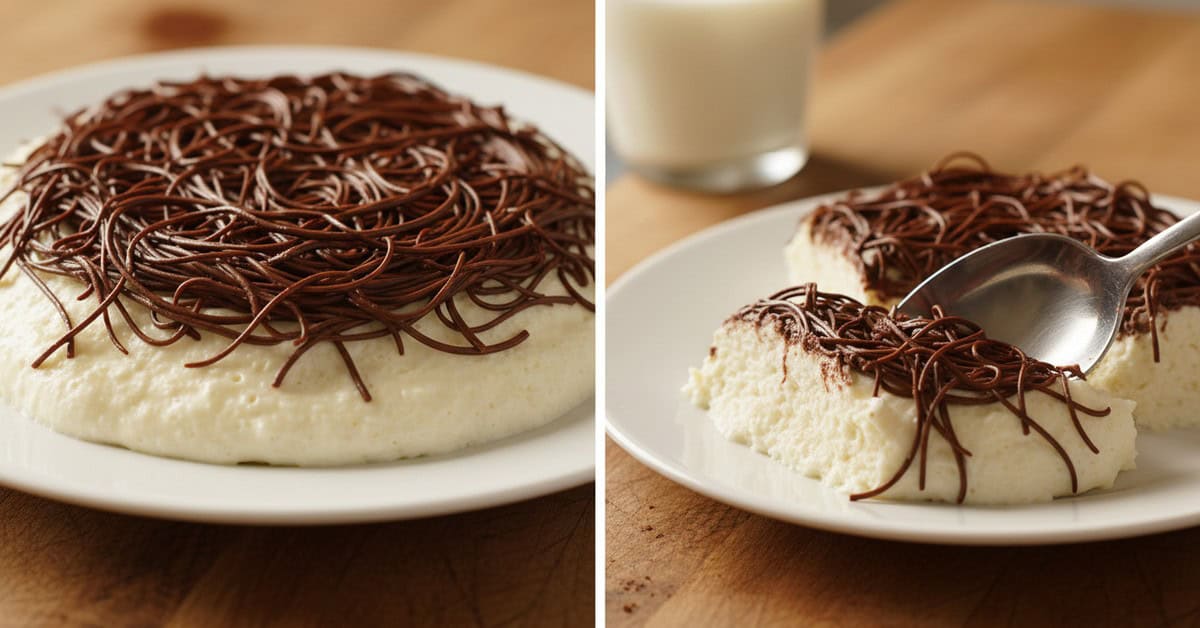

Allowing water into the chocolate

Even a small amount of water or steam can seize melted chocolate. Keep tools dry, control the bain-marie and wipe the bowl’s exterior before pouring.
Using the wrong temperature curve

Dark, milk and white chocolate use different temperature ranges. Follow the manufacturer’s guidance and use an accurate thermometer rather than copying one universal number.
Skipping the temper test
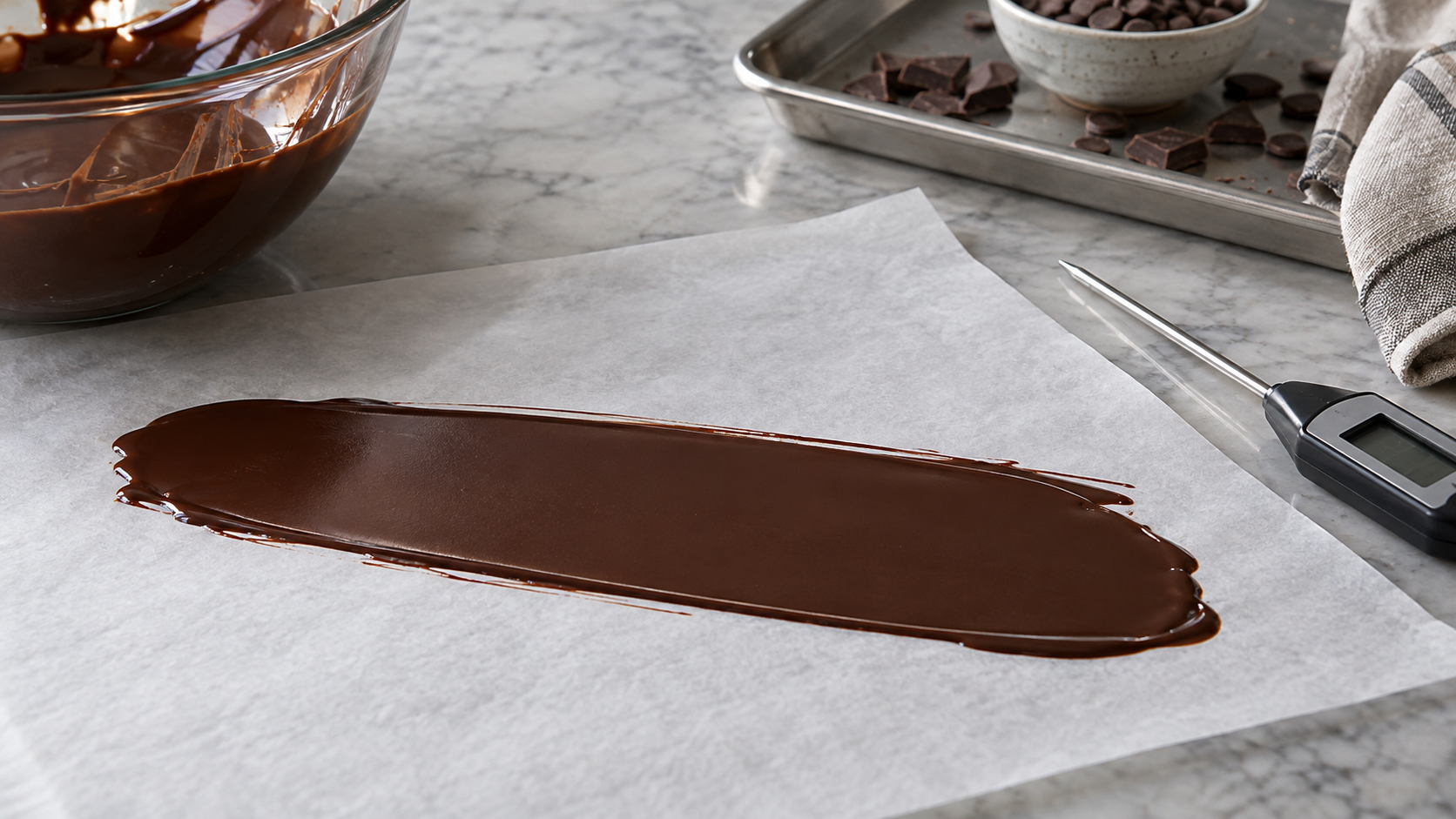
Test a thin smear before moulding. If it sets streaky, soft or slowly, correct the temper before committing the whole batch.
Working in a warm humid room

High room temperature slows crystallisation and humidity causes condensation. Work in the coolest, driest practical space and keep steaming pans away.
Filling shells too soon

Let shells crystallise before adding a filling at the specified cool temperature. Warm filling can melt the shell; cold wet filling can create poor seals.
Making shells too thick
Rotate the mould to drain excess and scrape it clean. Thick shells are hard to bite and reduce room for filling.
Storing finished pieces badly

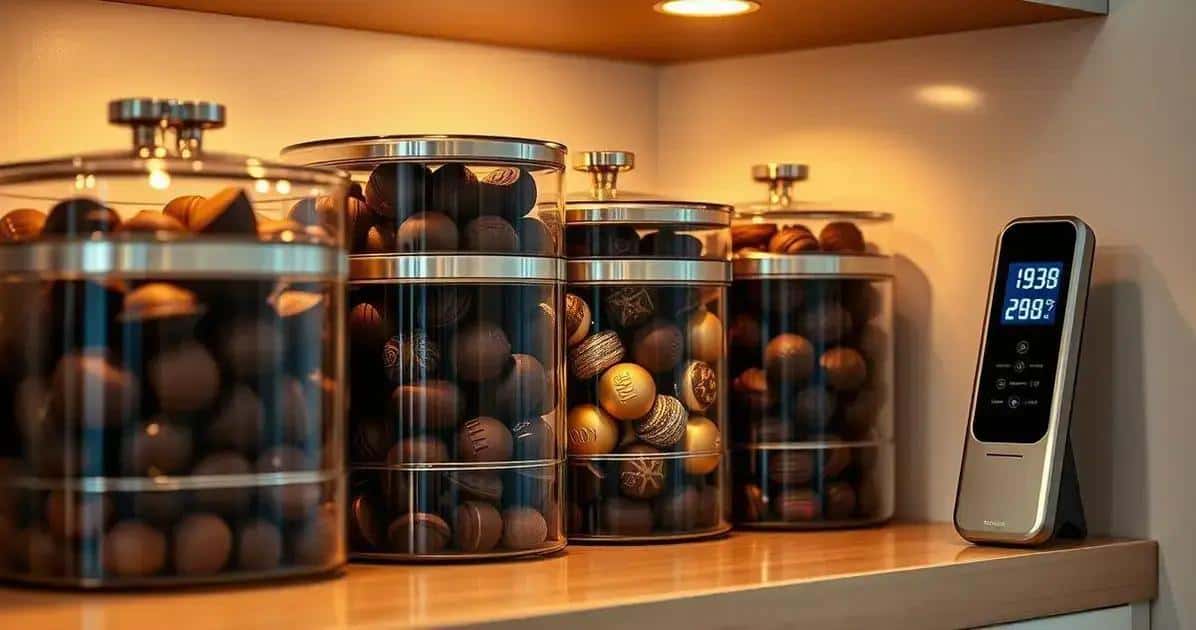
Protect finished chocolates from heat, sunlight, odours and temperature swings. Refrigerate only when the filling requires it and manage condensation carefully.
Frequently asked questions
Does a higher price guarantee better chocolate?
No. Judge ingredients, handling information, flavour, traceability and suitability for the intended recipe.
Do I need to test a product before buying in bulk?
Yes. Melt, temper or set a small batch with the real filling, packaging and storage conditions.
Which allergens should I check?
Read every label for milk, soya, nuts, gluten and other required allergens, including cross-contact warnings.
How should chocolate products be stored?
Keep plain chocolate cool and dry, and refrigerate finished items when their fillings require it.
Can I rely on marketing claims?
Use specific label definitions, standards and evidence rather than broad words such as premium, healthy or sustainable.
What records should a small seller keep?
Retain supplier labels, batch codes, dates, recipes, yields, temperature notes and customer-facing ingredient information.