
No tempering is normally required
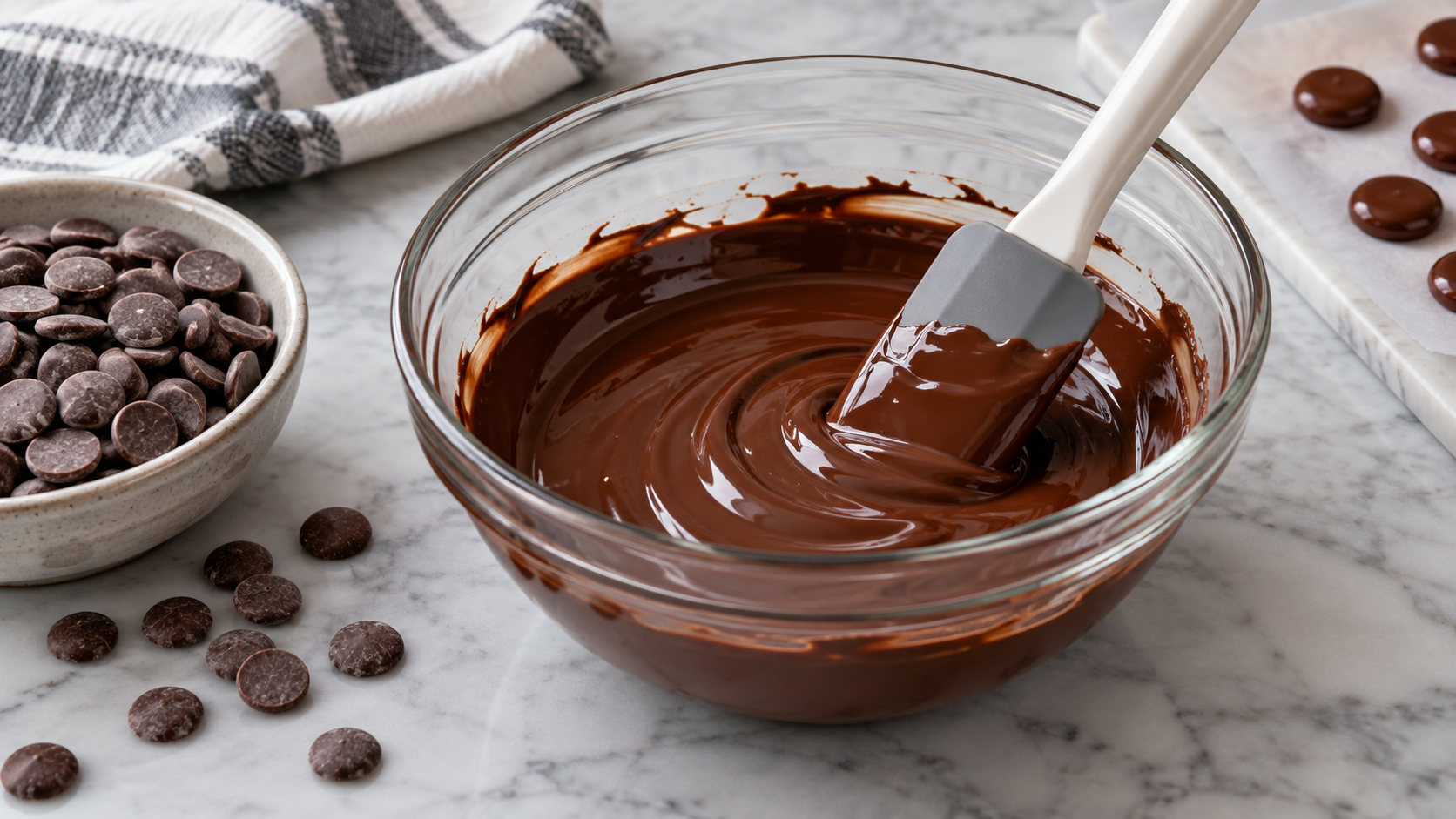
Most compound coatings use a fat system that sets without cocoa-butter tempering. This removes one technical step, but the coating still needs gentle melting and a clean, dry workspace.
It sets quickly for production
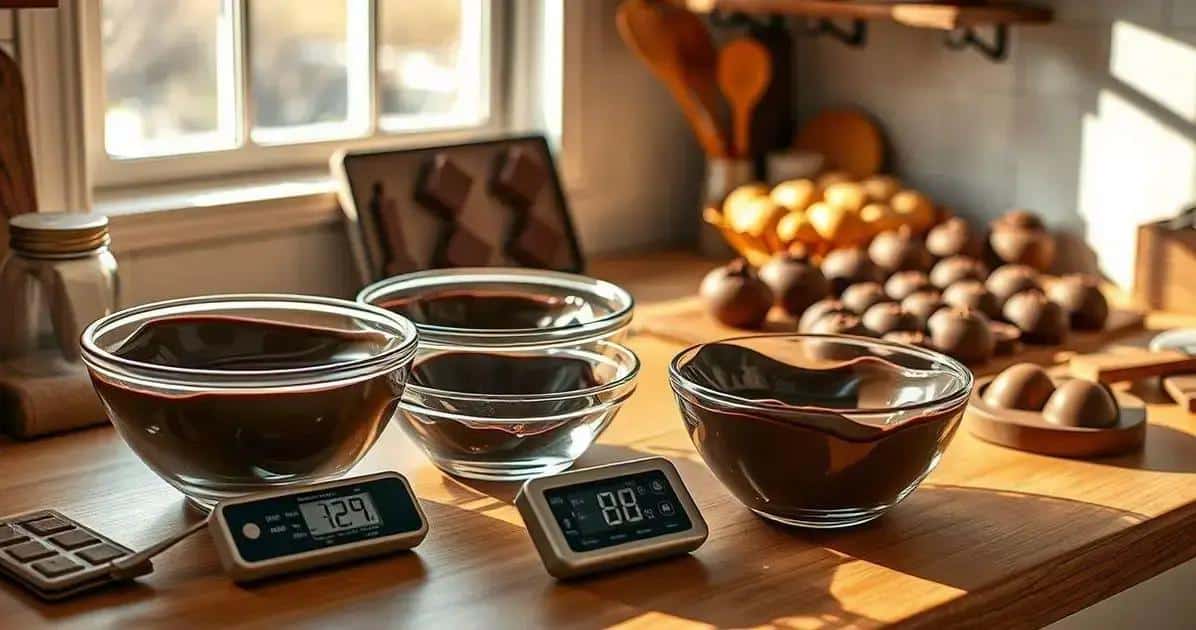
A predictable set can help when dipping many biscuits, cake pops or simple sweets. Work in small batches, keep the product within its recommended temperature range and avoid thick layers.
It tolerates handling well

The firm finish can travel and handle well when matched to a suitable centre. It does not protect perishable fillings from unsafe temperatures, and very cold centres may still cause cracks or condensation.
Flavour and melt are different
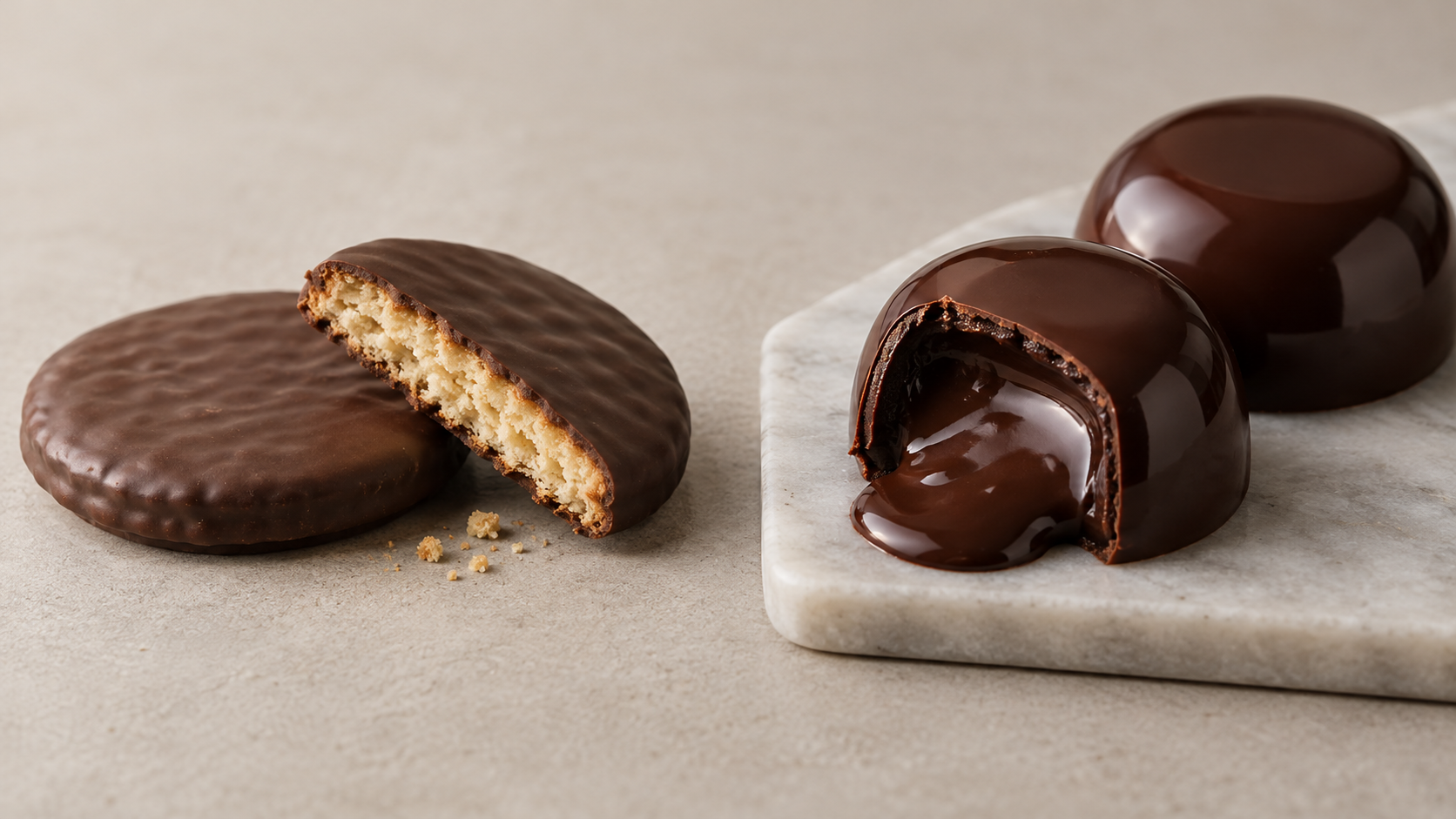
Vegetable fats give a different flavour, aroma and melting sensation from couverture chocolate. Taste the product before choosing it for a premium gift or a recipe where chocolate is the main flavour.
It cannot replace chocolate everywhere

Do not swap coating into every ganache, cake or tempering formula. Its fat composition changes setting and texture, so use recipes designed for it or test a small batch first.
Labels still matter
Check the legal product name, ingredients and allergen statement. Customers should receive an accurate description rather than a claim that every compound product is the same as cocoa-butter chocolate.
Frequently asked questions
Do I need an accurate thermometer?
It is strongly recommended for repeatable chocolate work because small temperature differences affect texture and setting.
Can I substitute another chocolate product?
Only when the recipe is designed for it; cocoa butter, vegetable fat, sugar and milk change the result.
How should finished items be stored?
Use a cool, dry place for plain chocolate and refrigeration for any filling that contains perishable ingredients.
Which allergens should I declare?
Check every label for milk, soya, nuts, gluten and other required allergens, including cross-contact warnings.
Can I sell or gift the result?
Use food-safe packaging, accurate labels and a conservative storage period, and follow current local food rules.
What should I do if the texture looks wrong?
Stop, check temperature and contamination, and test a small correction rather than adding ingredients at random.