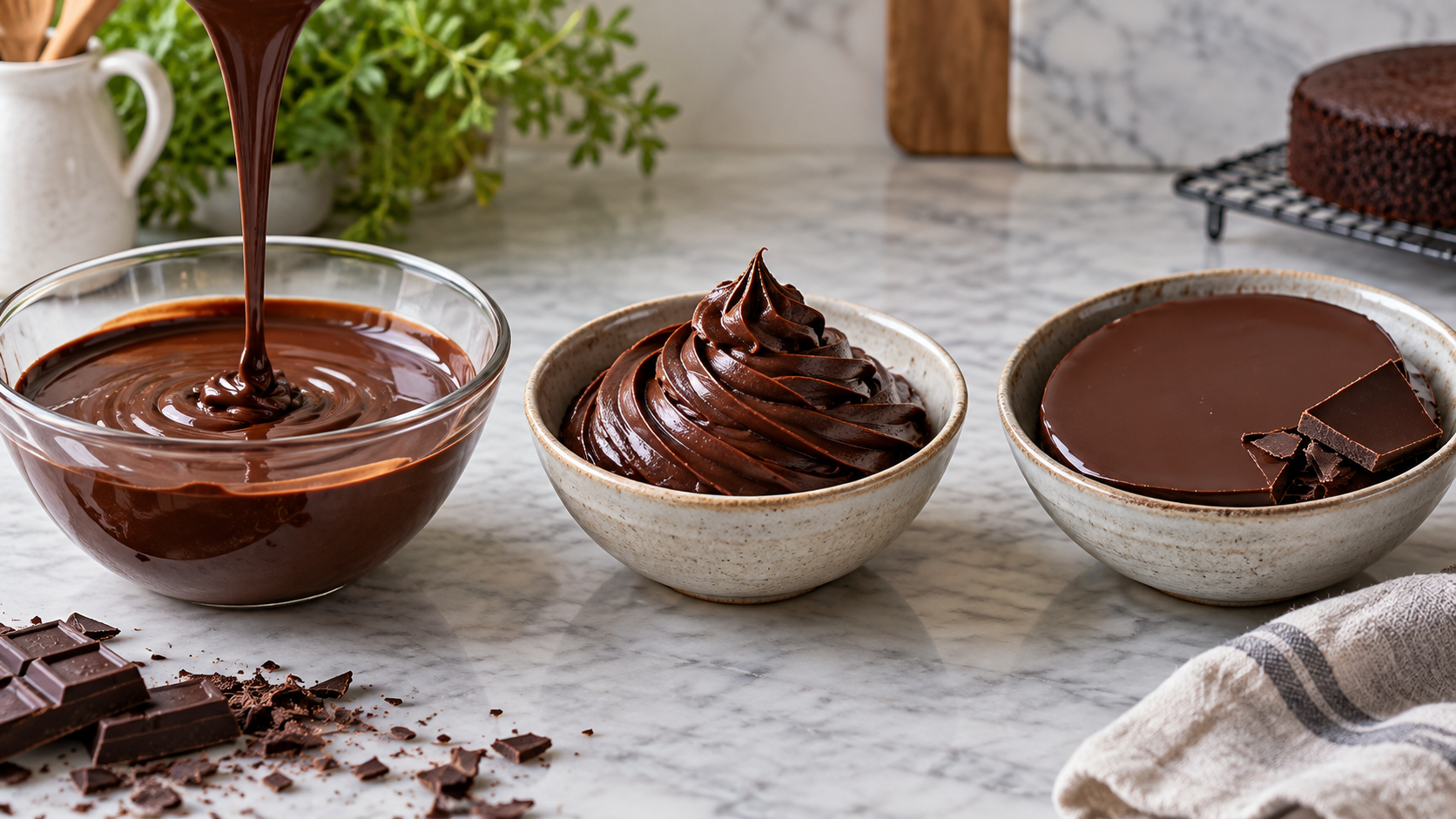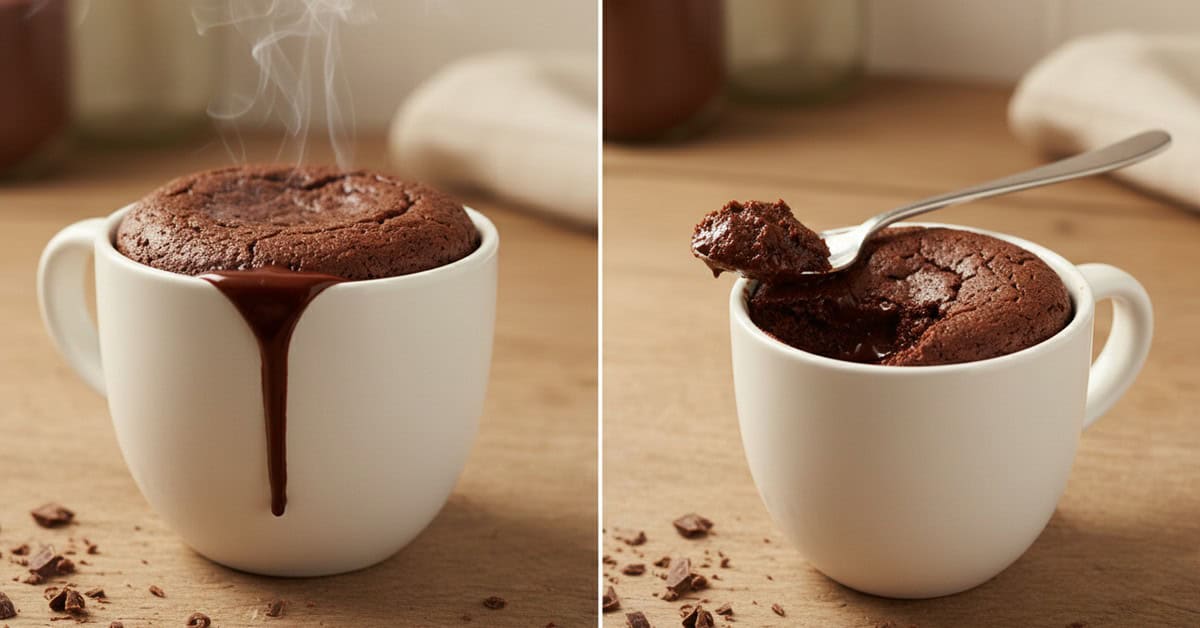

Read the ingredient list

A short, clear ingredient list helps you understand what you are buying. For dark chocolate, cocoa mass, sugar and cocoa butter are common; milk and white styles include milk ingredients.
Look at the surface

A well-stored tempered bar is generally even and glossy, although handmade bars may have small visual variations. Grey streaks or a dusty surface can indicate fat or sugar bloom, which affects appearance and texture rather than automatically making the bar unsafe.
Listen for a clean snap

A dark bar at a suitable room temperature often breaks with a distinct snap. Milk and white chocolate are naturally softer, so compare like with like.
Notice the aroma

Fresh chocolate should smell clean and characteristic of its cocoa and added flavours. Stale, musty or strongly foreign odours suggest poor storage or aroma transfer.
Taste for balance
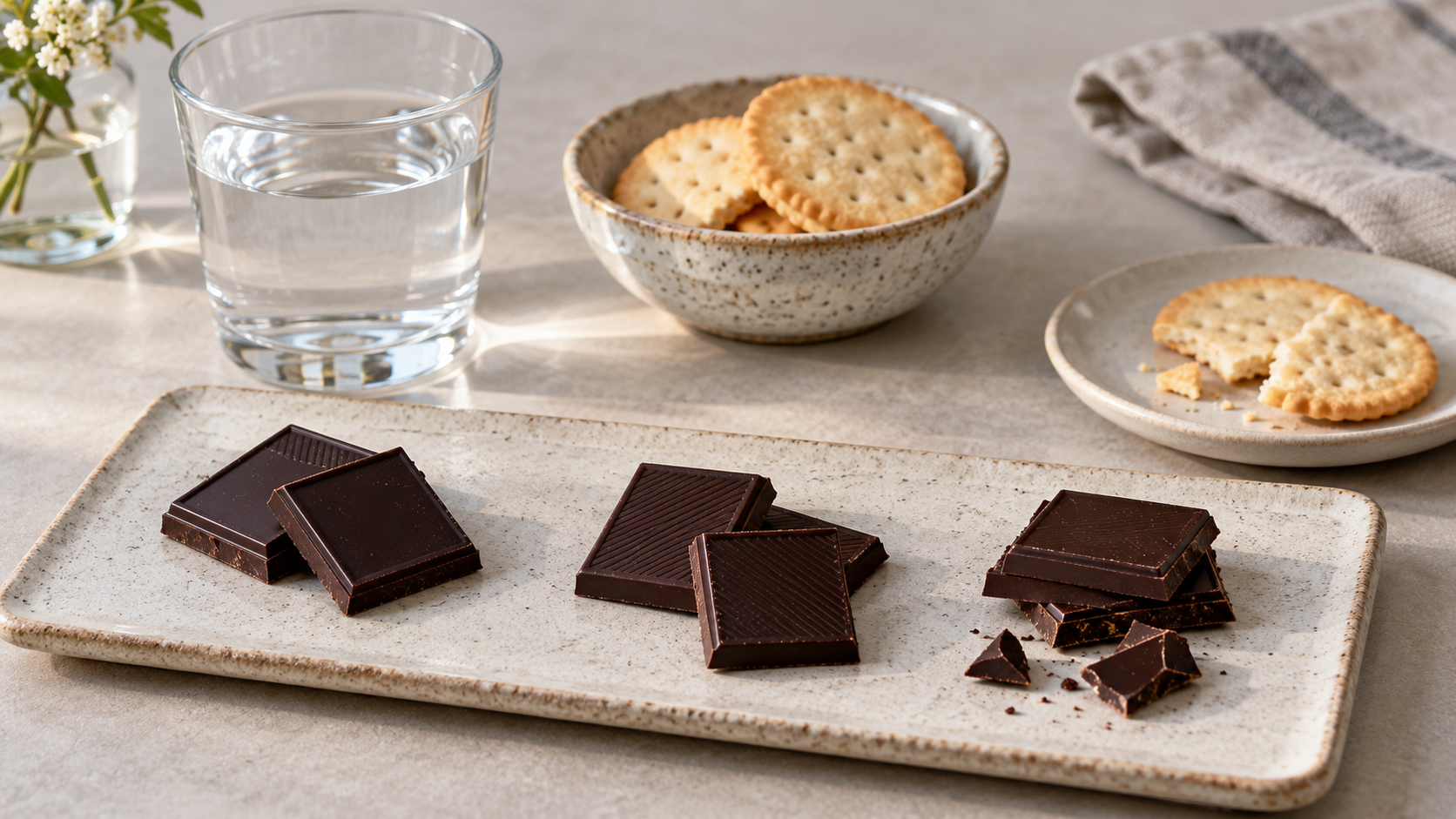
Let a small piece melt and consider sweetness, acidity, bitterness, roast and aftertaste. Good chocolate need not taste the same to everyone; balance and freedom from obvious faults matter more than a single flavour profile.
Judge it for its purpose
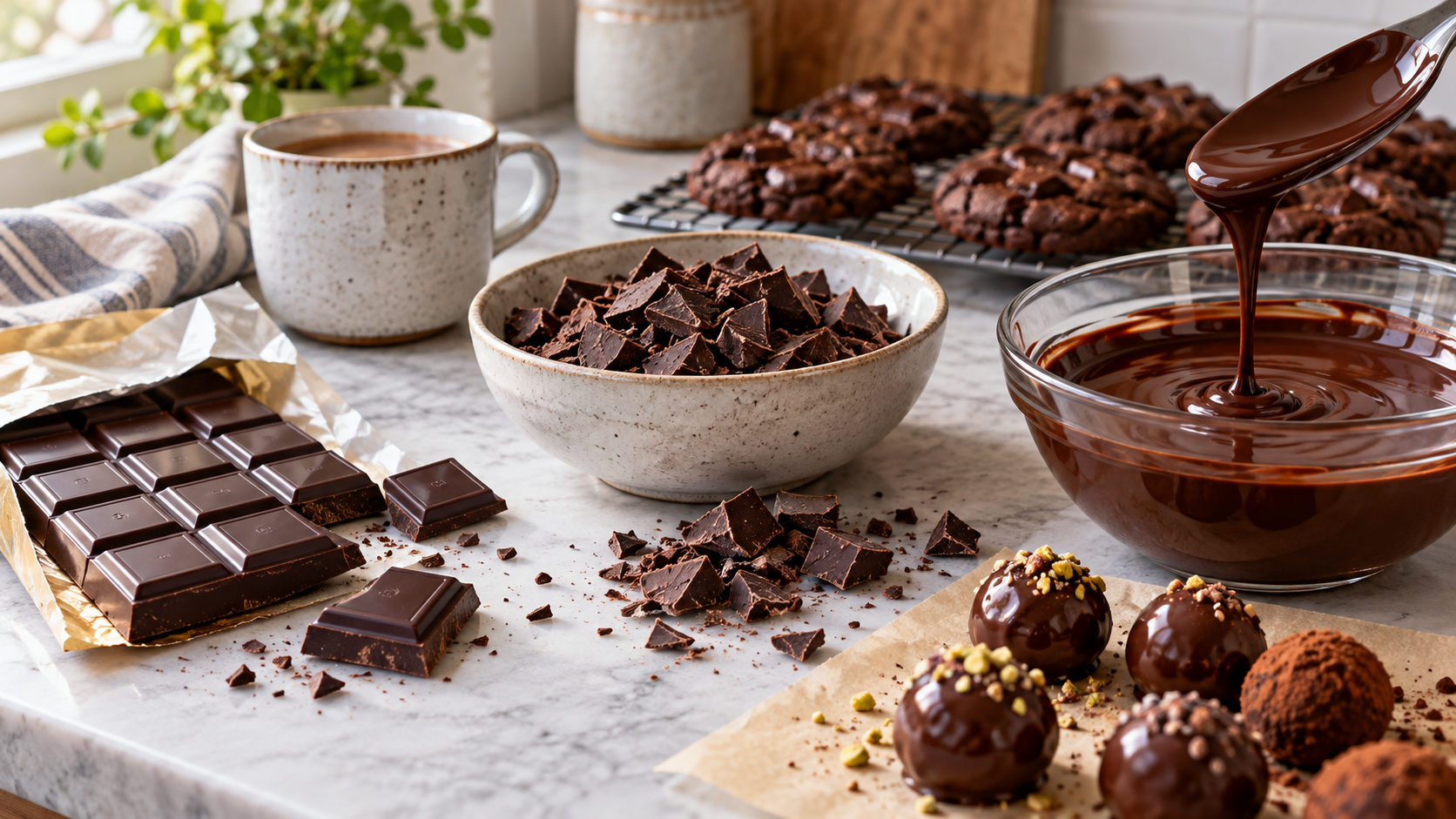
A bar that is enjoyable for eating may not have the fluidity needed for moulding. For recipes, consider cocoa percentage, cocoa-butter content, sweetness and the maker’s intended use.
Frequently asked questions
Can I use chocolate chips?
Sometimes. Chips are designed to hold their shape in baking and may be too thick for smooth dipping or moulding.
Can I replace dark chocolate with milk chocolate?
Only when the recipe allows it. The change affects sweetness, firmness and flow, so ratios may need adjustment.
Why has my chocolate turned pale?
Fat bloom or sugar bloom can follow poor tempering, heat changes or condensation. It is usually a quality issue, but check storage and freshness.
How should chocolate be stored?
Keep it sealed in a cool, dry place away from sunlight, moisture and strong odours.
Which allergens should I check?
Read every label for milk, soya, nuts, gluten and other relevant allergens, including shared-equipment warnings.
What is the safest approach for gifts?
Use clean food-safe packaging and include ingredients, allergens, the preparation date and clear storage guidance.