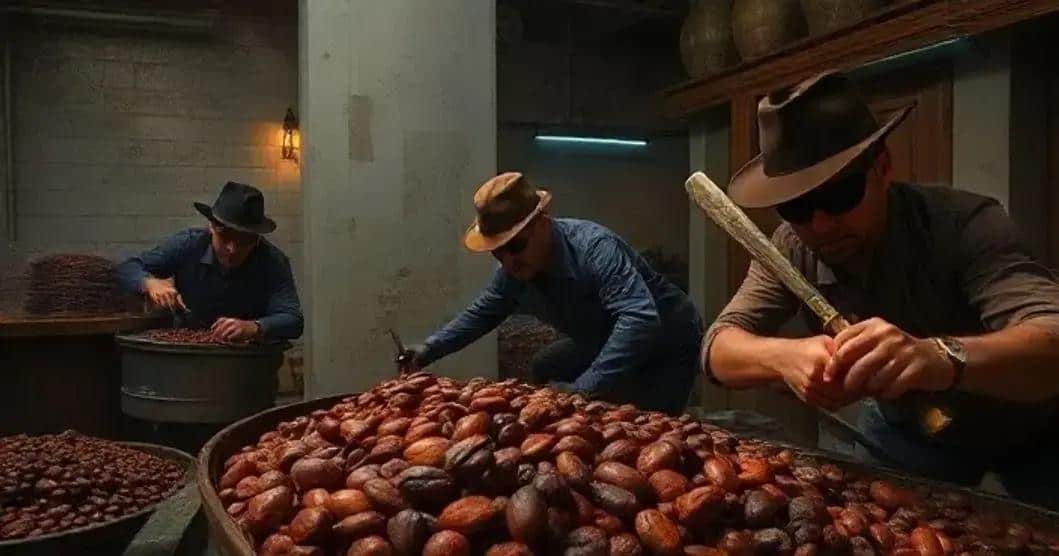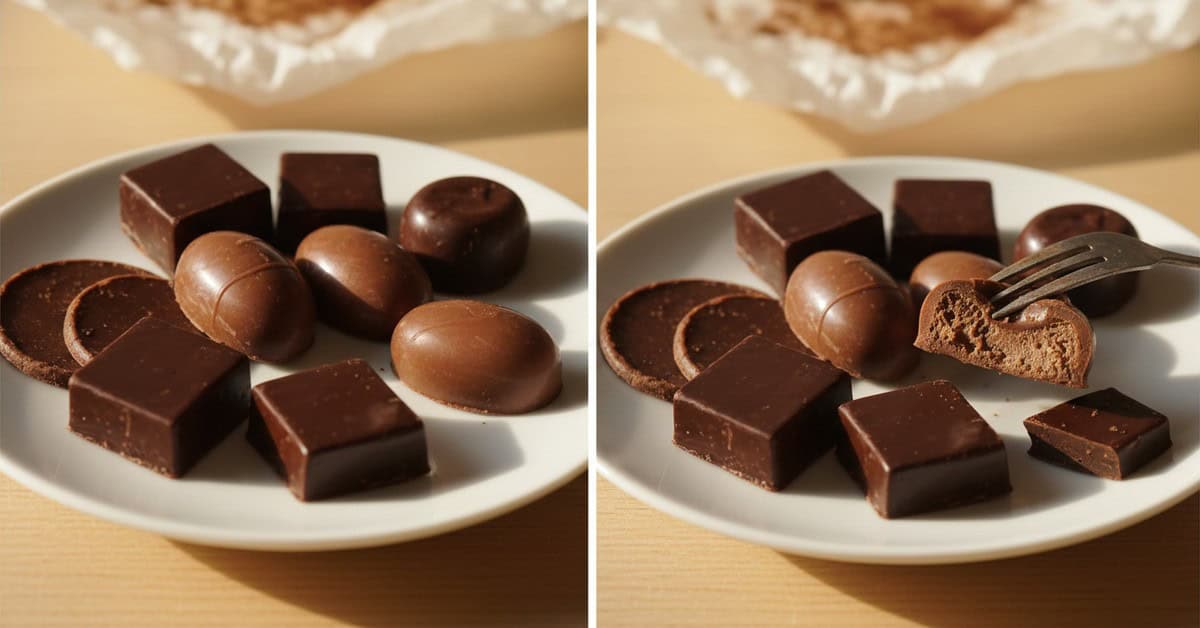

Rankings need a date and source

Chocolate rankings change as markets, prices and data providers change. Any league table should state its year, source and whether it measures retail sales, shipments or survey responses.
Per-person and total volume differ
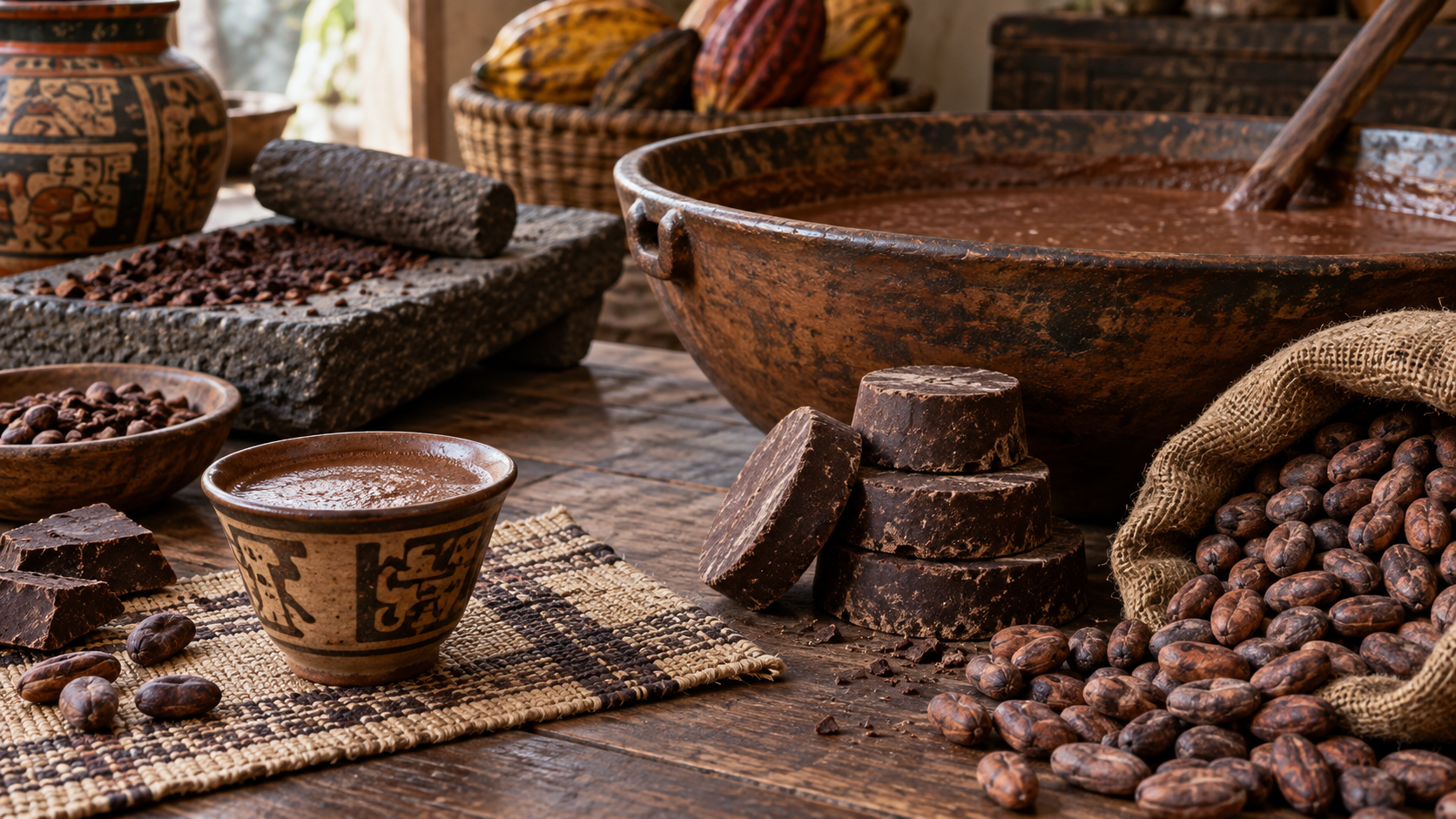
A populous country may buy the greatest total amount while having modest consumption per person. Per-capita figures answer a different question and can produce a very different order.
Sales are not exactly consumption
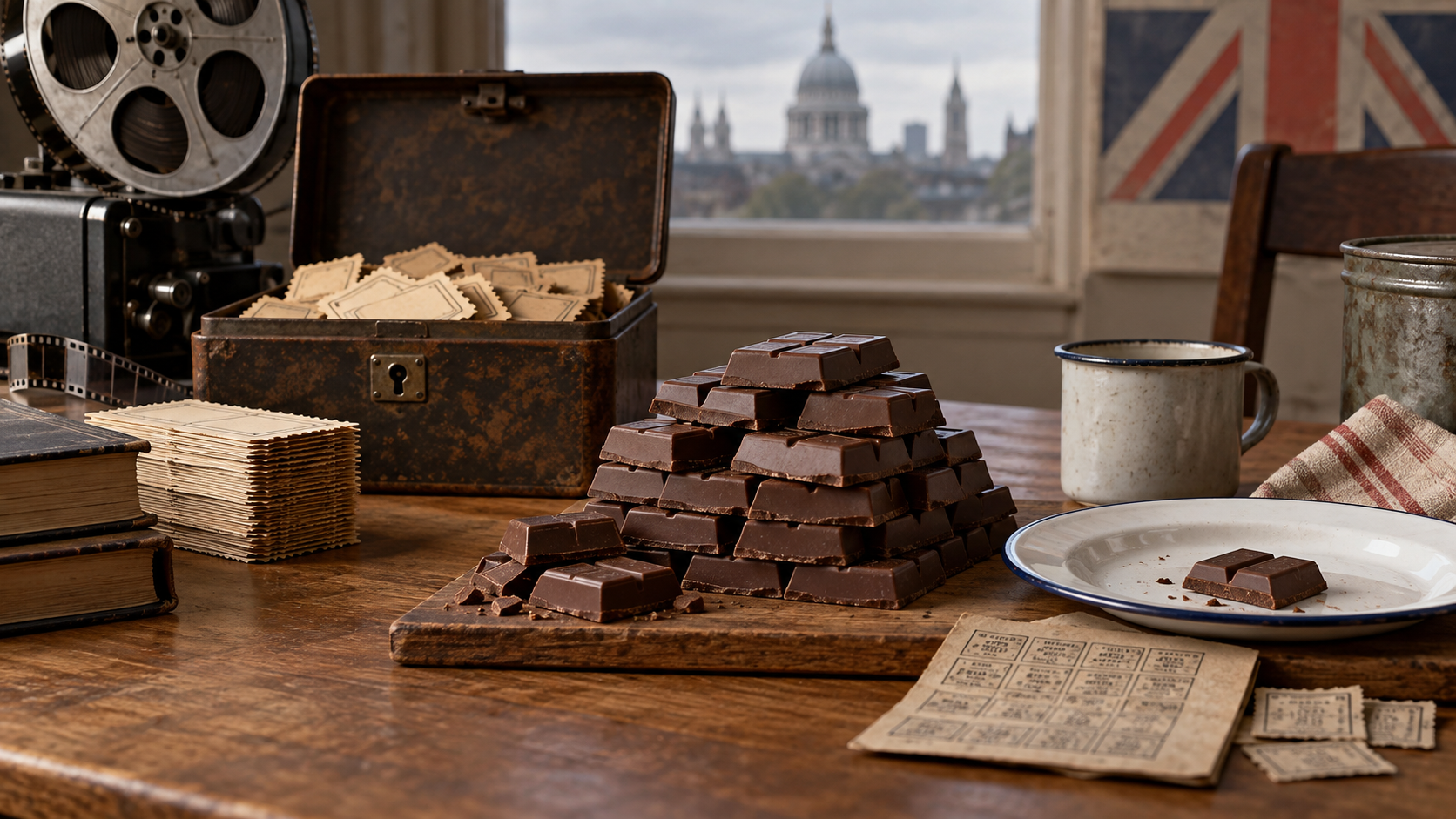
Retail data measure what was sold, not necessarily what each resident ate. Tourism, gifts, exports, waste and stock changes can distort simple interpretations.
Definitions vary
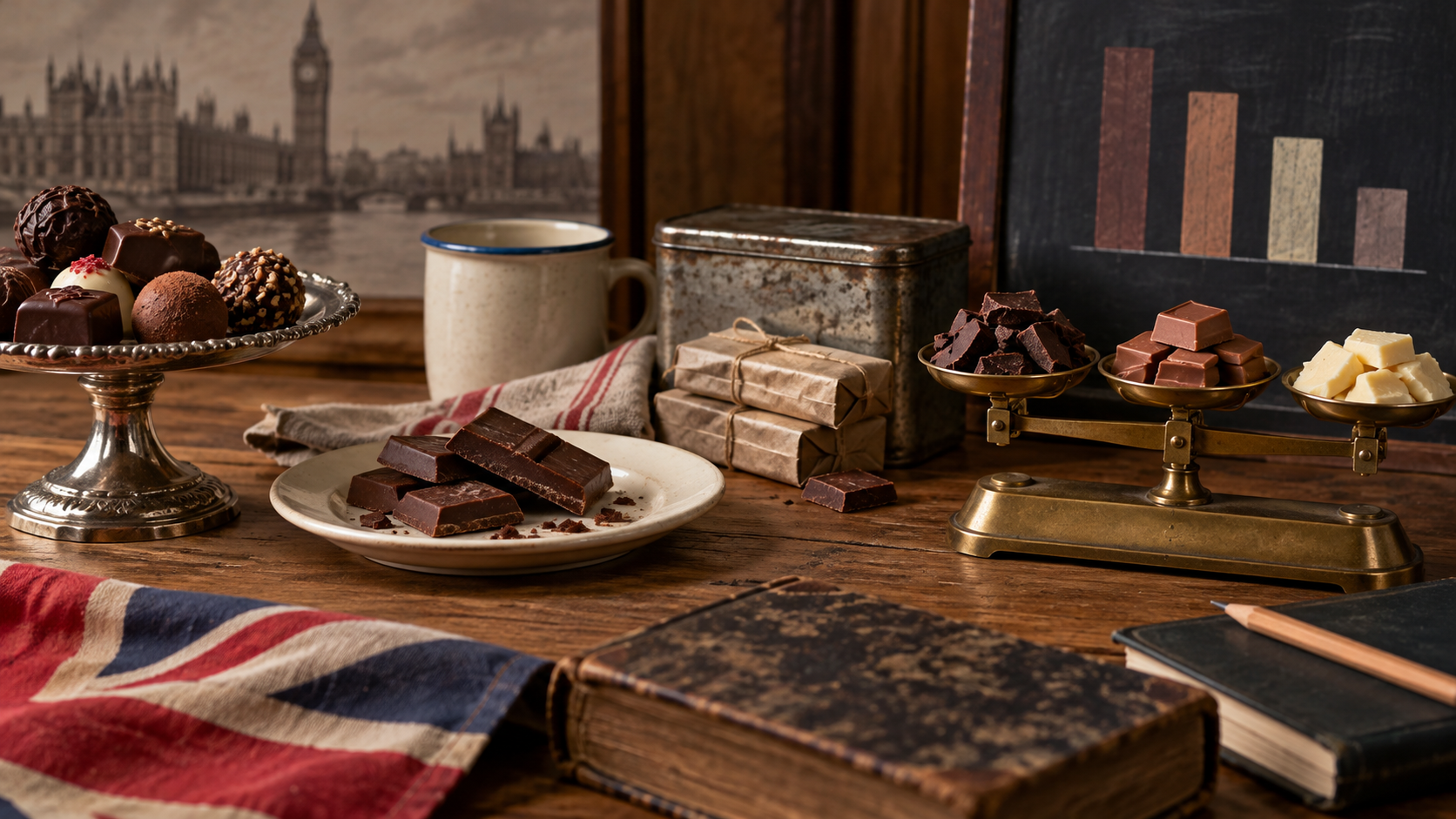
Some datasets count only bars and confectionery, while others include biscuits, spreads or drinking chocolate. Figures are not comparable until the category is defined.
Culture and price shape demand
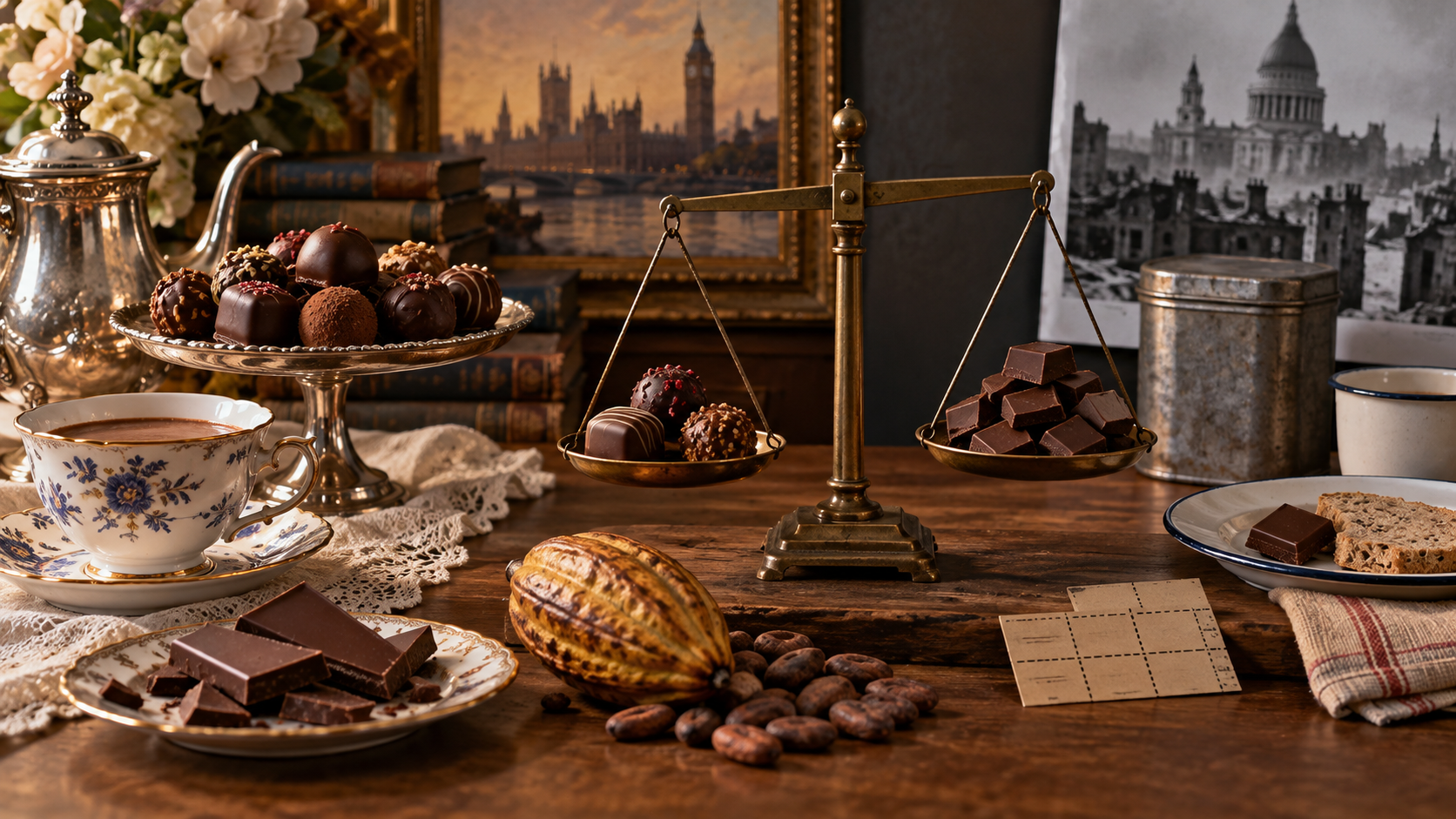
Income, climate, seasonal festivals, local habits and price all affect purchases. A high figure does not show that every person in that country eats a large amount.
Use current comparable evidence

Prefer recent reports with transparent methods and matching units. Treat undated online lists as snapshots or marketing material rather than permanent records.
Frequently asked questions
Are all popular chocolate-history stories reliable?
No. Many repeat marketing legends, so check dates, sources and the difference between evidence and interpretation.
Did chocolate always mean the same thing?
No. Recipes, status and symbolism changed across communities, centuries and markets.
Can chocolate treat low mood or improve desire?
Ordinary chocolate is not a treatment. Enjoyment and expectation may affect an experience, but medical concerns need qualified advice.
Why does packaging matter?
It protects chocolate and communicates ingredients, allergens, dates, origin and brand information.
How should international rankings be compared?
Use the same year, category, unit and method, and distinguish total volume from per-person figures.
How should historical images and quotations be used?
Verify them through museums, archives or reliable editions and explain their period and context.