
Begin in the Americas
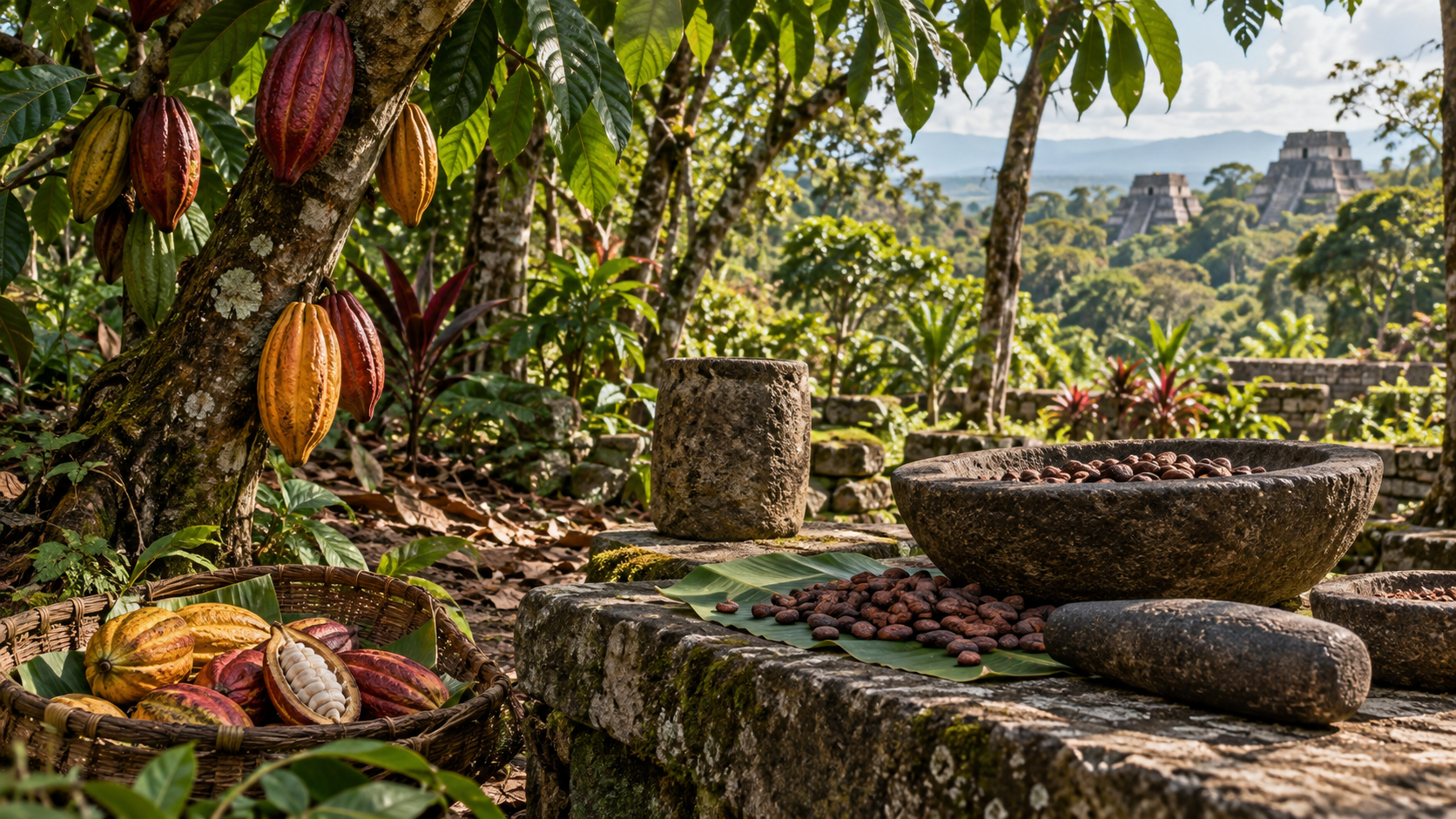
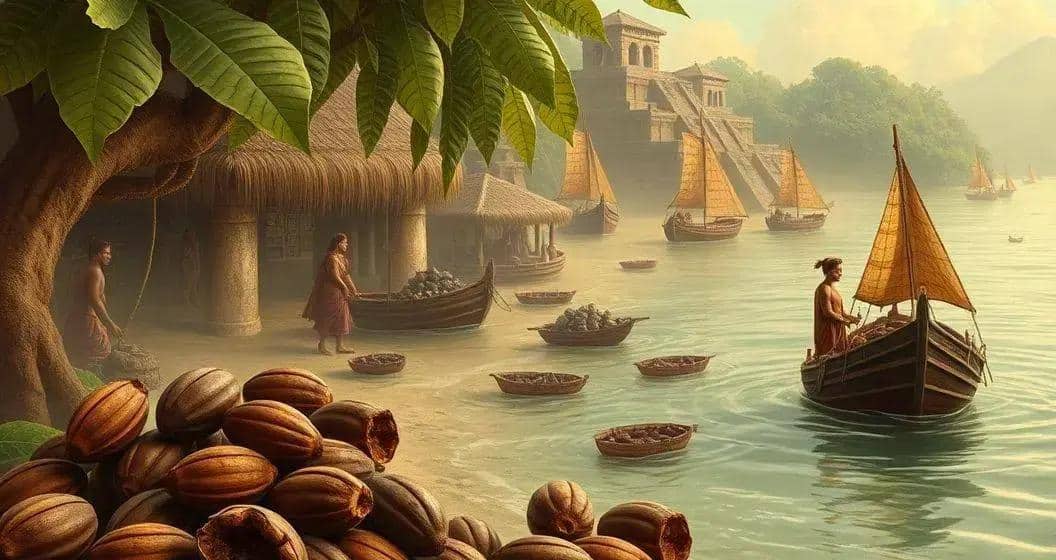
Cacao was cultivated and consumed in Mesoamerica long before Europeans arrived. Its meanings, preparation and exchange varied between communities, so the history should begin with Indigenous knowledge rather than with chocolate’s later popularity in Europe.
Follow cocoa across the Atlantic
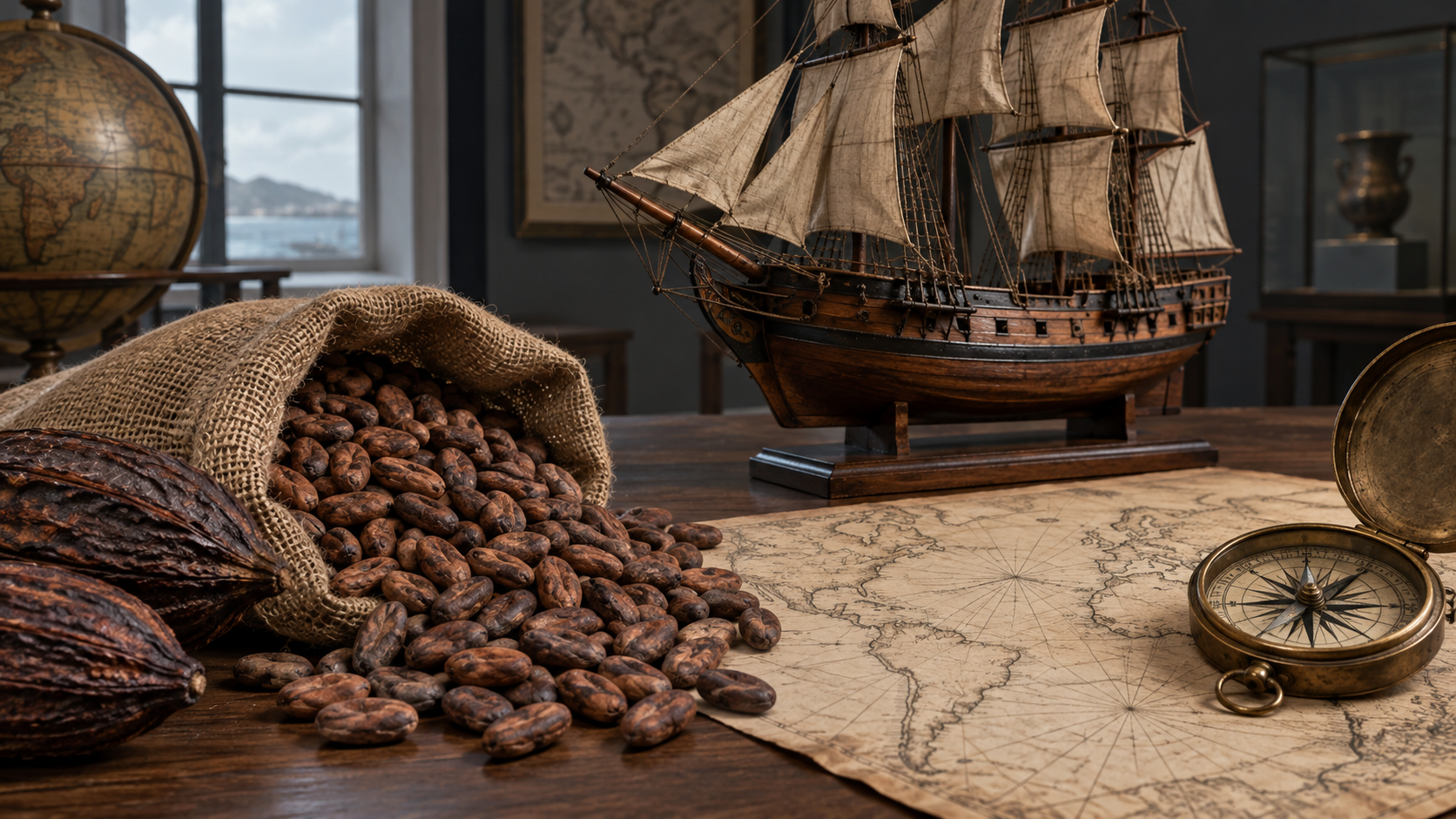
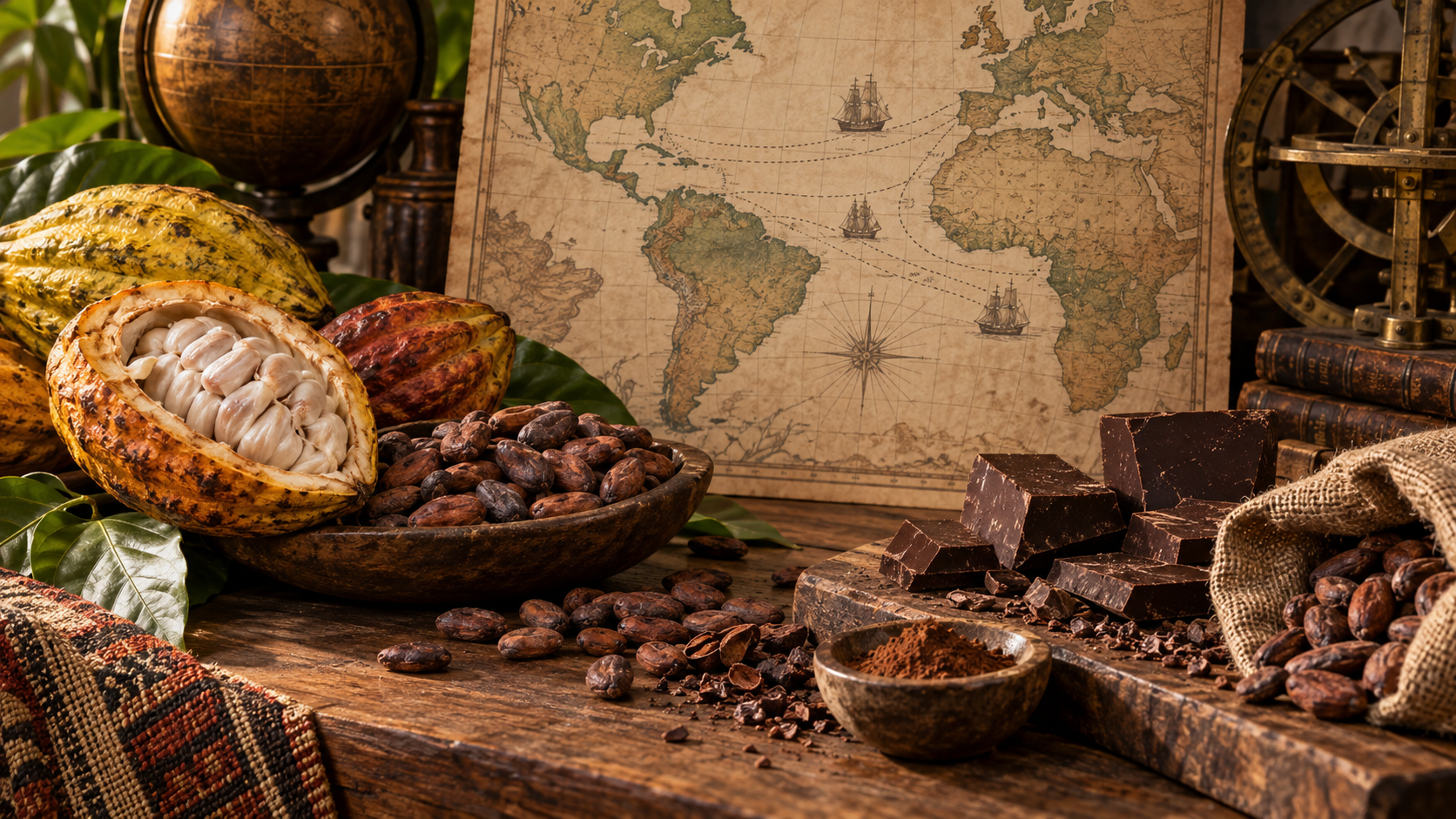
Spanish colonisation moved cacao, sugar and drinking customs through imperial networks. European demand grew alongside colonial control of land, trade and labour, while recipes changed as sugar and other imported ingredients became more available.
Understand forced labour and plantation systems
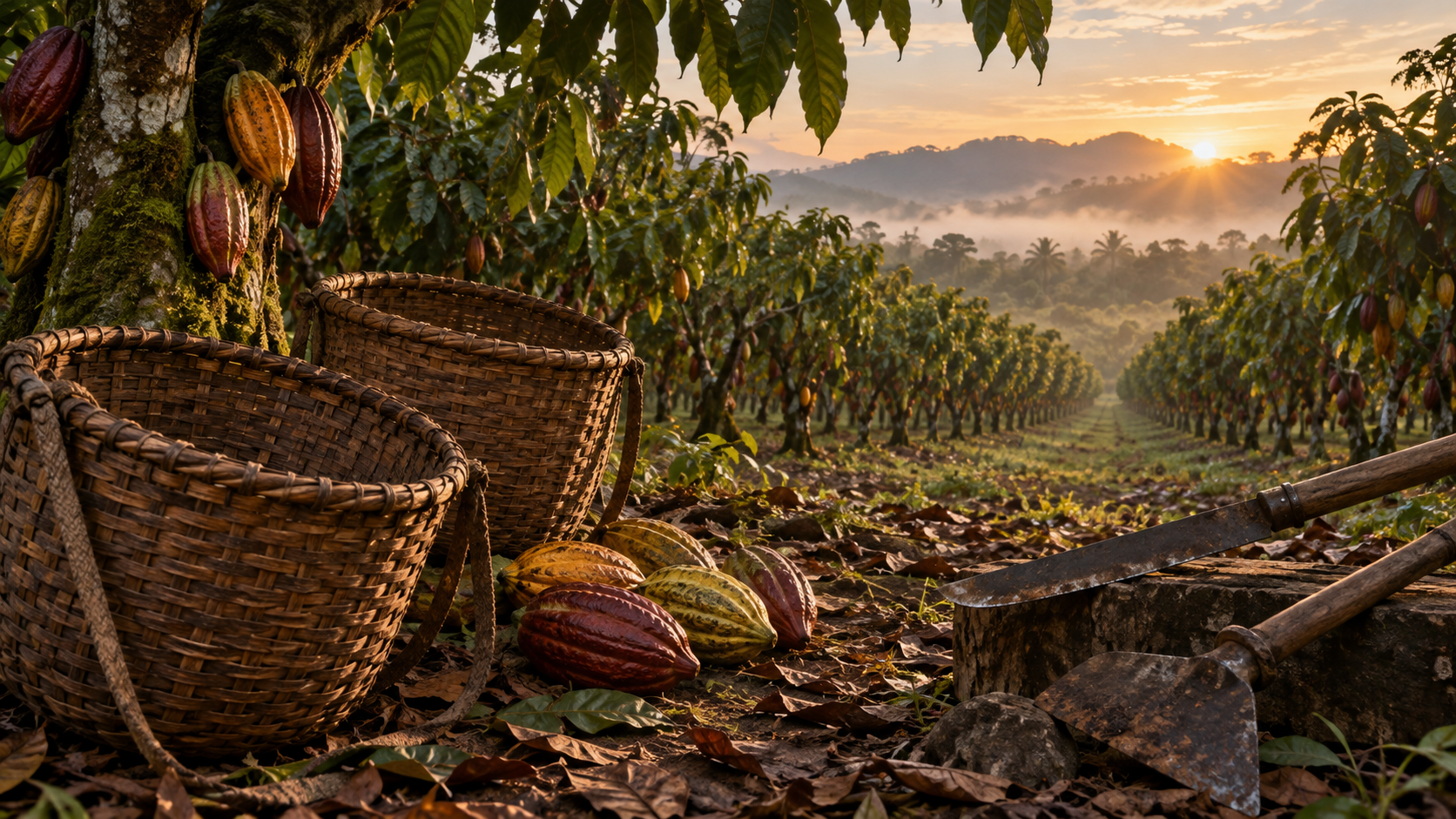
Cocoa and sugar production were connected at different times to enslavement, coerced labour and unequal plantation economies. Conditions differed by colony and period, so responsible history identifies a place, date and documented labour system instead of treating centuries as one story.
See how production shifted to West Africa
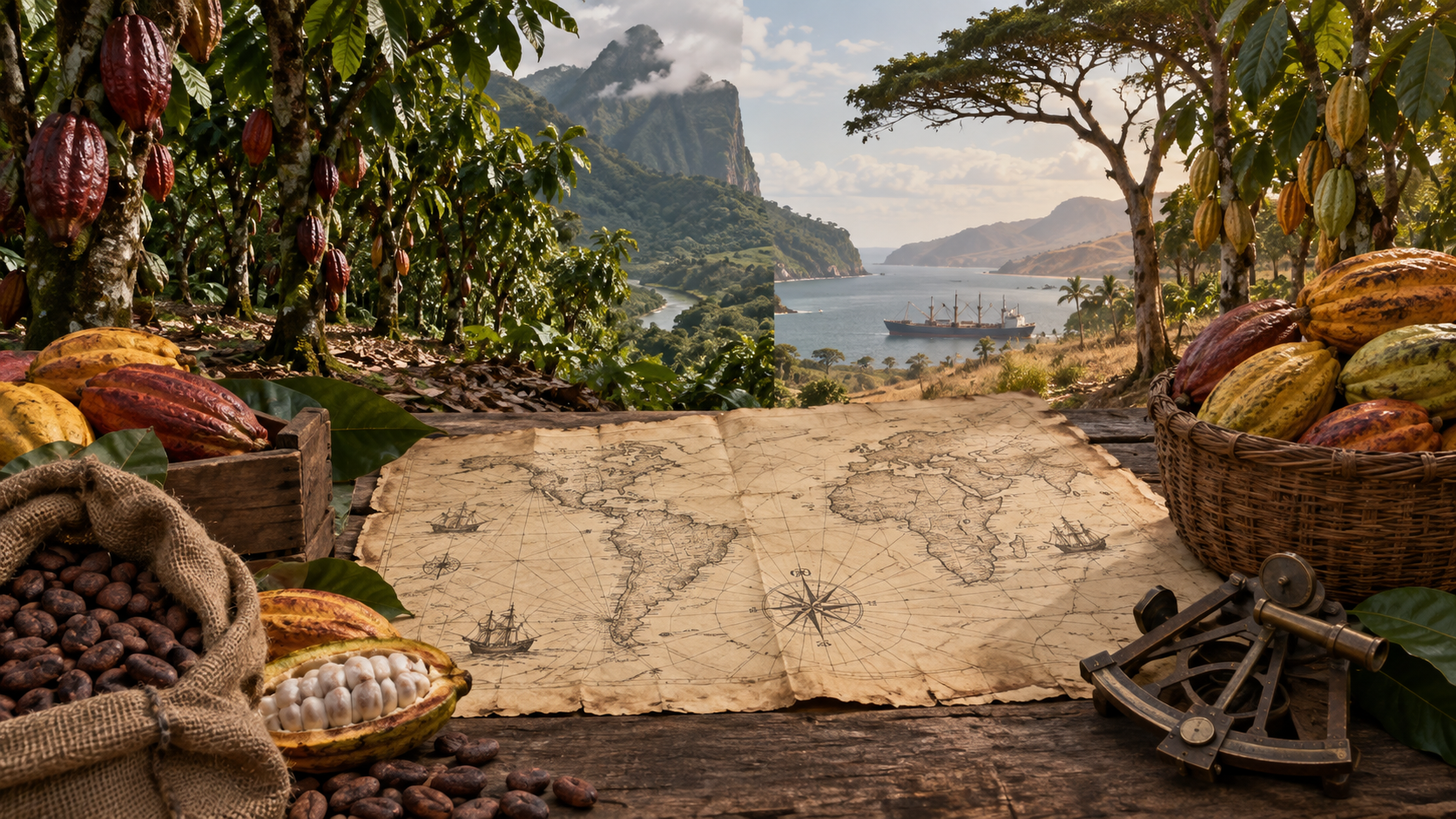
Commercial cocoa cultivation expanded in parts of West Africa during the nineteenth and twentieth centuries. Ghana and Côte d’Ivoire became leading producers through farming systems and policies with their own histories, not simply copies of Caribbean plantations.
Read modern claims with care
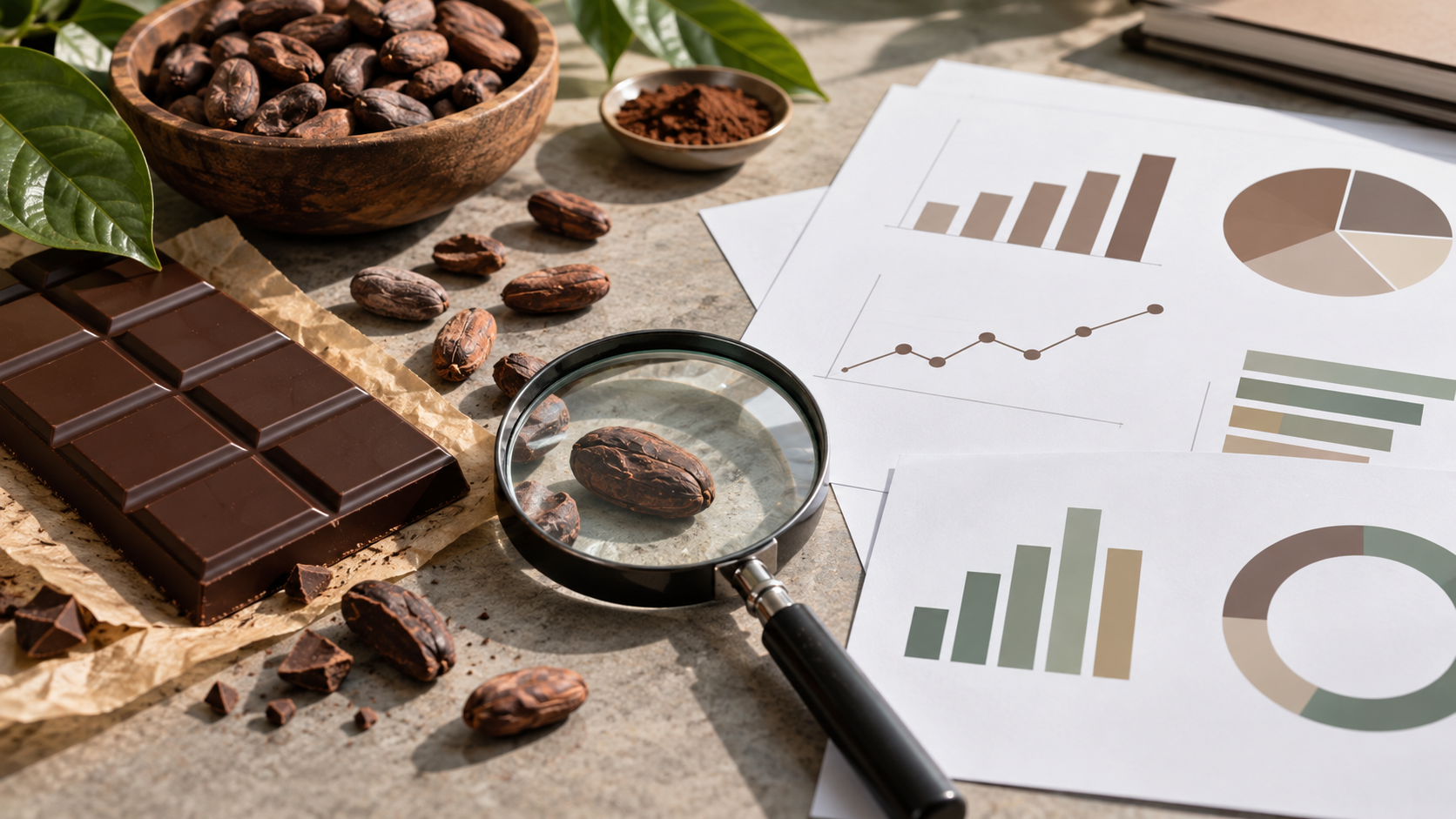
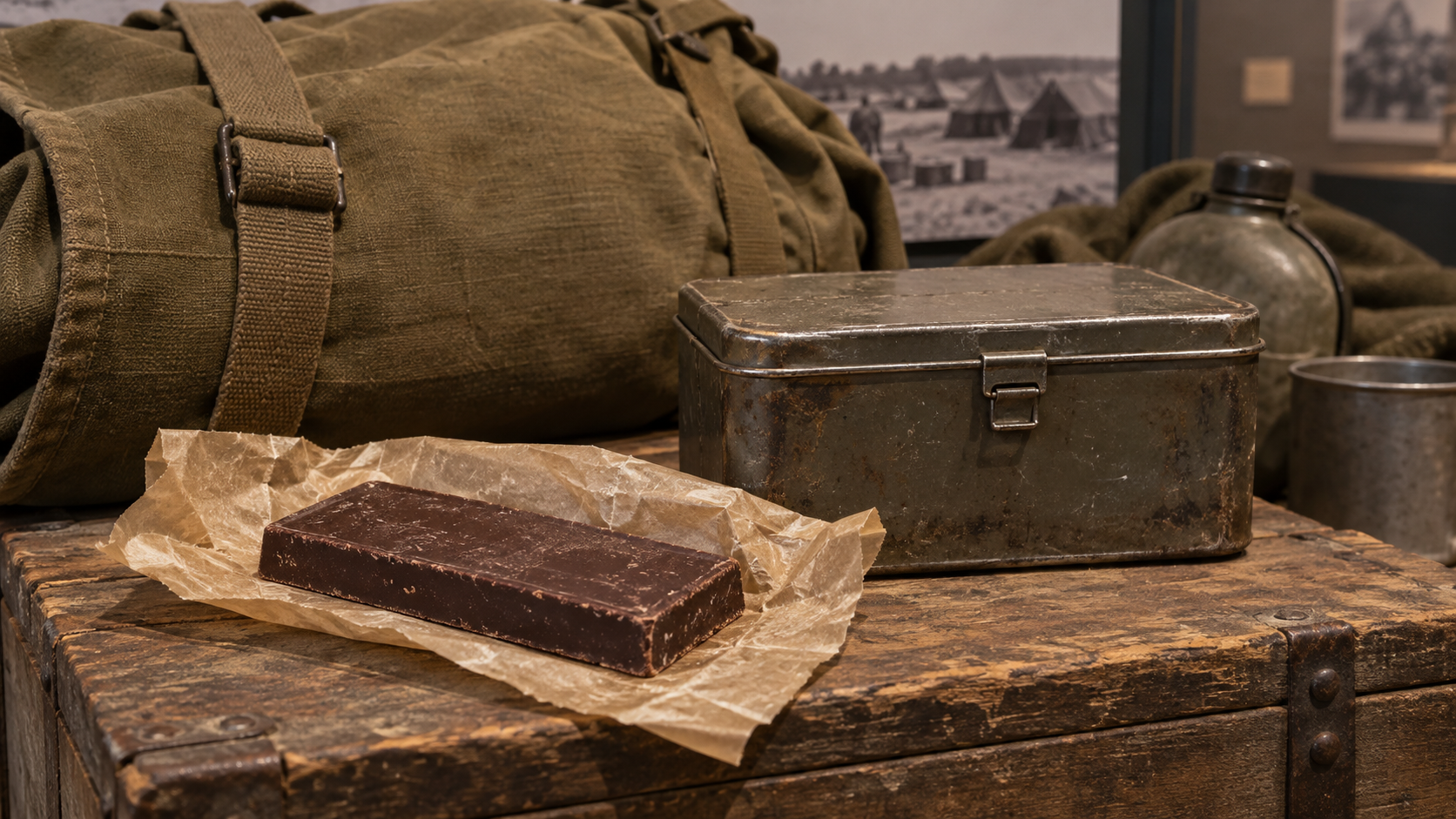
A brand’s origin story or ethical slogan cannot settle the history of its supply chain. Useful evidence includes traceability, purchasing practices, farm-gate income, labour monitoring, remediation and independently checked reporting.
Choose chocolate more thoughtfully
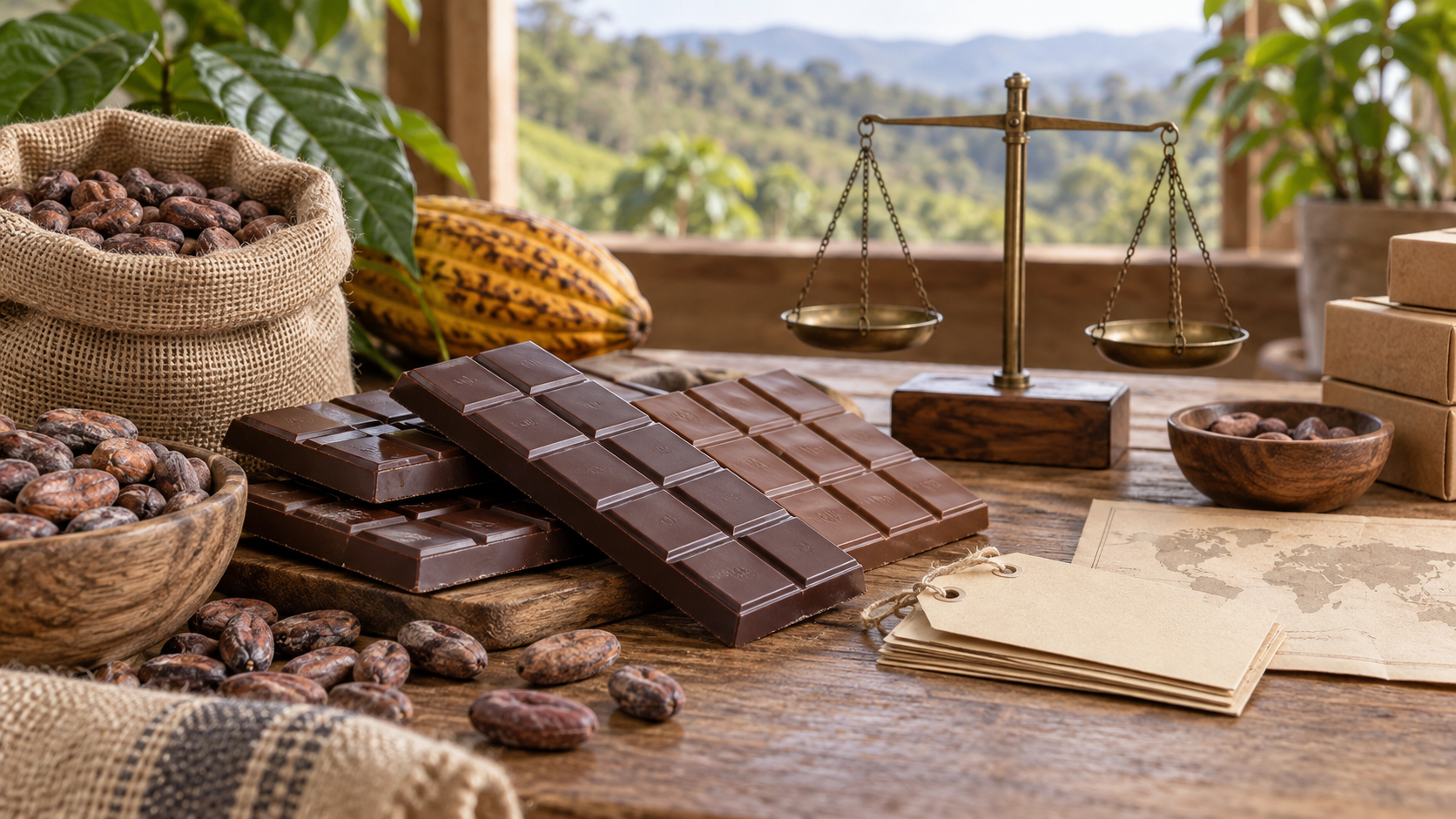
Consumers cannot repair structural inequality through one purchase, but they can compare transparent companies, avoid exaggerated claims and support measures that improve farmer income, labour rights and access to education. Historical honesty is part of enjoying chocolate responsibly.
Frequently asked questions
Why was the original article rewritten?
Unsupported historical, health, commercial or cultural claims were replaced with cautious guidance while preserving the useful core subject.
How can a historical claim be checked?
Look for a named primary source, catalogue, museum, archive or peer-reviewed study and confirm its date, place and context.
Does this guide prove a product or event is ethical?
No. Ethical claims need current evidence about sourcing, labour, payments, governance and results.
Is every chocolate item suitable for every reader?
No. Check current ingredient labels, allergies, dietary choices, alcohol content and individual health needs.
Can cultural traditions be combined freely?
Specific communities and living practitioners should be named and respected; modern adaptations should be described honestly.
What should be recorded when adapting the idea?
Record sources, ingredients, quantities, dates, safety decisions and any changes made for a modern British audience.