
Choose a low-moisture coffee method

A few drops of brewed coffee can seize melted chocolate because a small amount of water makes sugar particles clump. Choose the method to match the finished product.
Use espresso powder for solid chocolate
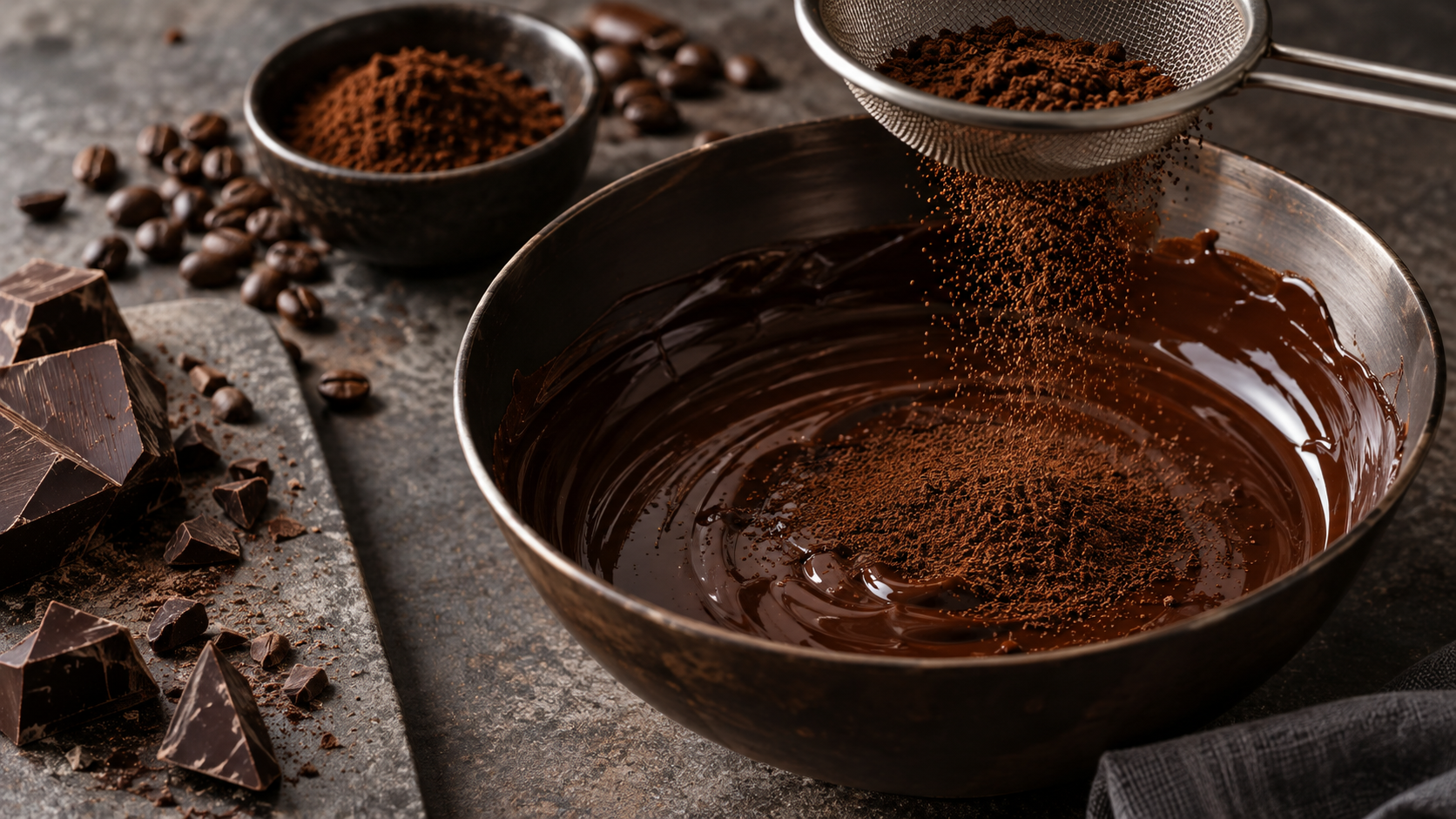
For solid bars or decorations, use a small amount of fine instant espresso powder or a cocoa-butter-based coffee flavour. Sift it and test for graininess.
Use coffee-infused cream for ganache
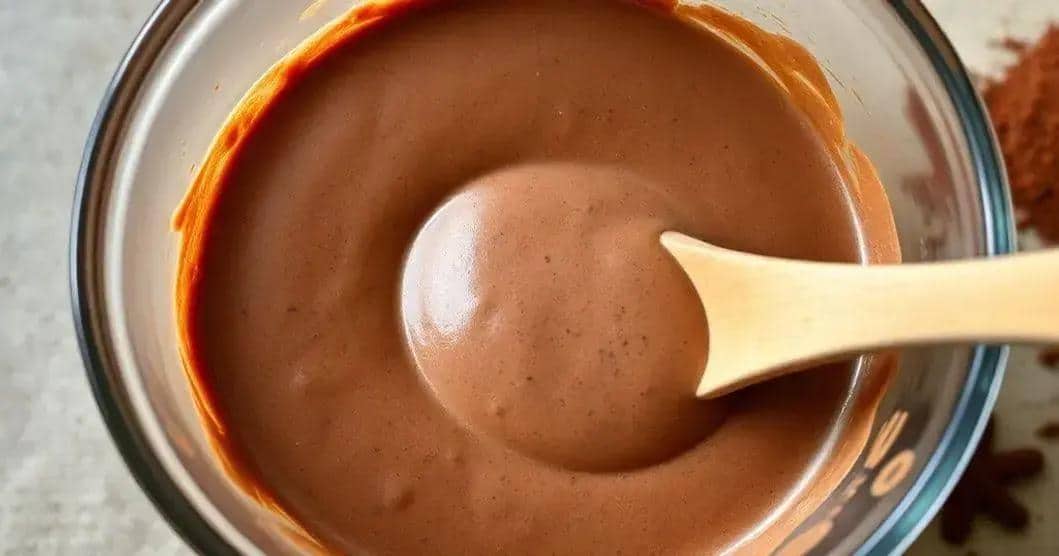
For a soft filling, infuse coffee into the cream, strain if needed and make ganache normally. The larger controlled liquid phase can form a stable emulsion.
Keep every tool dry

Dry bowls, spatulas and moulds thoroughly and keep them away from steam. Do not add wet coffee grounds directly to tempered chocolate.
Combine at compatible temperatures

When making ganache, pour hot coffee cream over chopped chocolate and stir from the centre. When flavouring solid chocolate, keep the addition within its working temperature.
Test the finished texture

Set a small sample before committing the full batch. Check flavour, grit, snap and crystallisation, and record the exact coffee quantity.
Frequently asked questions
Why was the source rewritten?
Unsafe, unsupported or technically unreliable advice was corrected while preserving the useful subject.
How should allergens be handled?
Check every current pack, prevent cross-contact and provide accurate ingredient information.
Can storage time be copied from another recipe?
No. Validate it for the actual ingredients, hygiene, process, packaging and temperature.
Can quantities be changed freely?
Changes to water, fat, sugar, alcohol or acidity can alter texture, safety and keeping quality.
Are health or nutrition claims automatic?
No. They require the complete formulation, a defined portion and suitable evidence.
What should be recorded during testing?
Record exact weights, temperatures, times, yield, storage and the result of every controlled trial.