
Choose the message before the chocolate
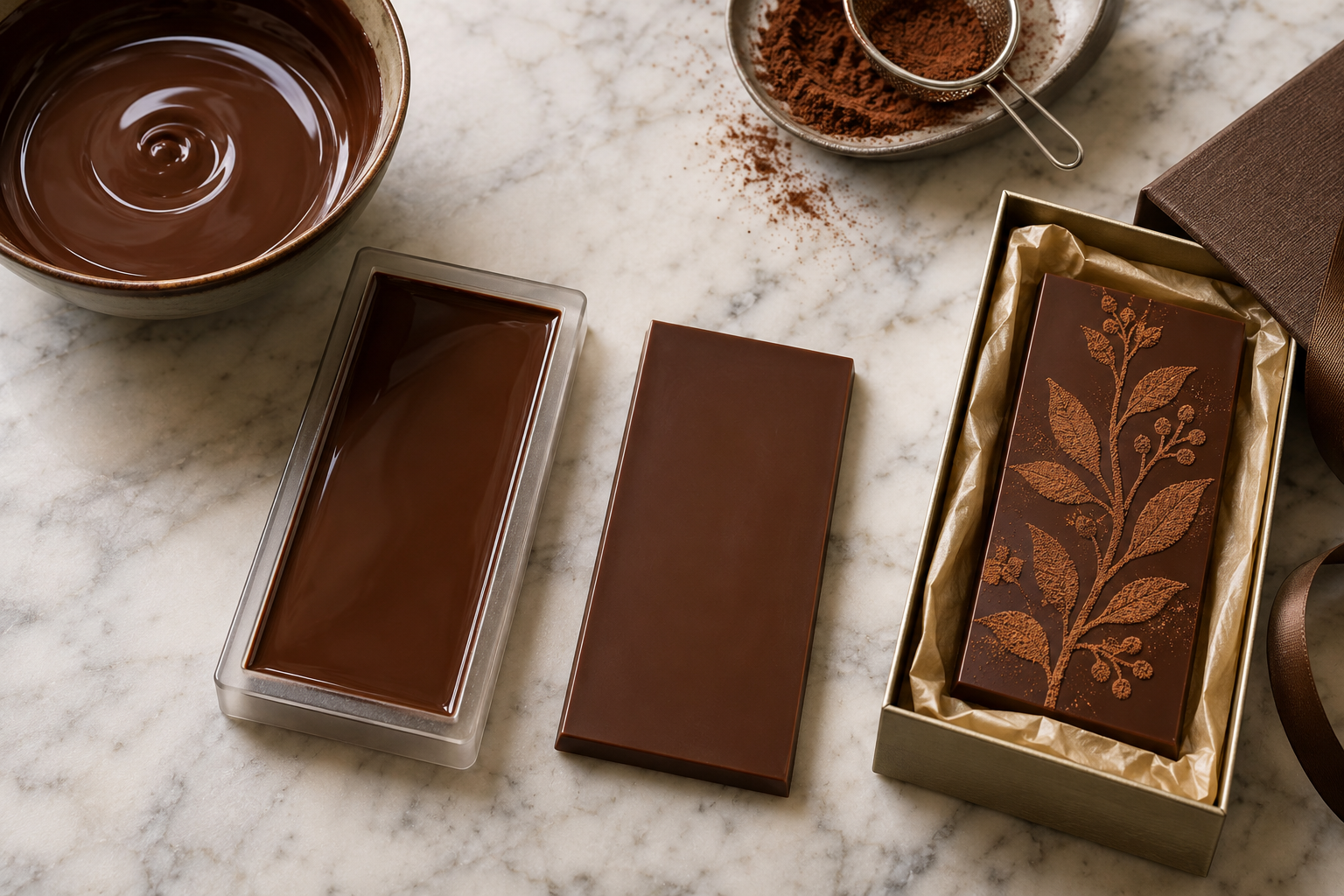
A short, specific message usually feels more personal than a long generic slogan. Decide whether the gift is a thank-you, apology, celebration or invitation before choosing its design.
Select a practical edible format
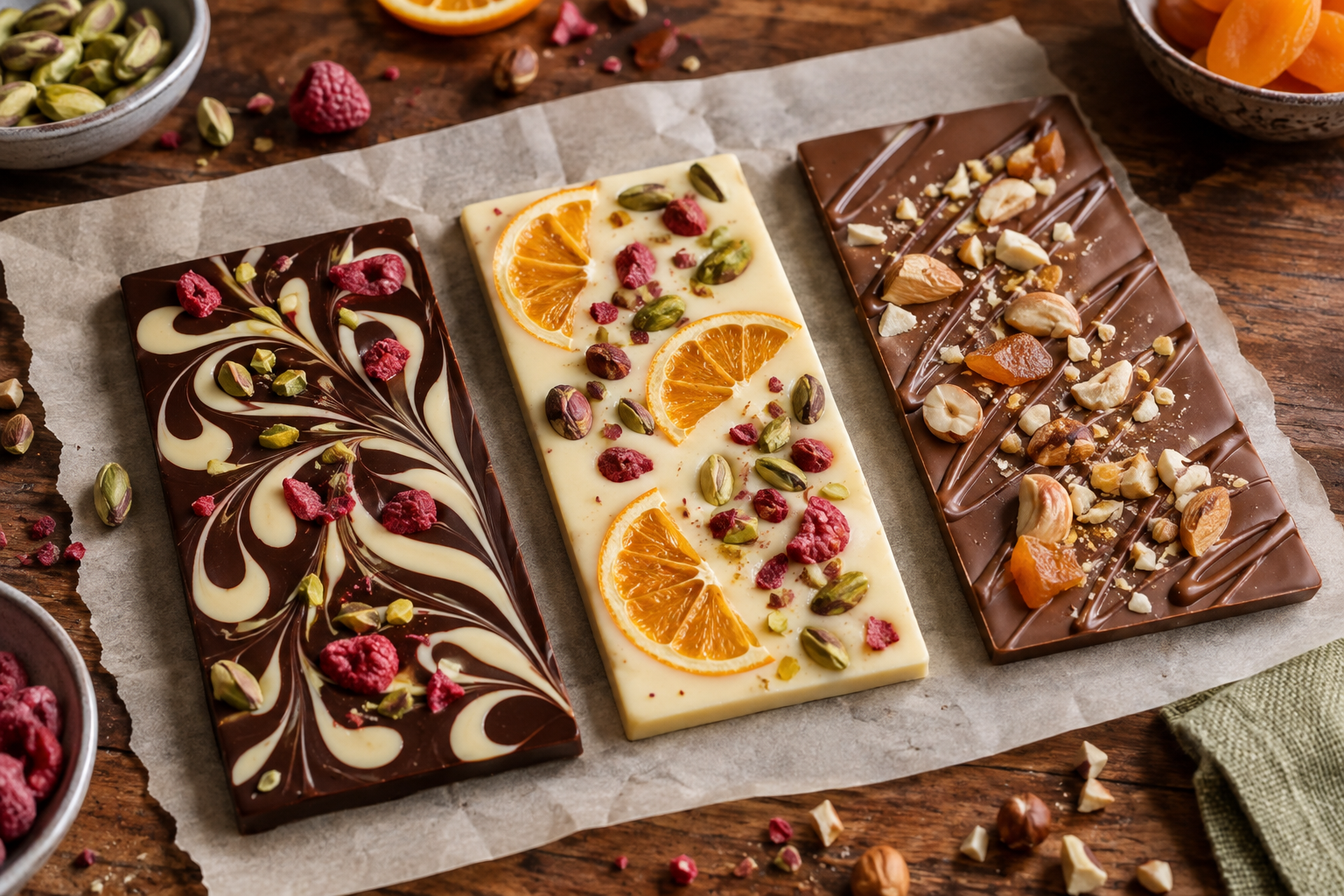
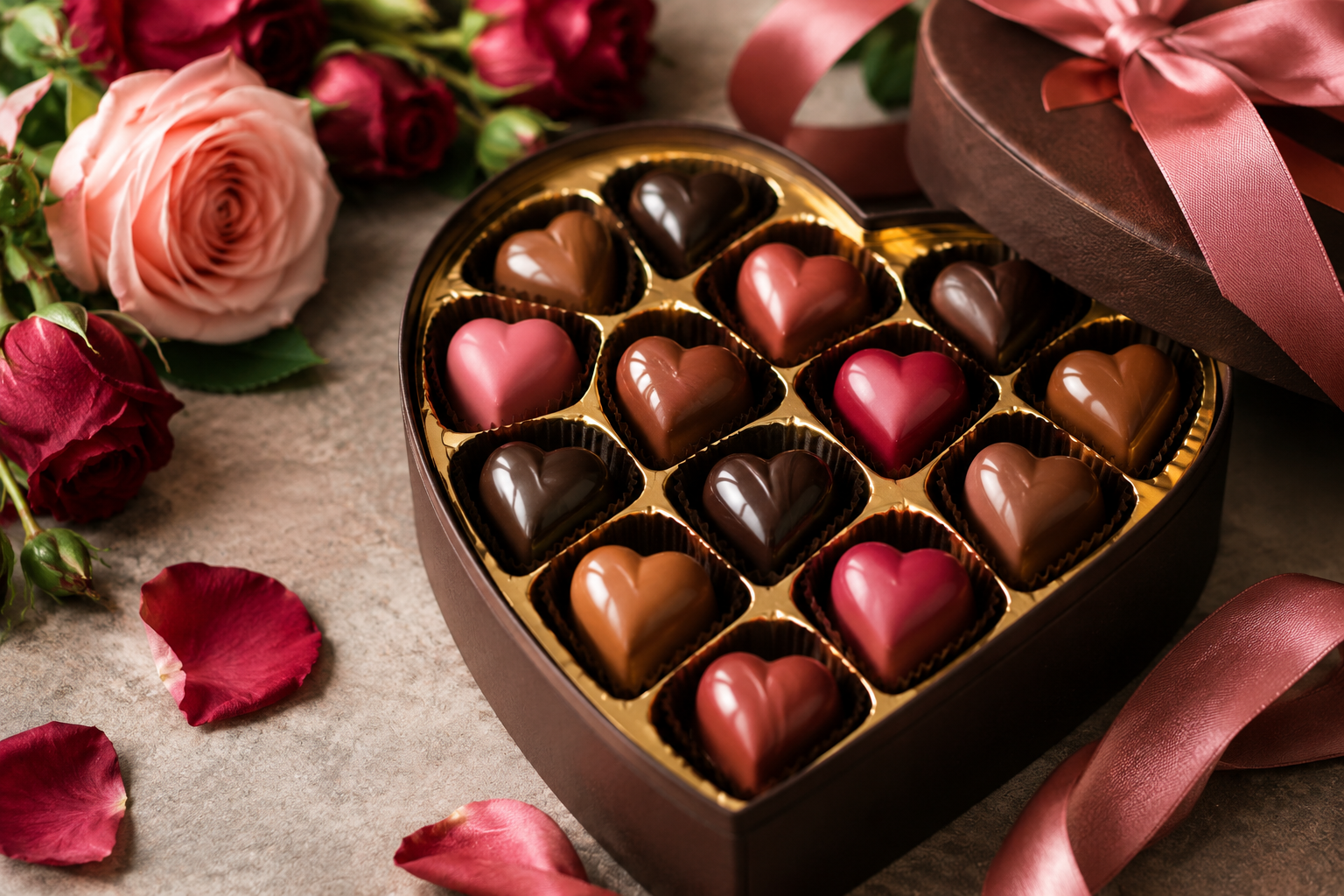
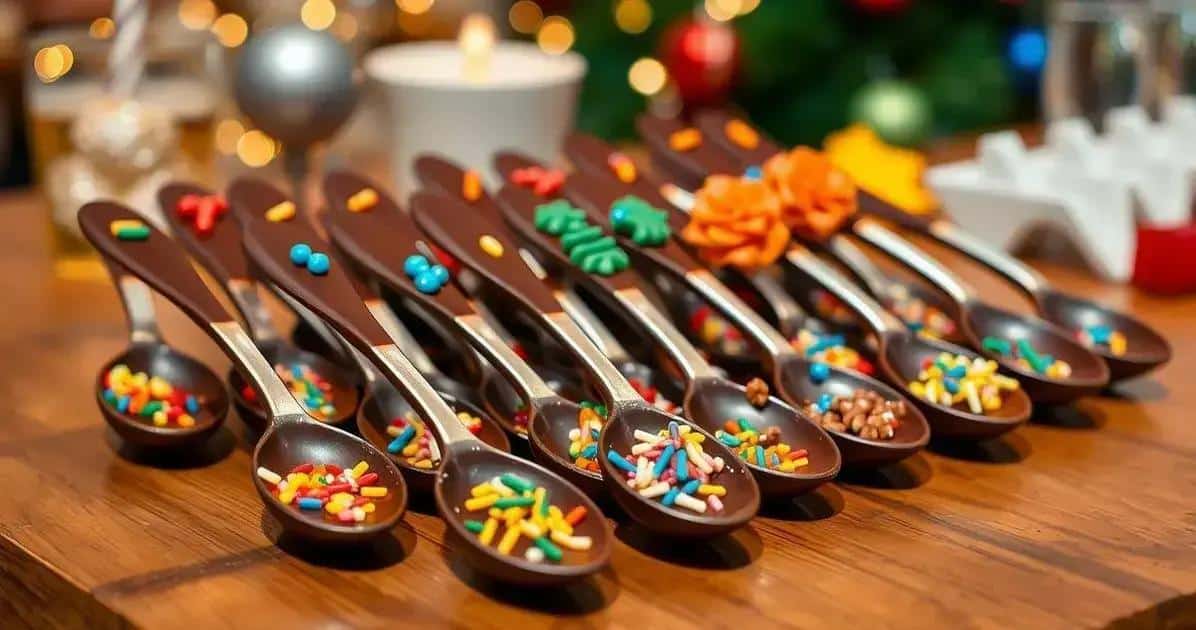
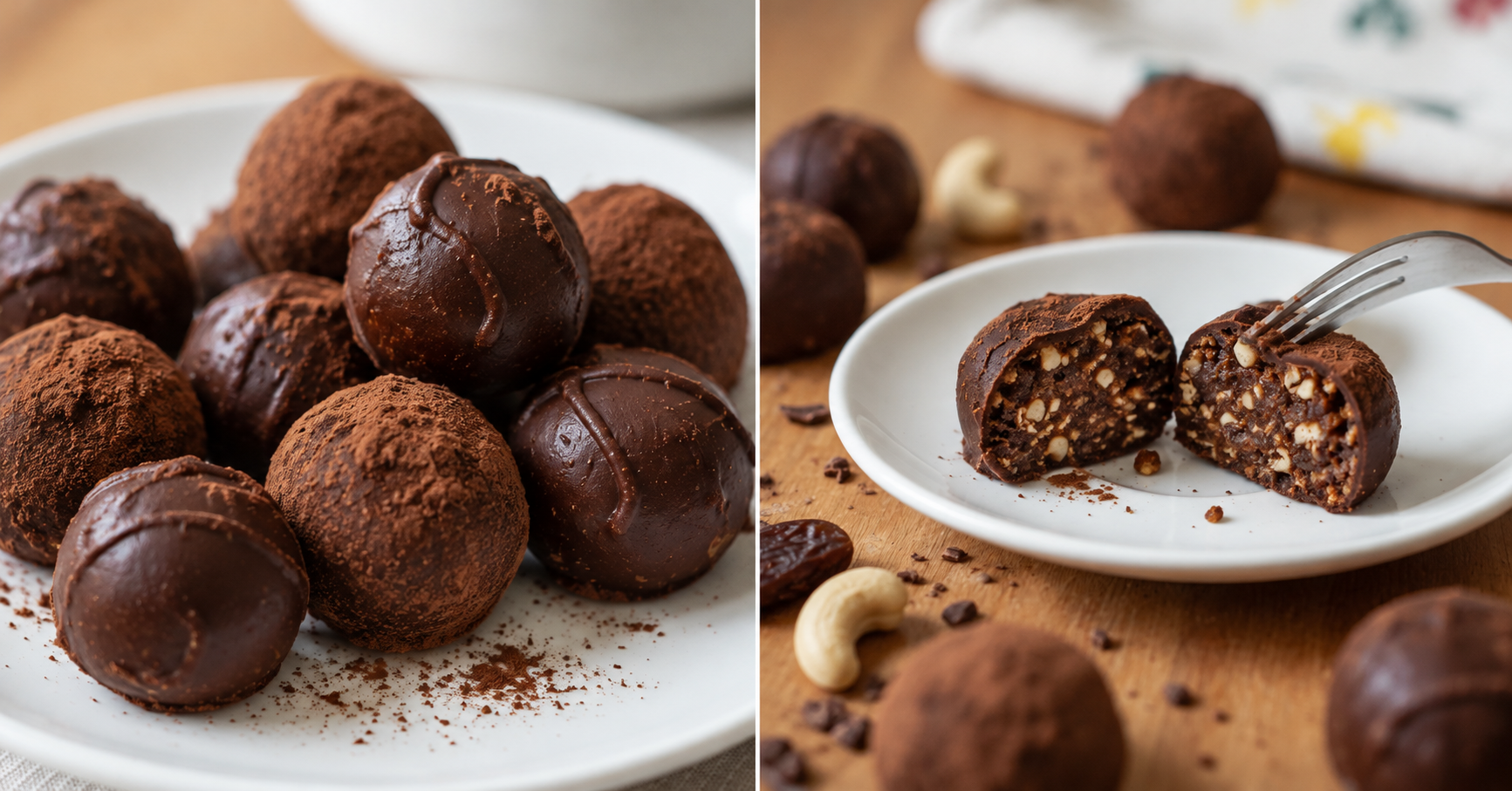
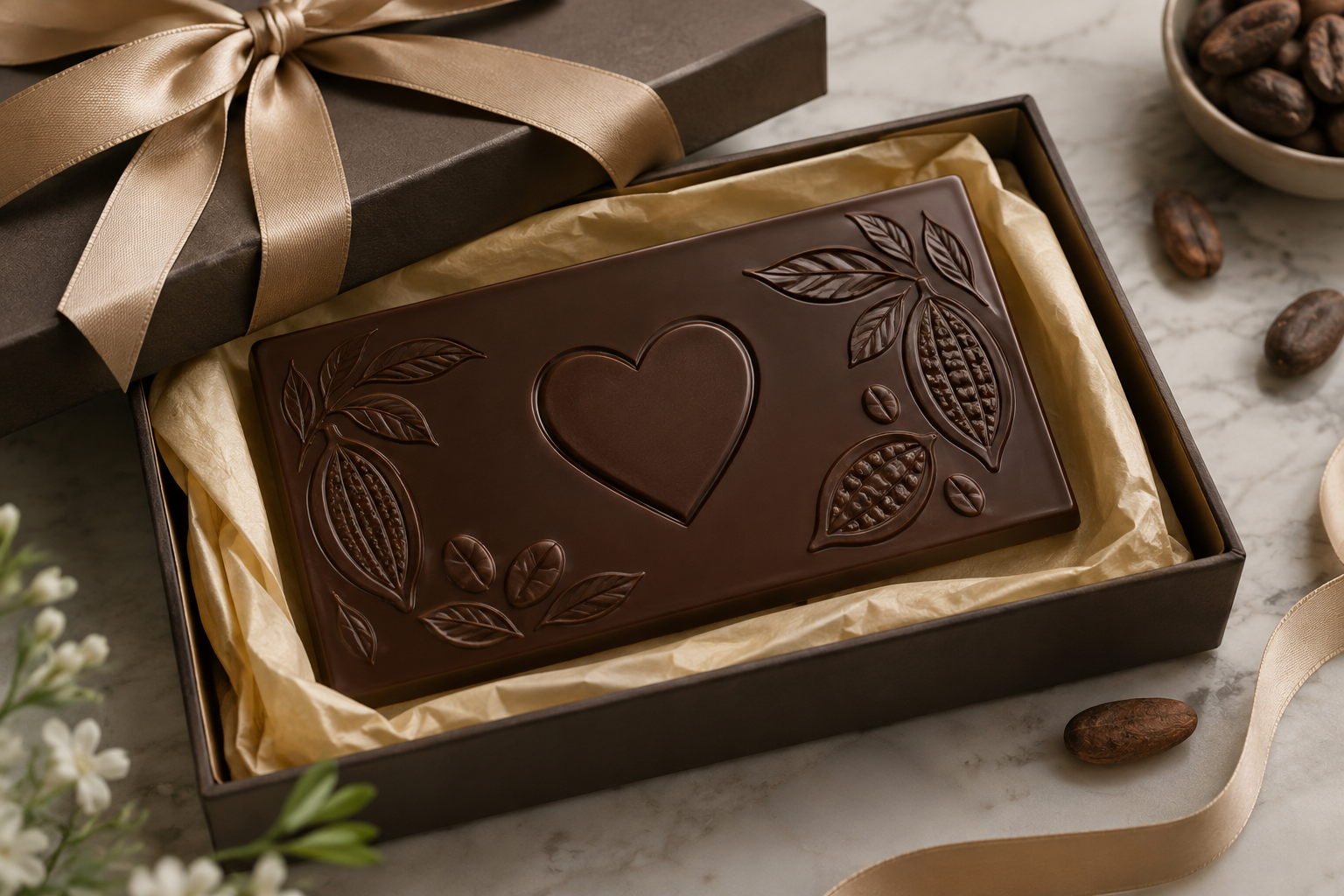
Use a wrapped mini bar, sealed chocolate shapes or a flat moulded plaque made from a tested recipe. Do not write directly on food with ordinary pens or craft paint.
Keep writing materials away from food
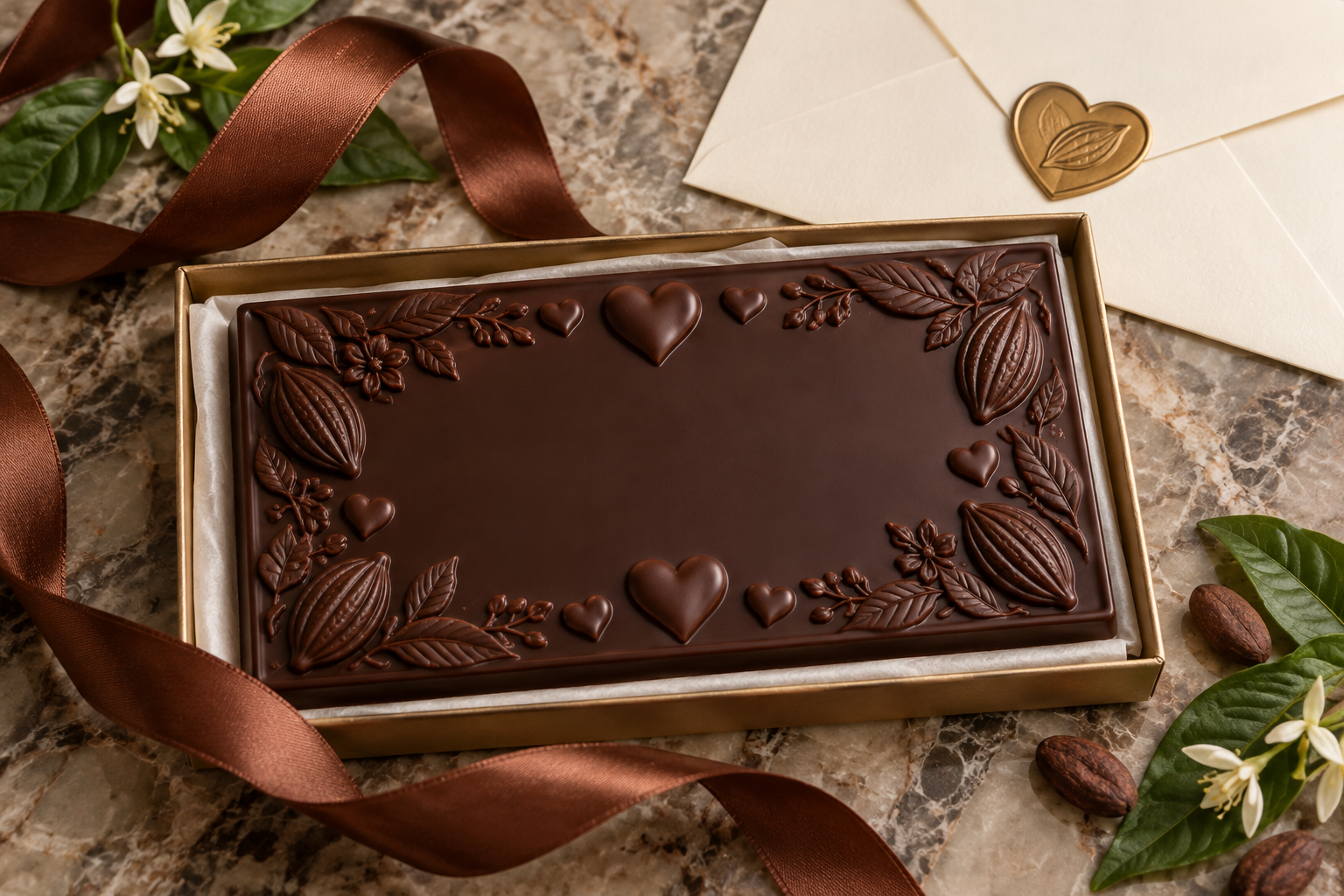
Food-safe transfer sheets and edible colours have defined uses; paper ink, metallic marker, glitter and glue must stay on the outer card. Keep a physical barrier between craft materials and the chocolate.
Assemble a clean layered card
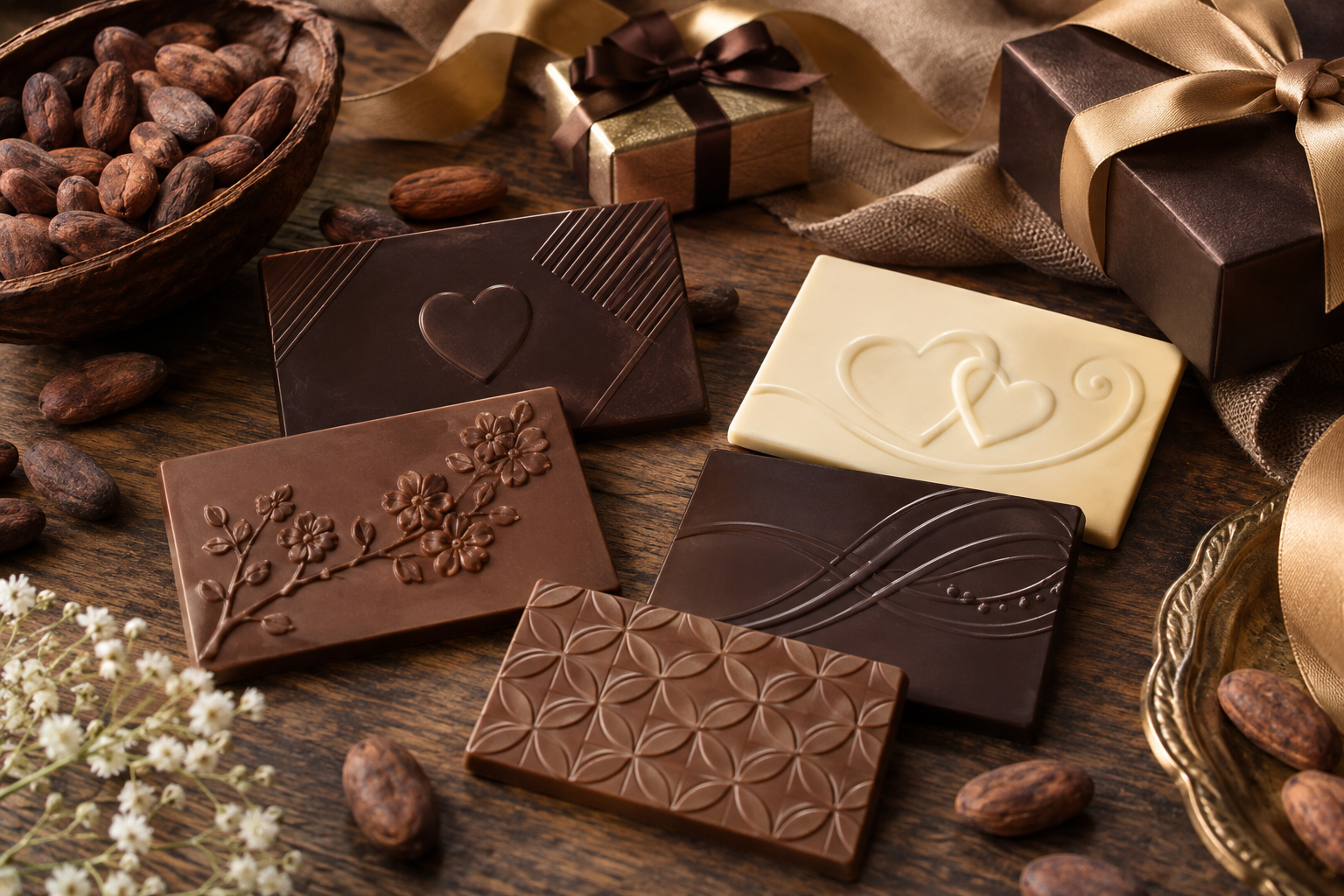
Fix a sealed chocolate packet inside a folded card with a paper sleeve or food-safe pocket. Do not use staples where they could enter the food or scratch the recipient.
Protect it during delivery
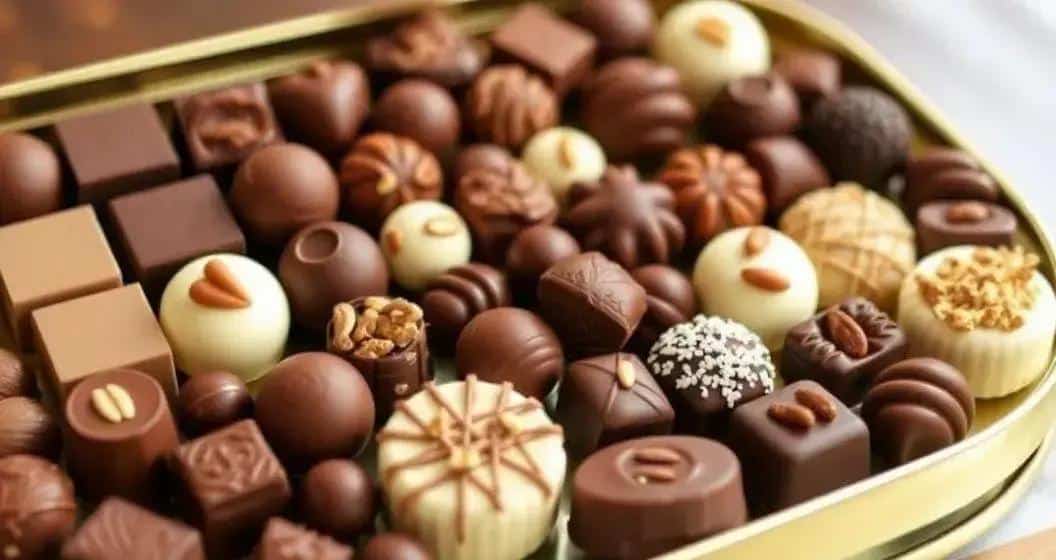
Choose a rigid envelope or shallow box so the chocolate cannot snap. Heat and direct sun are bigger risks than cosmetic dents, particularly in a letterbox or delivery van.
Include useful product information
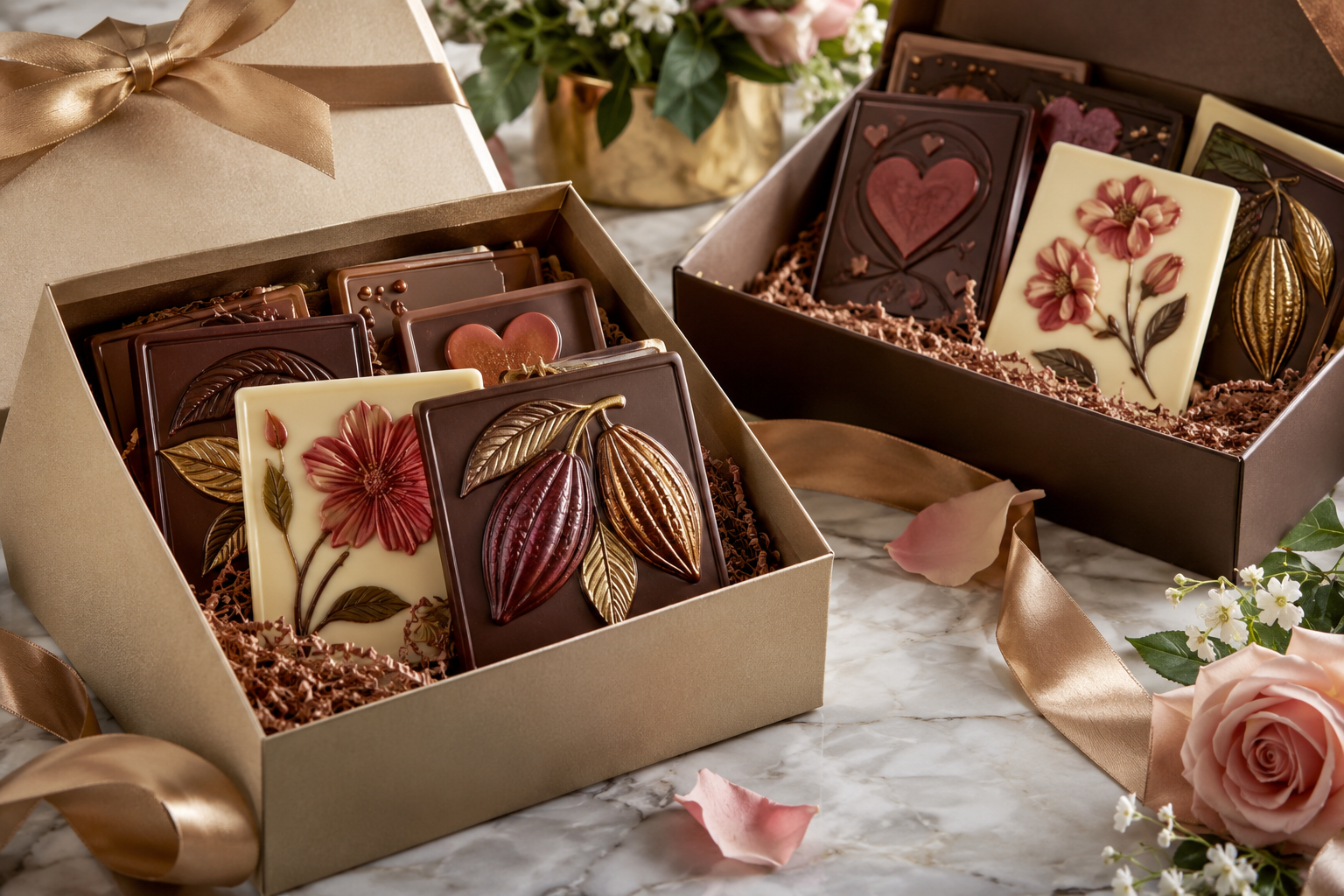
Retain the original ingredient list, allergen warning, best-before date and storage advice. If the chocolate is homemade, provide an accurate ingredient and allergen list and a conservative use-by plan.
Adapt the idea for different recipients
Use neutral language for colleagues, a warm memory for family or a private joke for a close friend. Never use food to pressure a person into accepting a romantic or social request.
Frequently asked questions
Why was the original article rewritten?
Unsupported historical, commercial, cultural or safety claims were replaced with cautious practical guidance while preserving the useful subject.
How should a “first” or invention claim be checked?
Use a named contemporary source, archive, patent, catalogue or well-supported specialist history.
Can a gift be assumed safe because it is chocolate?
No. Ingredients, allergens, alcohol, temperature, shelf life and choking risks still need attention.
May craft materials touch chocolate?
Only materials explicitly approved for food contact should touch unwrapped food.
How should storage time be decided?
Use the product label or a validated recipe and process; appearance and smell alone cannot establish safety.
What should be recorded during an adaptation?
Record sources, ingredients, quantities, temperatures, dates, packaging and every change made for a modern British audience.