
Begin before the Atlantic crossing
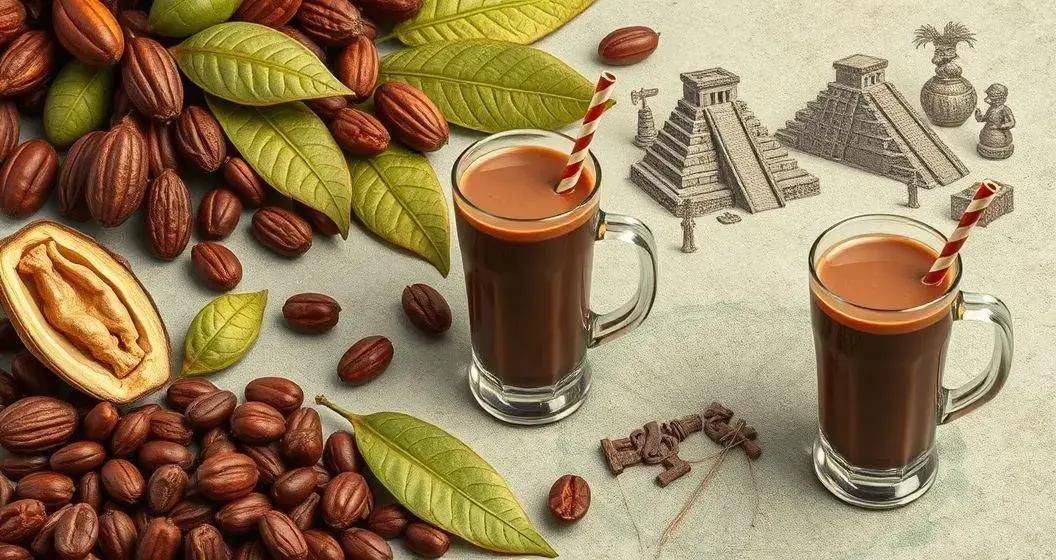
Cacao cultivation and drinks had long histories in Mesoamerica before European empires entered the trade. Atlantic history should retain that foundation rather than presenting Europe as the beginning of chocolate.
Follow early colonial shipments
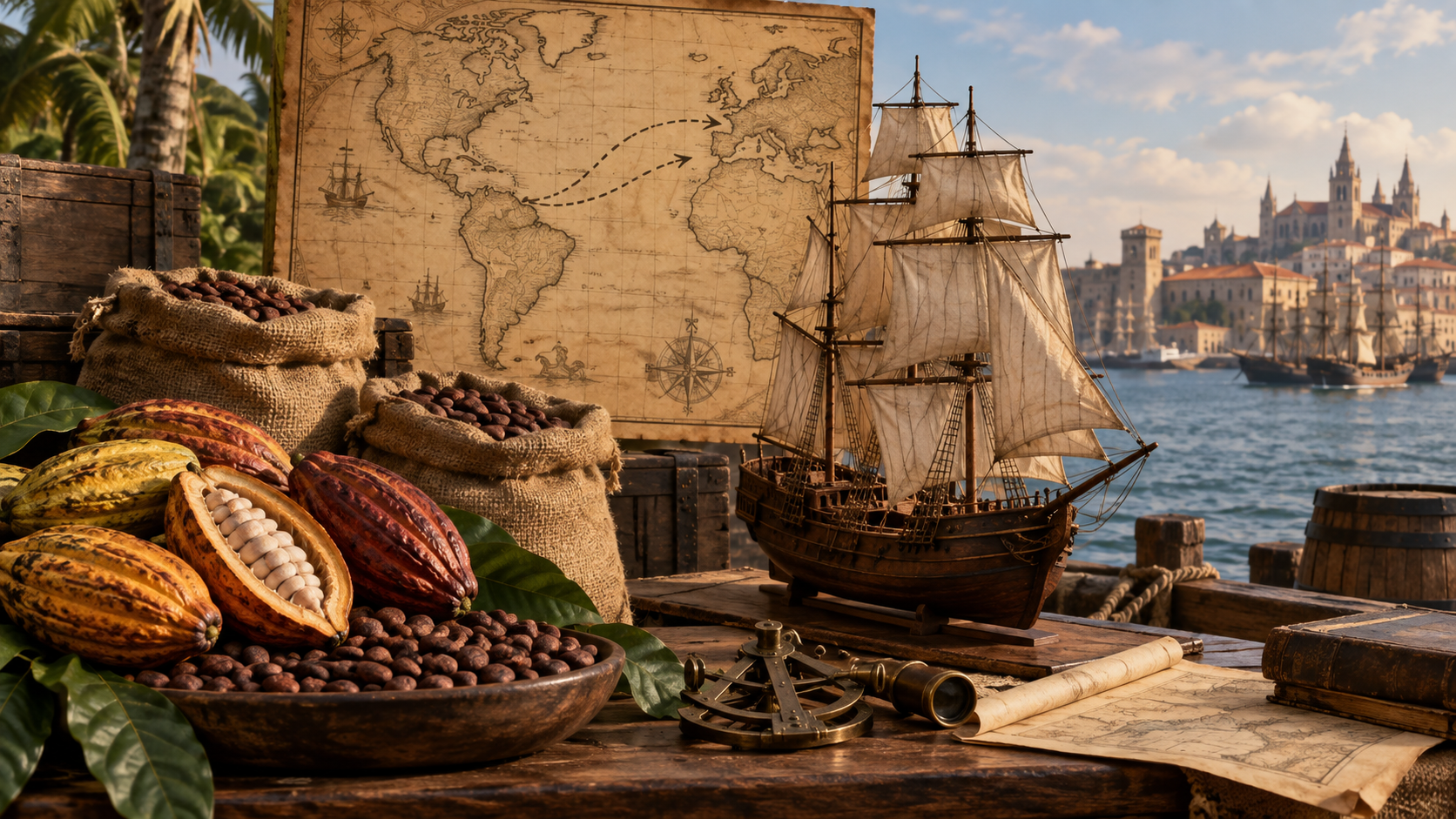
Spanish colonial networks carried cacao and prepared chocolate between American ports, Spain and other territories. Quantities, origins and routes varied, and contraband made official customs figures incomplete.
Understand shipping and processing
Beans had to be fermented, dried, bagged and protected from moisture, pests and odours. At destination they were roasted and ground; the finished drink also depended on sugar, spices, equipment and local taste.
Trace changing European demand
Consumption first centred on elite and courtly settings but broadened unevenly through trade, specialised shops, industrial processing and lower prices. No single ship or captain “introduced chocolate to Europe” in one decisive moment.
Recognise labour and environmental costs
The trade was shaped by colonial land control, enslaved and coerced labour, and later unequal commodity markets. These conditions differed across centuries and regions but cannot be omitted from a responsible account.
Research a voyage responsibly
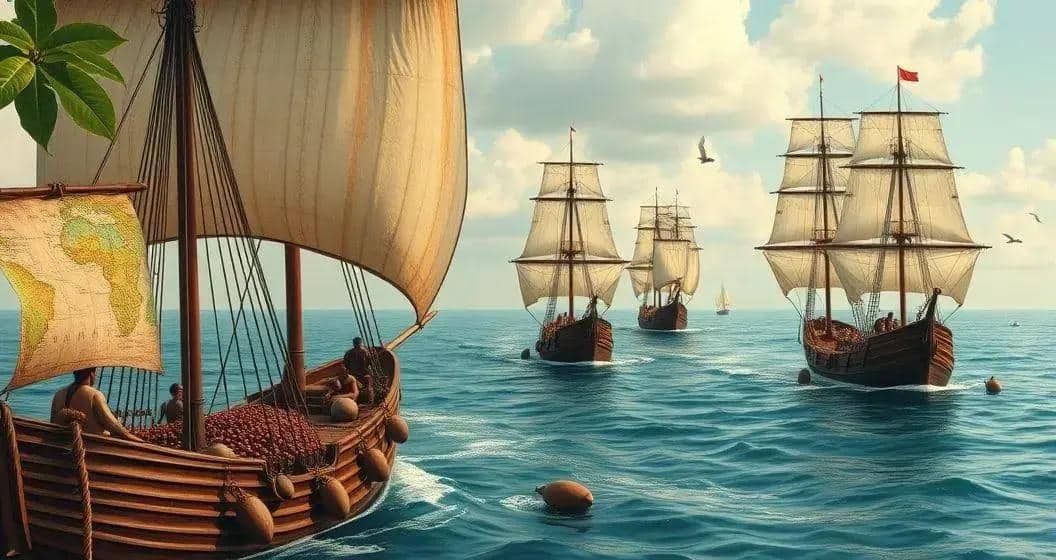
To study one voyage, combine a dated manifest or customs record with information about the vessel, ports, owners, crew and labour behind the cargo. State gaps openly instead of filling them with a romantic adventure story.
Frequently asked questions
Why was the original article rewritten?
Unsupported historical, health, commercial or cultural claims were replaced with cautious guidance while preserving the useful core subject.
How can a historical claim be checked?
Look for a named primary source, catalogue, museum, archive or peer-reviewed study and confirm its date, place and context.
Does this guide prove a product or event is ethical?
No. Ethical claims need current evidence about sourcing, labour, payments, governance and results.
Is every chocolate item suitable for every reader?
No. Check current ingredient labels, allergies, dietary choices, alcohol content and individual health needs.
Can cultural traditions be combined freely?
Specific communities and living practitioners should be named and respected; modern adaptations should be described honestly.
What should be recorded when adapting the idea?
Record sources, ingredients, quantities, dates, safety decisions and any changes made for a modern British audience.