
Understanding cocoa percentages
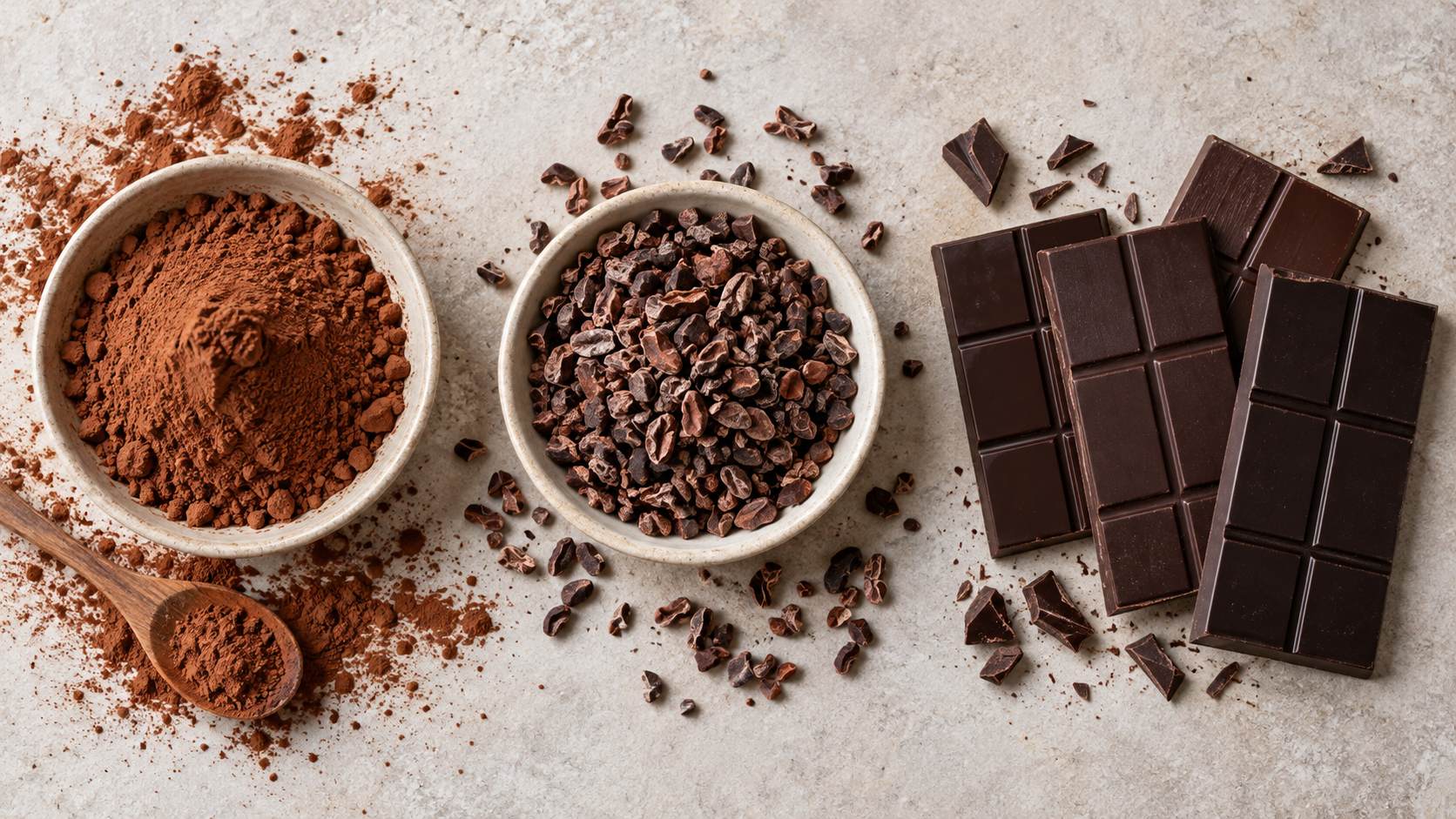
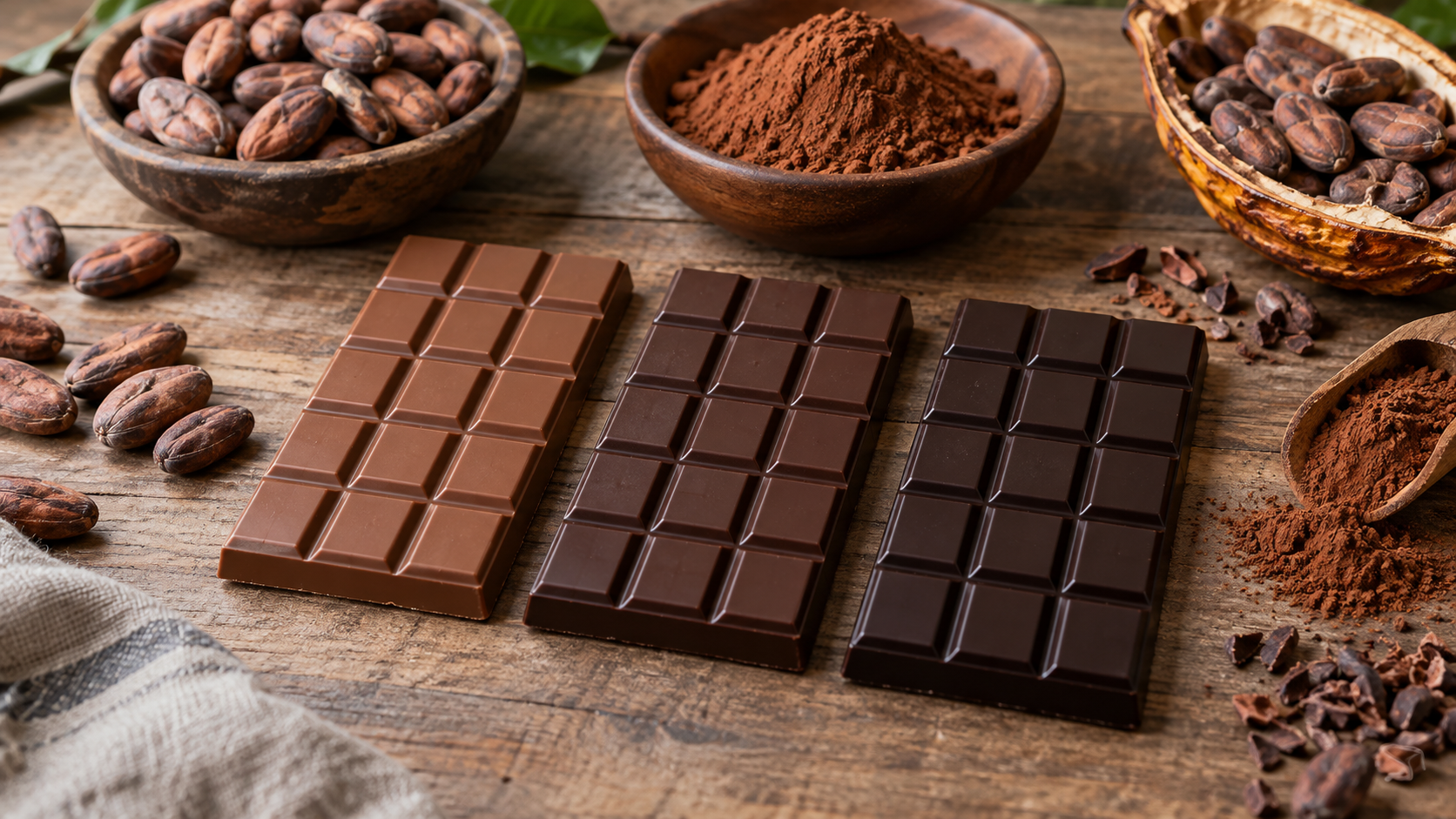
Cocoa percentage describes how much of a chocolate bar comes from cocoa solids and cocoa butter. A higher figure usually tastes more intense and less sweet, although recipes vary by brand.
Choosing cocoa for cakes
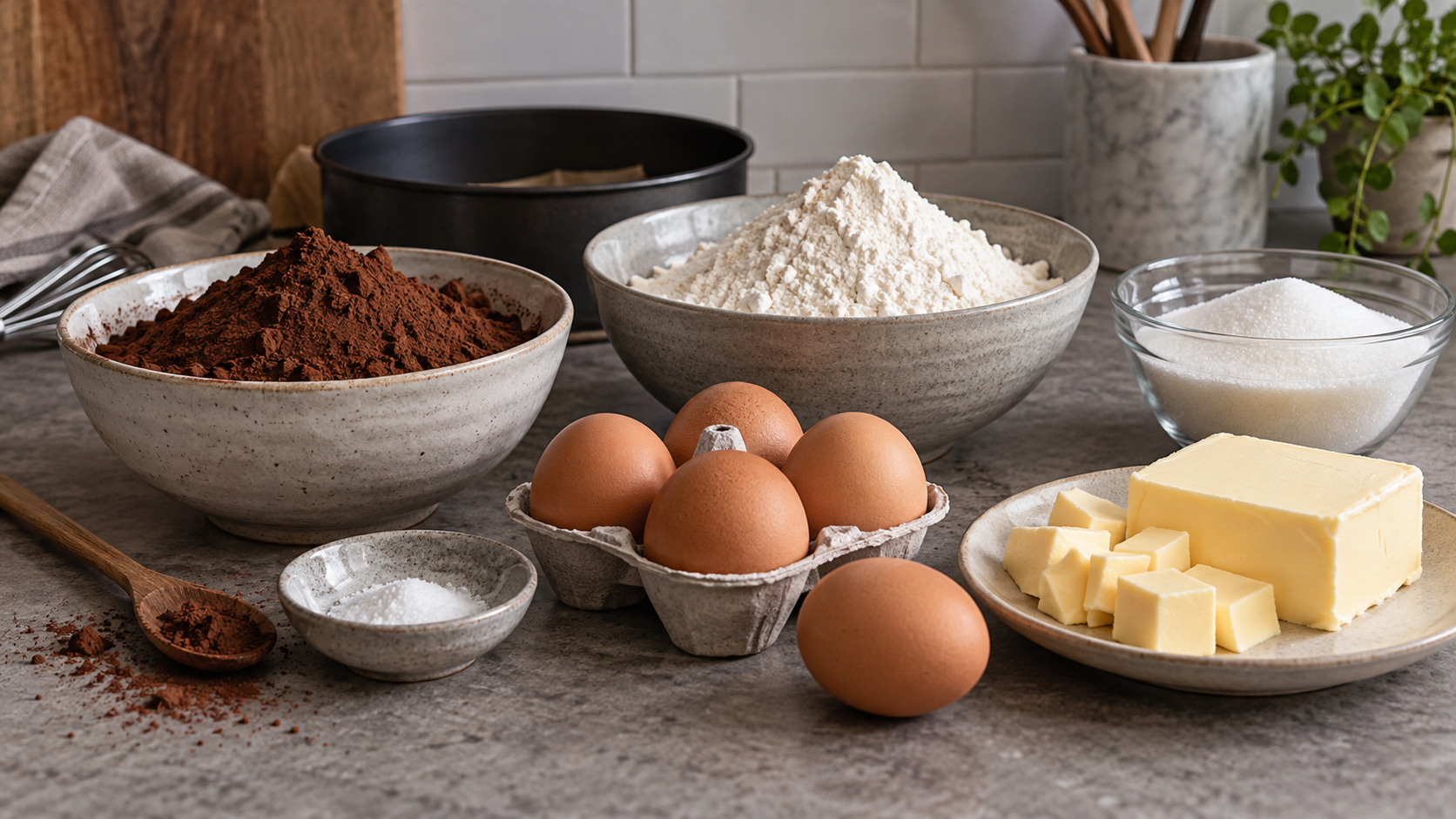
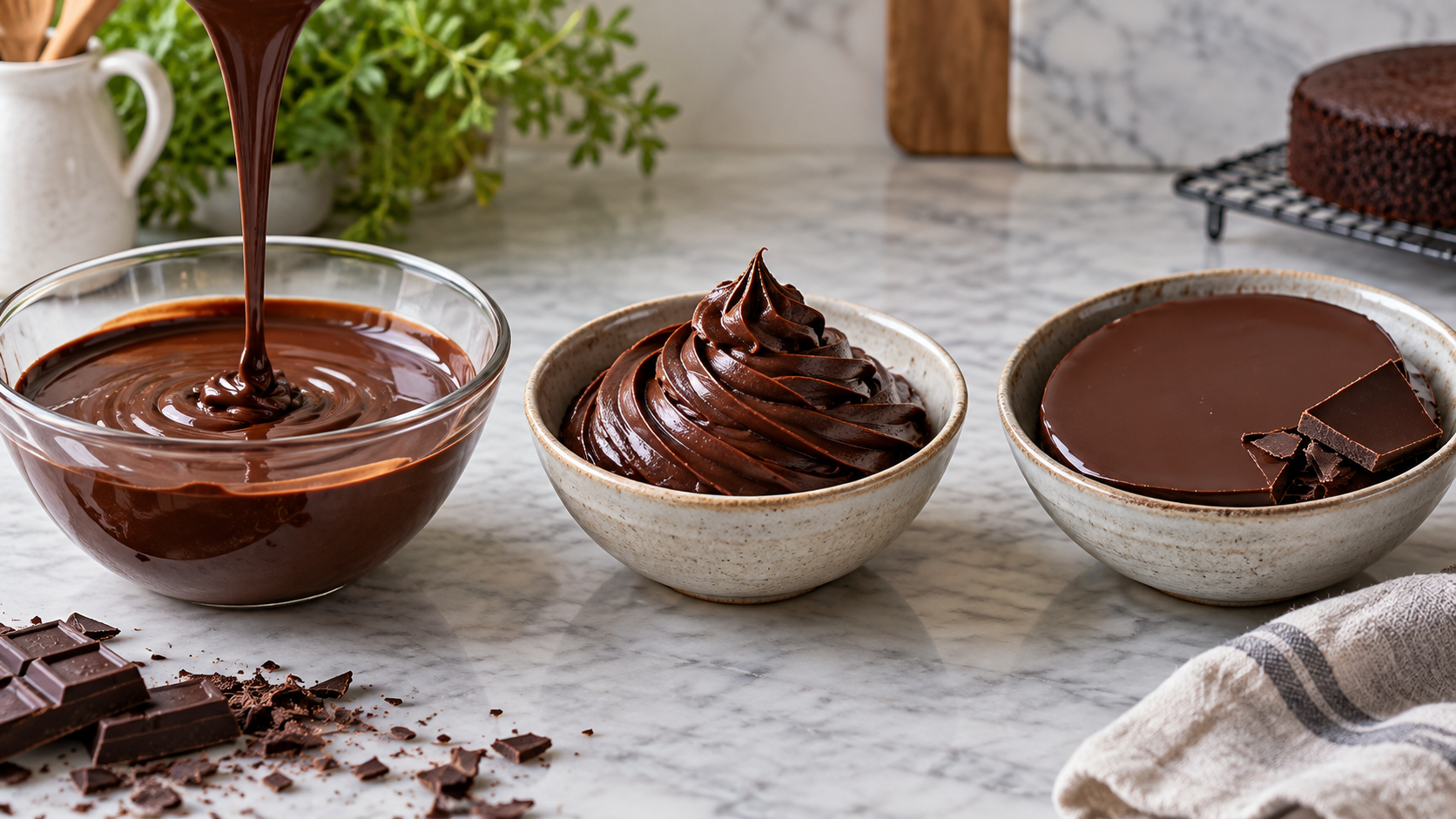
For sponge cakes and brownies, unsweetened cocoa powder gives the cook direct control over sugar. When using a chocolate bar, 55–70% cocoa is a useful starting range.
Balancing bitterness and sugar
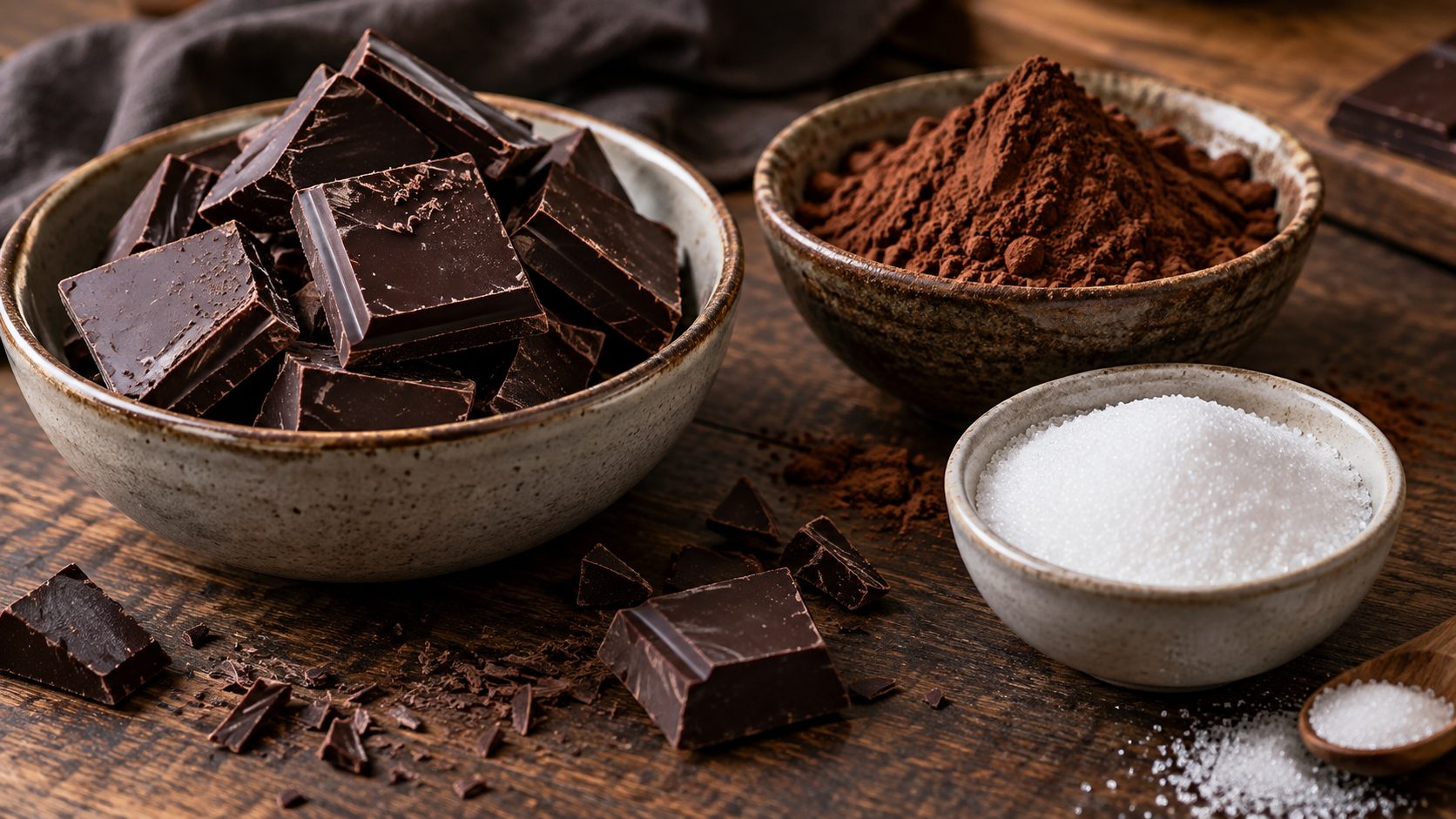
Change one element at a time. If darker chocolate replaces milk chocolate, add sweetness gradually rather than matching the original sugar automatically.
Adjusting liquids and fats
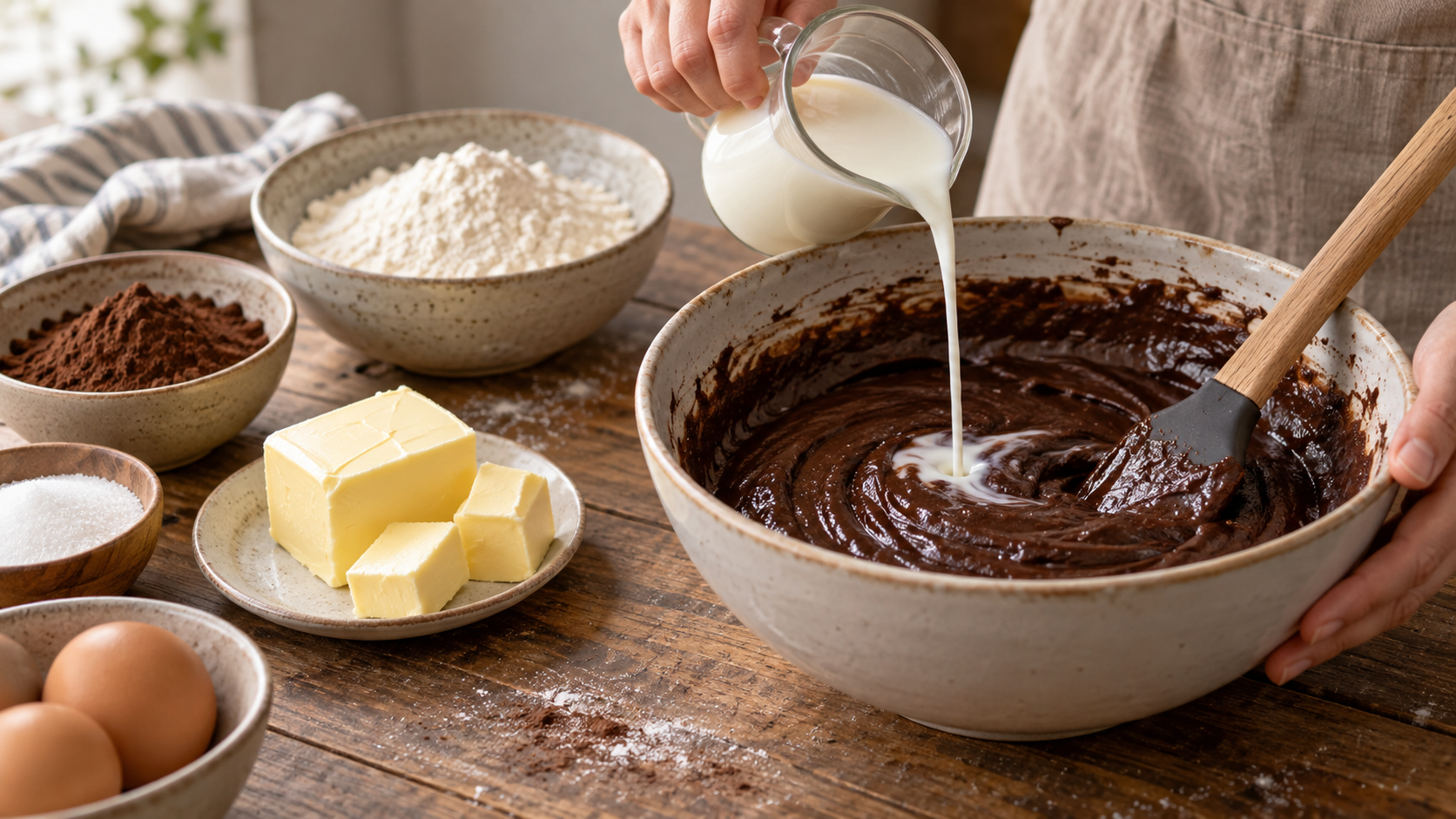
Cocoa powder absorbs moisture. For every extra tablespoon added to a batter, a small splash of milk may be needed to maintain the intended consistency.
Testing a small batch

Bake or chill a small portion before changing the whole mixture. Warm chocolate often tastes sweeter and softer than the finished, cooled dessert.
Recording successful changes
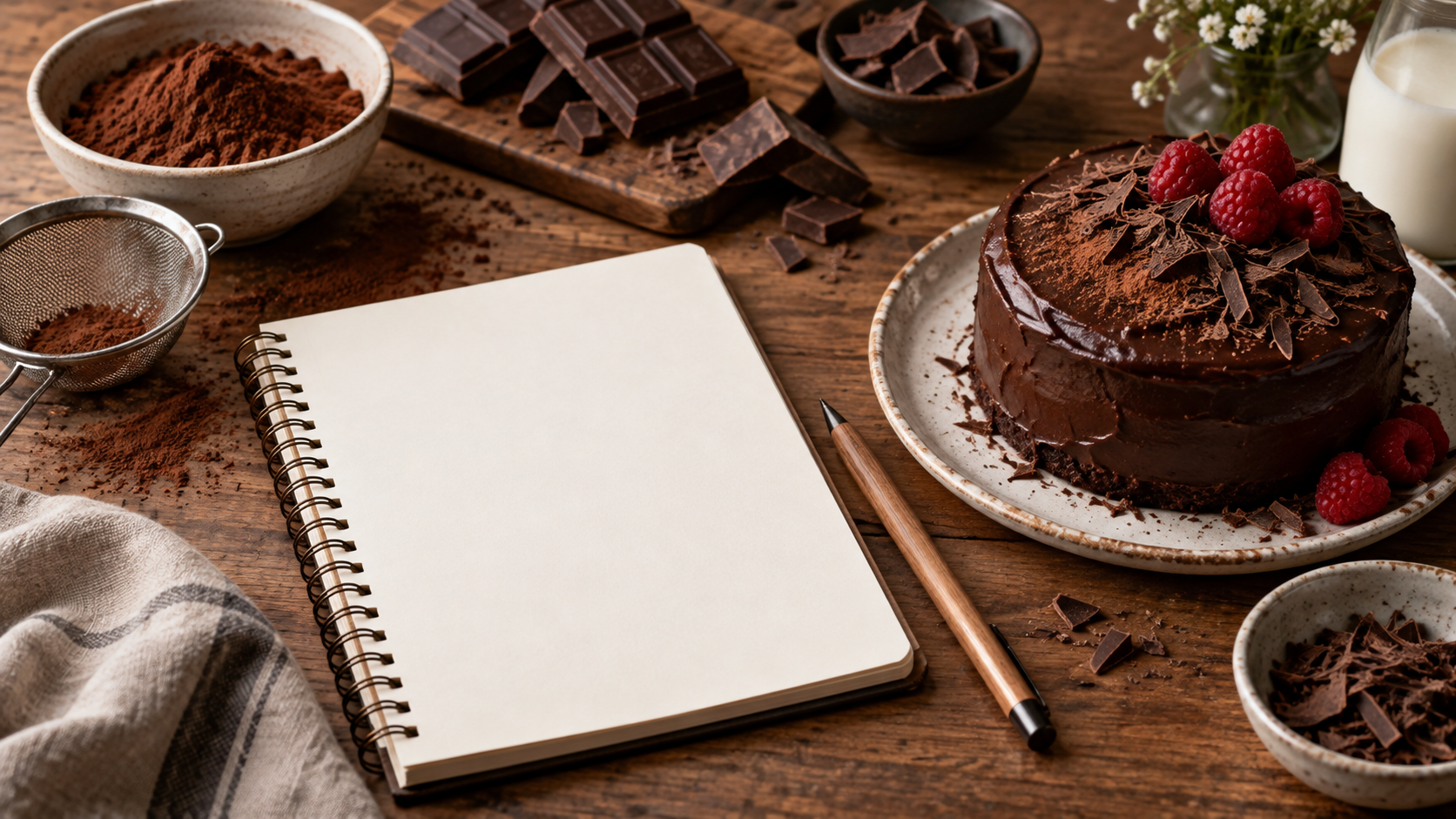
Write down the chocolate brand, cocoa percentage and exact adjustments. That makes a balanced result repeatable and easier to refine.
Frequently asked questions
Can it be prepared ahead?
Yes. Prepare the stable components ahead and follow the storage guidance in the method.
Can I use a different chocolate?
Yes, but cocoa percentage changes sweetness, firmness and flavour, so adjust gradually.
How should it be stored?
Keep chocolate cool and dry, and refrigerate any dairy, egg or fresh-fruit components.
Can I reduce the sugar?
Usually a small reduction is possible, although sweetness and texture should be tested together.
Which allergens should I check?
Check every label for milk, soya, gluten, eggs, nuts and any other ingredient relevant to the recipe.
How do I get the best result?
Measure accurately, change one variable at a time and use the visual texture cues in each step.