
Place the practice in time and place
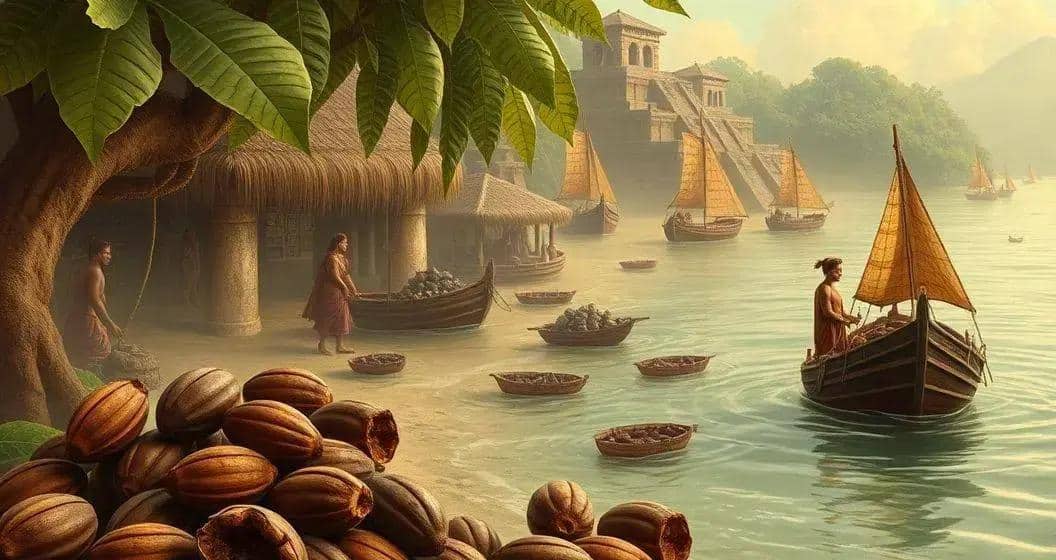
Cacao beans were used in exchange and tribute in parts of Mesoamerica before and during the early colonial period. The practice was not universal across the Americas, and its form changed between regions and political systems.
Understand how beans functioned in exchange
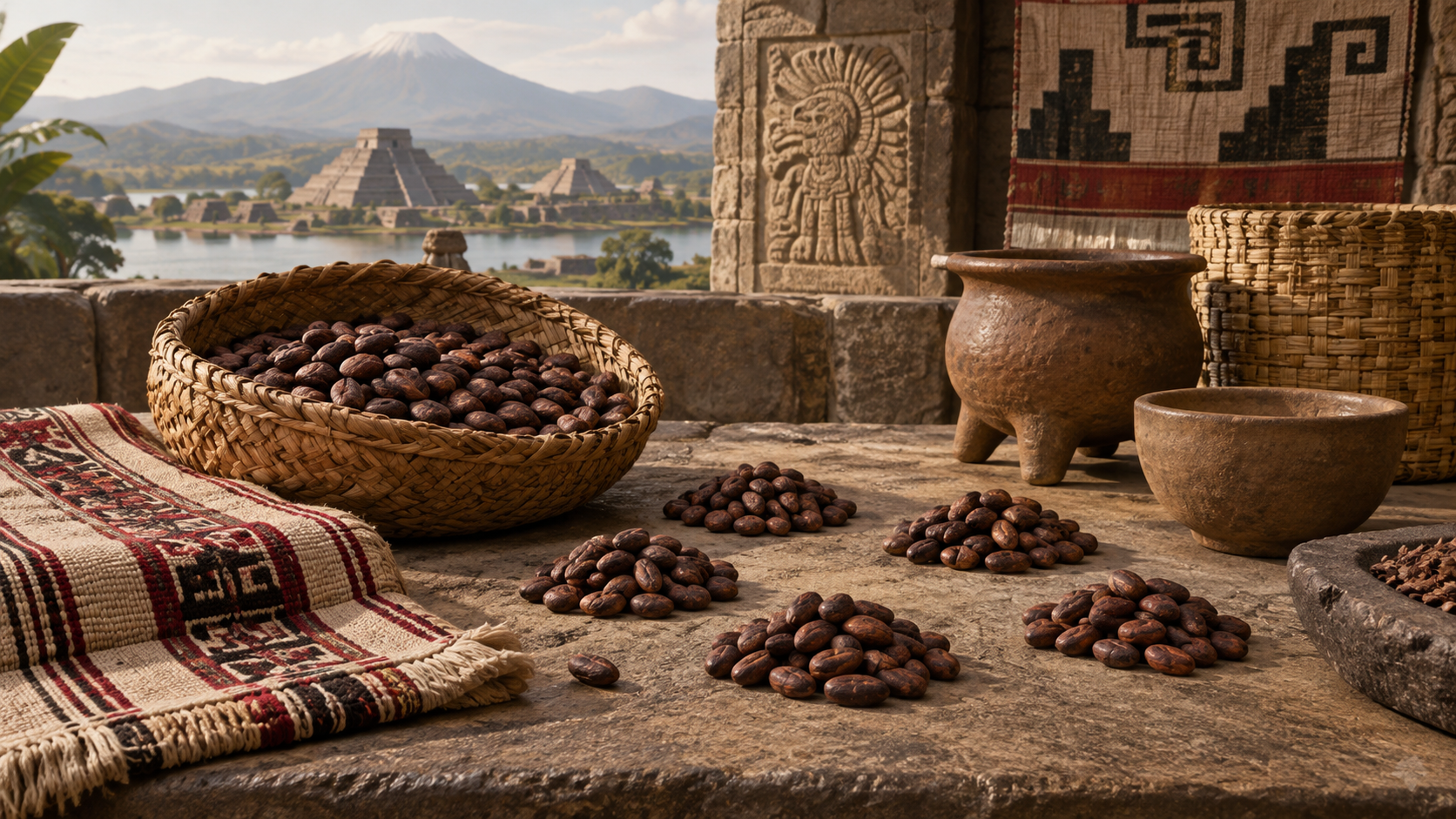
Beans could operate as a countable medium for everyday transactions while other goods, textiles or metal objects served different levels of exchange. Their monetary role existed alongside their value as food and as a culturally important product.
Recognise value and counting
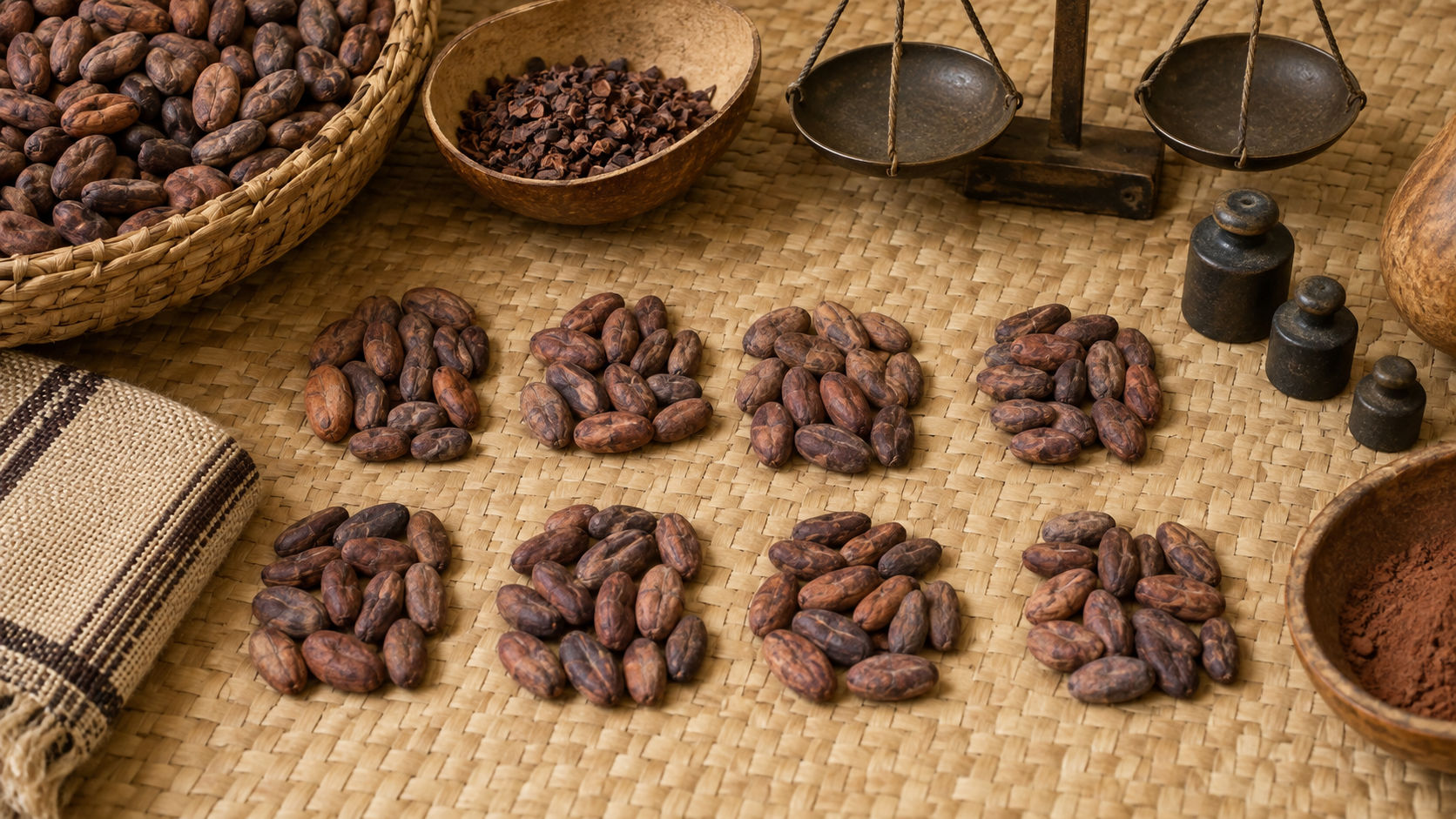
Historical accounts record prices as numbers of beans, but values varied with location, season, scarcity and the goods being bought. A conversion into modern pounds is therefore illustrative at best, not a stable exchange rate.
Account for quality and counterfeiting
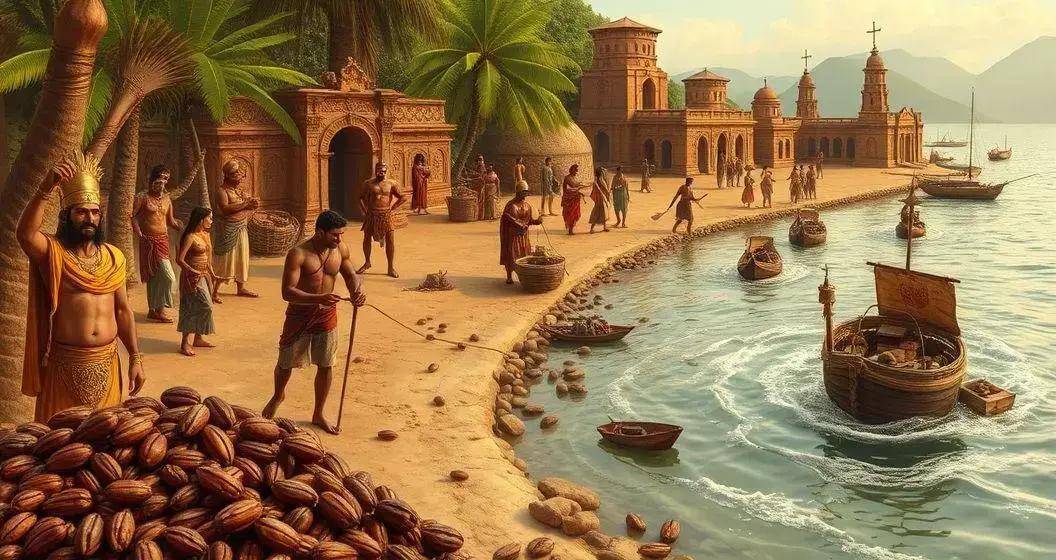
Size, dryness, damage and origin affected acceptability. Colonial sources also describe empty shells or imitations, although such reports need careful reading because officials could exaggerate unfamiliar practices.
Avoid the “edible coin” shortcut
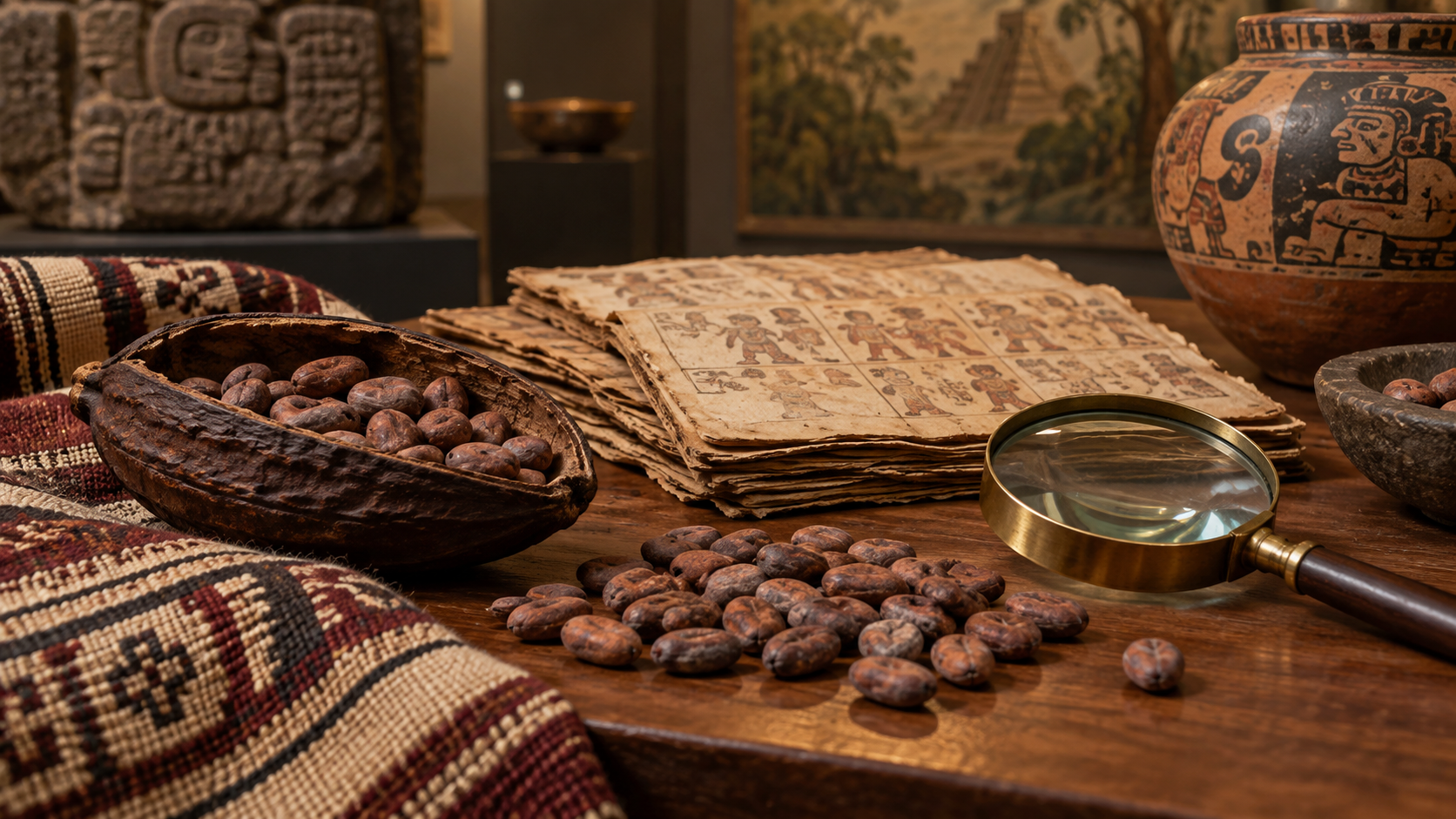
Calling cacao an “edible coin” is memorable but incomplete. Beans were agricultural goods that could spoil, be consumed and vary in quality, unlike a modern standardised coin issued by a central authority.
Use sources responsibly
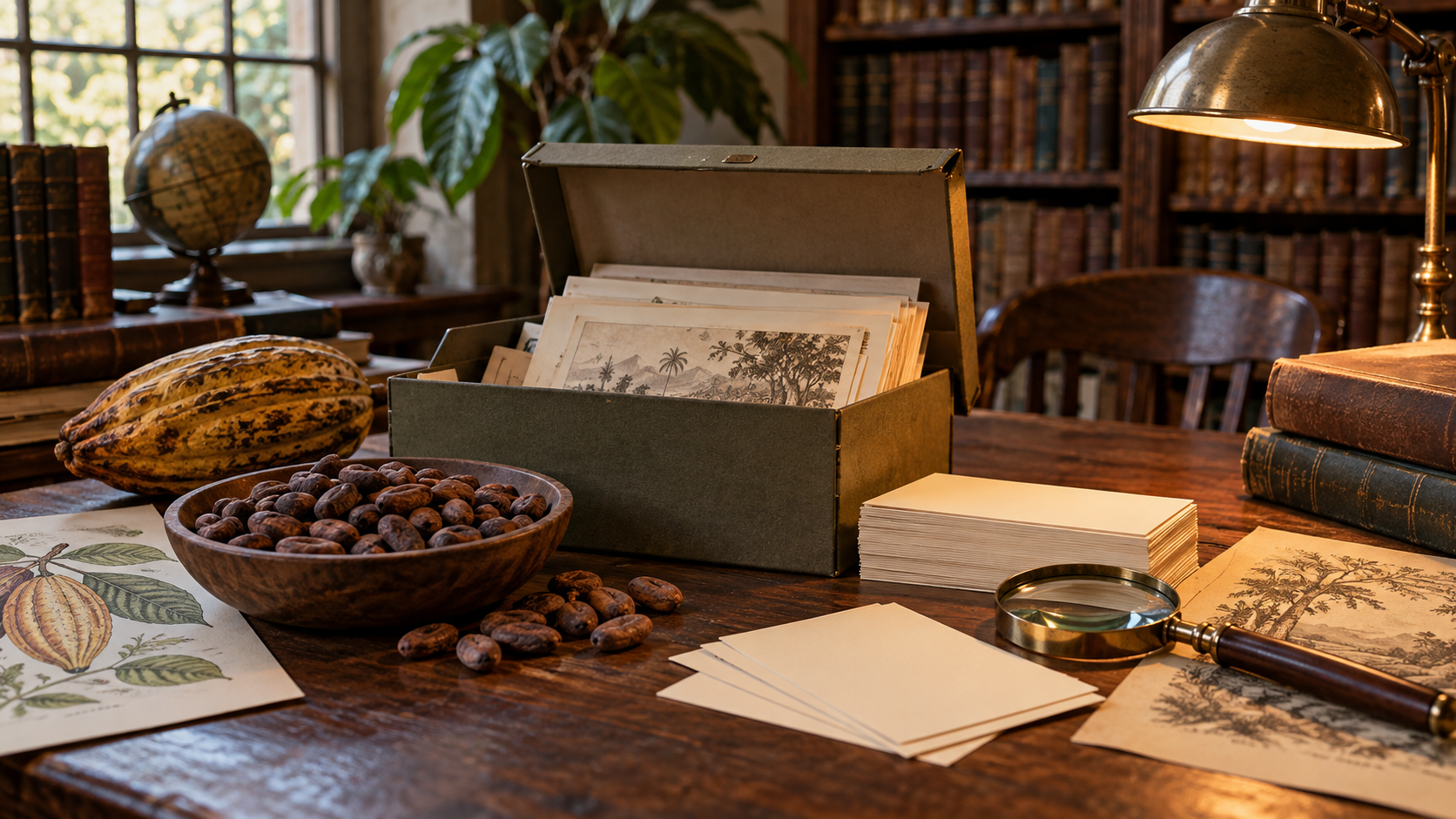
Use named archaeological studies, Indigenous-language sources where available and carefully edited colonial documents. State whose account is being quoted and avoid presenting a later European observer as the sole authority on Indigenous economies.
Frequently asked questions
Why was the original article rewritten?
Unsupported historical, health, commercial or cultural claims were replaced with cautious guidance while preserving the useful core subject.
How can a historical claim be checked?
Look for a named primary source, catalogue, museum, archive or peer-reviewed study and confirm its date, place and context.
Does this guide prove a product or event is ethical?
No. Ethical claims need current evidence about sourcing, labour, payments, governance and results.
Is every chocolate item suitable for every reader?
No. Check current ingredient labels, allergies, dietary choices, alcohol content and individual health needs.
Can cultural traditions be combined freely?
Specific communities and living practitioners should be named and respected; modern adaptations should be described honestly.
What should be recorded when adapting the idea?
Record sources, ingredients, quantities, dates, safety decisions and any changes made for a modern British audience.