
Identify the competition and edition
There is no single global “Oscar of chocolate”. Independent competitions have different owners, regions, categories, entry fees, calendars and eligibility rules, all of which can change between editions.
Read the category rules first
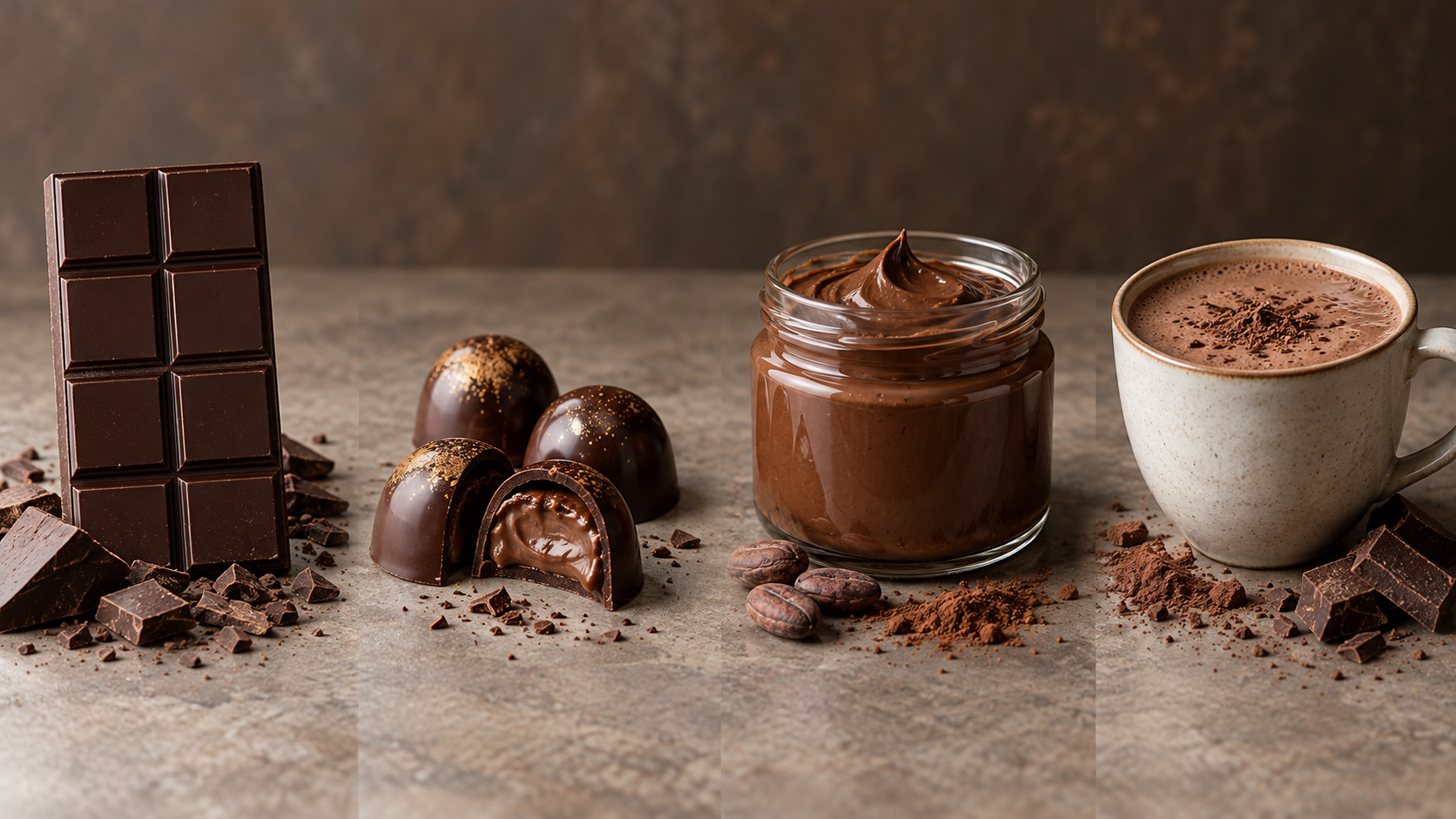
A bar, filled chocolate, spread and drinking chocolate are normally assessed in separate classes. Entrants should use the current official rulebook and confirm production dates, labelling, sample quantity and delivery requirements.
Understand blind judging

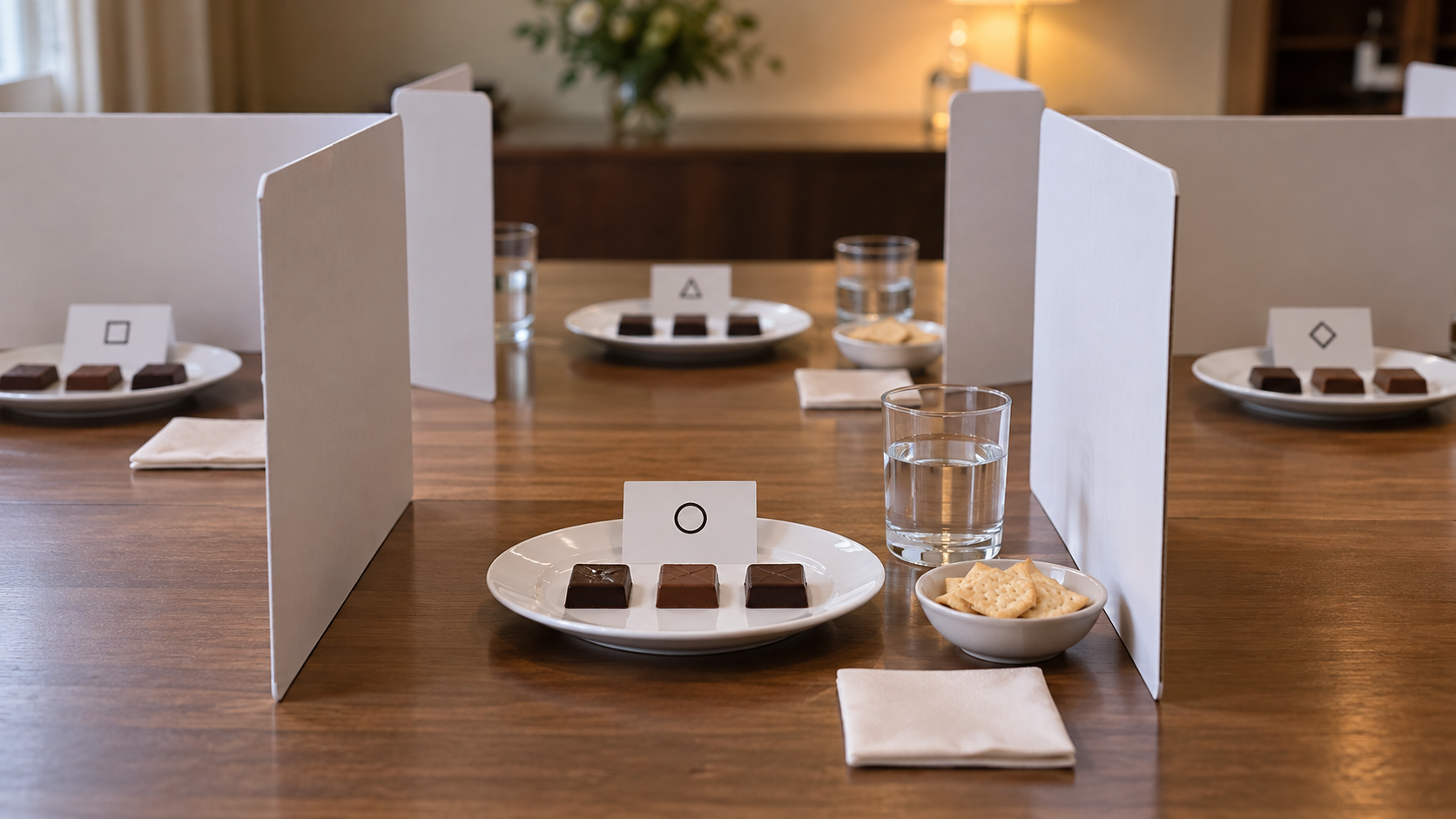
Many competitions use coded samples or blind tasting, but panel selection, scoring and later verification differ. Check the organiser’s published method rather than assuming every award follows the same process.
Know what judges may assess
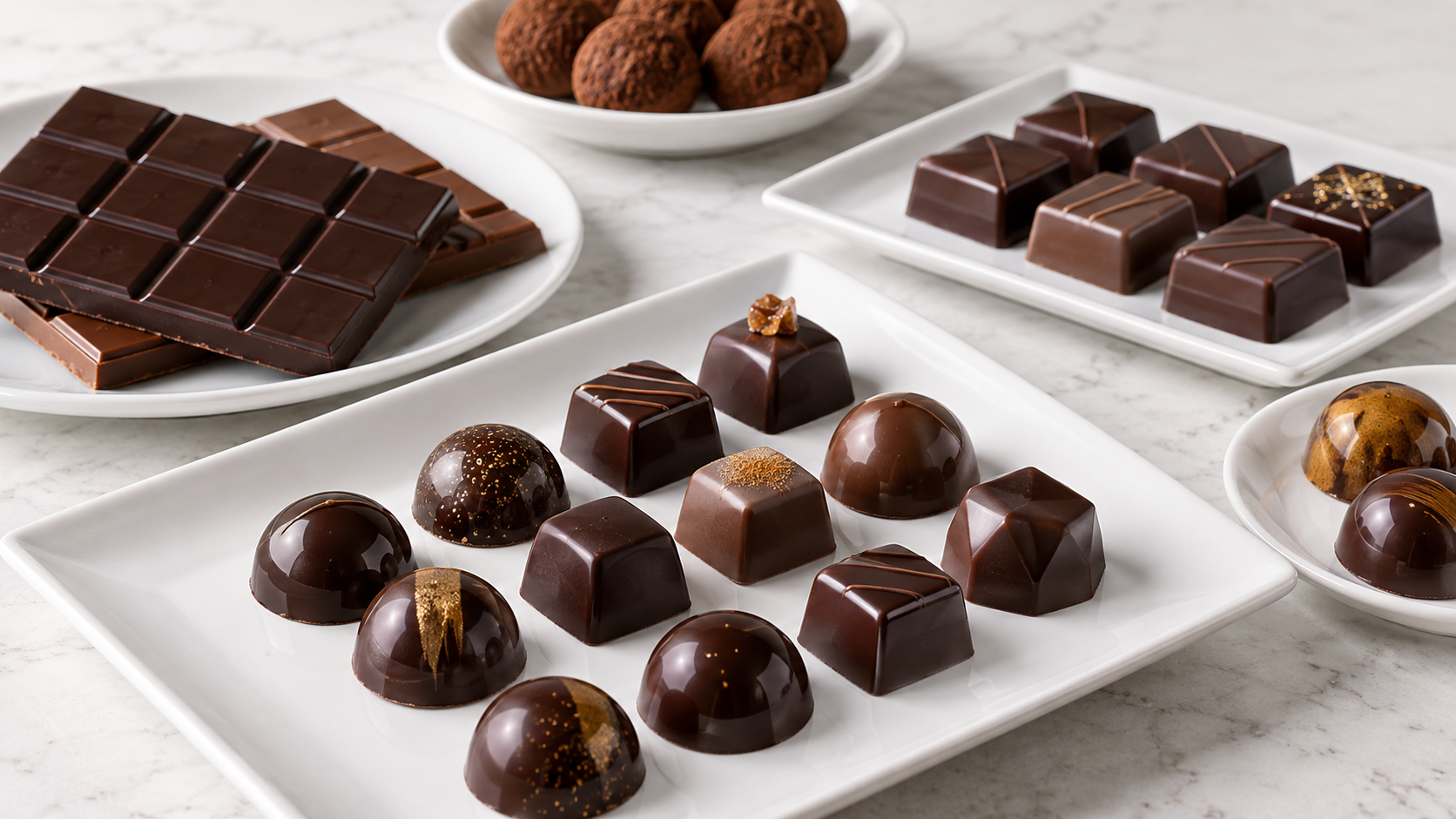
Judges may consider aroma, flavour development, texture, finish, balance, technical faults and how well the entry fits its category. Decorative appearance may matter in some classes and be irrelevant in others.
Interpret a medal accurately

A gold, silver or bronze result is an award within a defined competition and class. It does not prove that a product is objectively the world’s best, healthier, more ethical or preferred by every consumer.
Use feedback constructively
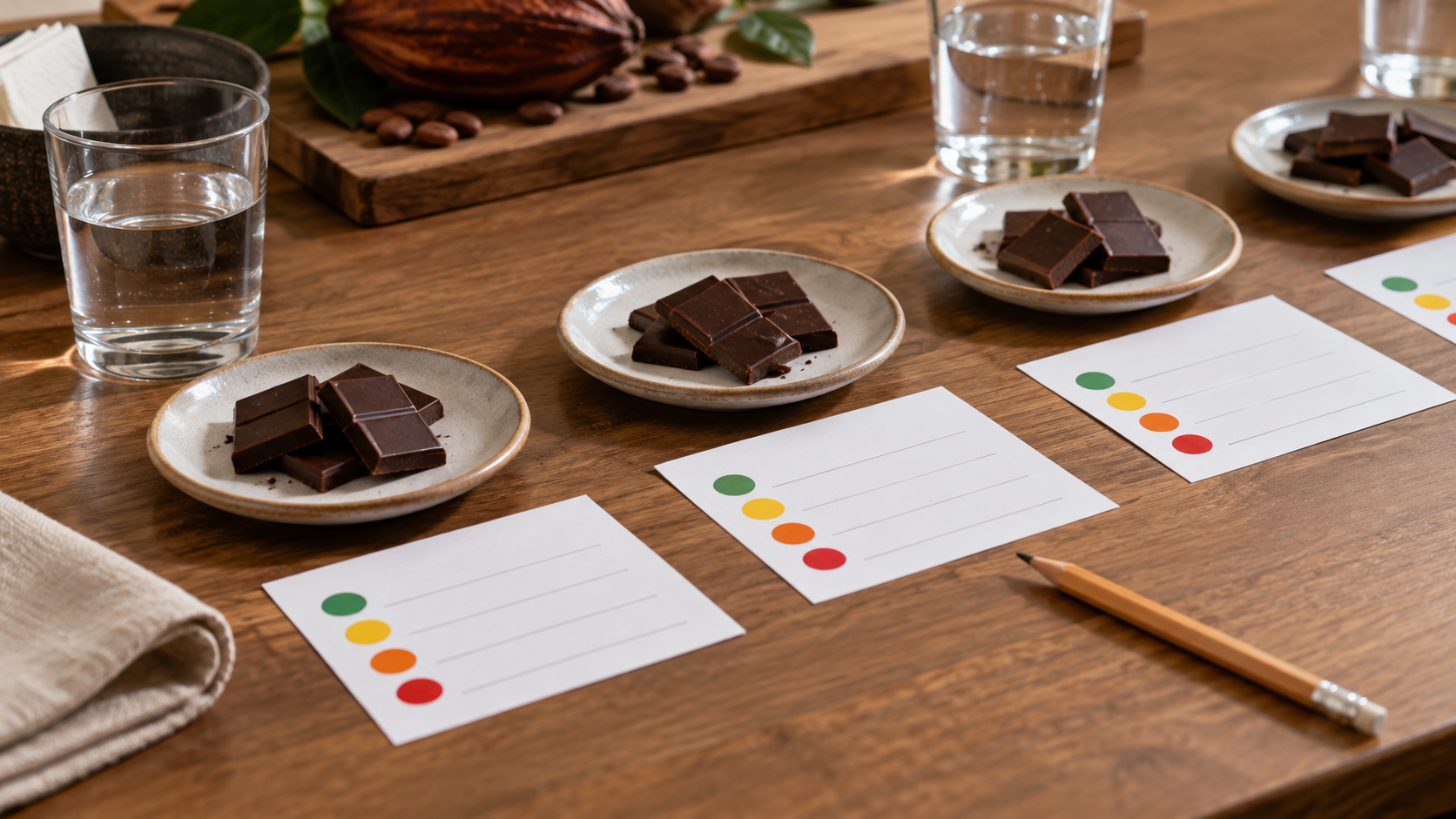
Where written notes are supplied, compare repeated observations across judges and retained samples. One score may reflect preference or category fit, while a recurring texture or flavour fault can guide a controlled production change.
Prepare an entry professionally
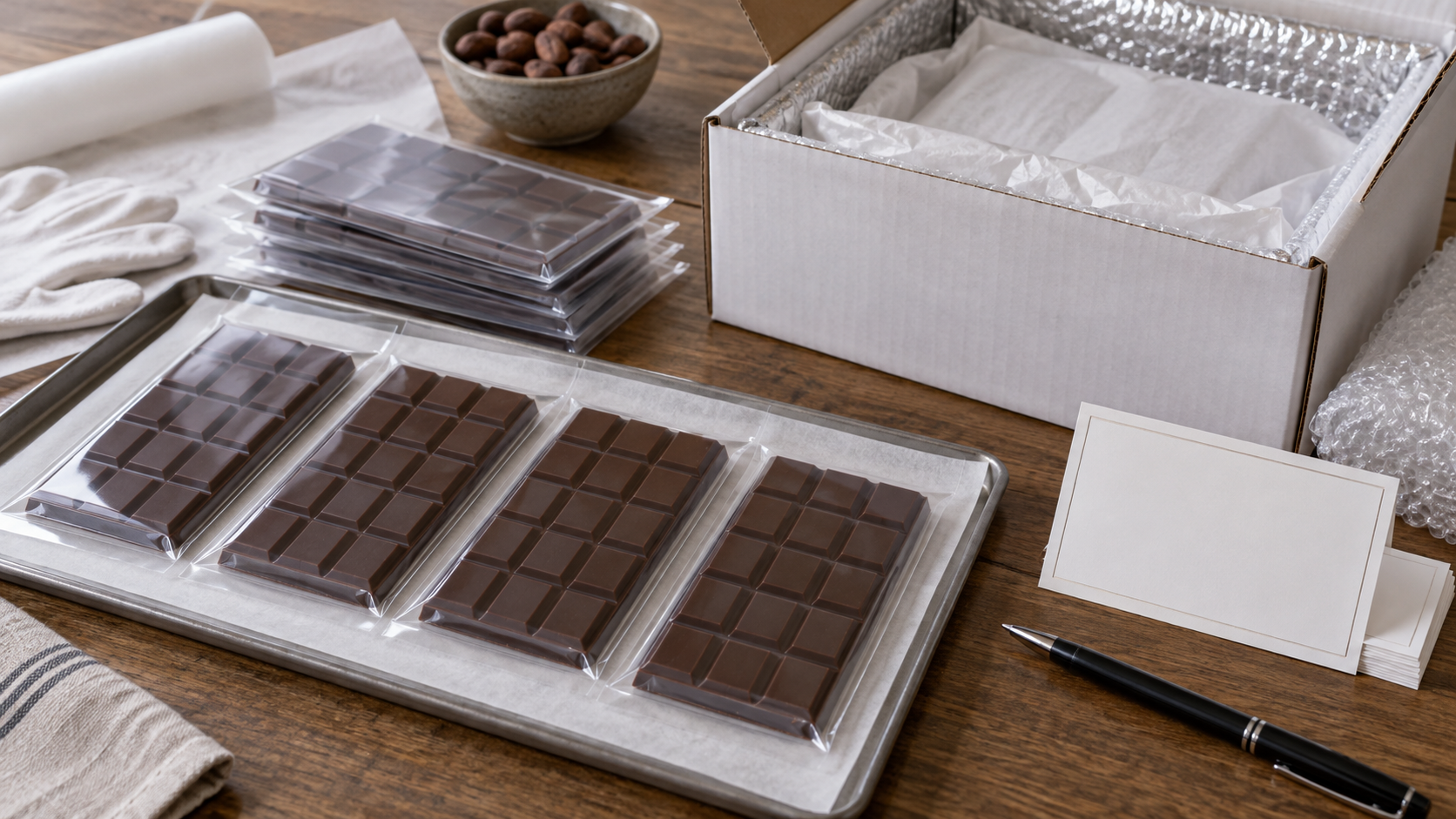
Submit a stable production batch, document ingredients and allergens, pack for the journey and taste retained samples. Never redesign the marketing claim beyond the exact award, year, category and region granted.
Frequently asked questions
Why was the source rewritten?
Unsupported, oversimplified or potentially unsafe statements were replaced with cautious, useful guidance while preserving the original subject.
How should dates and “first” claims be checked?
Use a named primary source, catalogue record, patent, archive or official competition record that readers can verify.
Can a label or award guarantee ethics or quality?
No. It can be useful evidence within a defined scope, but its rules, date, auditing and limitations still matter.
How should allergens be handled?
Check every current pack, prevent cross-contact and provide accurate ingredient information before food is served or gifted.
Can storage advice be copied from another product?
No. Ingredients, process, packaging, temperature and hygiene determine the safe and acceptable storage period.
What should be recorded during planning?
Record sources, exact products, quantities, dates, temperatures, supplier guidance and any adaptation or assumption.