
Start with a verifiable source
There was no single universally recognised “first chocolate recipe book” called the Sweet Manuscript. Chocolate instructions circulated in printed books and handwritten household collections, so any claim of priority needs a named manuscript, catalogue record, date and holding institution.
Recognise chocolate as a drink and ingredient
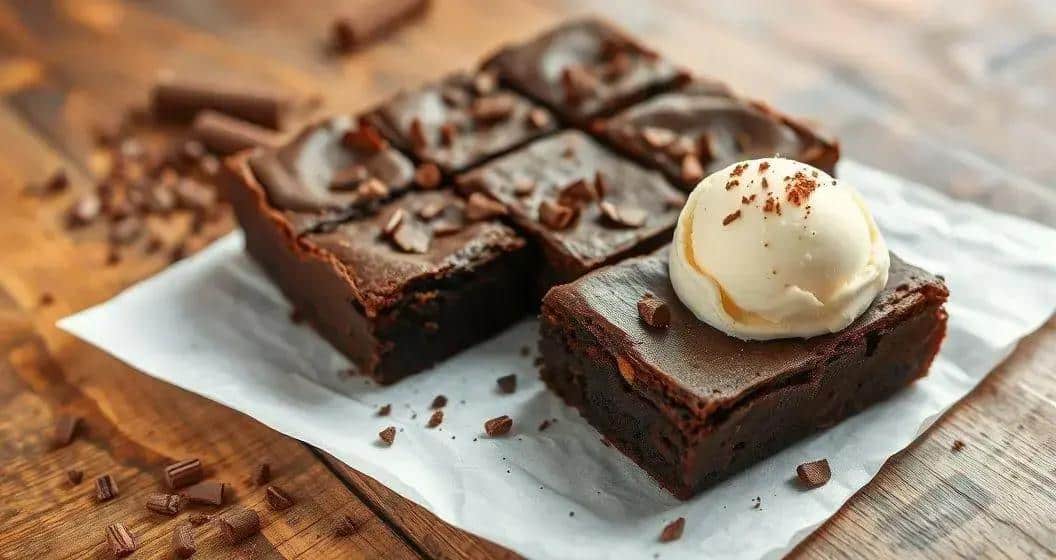
European sources from the seventeenth and eighteenth centuries often describe chocolate drinks, pastes, creams, ices and medicinal preparations. Later domestic books increasingly used chocolate in cakes, biscuits, custards and confectionery.
Read historical measurements carefully
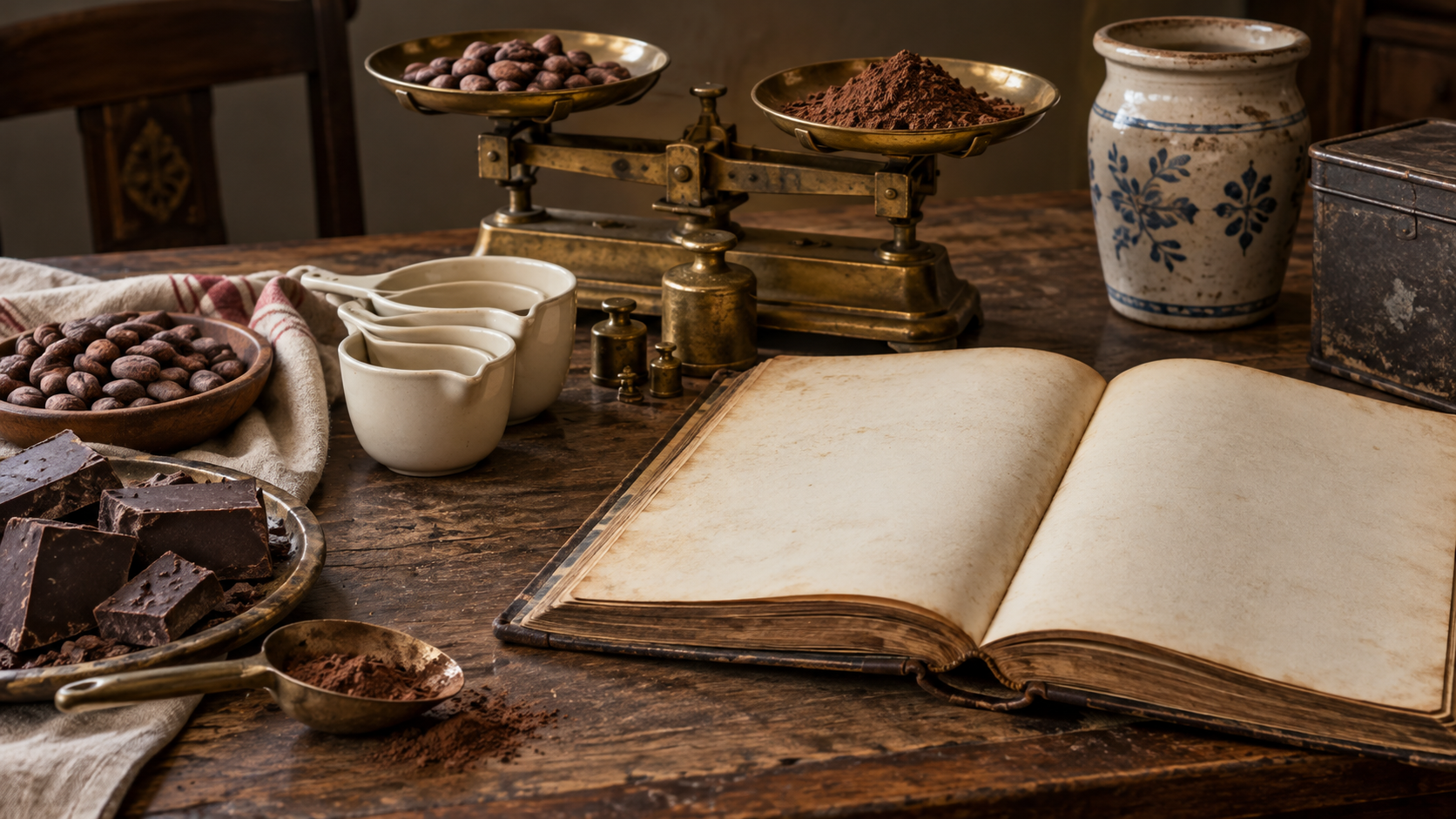
Historic pounds, ounces, spoonfuls, hearth temperatures and chocolate cakes do not map neatly onto modern products. Establish the country, period and edition before converting a quantity, and never guess an oven temperature from a vague instruction.
Separate transcription from modern adaptation
A transcription preserves the source wording. A modern adaptation may change cocoa strength, sugar, egg handling, equipment and serving size. Label these separately so readers can see what is historical and what is editorial.
Check editions and archive descriptions
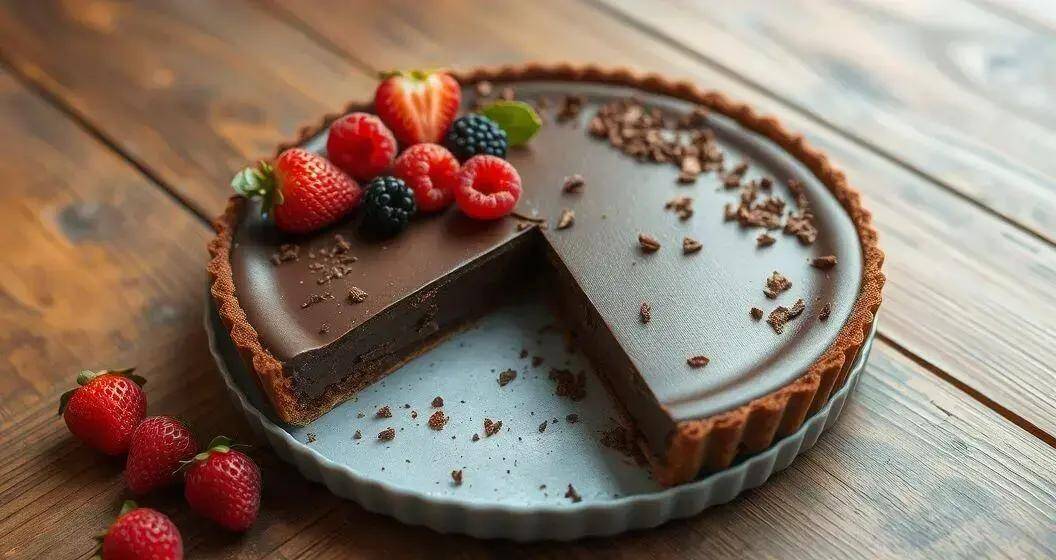
Titles and dates in catalogues can describe a later copy, edition or acquisition rather than the moment a recipe was written. Read the full record, inspect provenance where available and avoid turning an uncertain date range into an exact year.
Test a small modern version safely
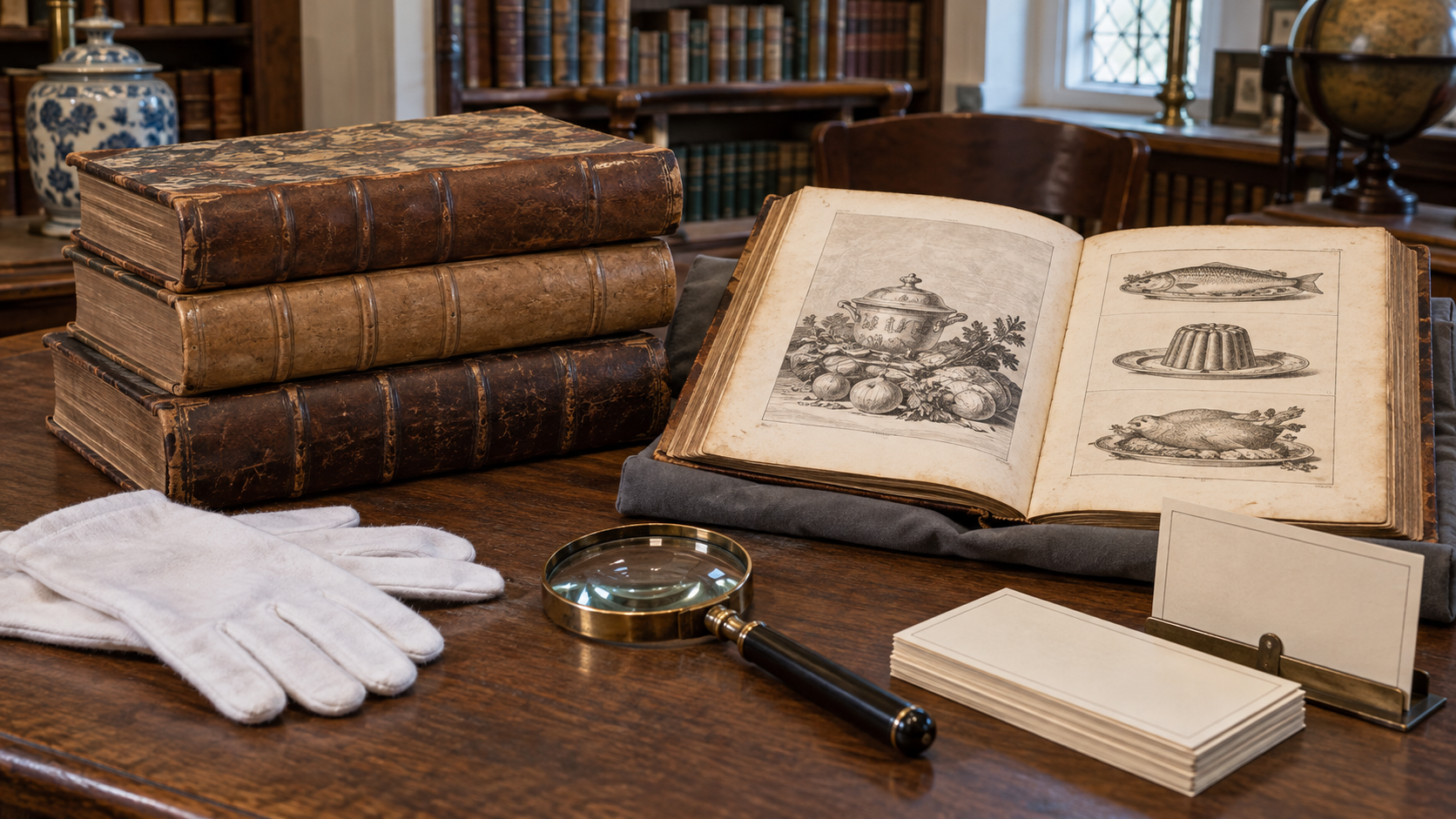
Scale an adaptation down, use pasteurised ingredients where appropriate and cook eggs and dairy to a safe, tested endpoint. Do not reproduce obsolete medicinal doses or unsafe storage practices.
Record what has been changed
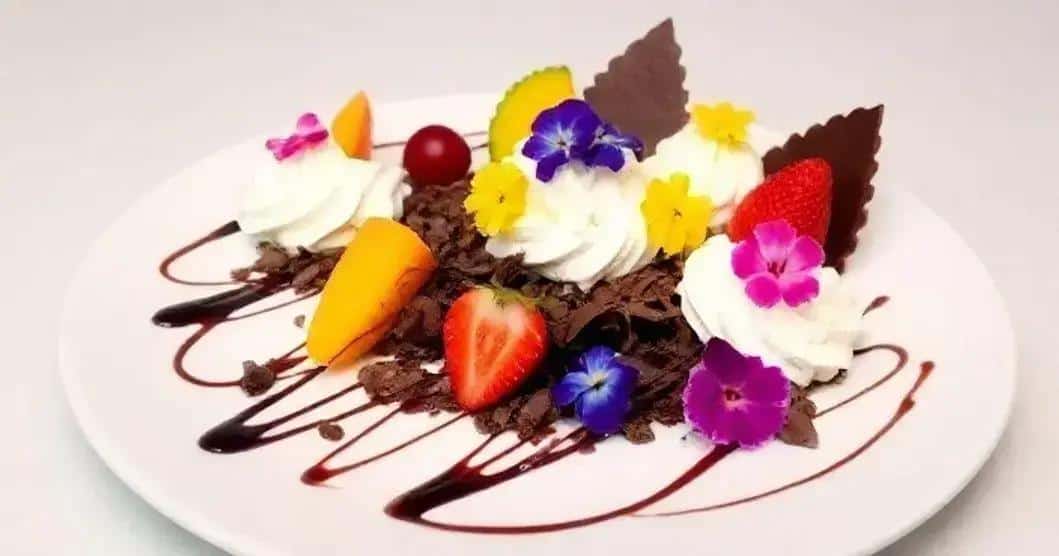
Keep the source reference, original quantity, conversion method, ingredient specification, test notes and final yield. That record makes a historical recipe useful without presenting speculation as fact.
Frequently asked questions
Why was the source rewritten?
Unsupported, oversimplified or potentially unsafe statements were replaced with cautious, useful guidance while preserving the original subject.
How should dates and “first” claims be checked?
Use a named primary source, catalogue record, patent, archive or official competition record that readers can verify.
Can a label or award guarantee ethics or quality?
No. It can be useful evidence within a defined scope, but its rules, date, auditing and limitations still matter.
How should allergens be handled?
Check every current pack, prevent cross-contact and provide accurate ingredient information before food is served or gifted.
Can storage advice be copied from another product?
No. Ingredients, process, packaging, temperature and hygiene determine the safe and acceptable storage period.
What should be recorded during planning?
Record sources, exact products, quantities, dates, temperatures, supplier guidance and any adaptation or assumption.