
Choose the gift for the recipient
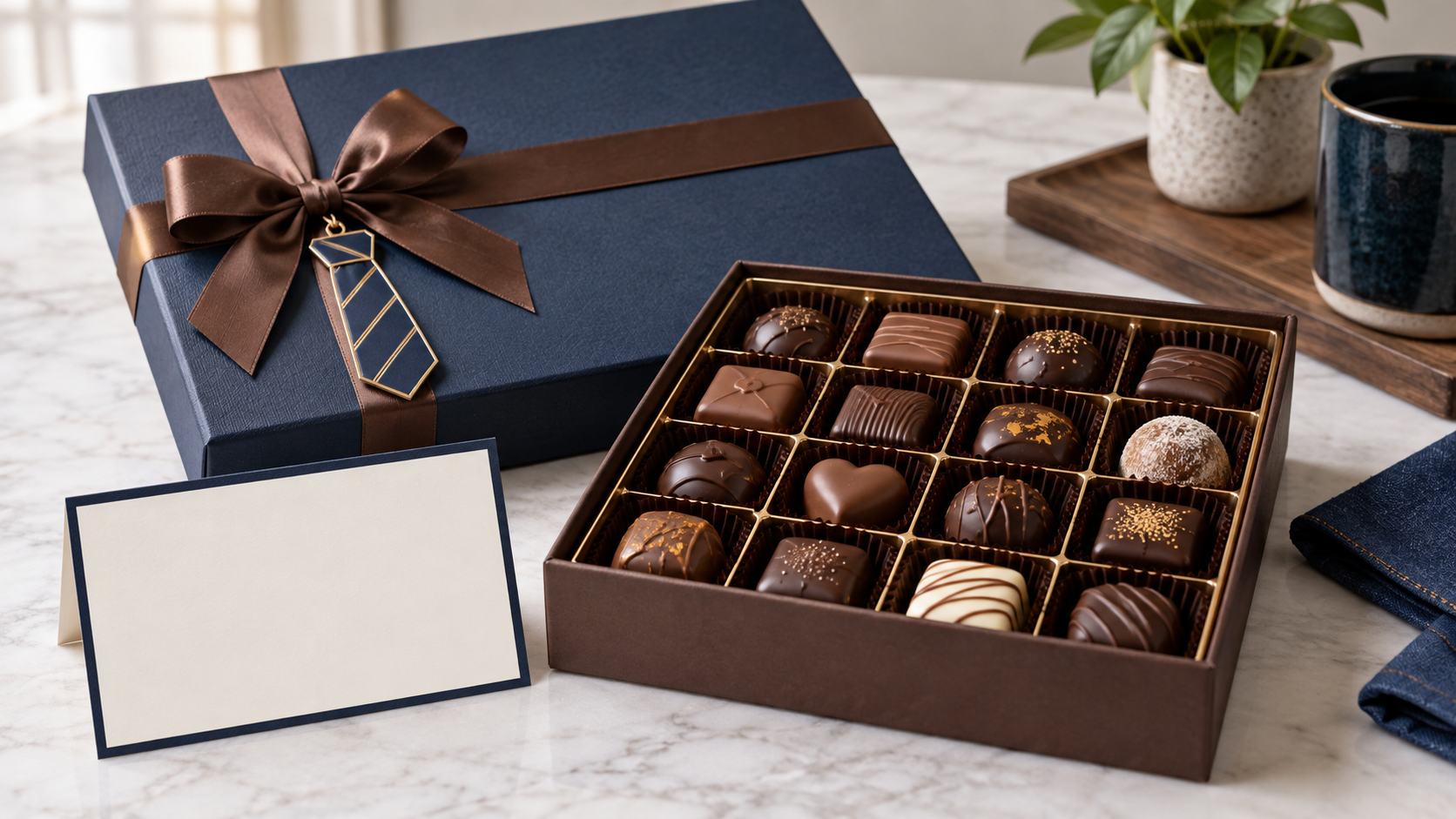
Start with the recipient’s tastes, dietary needs and the way the gift will travel. A compact box of good chocolate is often more useful than a large novelty item that melts or breaks. Avoid assuming every father likes the same flavours.
Build a small reliable assortment
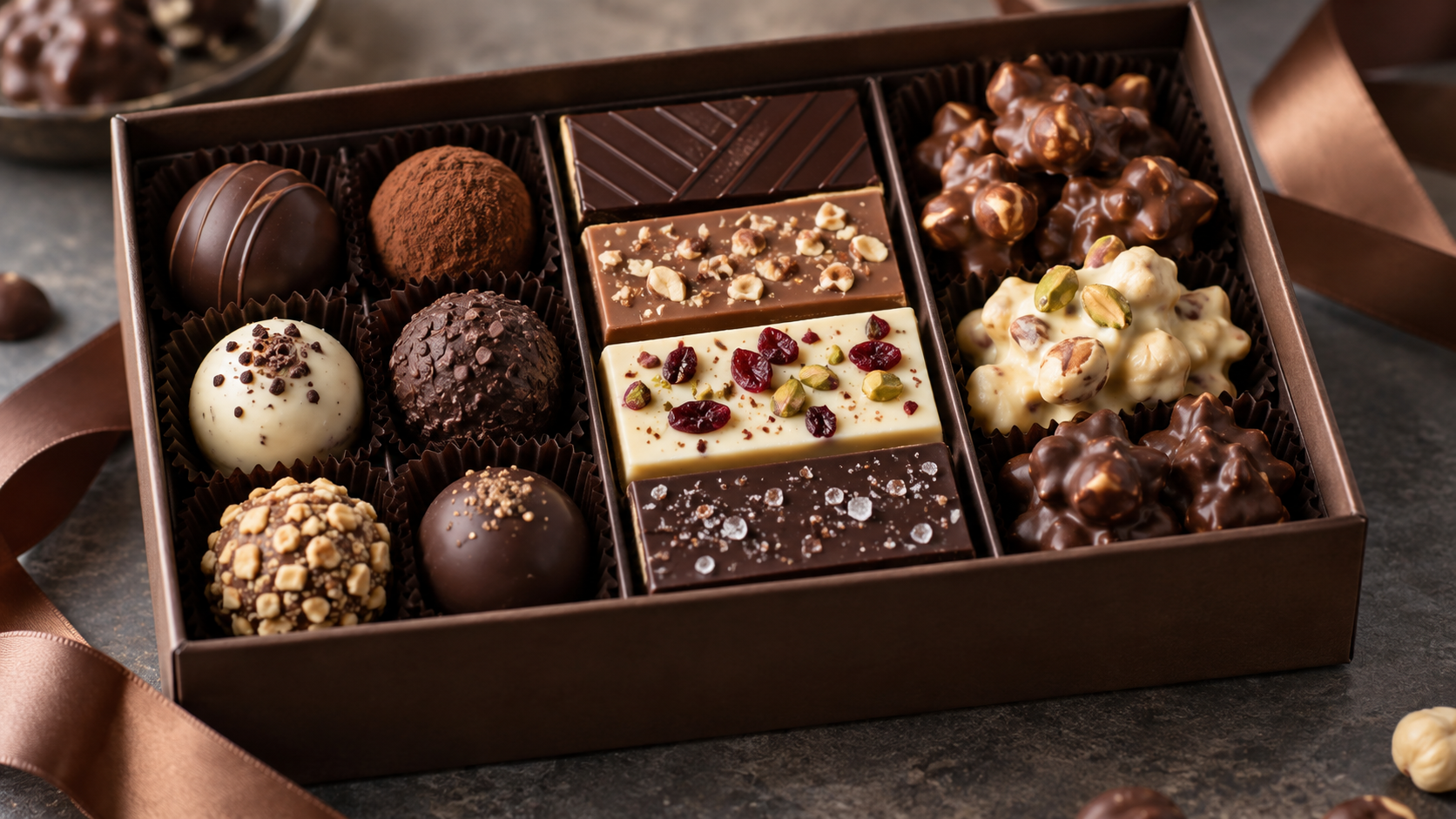
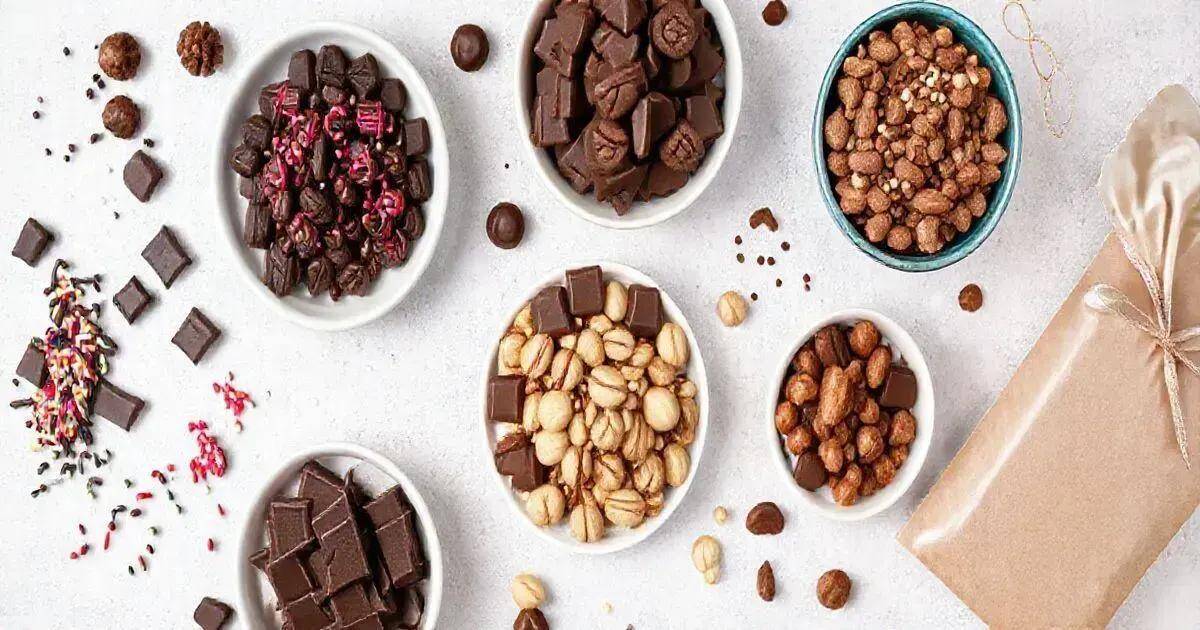
Choose two or three products with compatible storage, such as bars, coated nuts and firm bonbons. Fresh cream, fruit or custard fillings require shorter, validated shelf lives and may not suit postal delivery.
Personalise the outer packaging
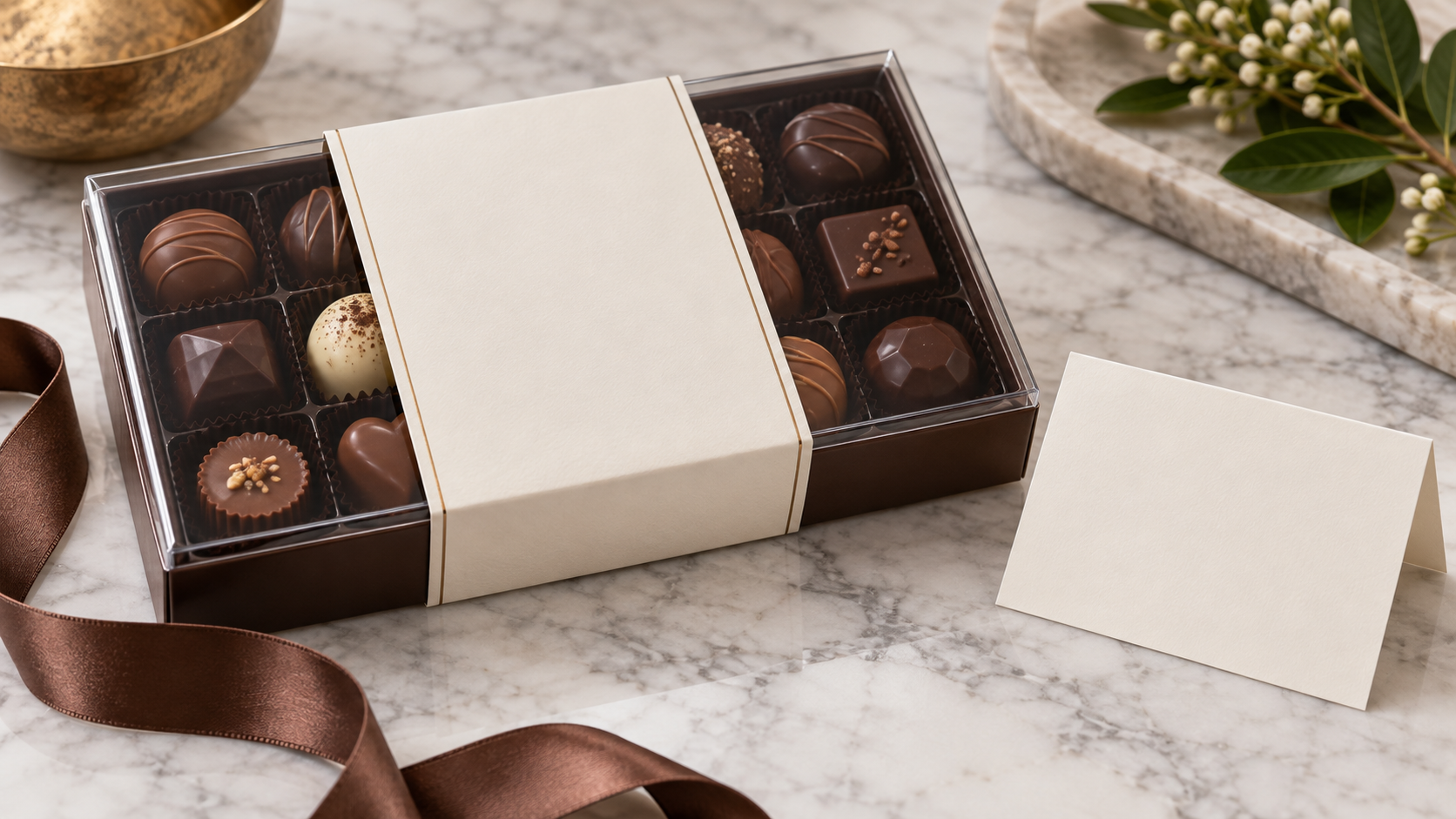
Add a message, sleeve or colour theme outside sealed food packaging. Ink, glue, photographs and craft materials should not touch exposed chocolate. Keep mandatory product information readable.
Keep alcohol and allergens clear

Ask about allergies and state milk, nuts, soya, gluten and other ingredients accurately. Alcohol-filled pieces need a clear adult label and a separate position. Do not call the box allergen-free without evidence and controls.
Store and deliver safely
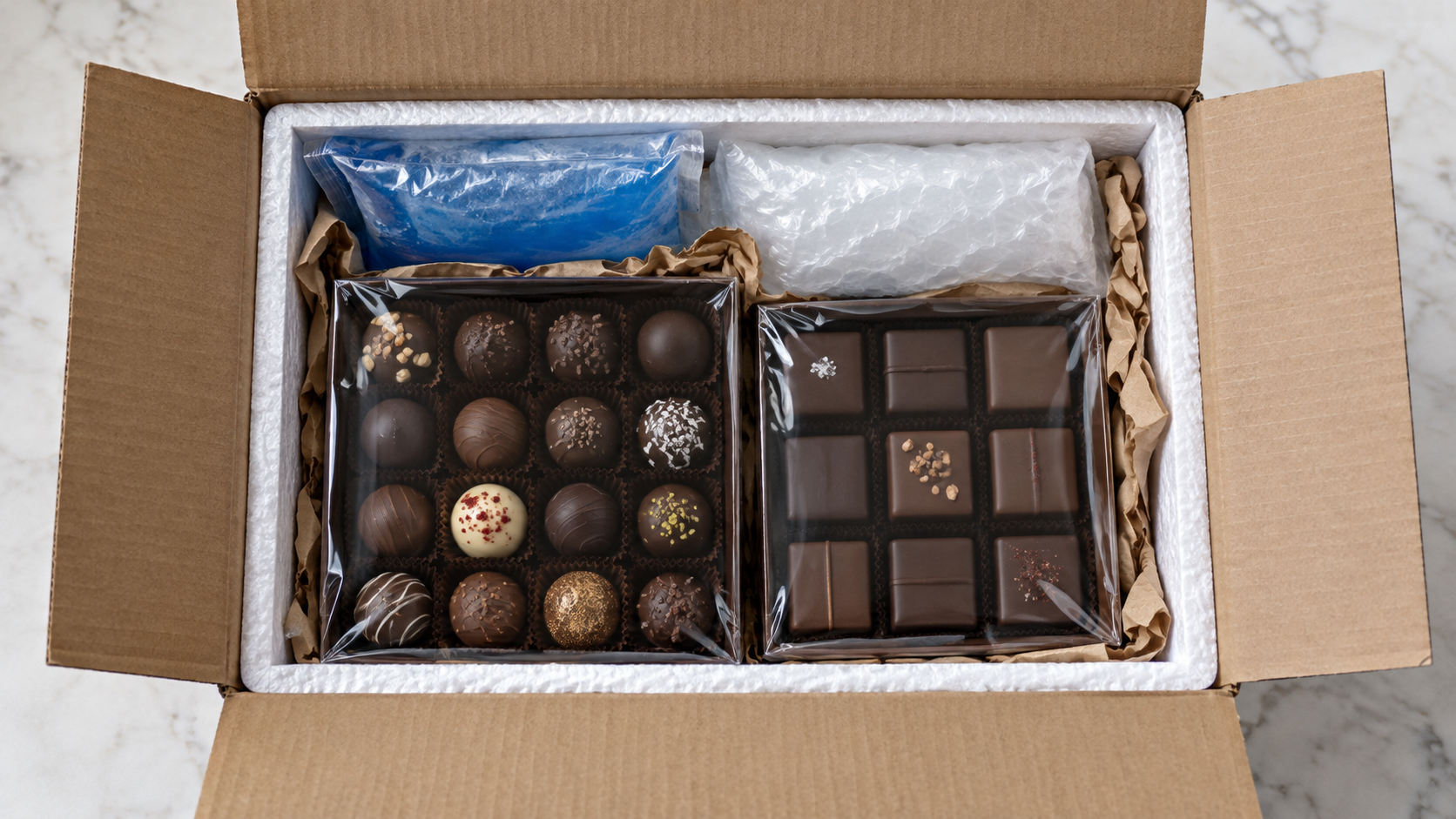
Protect pieces with a food-safe tray and rigid outer box. Keep the parcel cool, avoid weekend delays and tell the recipient how to store it. Retain batch and supplier information if the gift is made for sale.
Frequently asked questions
Why was the source rewritten rather than translated literally?
It needed recipe, historical, cultural or safety correction, so the useful topic was rebuilt directly in British English.
Can alcohol or caffeine be ignored in a small sweet?
No. Identify it clearly and keep the product for an appropriate audience.
How should allergens be handled?
Check every current pack, consider cross-contact and keep accurate ingredient information with the finished food.
Can a storage period be copied from another recipe?
No. Validate storage and shelf life for the actual ingredients, process and packaging.
Are custom moulds automatically food-safe?
No. Materials, manufacture, surface finish and intended food contact all need confirmation.
How should cultural or historical claims be checked?
Use primary records, cultural institutions and community sources, and state uncertainty instead of inventing a link.