
Overheating the coating
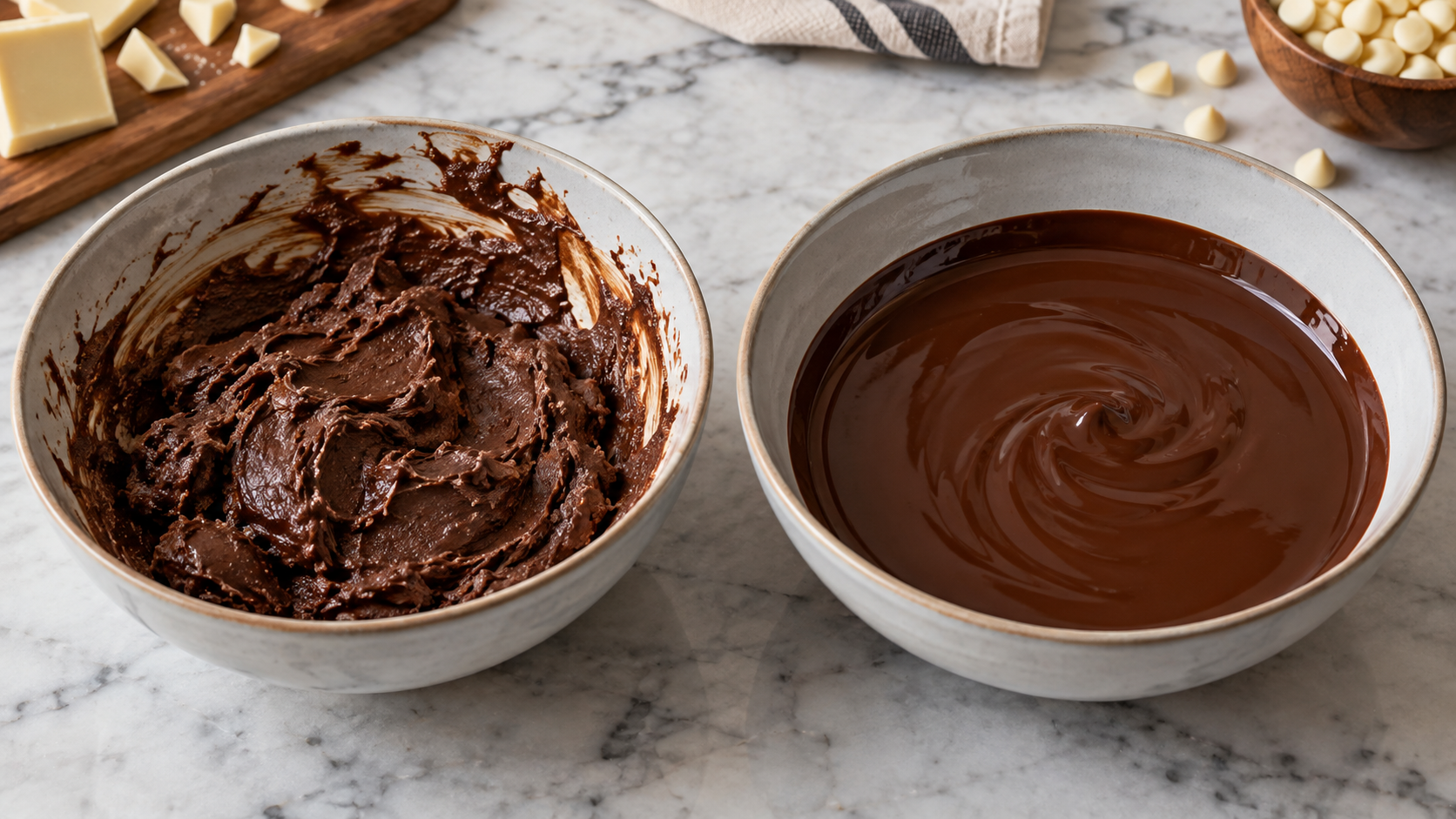
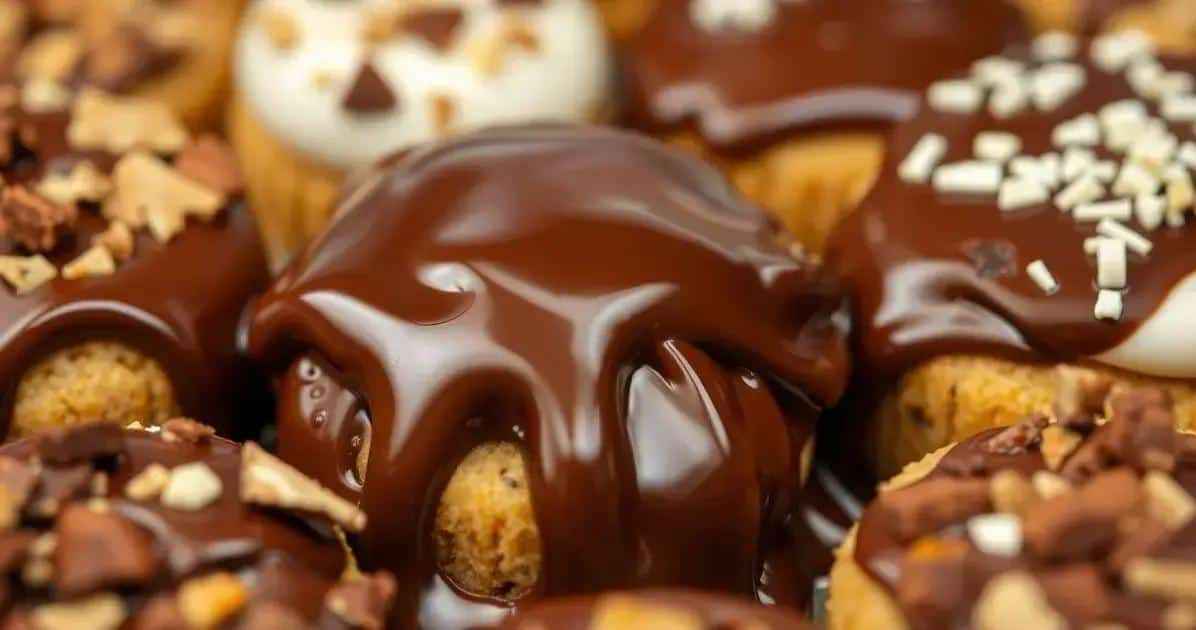
Excess heat can make compound coating thick, dull or scorched. Melt gently, stir frequently and stop heating while a few small pieces remain so residual warmth can finish the job.
Letting water reach the bowl
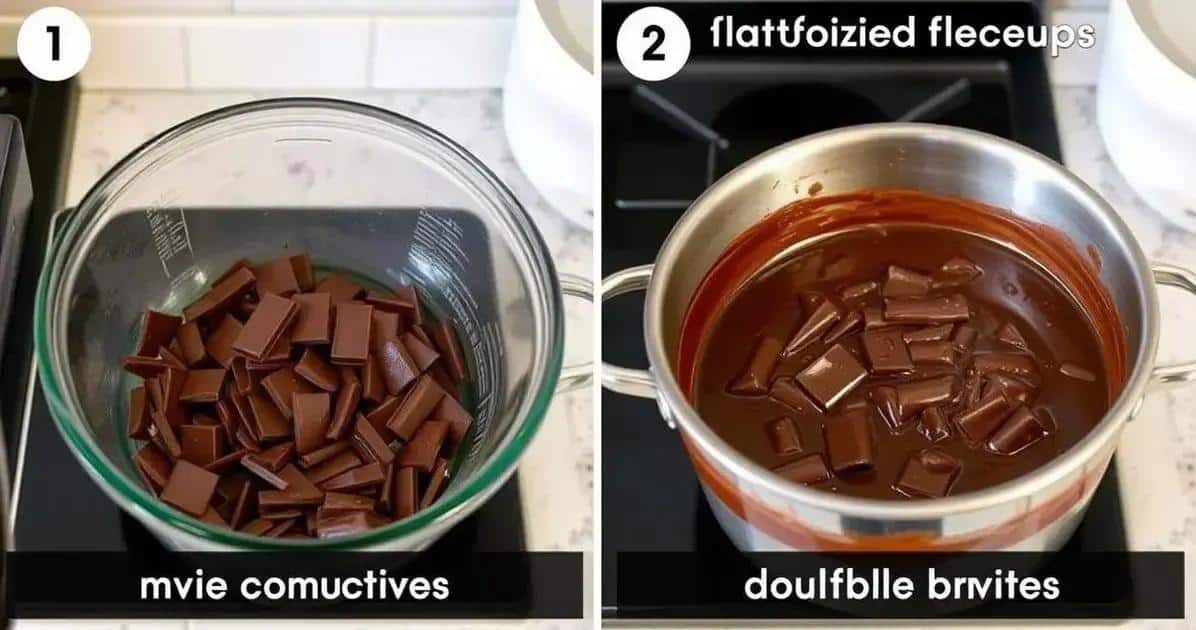
A wet spoon or steam from a pan can spoil the texture. Use completely dry equipment and wipe condensation from the outside of a bain-marie bowl before pouring.
Using frozen centres
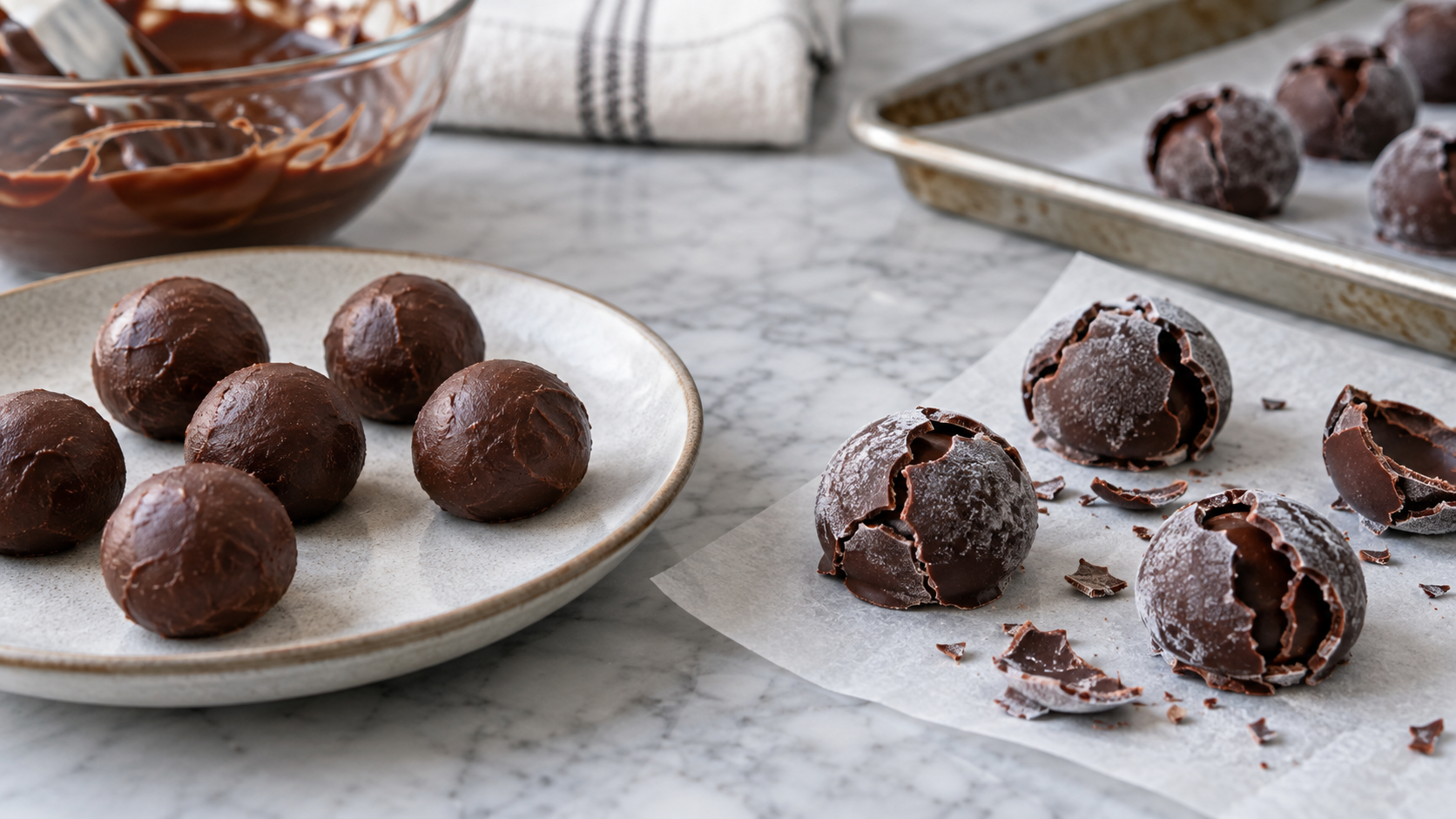
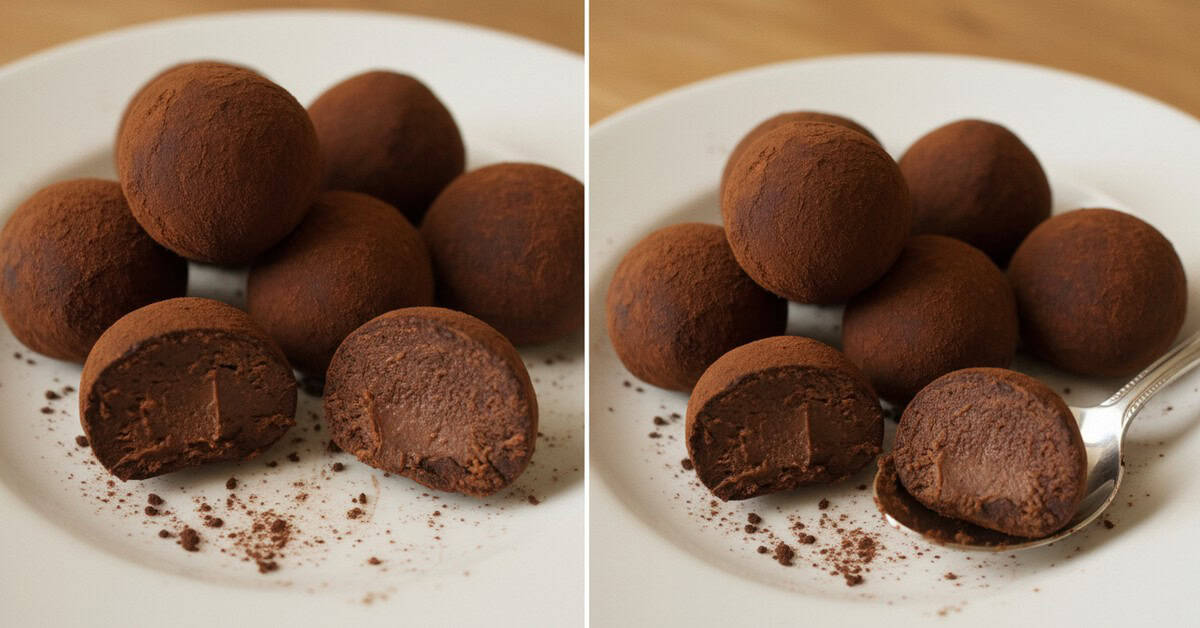
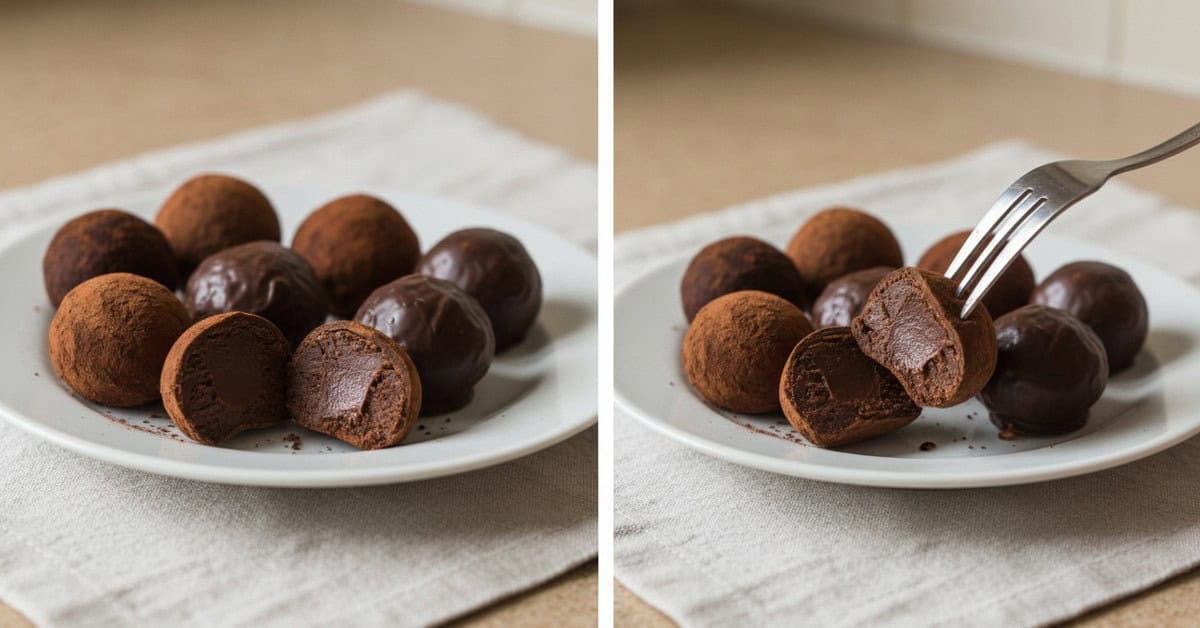
Frozen cake pops or truffle centres create a large temperature difference that encourages cracks and condensation. Chill only until firm unless the tested recipe says otherwise.
Making the shell too thick
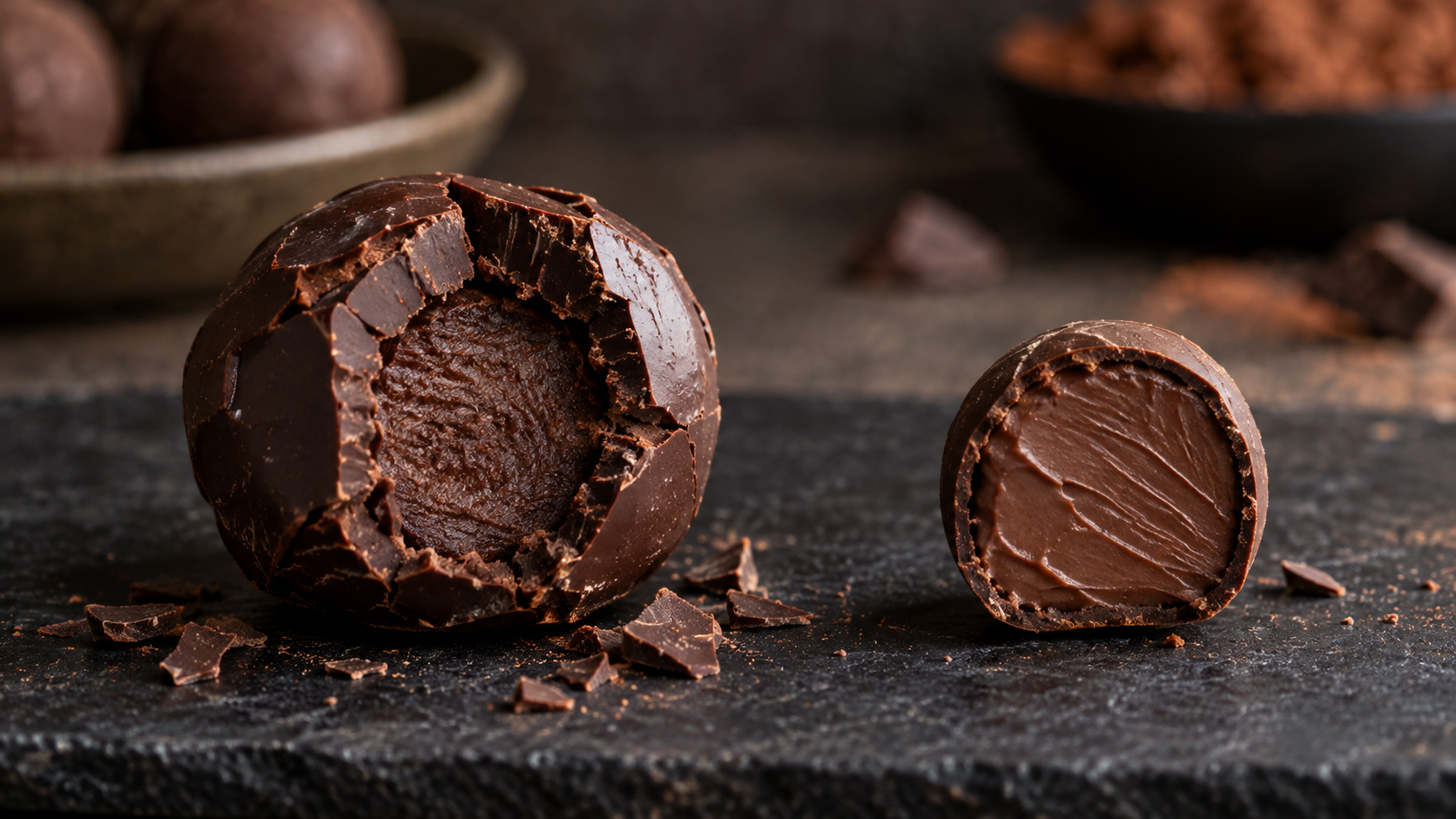
A heavy coating is hard to bite and masks the filling. Use a deep enough bowl for dipping, then lift the piece and tap away excess before setting it down.
Adding unsuitable fat
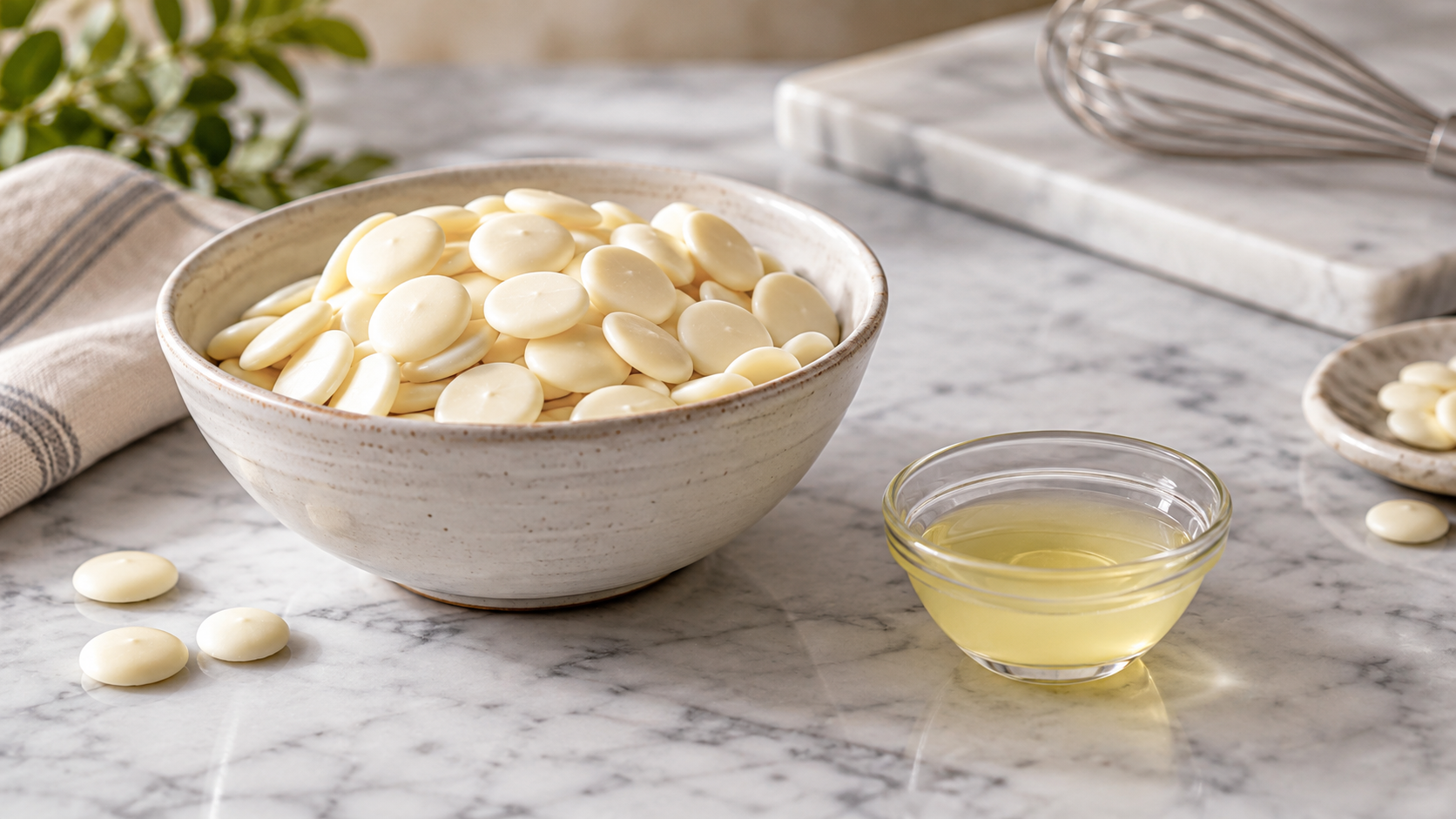
Do not thin the product with water, milk or random cooking oil. If adjustment is permitted, use only the ingredient and quantity recommended by the manufacturer.
Ignoring the filling
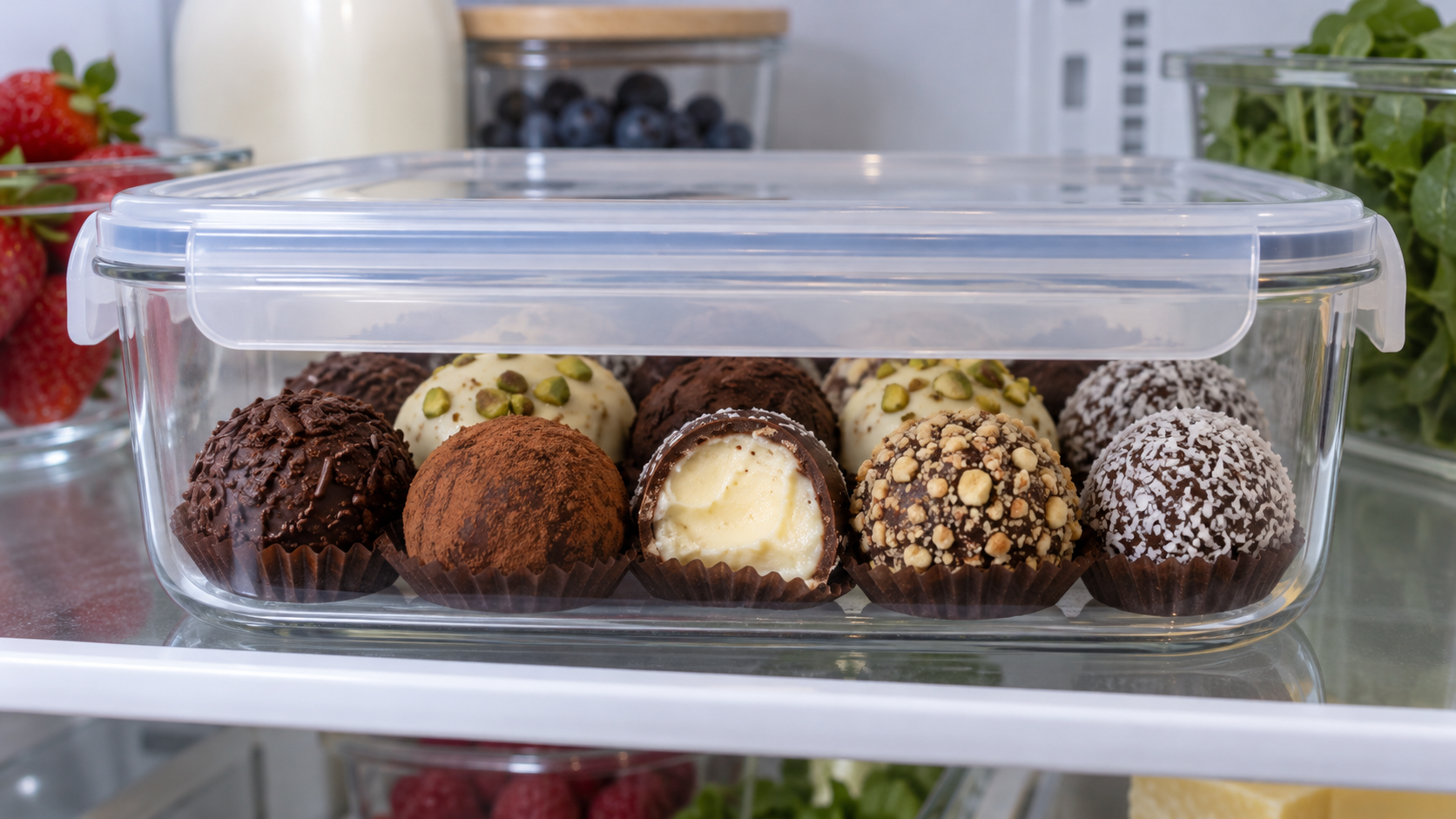
The shell may set at room temperature while a cream, custard or fruit filling still requires refrigeration. Label and store the finished sweet for its most perishable component.
Frequently asked questions
Do I need a thermometer?
A thermometer is recommended whenever melting, tempering or holding chocolate within a working range.
Can I substitute one chocolate product for another?
Only when the recipe allows it, because cocoa butter, vegetable fat, sugar and milk change texture and setting.
How do I avoid moisture problems?
Keep tools dry, protect chocolate from steam and let cold closed containers warm gradually before opening.
Which allergens should I check?
Read every label for milk, soya, nuts, gluten and other required allergens, including cross-contact warnings.
Can I sell the finished product?
Follow current local food-business, hygiene, labelling and tax rules and use a defensible storage period.
What should I do before a large batch?
Test one small batch with the actual ingredients, room temperature, packaging and transport conditions.