
Compare the fat systems
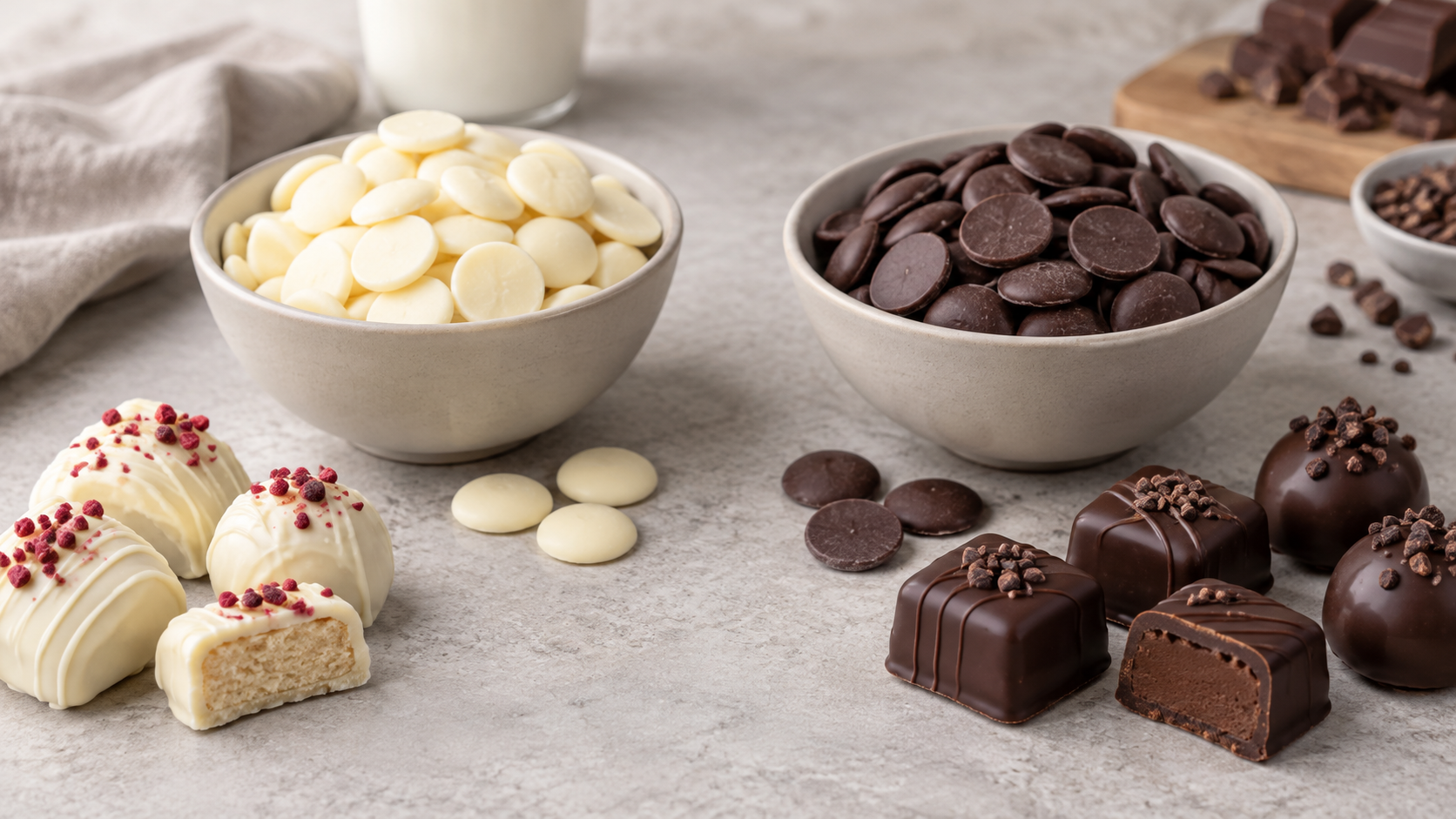
Couverture relies on cocoa butter, while compound coating replaces some or all of that fat with other vegetable fats. This difference controls melting, setting and the need for tempering.
Choose for flavour and mouthfeel
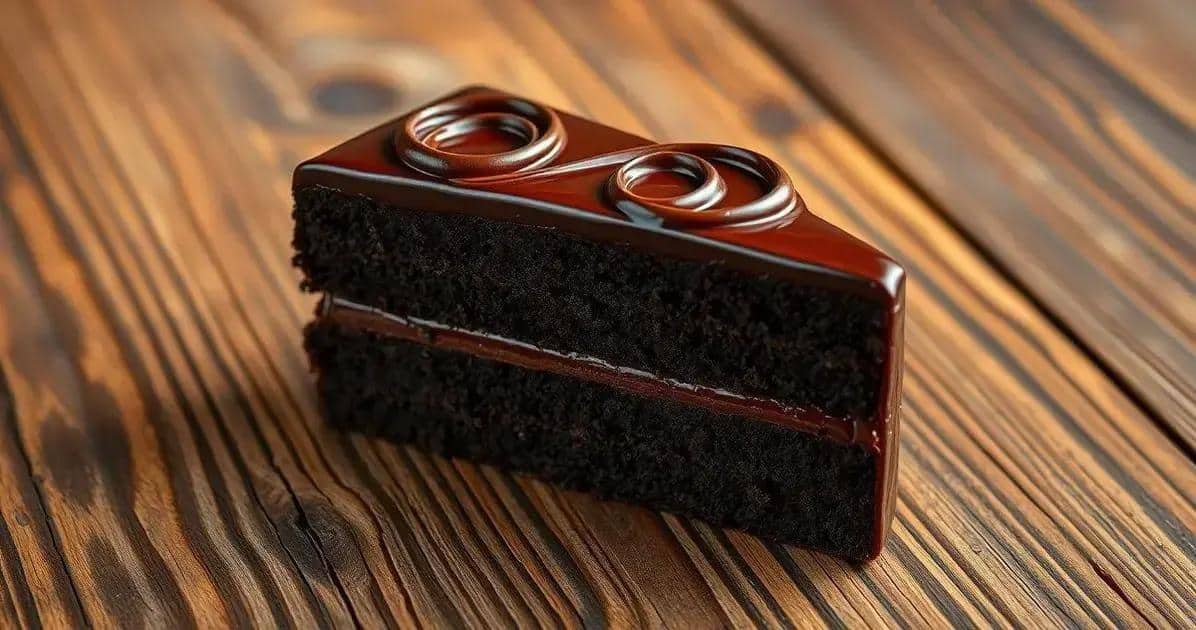
Couverture usually gives a cleaner cocoa-butter melt and can provide fine shine and snap. Compound coating is convenient but may feel firmer or waxier, depending on the formulation.
Consider tempering skill and equipment
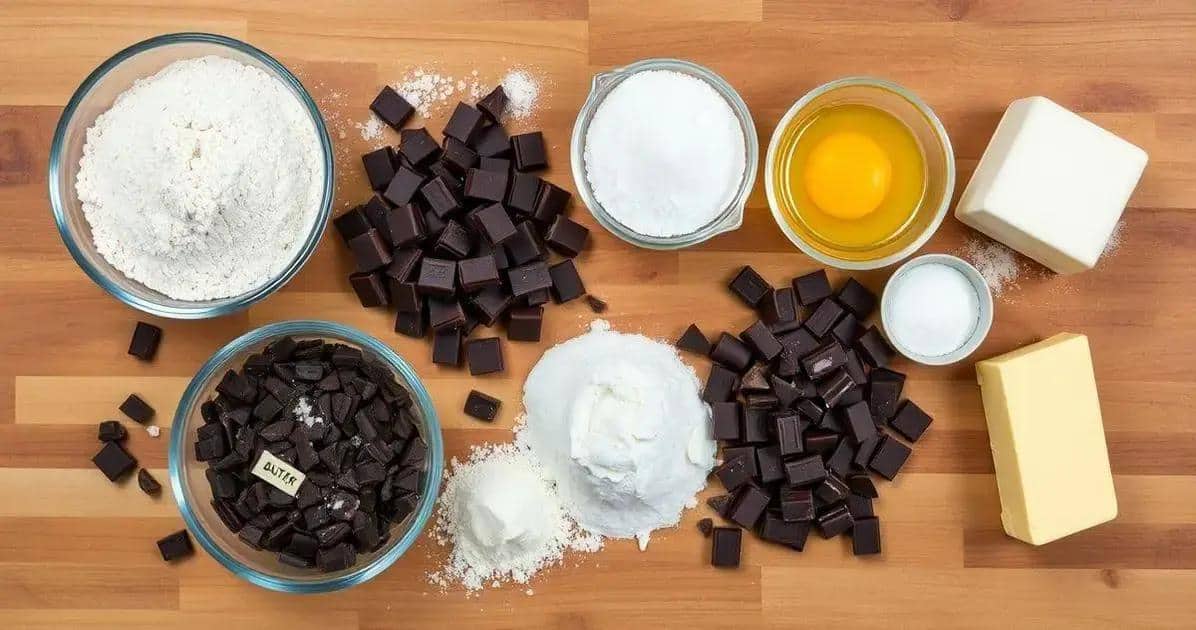
Tempering requires temperature control, dry tools and practice. Compound coating normally sets without this process, although it still needs gentle heating and correct handling.
Match the product to the centre
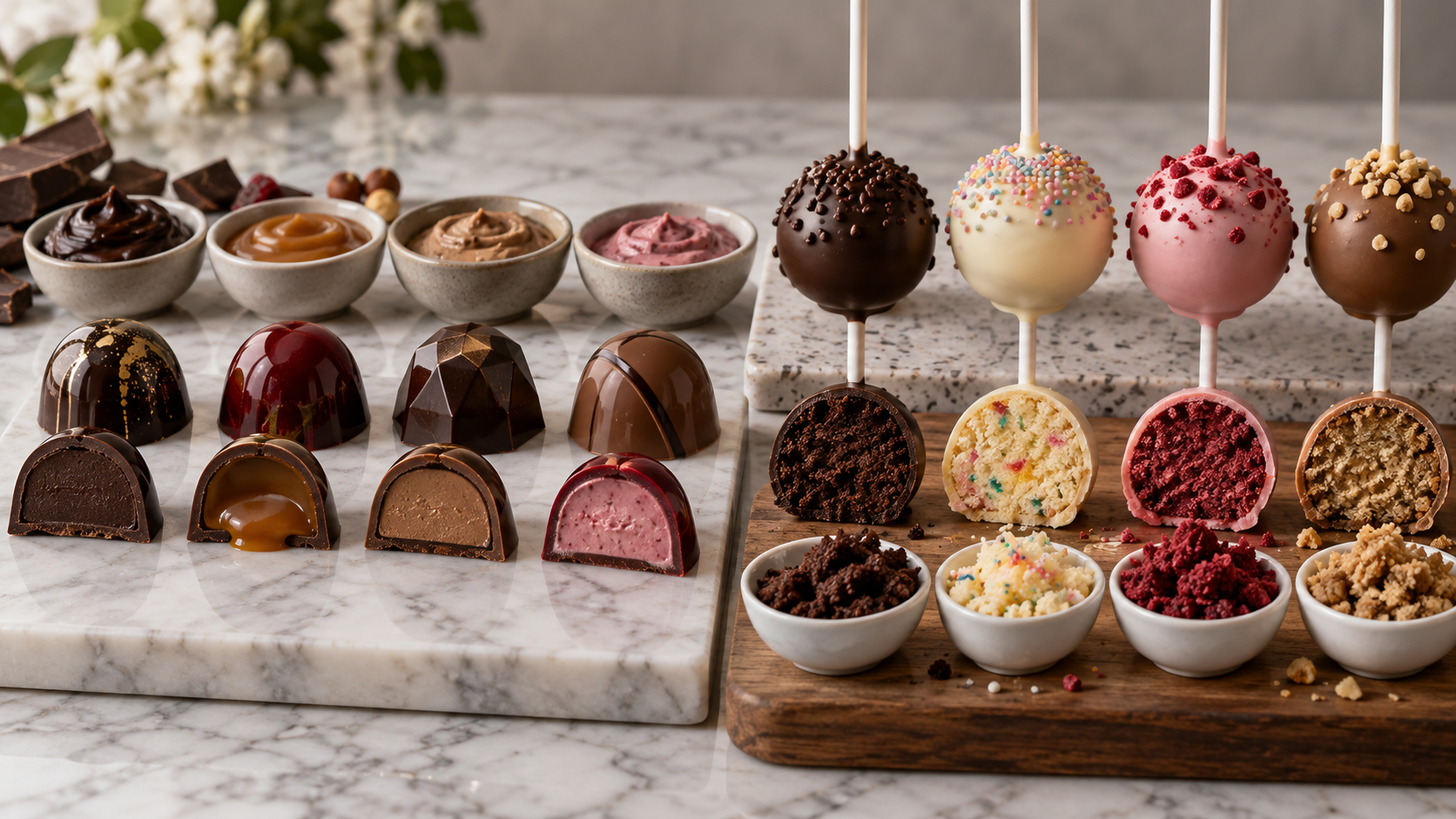
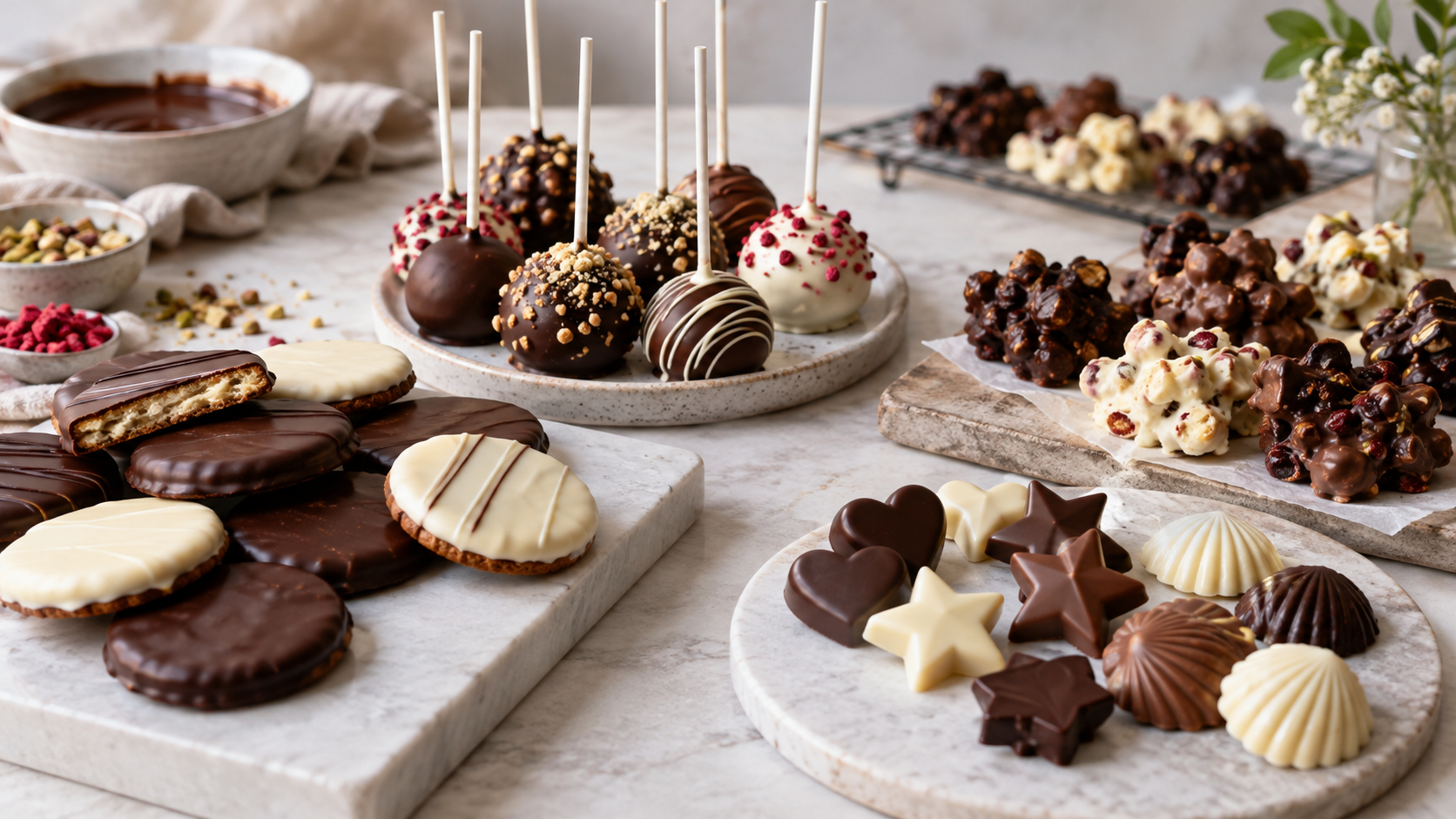
For a premium moulded bonbon, couverture may suit the desired finish. For cake pops, biscuits or high-volume decoration, a good compound coating may be practical. Always test it with the actual filling.
Think about transport and climate
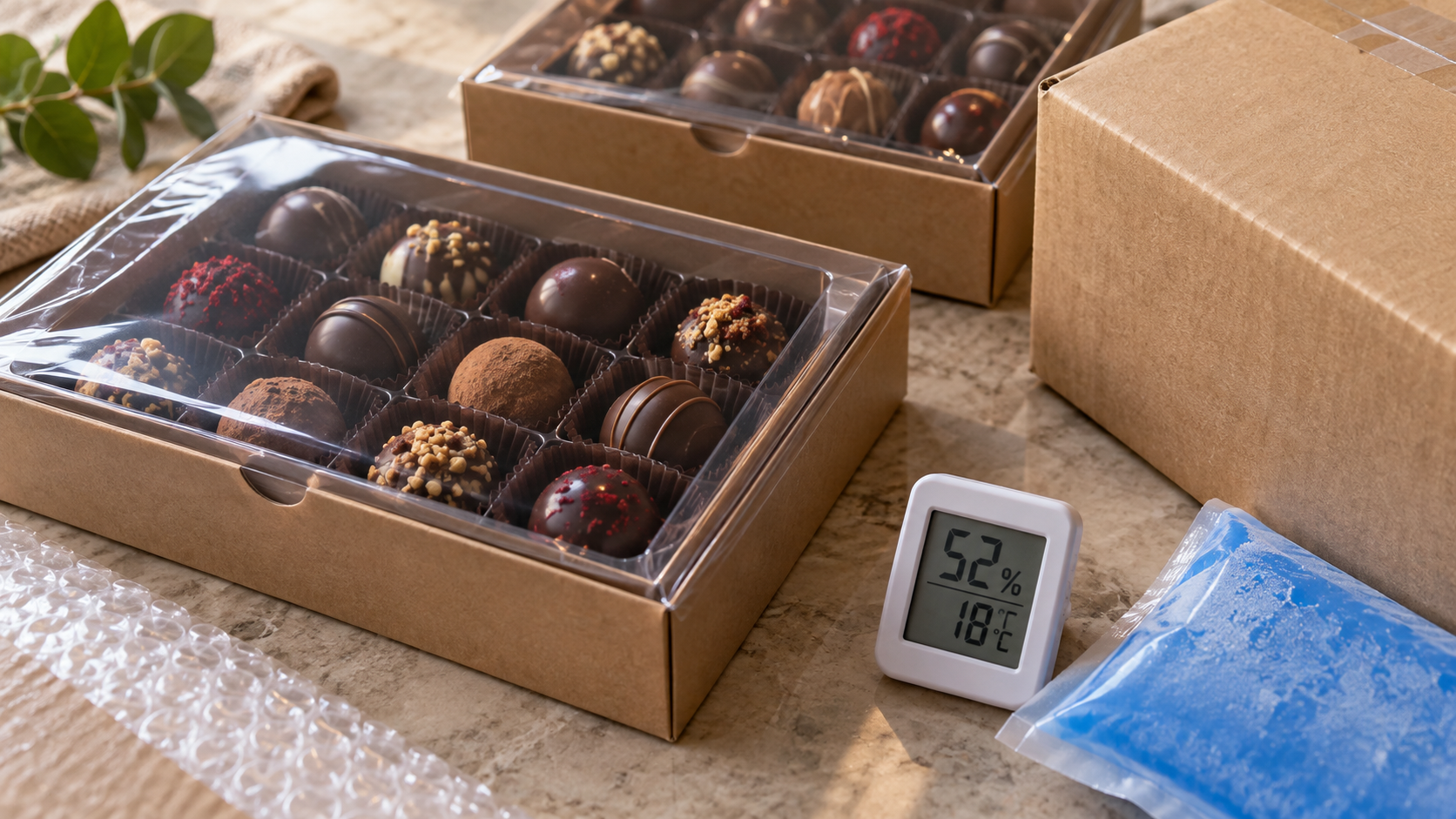
Neither product makes a perishable centre safe at room temperature. Temperature swings and humidity can cause condensation, cracking or bloom, so plan packaging and transport.
Calculate the full cost
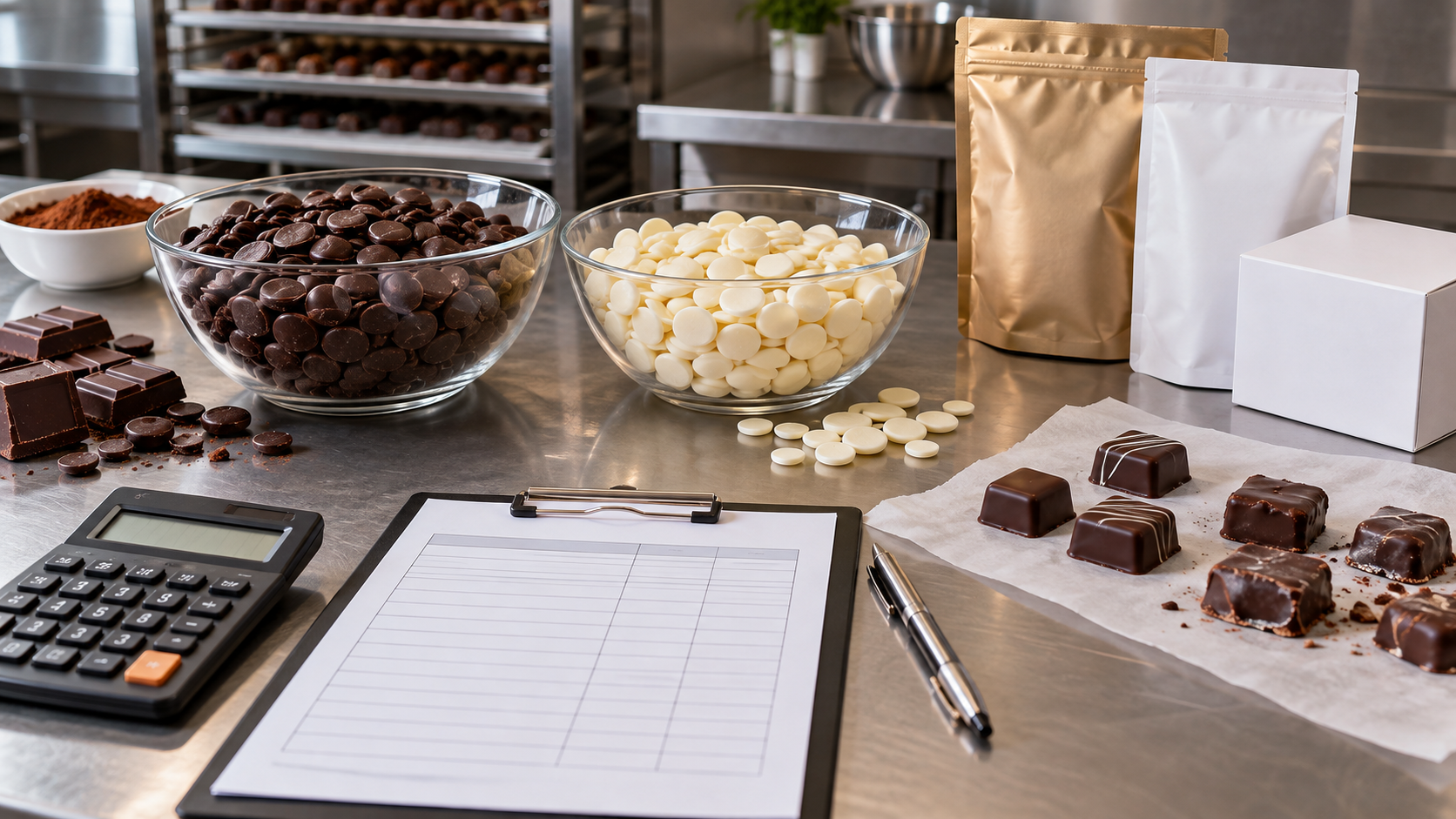
Include product cost, labour, failed batches, energy, packaging and storage in the calculation. A cheaper ingredient is not economical if flavour or quality does not suit the customer.
Label the finished product accurately

Use the correct legal and consumer-facing description for the ingredients you use. Preserve supplier labels and disclose allergens and storage requirements.
Frequently asked questions
Do I need a thermometer?
A thermometer is recommended whenever melting, tempering or holding chocolate within a working range.
Can I substitute one chocolate product for another?
Only when the recipe allows it, because cocoa butter, vegetable fat, sugar and milk change texture and setting.
How do I avoid moisture problems?
Keep tools dry, protect chocolate from steam and let cold closed containers warm gradually before opening.
Which allergens should I check?
Read every label for milk, soya, nuts, gluten and other required allergens, including cross-contact warnings.
Can I sell the finished product?
Follow current local food-business, hygiene, labelling and tax rules and use a defensible storage period.
What should I do before a large batch?
Test one small batch with the actual ingredients, room temperature, packaging and transport conditions.