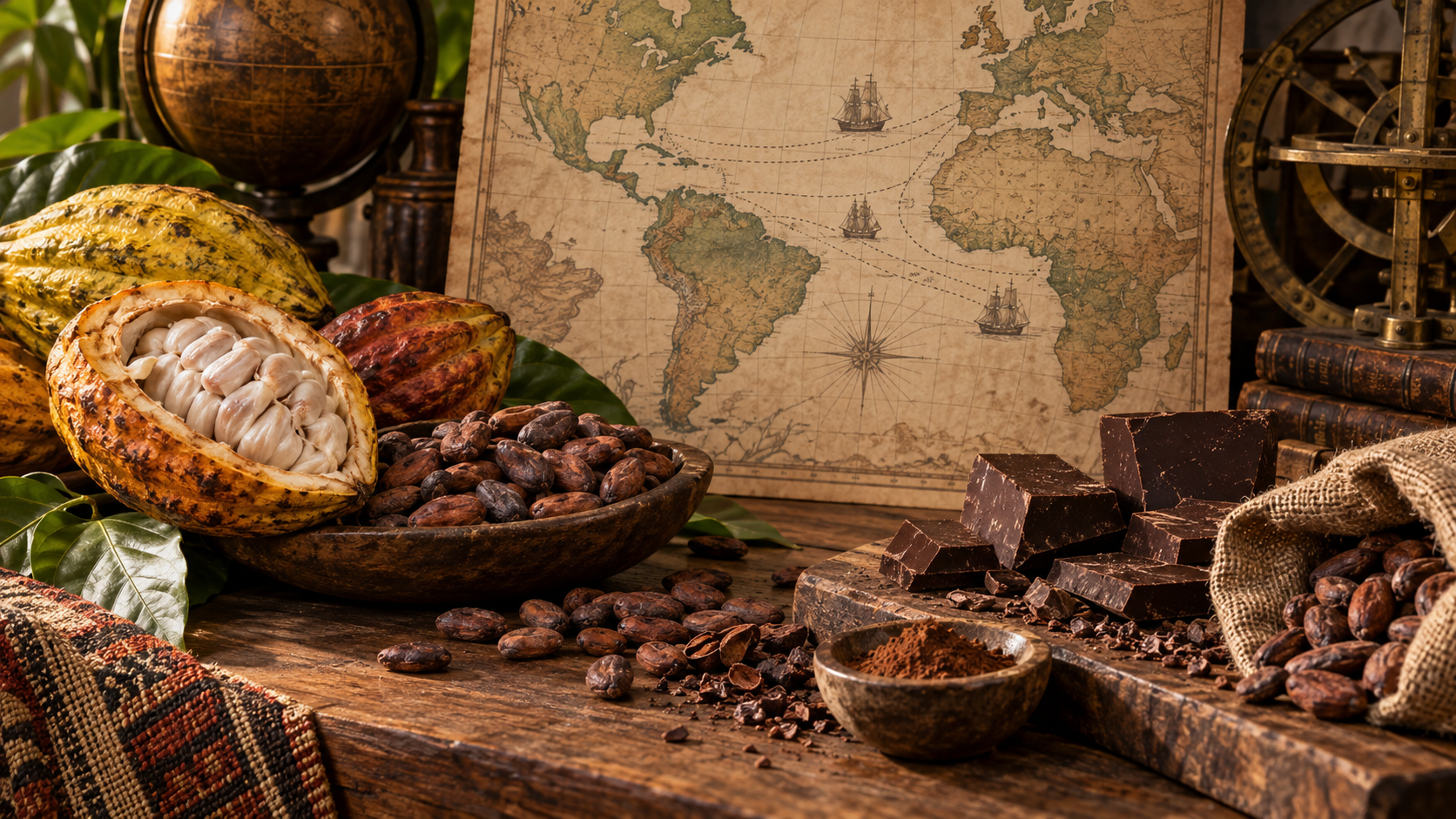

Look beyond a green package

Colours, leaves and words such as natural do not prove responsible production. Look for specific claims, named standards and evidence that can be checked.
Understand certification limits
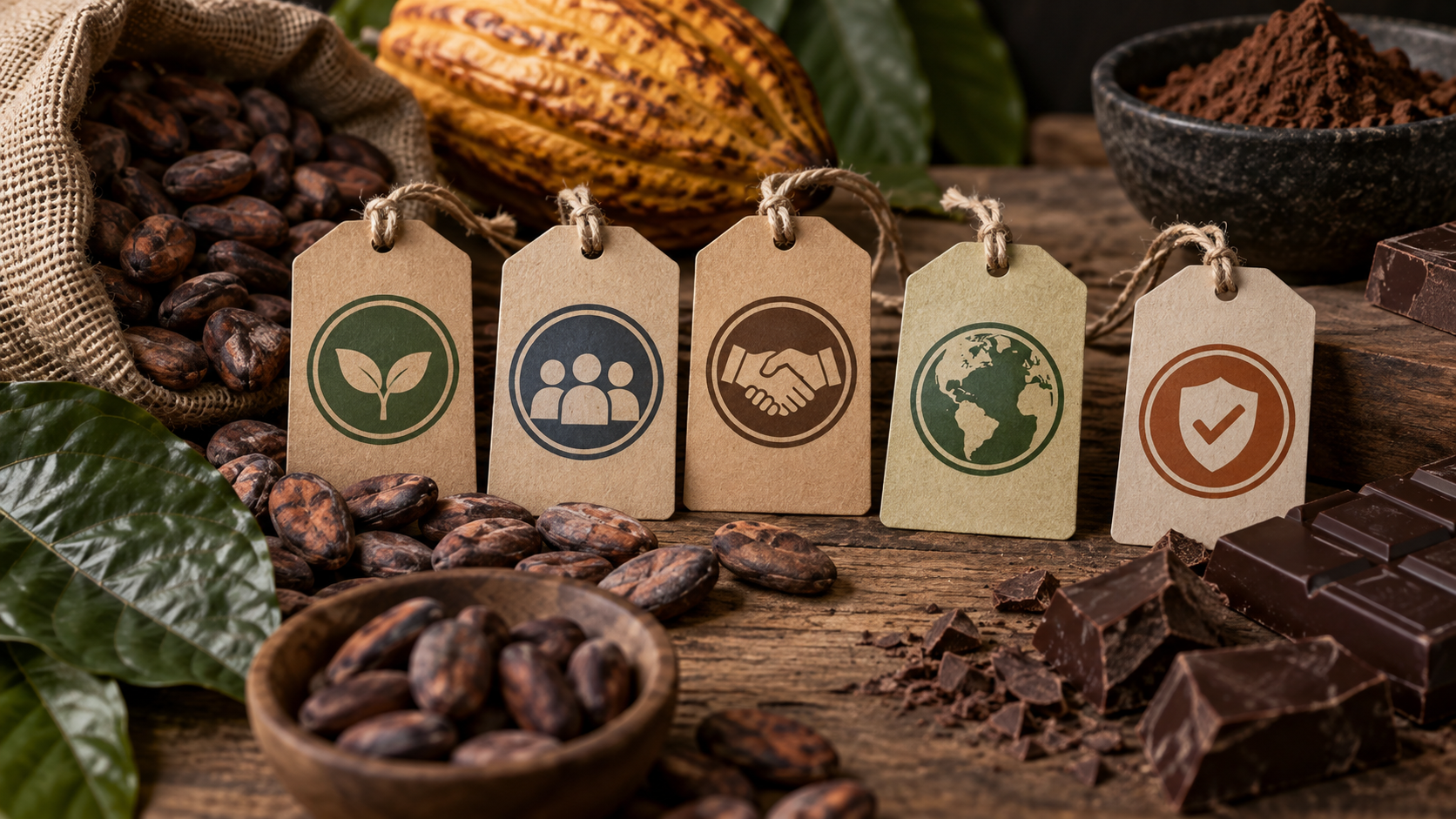
Certification can set environmental and social requirements, but schemes differ and none solves every problem. Read what a mark actually covers rather than treating all logos as equivalent.
Check origin and supply-chain information
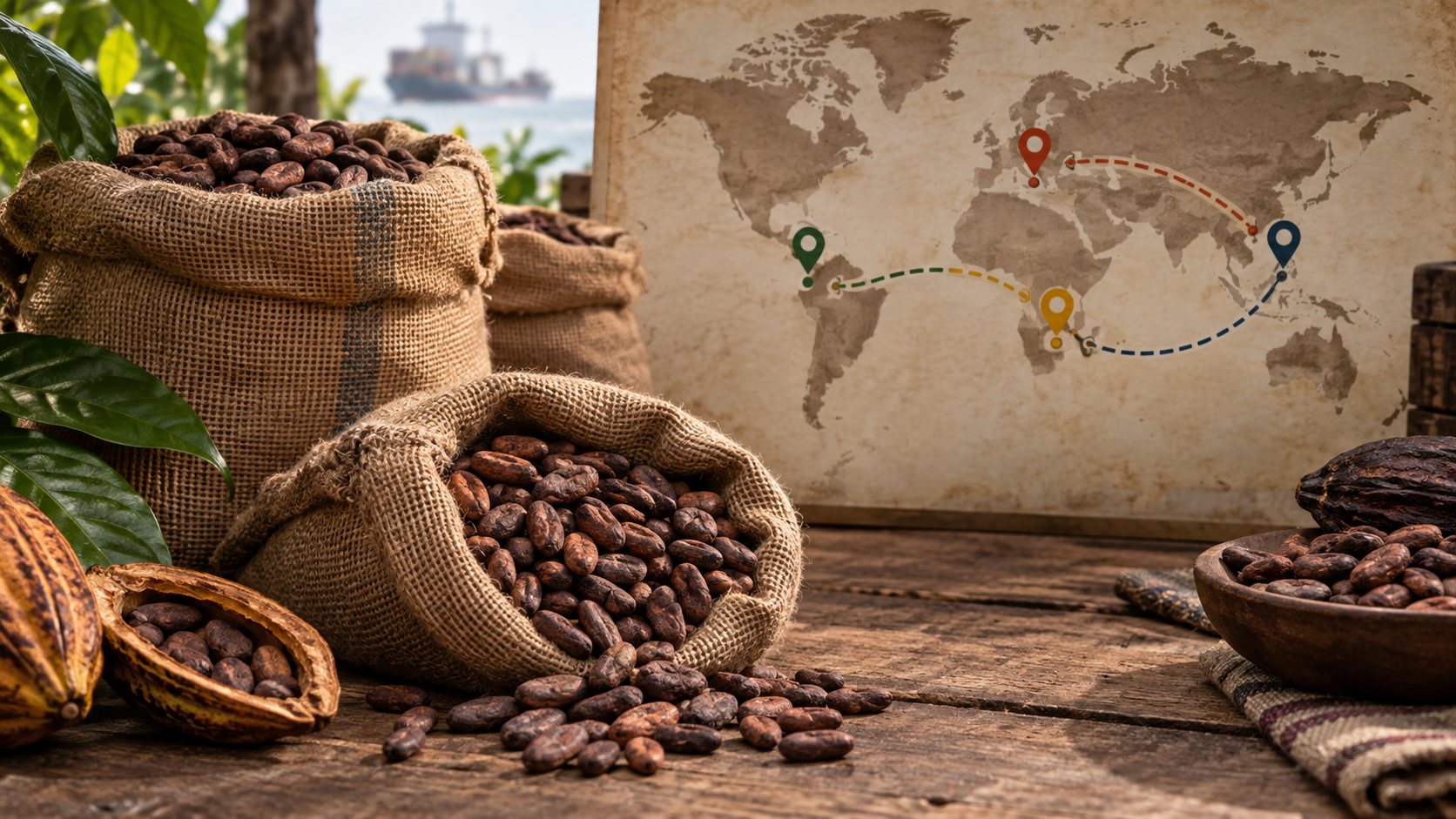
Clear origin, supplier and traceability information helps buyers understand where cacao came from. Vague single-origin language without a named place or chain provides little evidence.
Consider farmer income and working conditions
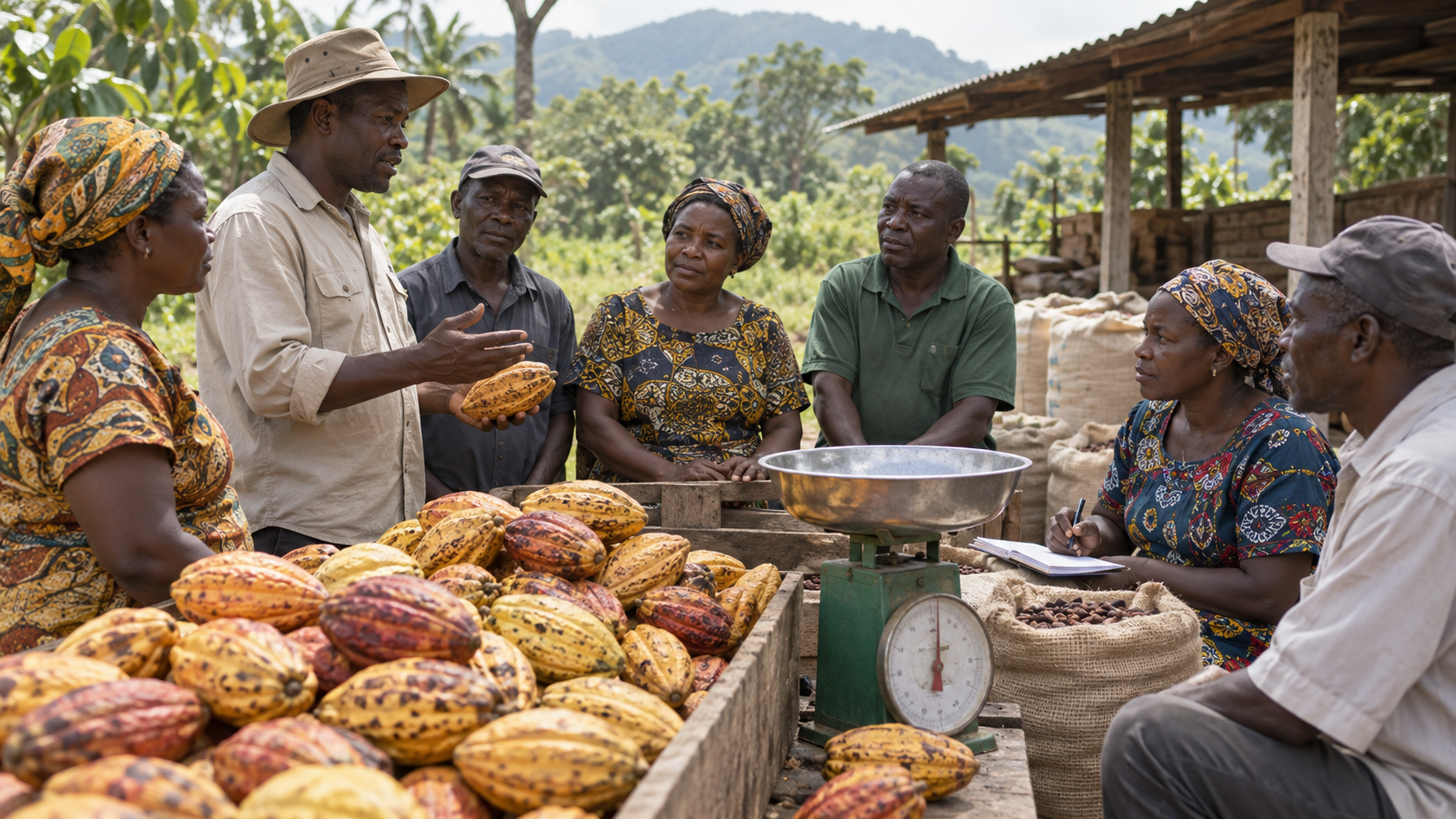
Sustainability includes livelihoods, pricing, labour conditions and community impact as well as farming methods. Responsible claims should address people, not only packaging.
Include deforestation and climate impacts
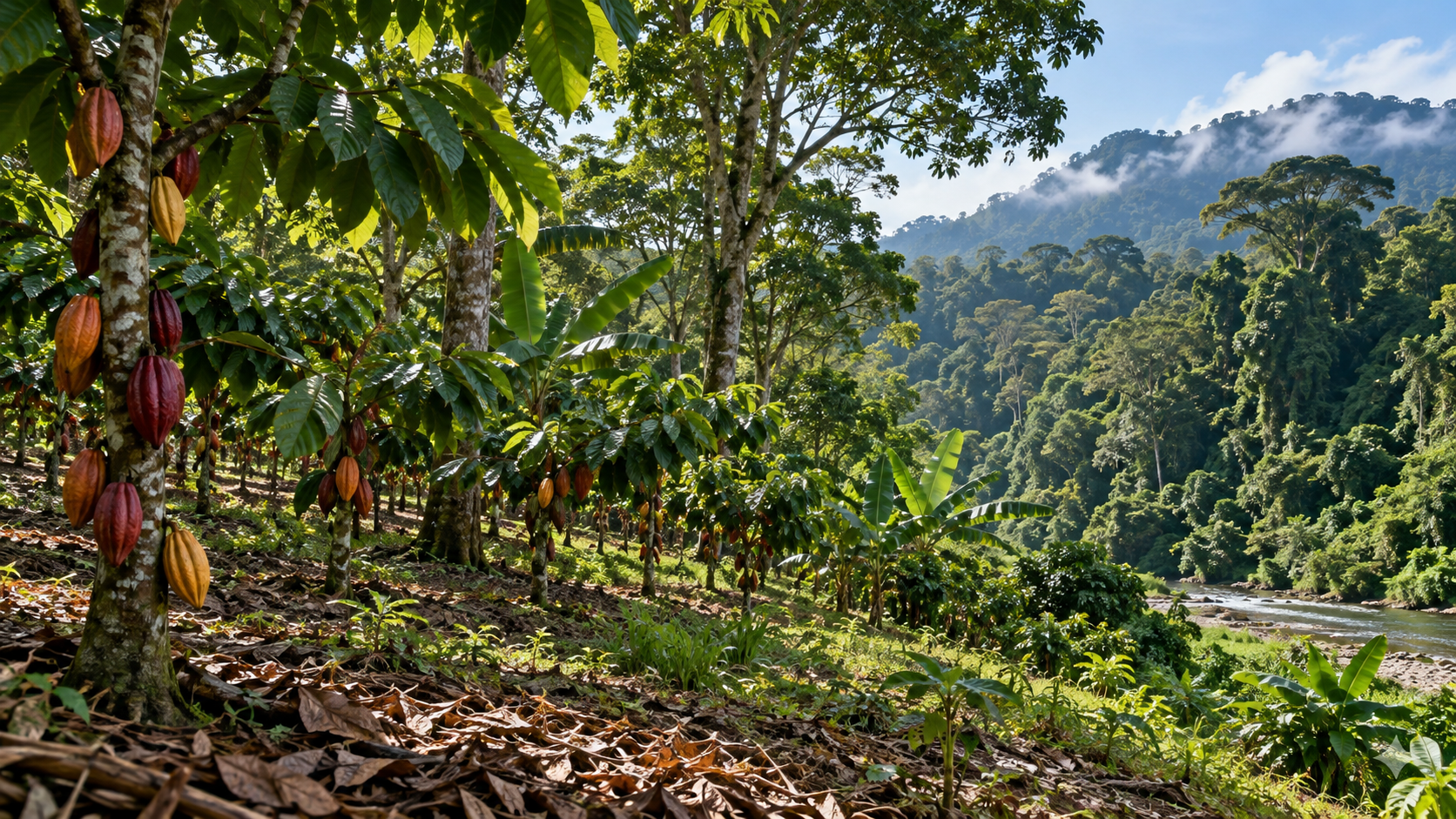
Cacao production can be linked to land-use change, while farmers also face heat, rainfall shifts and disease. Credible programmes explain how risks are measured and reduced.
Reduce waste at home or work
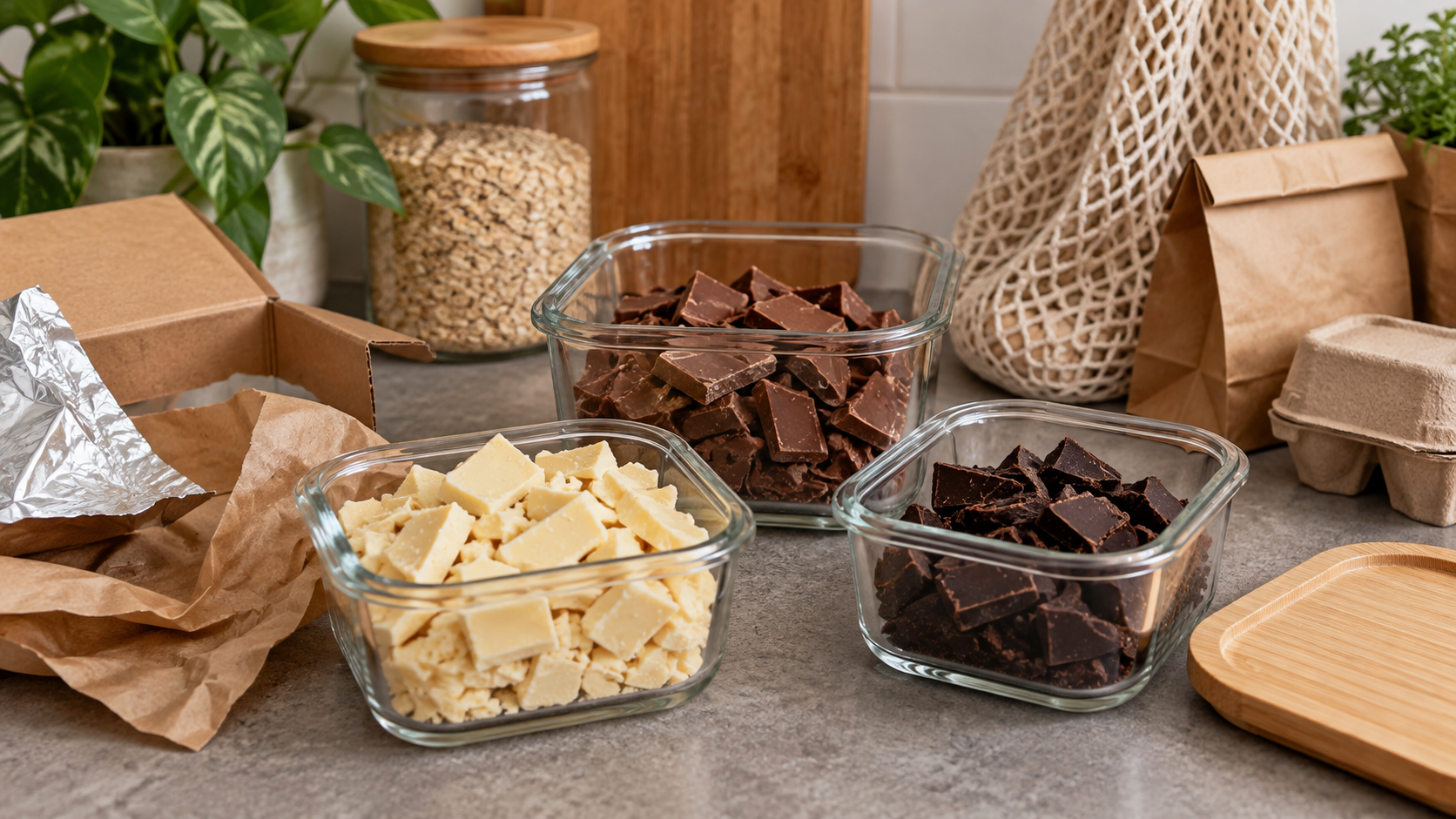
Plan purchases, store chocolate properly and use clean leftovers in suitable recipes. Recyclable packaging matters only when local collection can actually process it.
Choose evidence you can verify

Prefer measurable targets, independent reporting and transparent limitations. When evidence is absent, describe the product modestly instead of repeating broad marketing promises.
Frequently asked questions
Does a higher price guarantee better chocolate?
No. Judge ingredients, handling information, flavour, traceability and suitability for the intended recipe.
Do I need to test a product before buying in bulk?
Yes. Melt, temper or set a small batch with the real filling, packaging and storage conditions.
Which allergens should I check?
Read every label for milk, soya, nuts, gluten and other required allergens, including cross-contact warnings.
How should chocolate products be stored?
Keep plain chocolate cool and dry, and refrigerate finished items when their fillings require it.
Can I rely on marketing claims?
Use specific label definitions, standards and evidence rather than broad words such as premium, healthy or sustainable.
What records should a small seller keep?
Retain supplier labels, batch codes, dates, recipes, yields, temperature notes and customer-facing ingredient information.