
Cacao has deep American roots
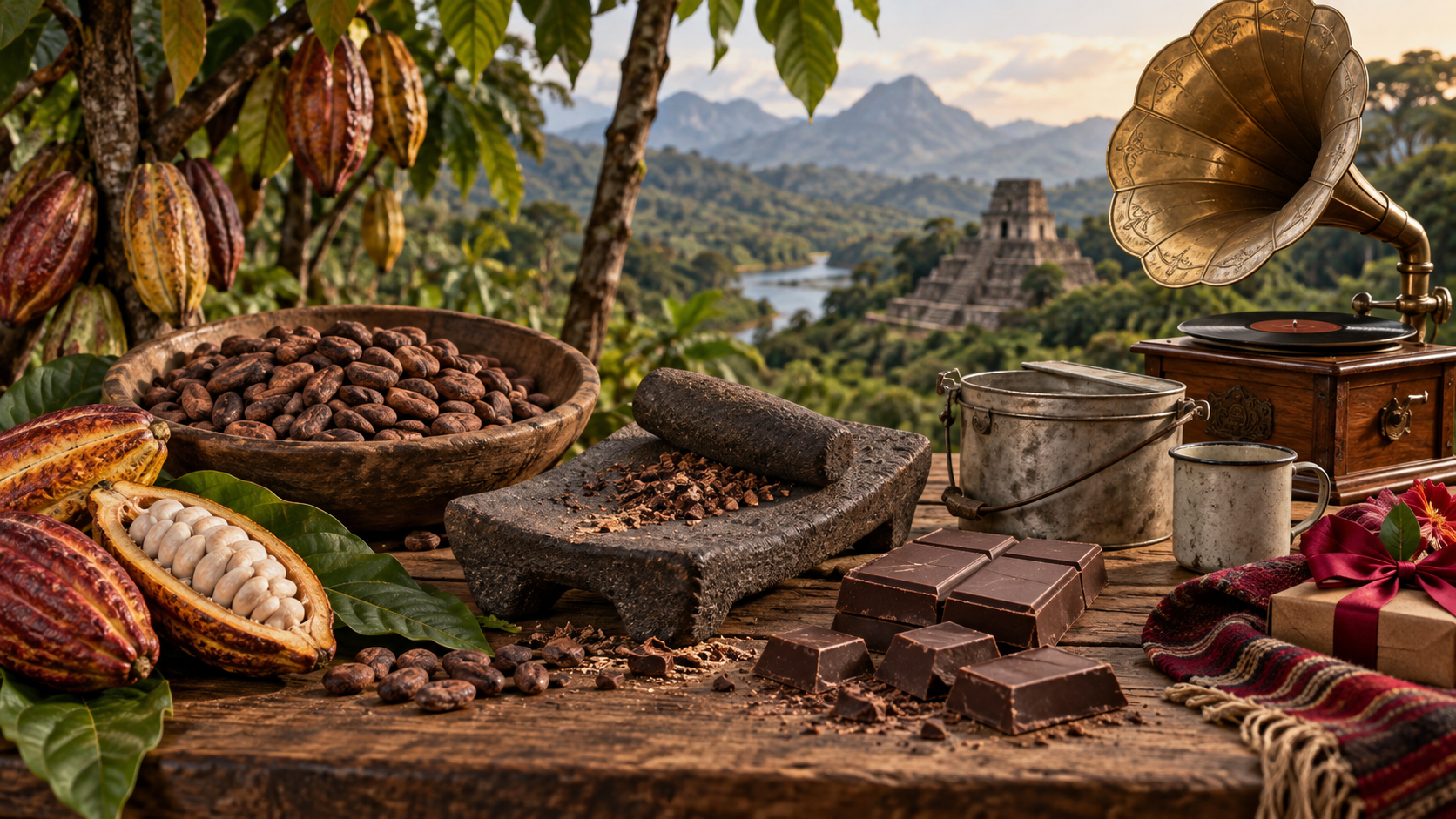
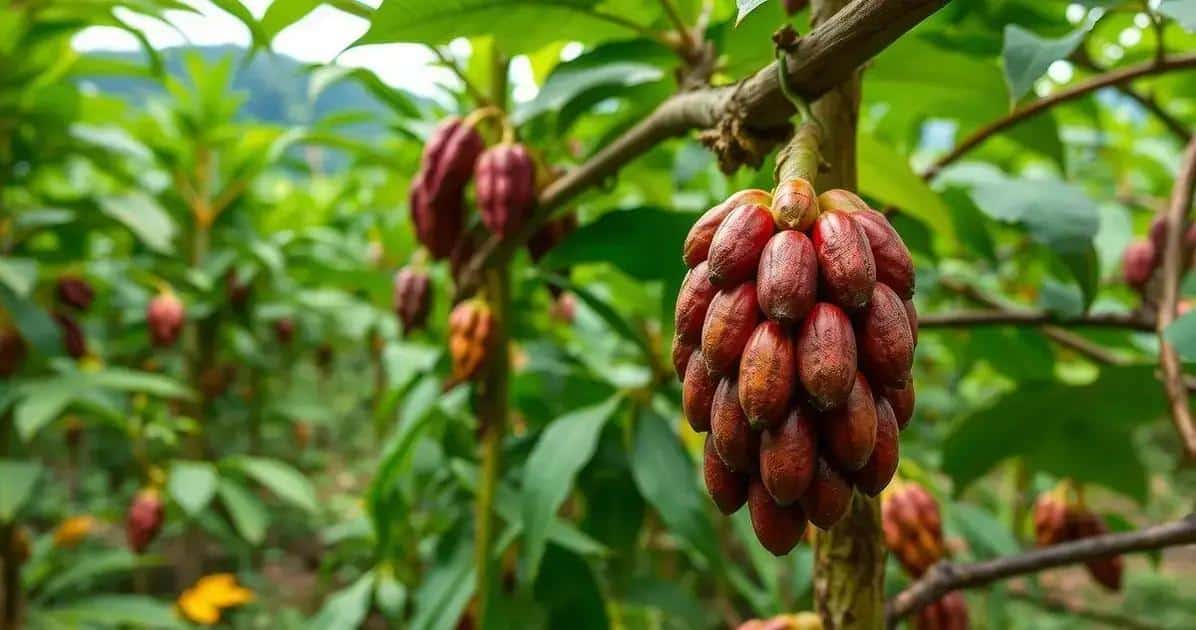
Cacao is native to tropical America, and Indigenous knowledge predates commercial plantations. Brazil’s role belongs within this longer continental history.
Bahia became a historic centre
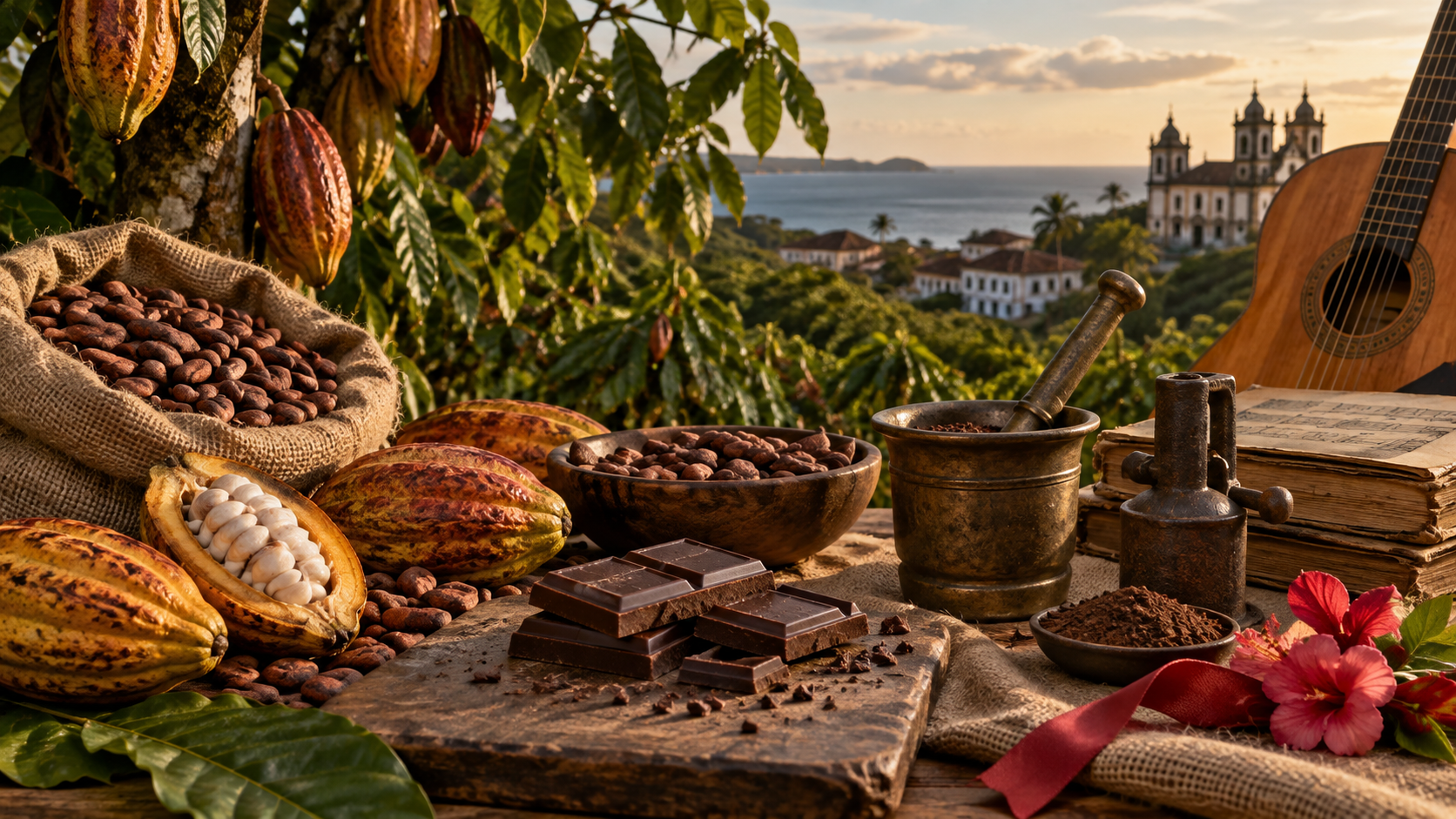
Southern Bahia became a major cacao-growing area and shaped towns, literature and trade. Production also reflected unequal land and labour relations.
Disease caused severe disruption
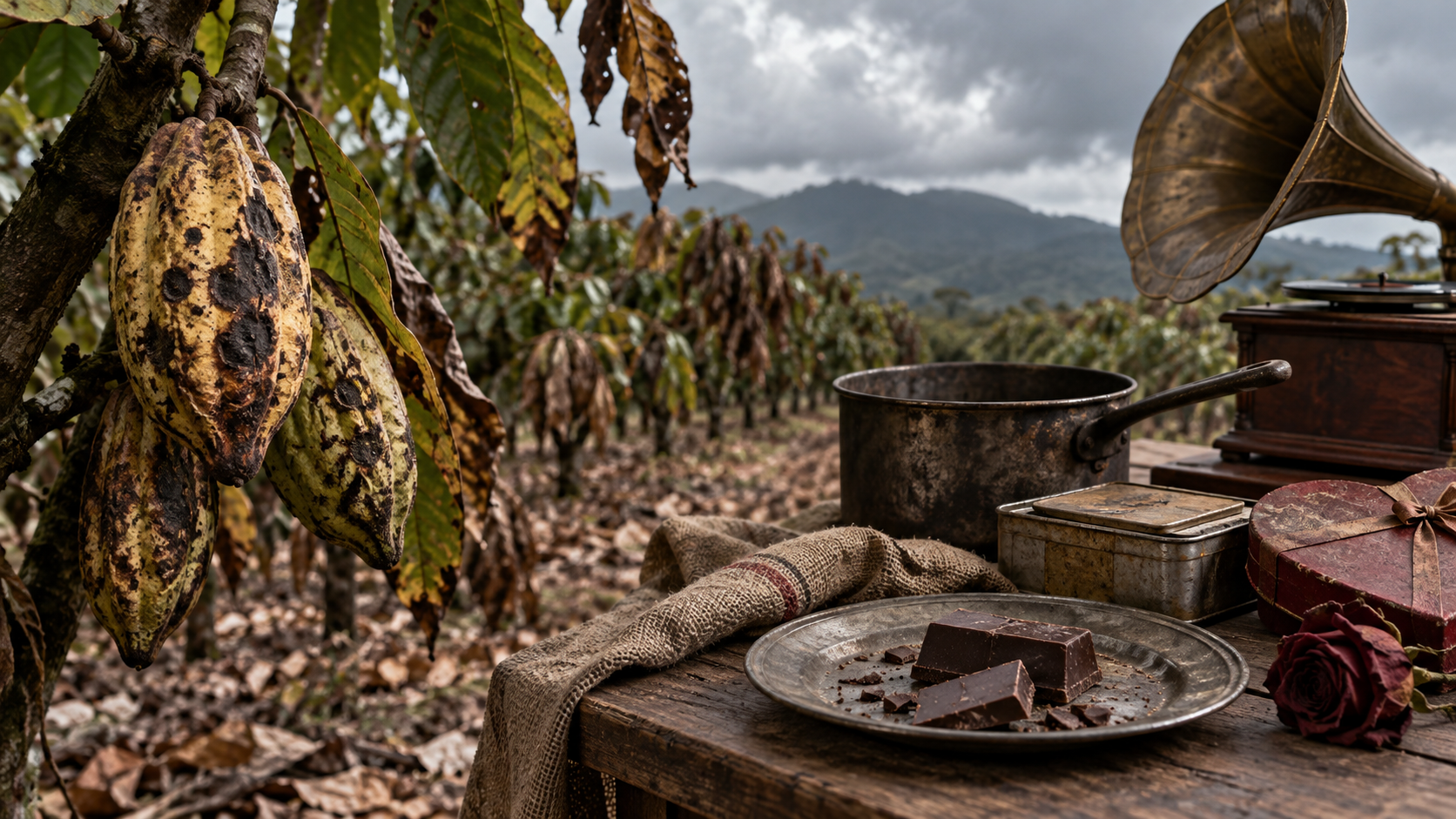
Witches’ broom disease devastated many Bahian farms from the late twentieth century. Research, pruning, resistant material and changed management supported gradual recovery.
Amazon production also matters
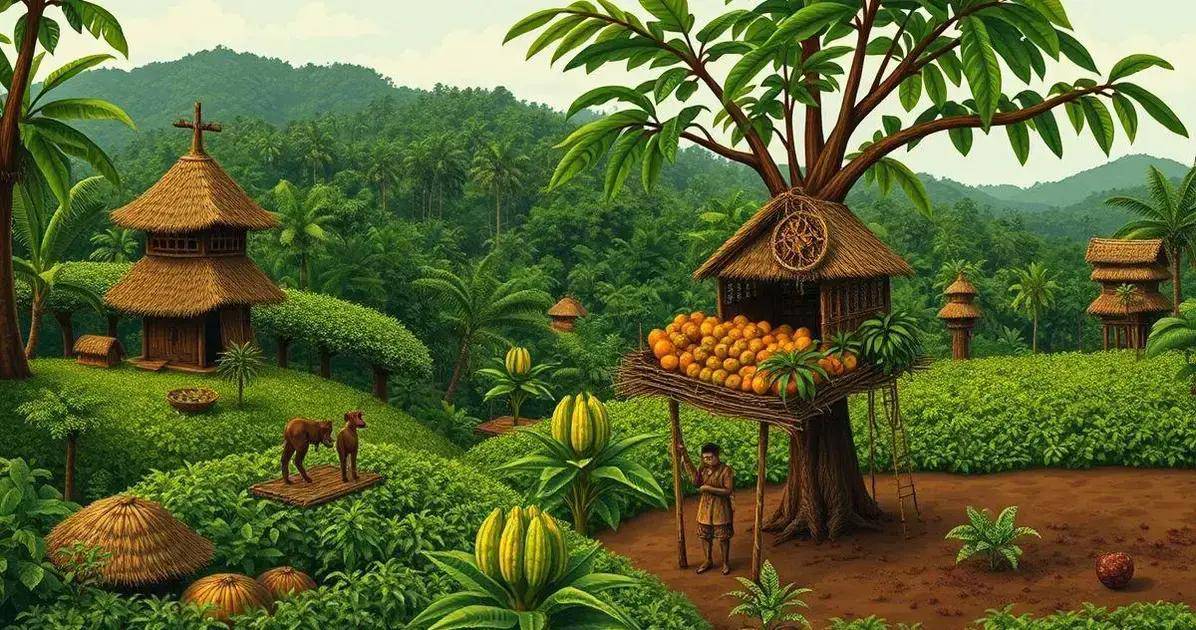
Pará and other Amazonian areas contribute substantially to current Brazilian cacao. Production conditions and supply chains differ from those in Bahia.
Tree cover and farming systems differ
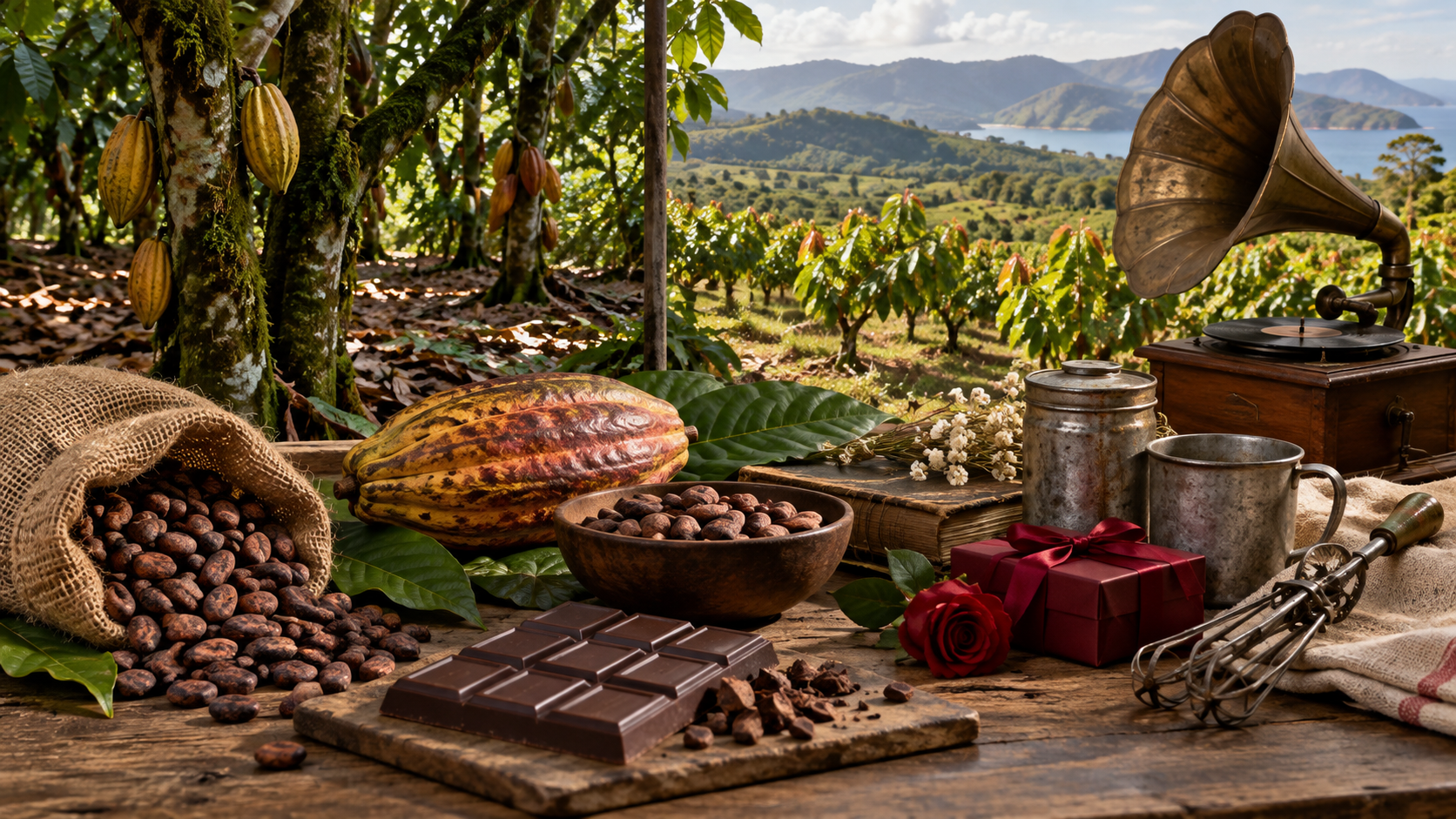
Some cacao grows under shade in agroforestry systems, but environmental performance varies. A regional name alone does not prove deforestation-free or socially fair production.
Brazilian makers are diversifying
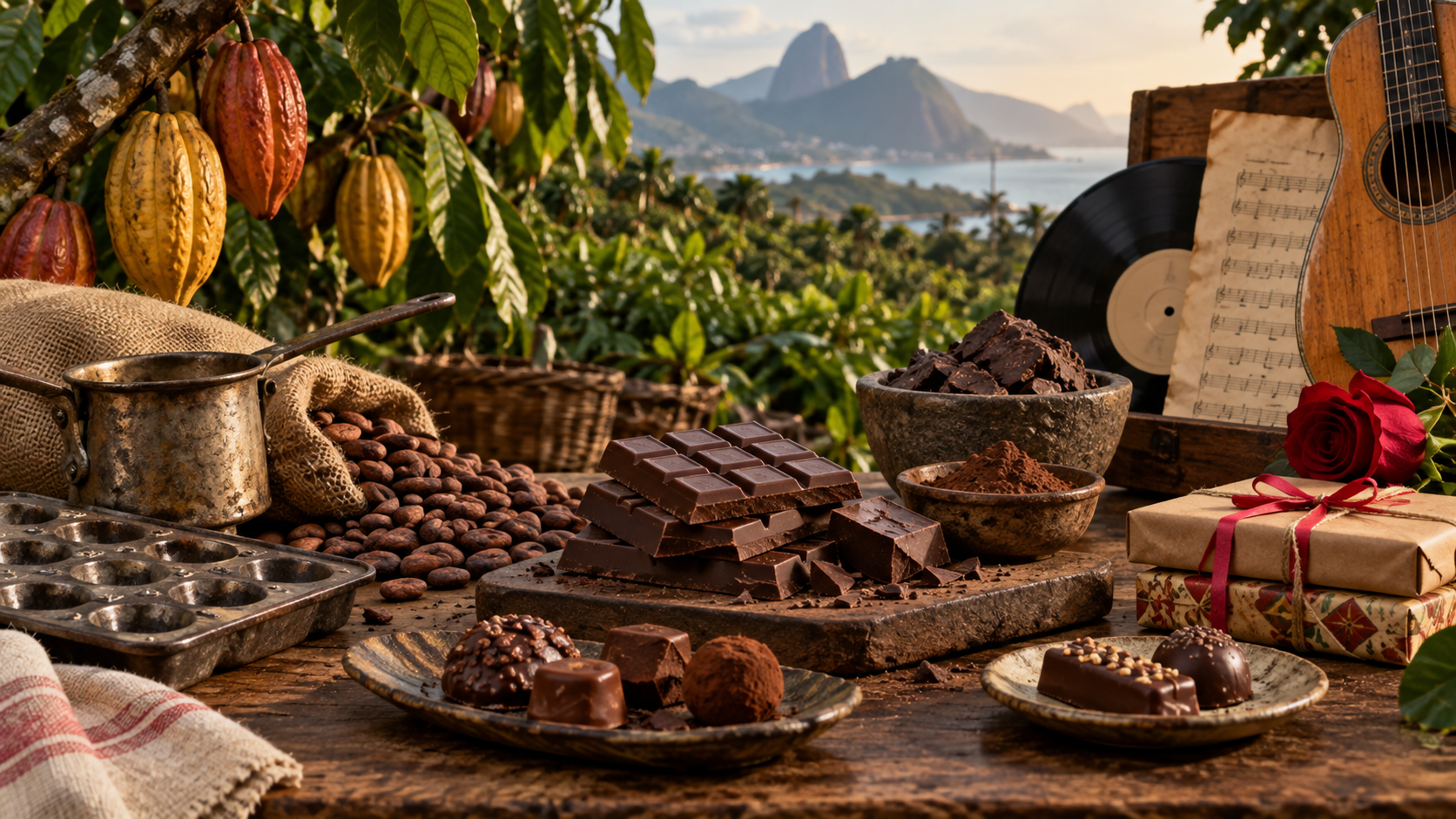
A growing range of Brazilian makers works with origin-specific cacao and closer producer relationships. Buyers should still look for traceability, labour information and measurable claims.
Frequently asked questions
Does natural mean stimulant-free?
No. Cocoa, coffee, tea and guarana can supply caffeine or related stimulants.
Can chocolate or cocoa treat a health condition?
No. Food may fit a balanced diet, but medical or mental-health concerns need qualified assessment.
Are cultural chocolate traditions the same everywhere?
No. Customs vary by community, period and commercial influence.
How can a historical claim be checked?
Look for a dated primary source, museum, archive or independent history rather than repeating a brand story.
Which label details matter most?
Check the ingredient list, allergens, serving size, caffeine, sugar, dates and storage information.
How should chocolate gifts be planned?
Match the recipient’s tastes and restrictions, protect the product from heat and keep claims modest.