
For cakes and brownies
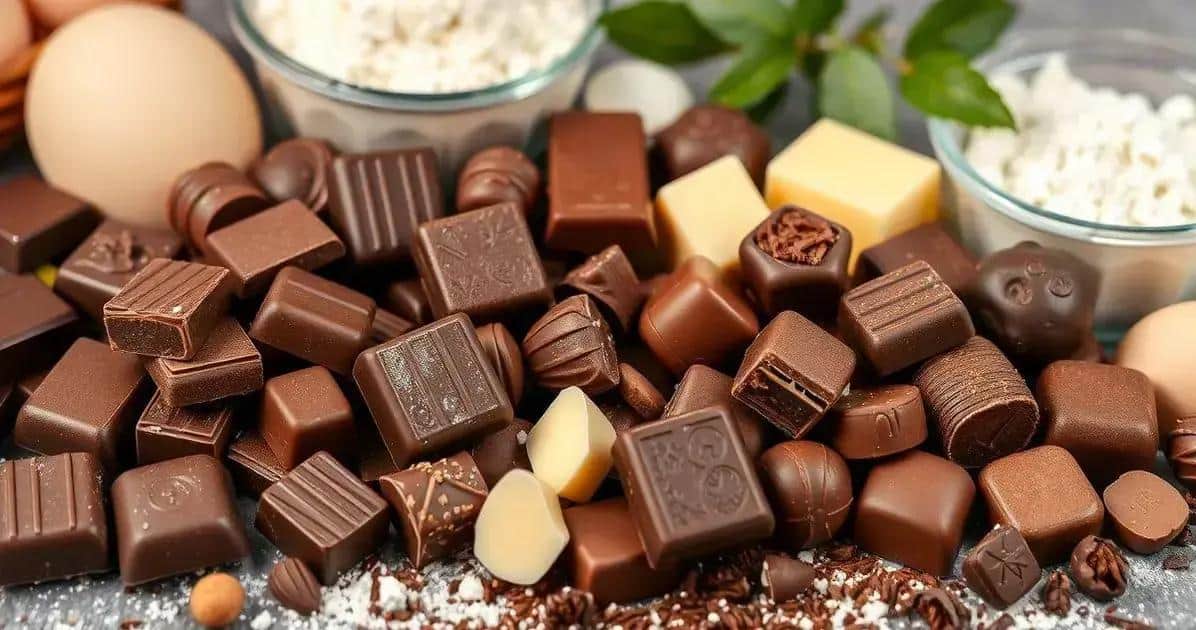
Choose a bar or baking chocolate whose cocoa level matches the recipe. Replacing dark chocolate with milk or white changes sweetness, fat, milk solids and the way the bake sets.
For ganache
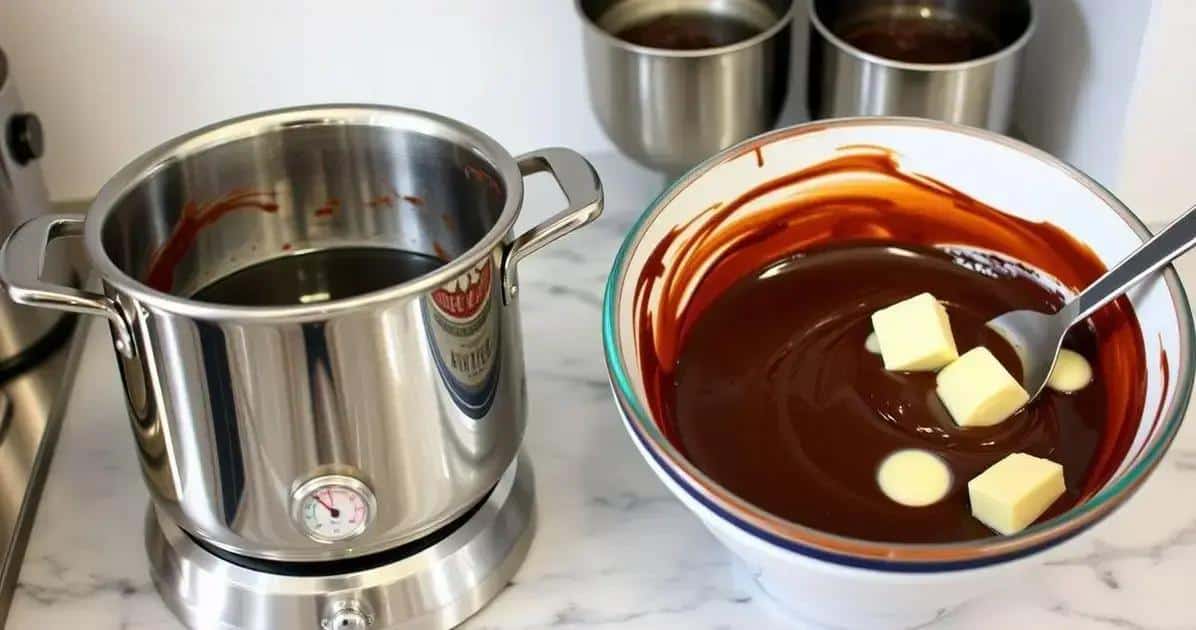
Ganache firmness depends on chocolate type and the ratio of chocolate to liquid. Use a tested formula and weigh ingredients rather than treating all chocolate as interchangeable.
For moulded chocolates
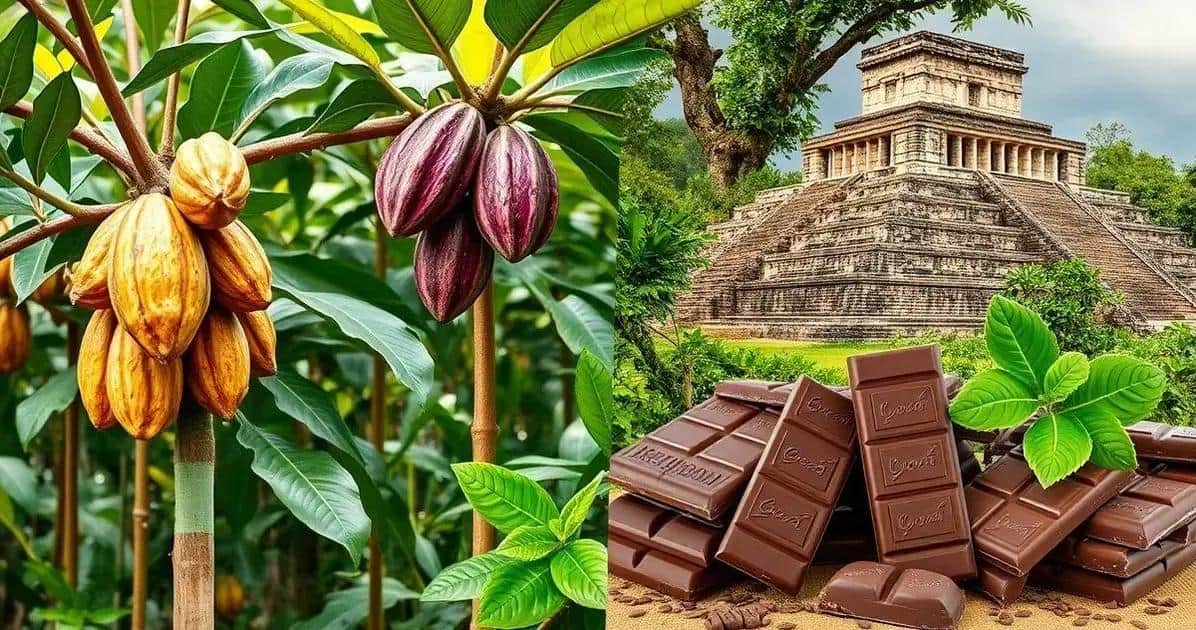
Couverture contains enough cocoa butter to flow well when correctly tempered, making it a useful choice for thin shells and moulded bars. Check the maker’s tempering range.
For dipping and coating

Tempered couverture gives a thin glossy coating with a clean snap. Compound coating is easier to handle but has a different ingredient profile and flavour, so label it accurately.
For hot chocolate
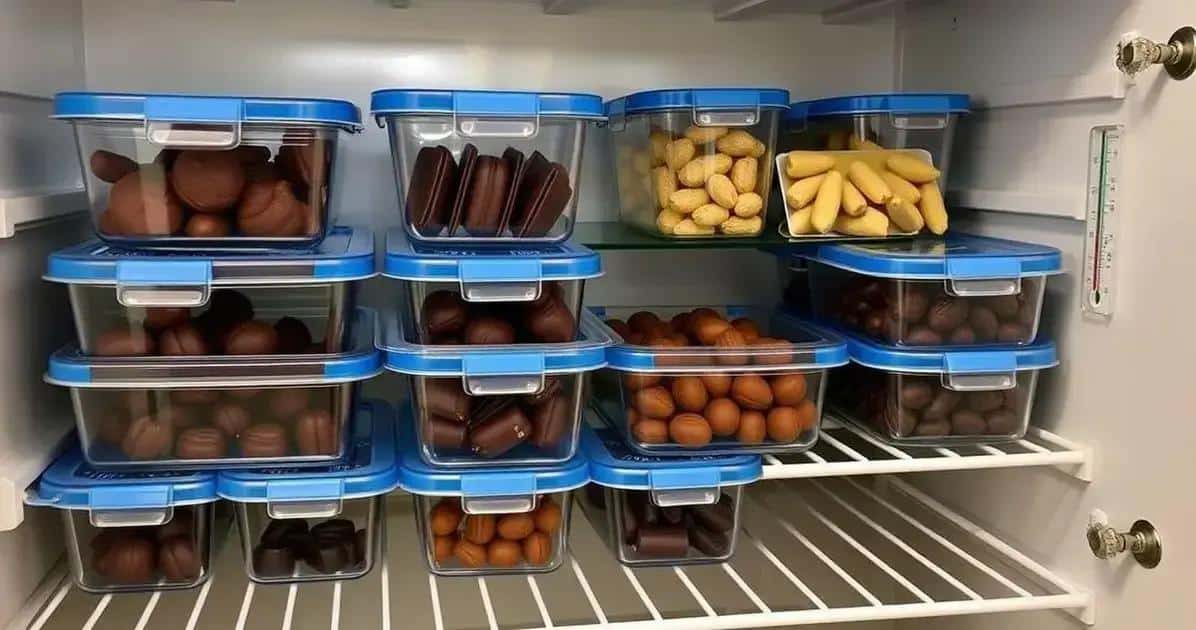
For a smooth drink, choose chocolate you enjoy eating and chop it finely. Balance it with milk or a suitable plant drink, then heat gently without scorching.
Frequently asked questions
Can I use chocolate chips?
Sometimes. Chips are designed to hold their shape in baking and may be too thick for smooth dipping or moulding.
Can I replace dark chocolate with milk chocolate?
Only when the recipe allows it. The change affects sweetness, firmness and flow, so ratios may need adjustment.
Why has my chocolate turned pale?
Fat bloom or sugar bloom can follow poor tempering, heat changes or condensation. It is usually a quality issue, but check storage and freshness.
How should chocolate be stored?
Keep it sealed in a cool, dry place away from sunlight, moisture and strong odours.
Which allergens should I check?
Read every label for milk, soya, nuts, gluten and other relevant allergens, including shared-equipment warnings.
What is the safest approach for gifts?
Use clean food-safe packaging and include ingredients, allergens, the preparation date and clear storage guidance.