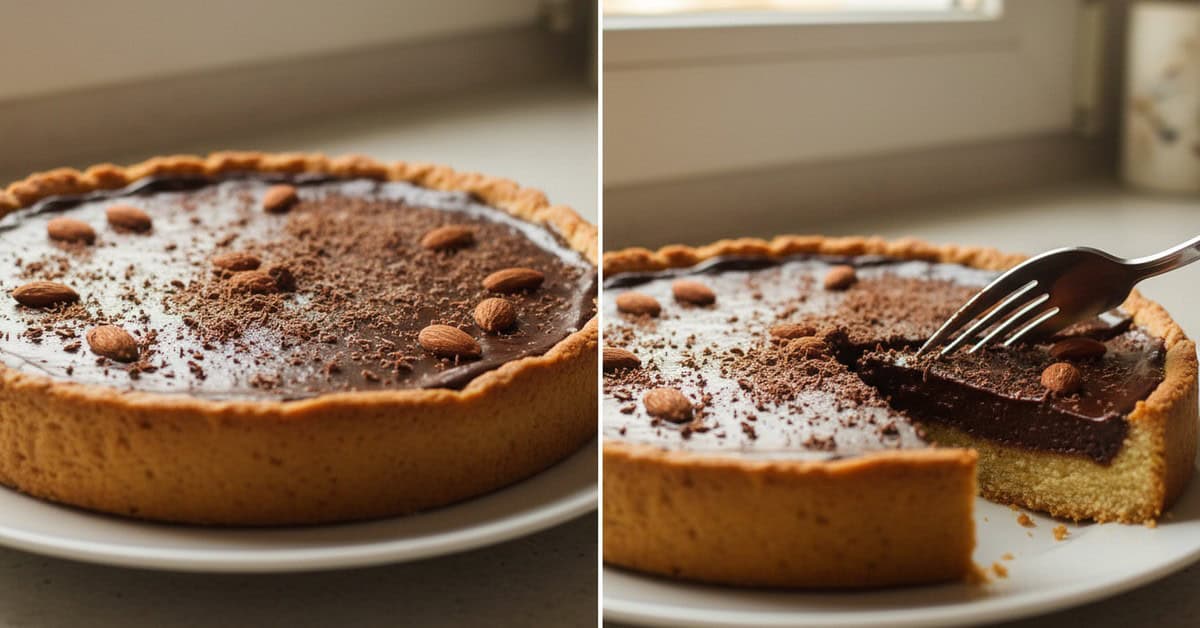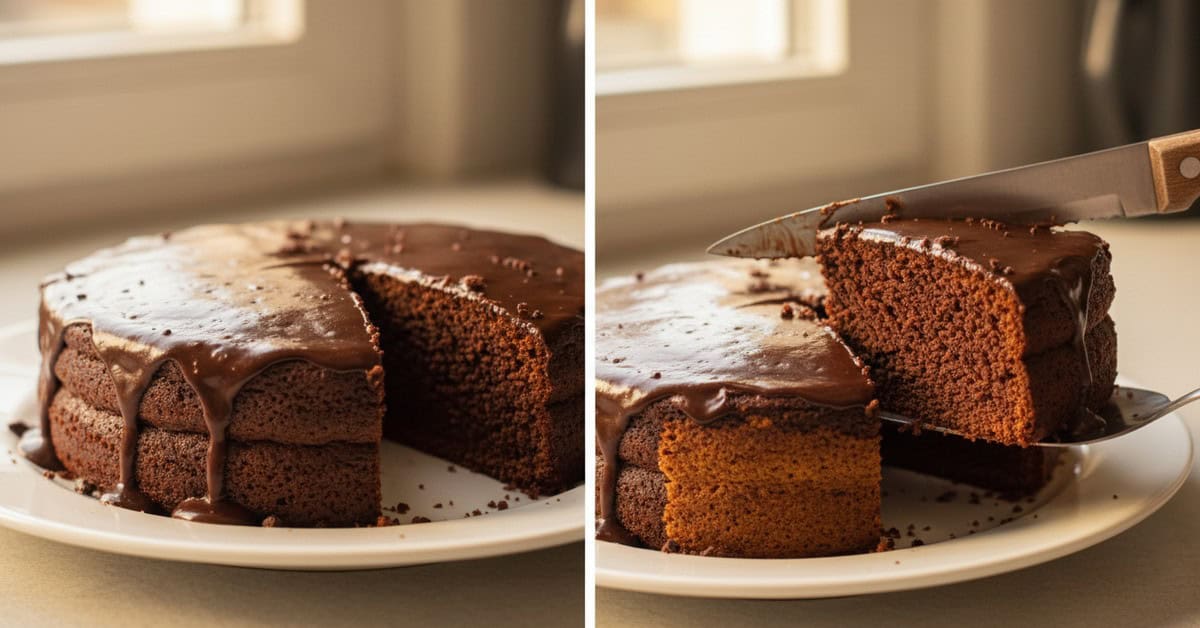

For neater slices of a chocolate dessert, start with the right texture, use a suitable sharp knife and clean the blade between cuts. A briefly warmed, thoroughly dried blade can help, while chilled desserts should remain appropriately refrigerated.
A smooth slice shows off the layers and makes serving easier. Preparation matters as much as the final cut: gently melted chocolate, a firm base and a properly set filling all contribute. These techniques help with presentation; follow your chosen dessert recipe for its complete ingredients, cooking and chilling instructions.
Ingredients used in chocolate desserts
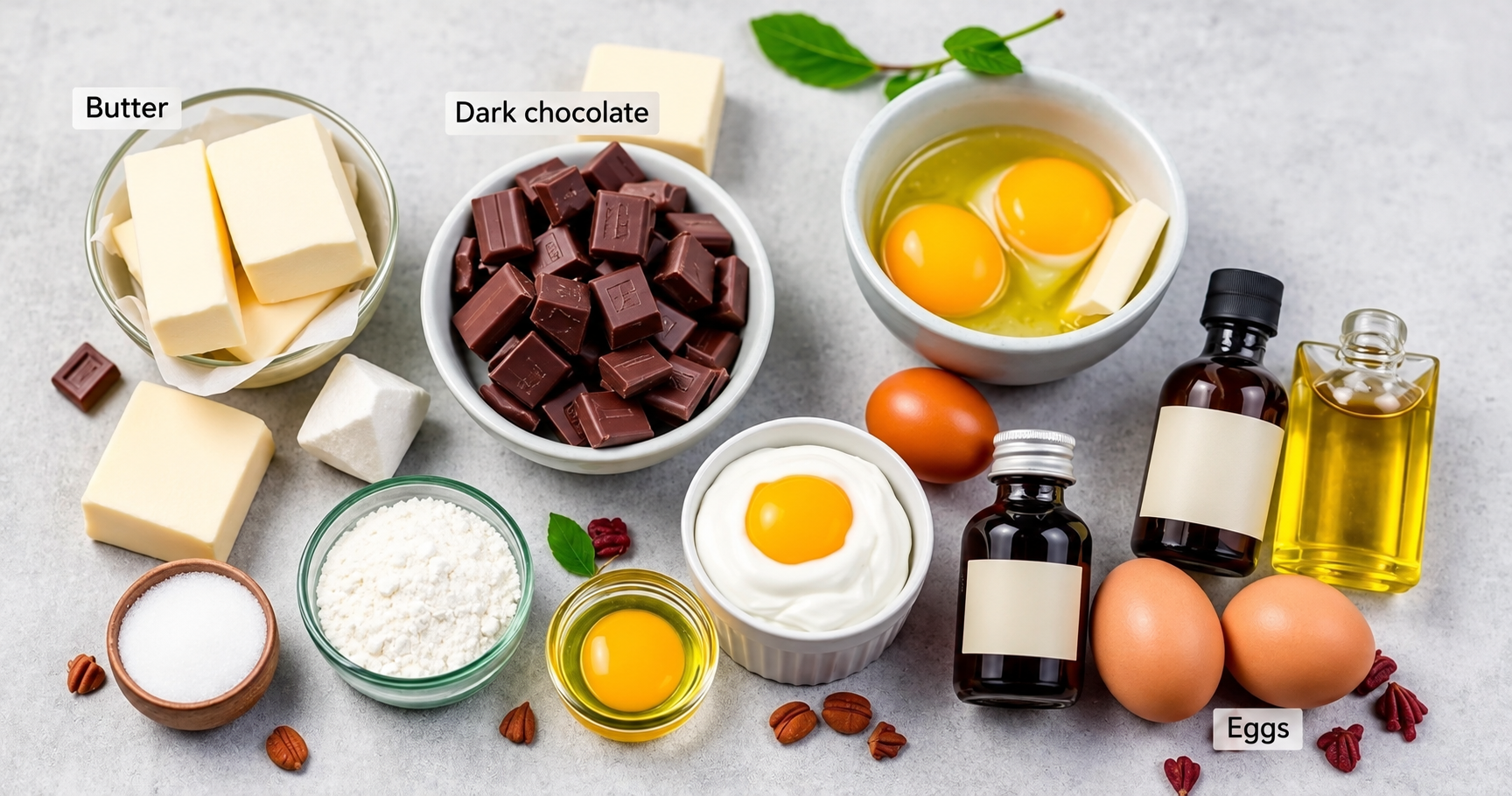
Different desserts need different combinations of ingredients. The following are common components, rather than a single recipe to combine without measurements.
- Dark chocolate: provides a pronounced cocoa flavour and can be melted for fillings or toppings.
- Sugar: adds sweetness where the recipe requires it; the amount depends on the chocolate and dessert.
- Butter: contributes richness and can bind a biscuit base.
- Cream: is used in preparations such as ganache and some mousses.
- Eggs: provide structure or lightness in recipes designed to use them.
- Flavourings: vanilla or orange can add another note.
Choose a chocolate whose flavour you enjoy and use the products specified by the recipe. Changing the type of chocolate, cream or fat can affect how firmly a dessert sets and how it cuts.
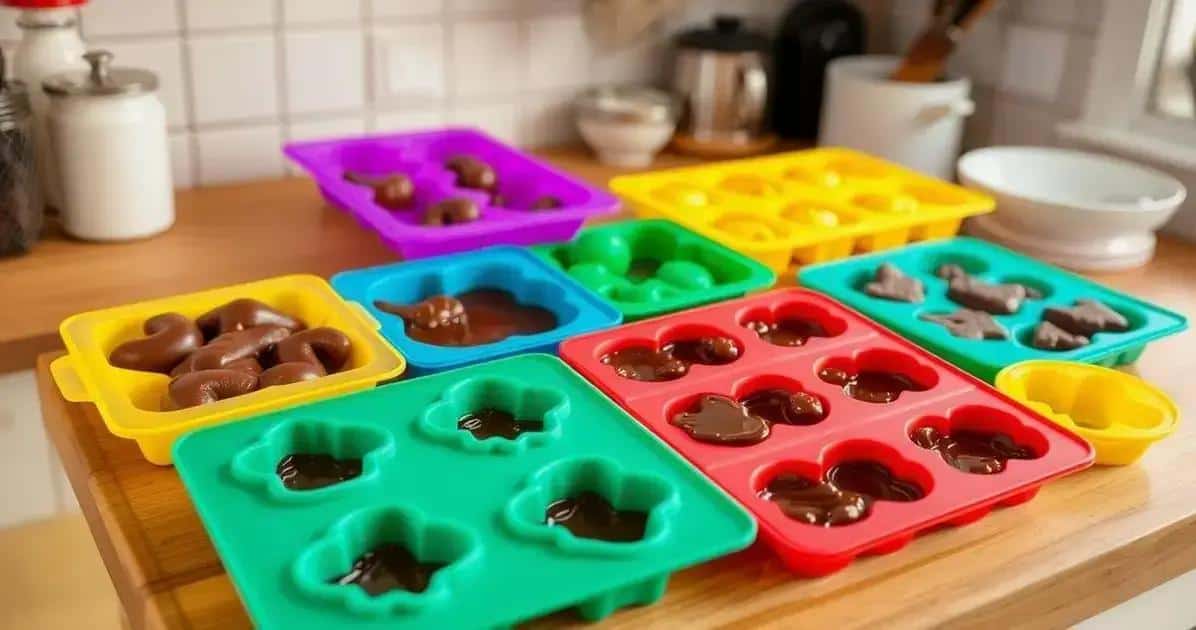
Melting chocolate gently
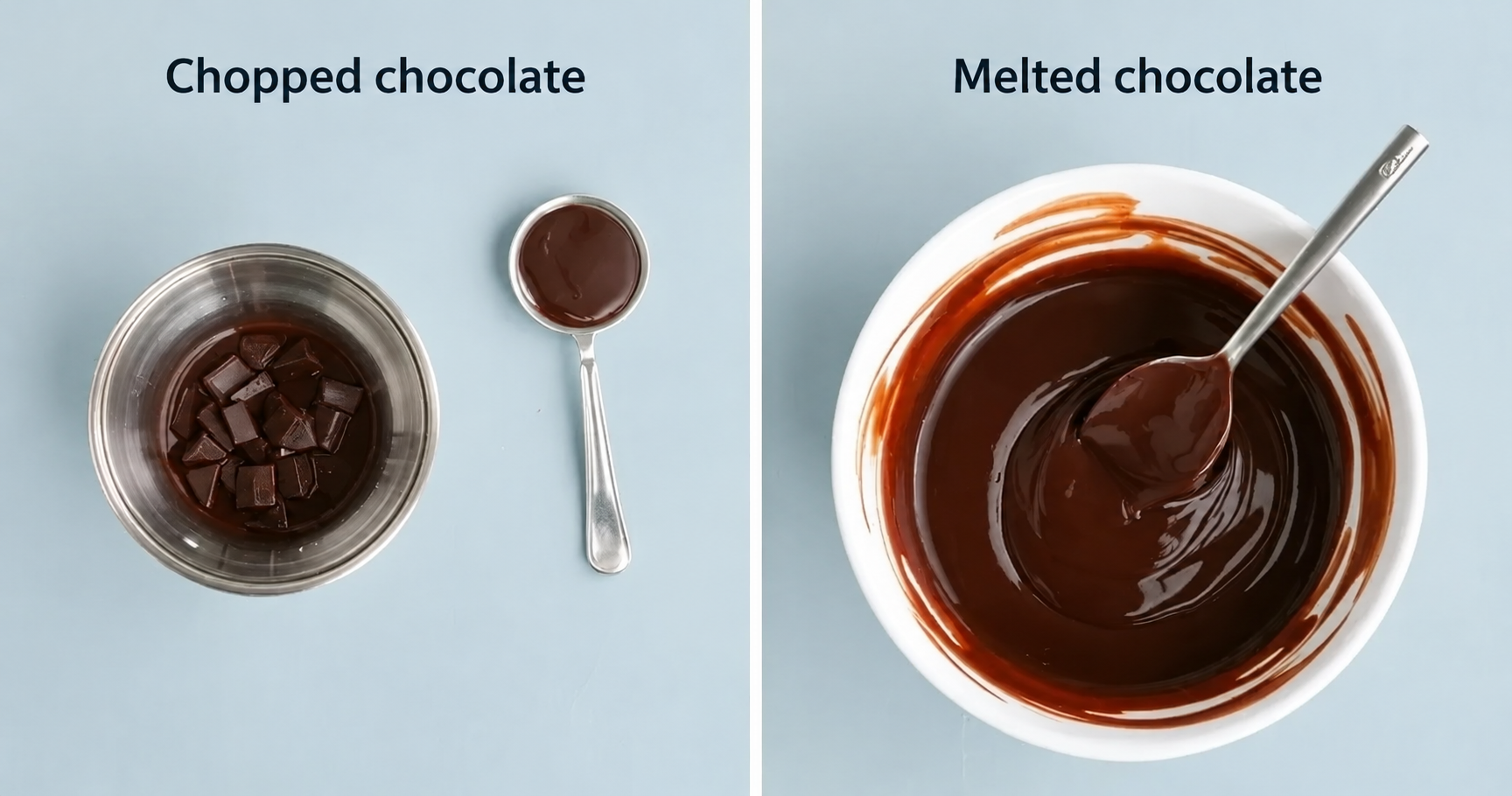
Chop the chocolate into small, fairly even pieces. Use a clean, dry heatproof bowl for a bain-marie, or a microwave-safe bowl for the microwave. Keep water out of plain melting chocolate.
Using a bain-marie
Place the bowl over a saucepan of gently heated water without letting the bowl touch the water. Stir regularly as the chocolate softens, keeping the heat gentle. Prevent steam or splashes from entering the bowl.
Using a microwave
Heat chopped chocolate in short bursts, stirring between each one. Use intervals of up to 30 seconds; shorten them as the chocolate approaches melting, and follow the product’s guidance for power and temperature. Residual warmth can melt the final small pieces.
Add butter or cream only when the dessert recipe calls for it. They change the preparation rather than simply making plain chocolate easier to melt. For a firm, glossy chocolate coating, melting and tempering are separate considerations; follow the chocolate maker’s instructions for the intended use.
Preparing a stable dessert base
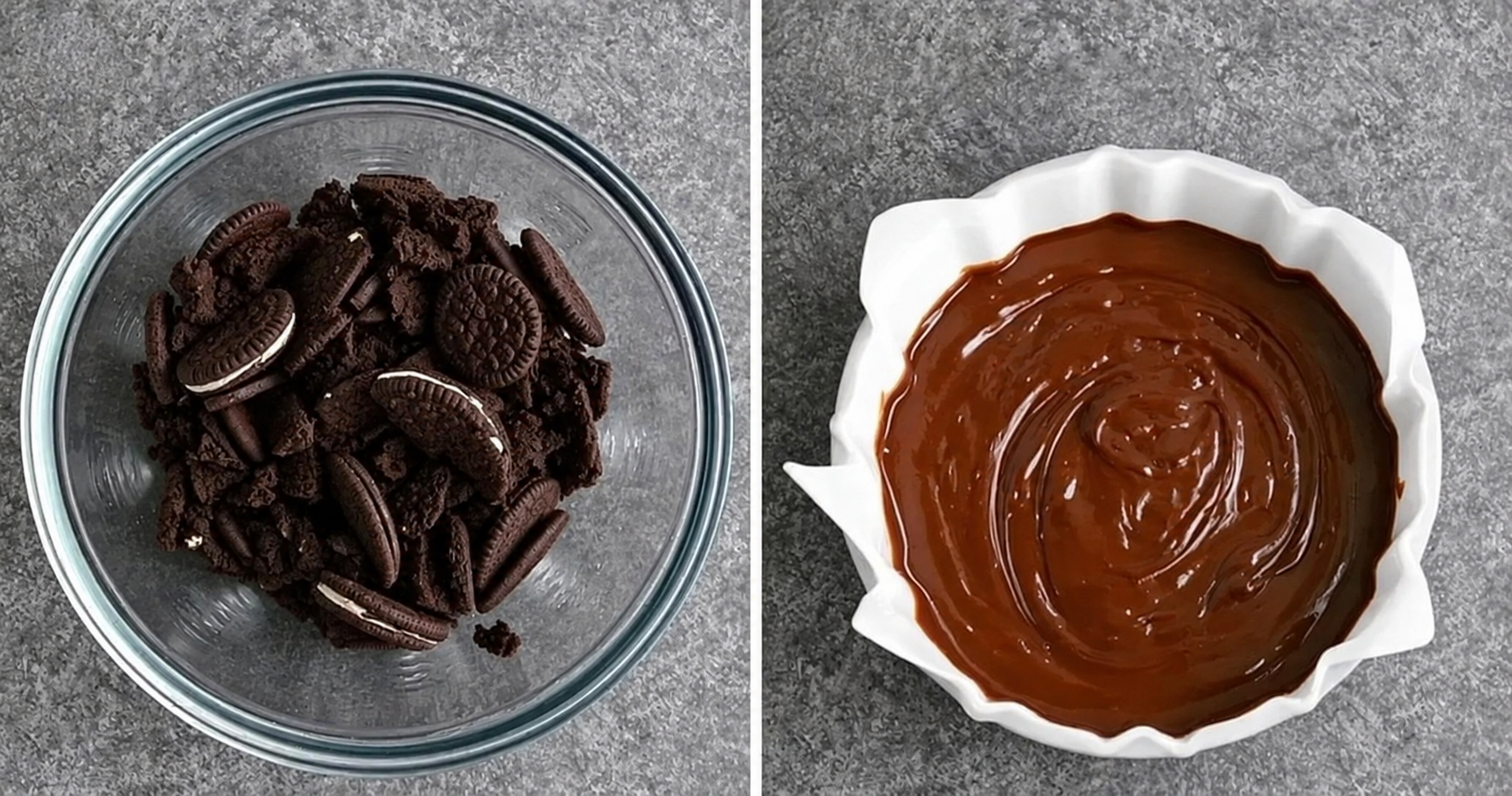
A biscuit base, cake layer or other foundation needs to suit the filling above it. Chocolate biscuits or plain buttery biscuits can make a crumb base when used in an appropriate recipe.
- Crush the biscuits: use a food processor, or place them in a suitable bag and crush with a rolling pin until the crumbs are fine.
- Add the butter: the example proportion is 100 g melted butter to 200 g biscuits. Different biscuits absorb fat differently, so use the proportion required by your chosen dessert.
- Press into the tin: spread the mixture across the base and compact it firmly. The bottom of a glass can help create an even layer.
- Bake only if required: the example method gives about 10 minutes at 180°C when the recipe calls for pre-baking. Follow the recipe’s oven setting and tin instructions; this is not a universal requirement for all biscuit bases.
- Cool before filling: allow a baked base to cool fully, then add the filling at the temperature required by its recipe.
A well-compacted base is easier to portion than loose crumbs. Give any chilled filling enough time to set before trying to lift the first slice.
Cutting without breaking the dessert
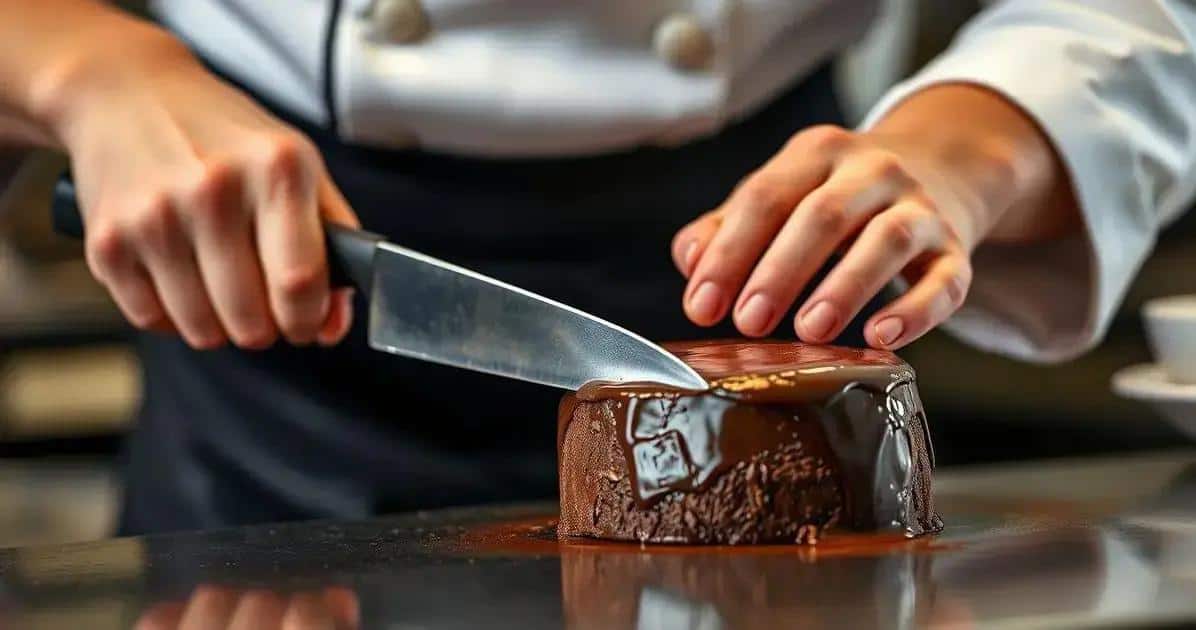
Choose the blade for the texture
A sharp, smooth-edged knife is useful for many smooth chocolate toppings and firm chilled desserts. Support the dessert on a stable surface and decide where the portions will be before cutting.
Warm and dry the knife
Dip the blade briefly in hot water, then dry it thoroughly before cutting. Wipe it clean between portions so that chocolate and crumbs from one slice do not drag through the next.
Use controlled pressure
Cut with steady, moderate pressure instead of forcing the blade through a brittle top. The ideal temperature depends on the dessert. Do not bring every mousse, cream filling or chilled cake fully to room temperature simply to make slicing easier.
Keep perishable desserts refrigerated until needed and return uneaten portions promptly. UK food-safety guidance explains how to keep foods chilled safely.
Very soft desserts
A clean cutting wire intended for food can help with some soft preparations. For a mousse that does not hold a slice, individual pots may be a better presentation than forcing it into portions. Keep to the setting and serving instructions of the recipe.
Different chocolate dessert styles
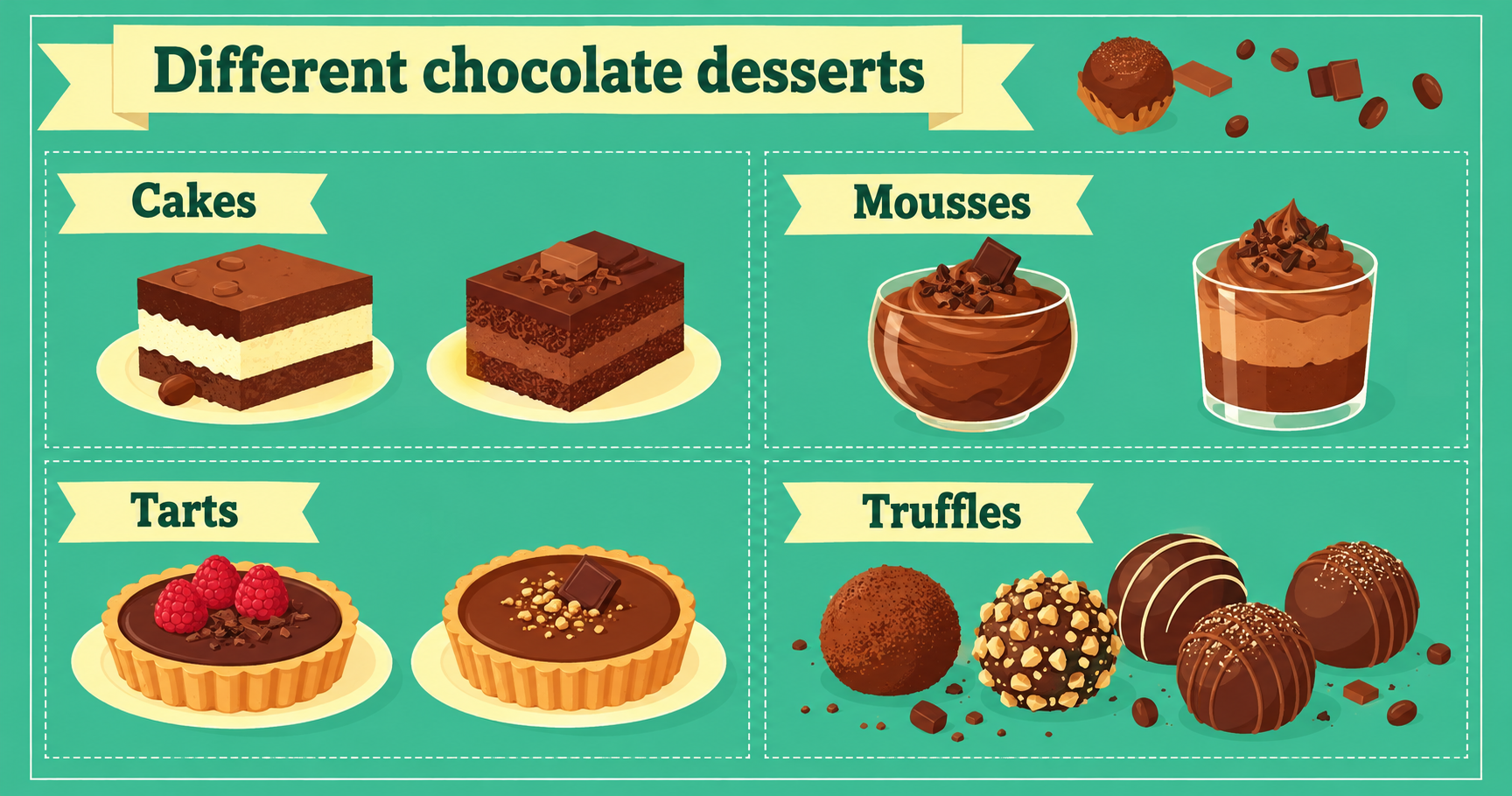
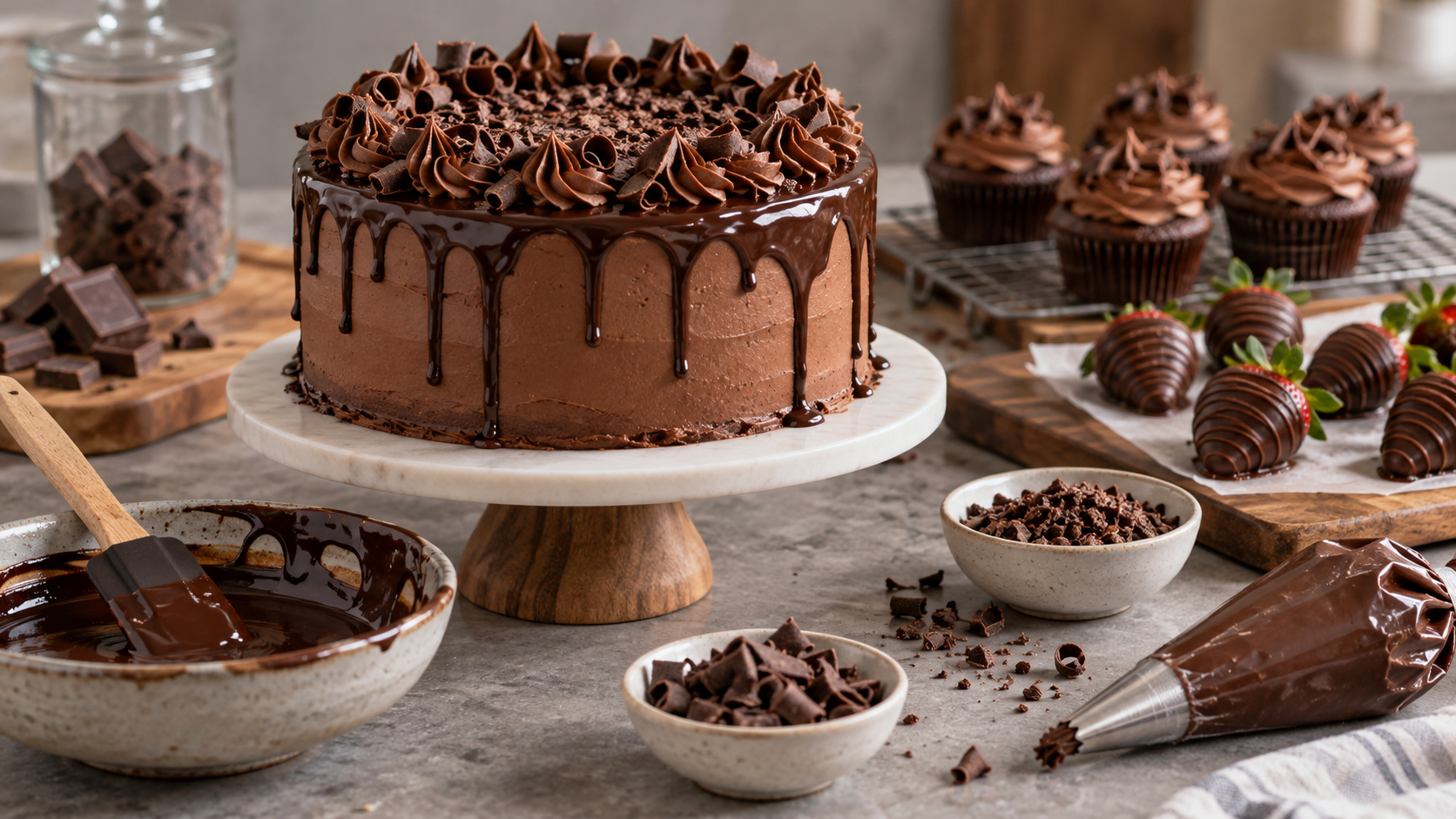
Cakes, mousses, tarts and truffles all use chocolate in different ways. A light mousse will not behave like a dense cake or a crisp chocolate shell, so cutting advice needs to match the structure in front of you.
Dark, milk and white chocolate also contribute different flavours and setting properties. White chocolate contains cocoa butter but no non-fat cocoa solids; it should not automatically replace dark chocolate in a recipe whose texture depends on specific proportions.
Understanding those differences makes it easier to choose whether to slice, spoon or serve in individual dishes. Presentation works best when it suits the dessert rather than working against it.
Serving ideas
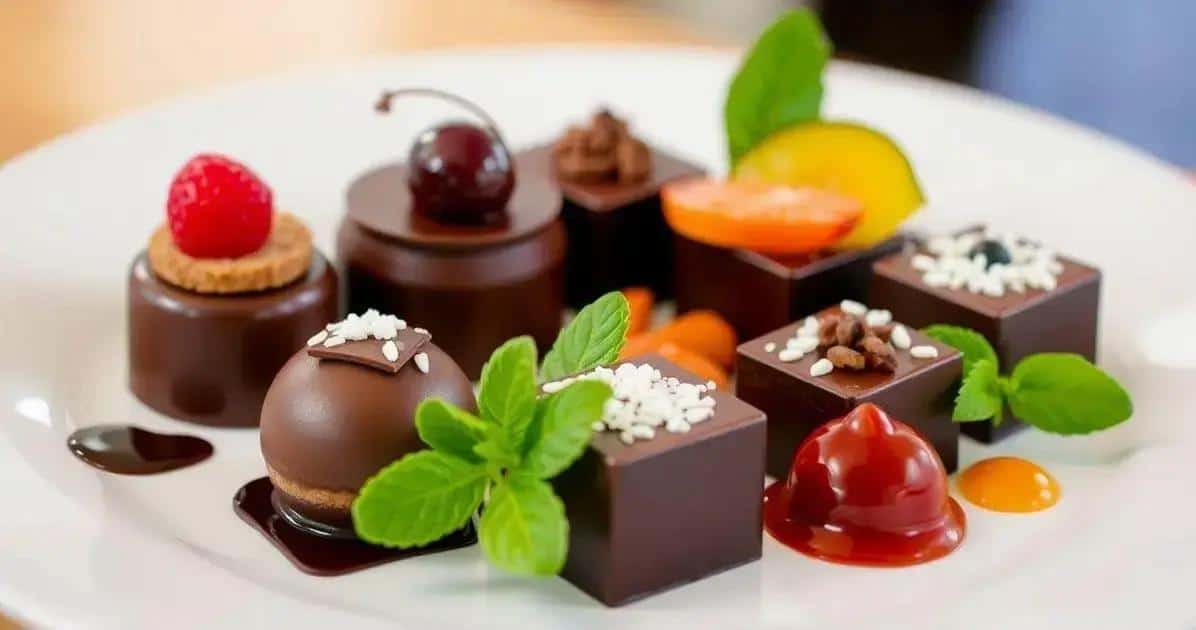
- Choose the plate: a plain white plate can show the colour and layers clearly.
- Add fruit: strawberries, raspberries or a little mint provide colour and a fresh contrast.
- Use sauces: a fruit coulis, chocolate sauce or caramel adds another flavour and a decorative finish.
- Serve individual portions: small glasses or ramekins are useful for soft desserts and make serving straightforward.
- Contrast textures: nuts or biscuit crumbs can complement a creamy filling.
- Follow the serving temperature: some cakes suit room-temperature serving, while cream-based desserts need to stay chilled.
Practise one technique at a time
A stable base, a properly set filling and a clean blade can make a noticeable difference. Explore more dessert ideas at Bella’s Recipes.
Frequently asked questions
How do I melt chocolate properly?
Use gentle heat in a bain-marie or short microwave bursts, stirring regularly. Keep the bowl dry and prevent water from entering plain melting chocolate.
Which ingredients are common in chocolate desserts?
Chocolate, butter, sugar, cream and eggs are common, depending on the recipe. They are not a universal ingredient list to combine without measurements.
How can I avoid breaking the dessert when cutting?
Let it set as its recipe requires, use a suitable sharp knife and try a briefly warmed, thoroughly dried blade. Clean the blade between cuts and keep chilled desserts appropriately refrigerated.
How should I present a chocolate dessert?
Choose a suitable plate, add fruit or sauce if desired, and use individual dishes for desserts that are too soft to slice neatly.
Do all chocolate desserts cut in the same way?
No. A mousse, cake, tart and crisp shell have different structures. Match the cutting and serving method to the particular dessert.
How can I make serving more creative?
Combine a creamy dessert with crunchy nuts or biscuit crumbs, or add a contrasting fruit sauce. Keep the flavours and textures balanced.