
Choose a food-safe smoky flavour
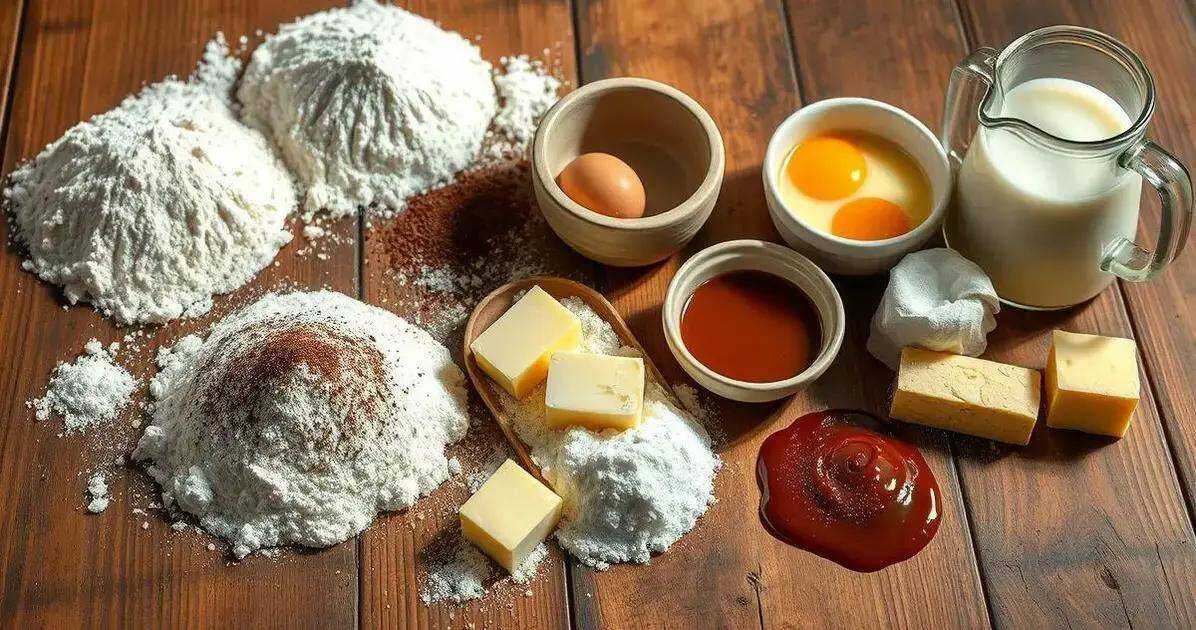
Use ingredients made for food, such as a small amount of smoked salt or a professionally produced smoked sugar. Do not expose finished cakes to untreated wood smoke or use barbecue flavourings without checking their intended application.
Bake 12 simple cupcakes
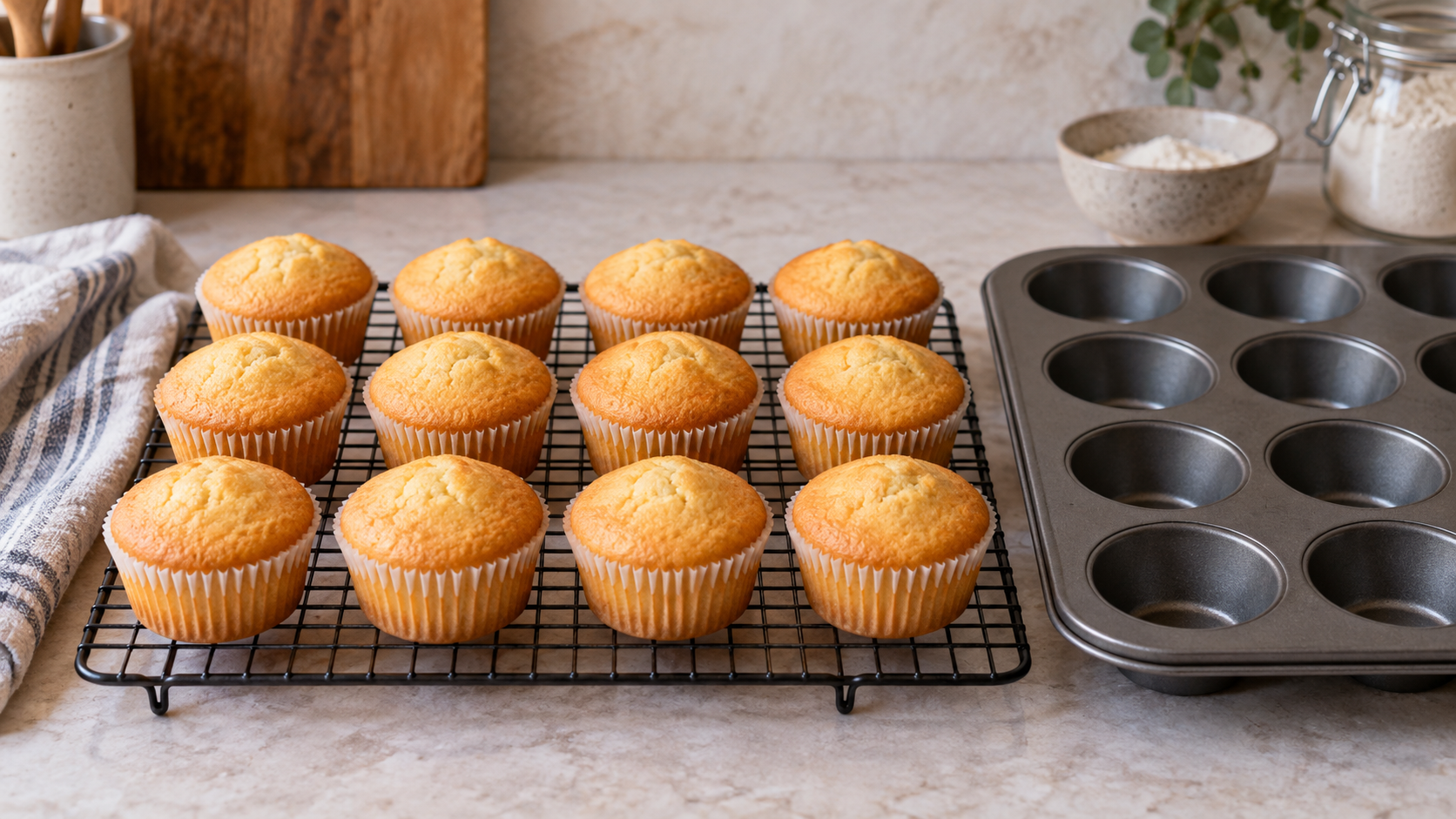
For 12 cakes, use 125 g softened butter, 125 g caster sugar, two large eggs, 125 g self-raising flour, one teaspoon vanilla and one tablespoon milk. Bake at 180°C, or 160°C fan, for about 18 to 22 minutes, then cool completely.
Make a controlled caramel
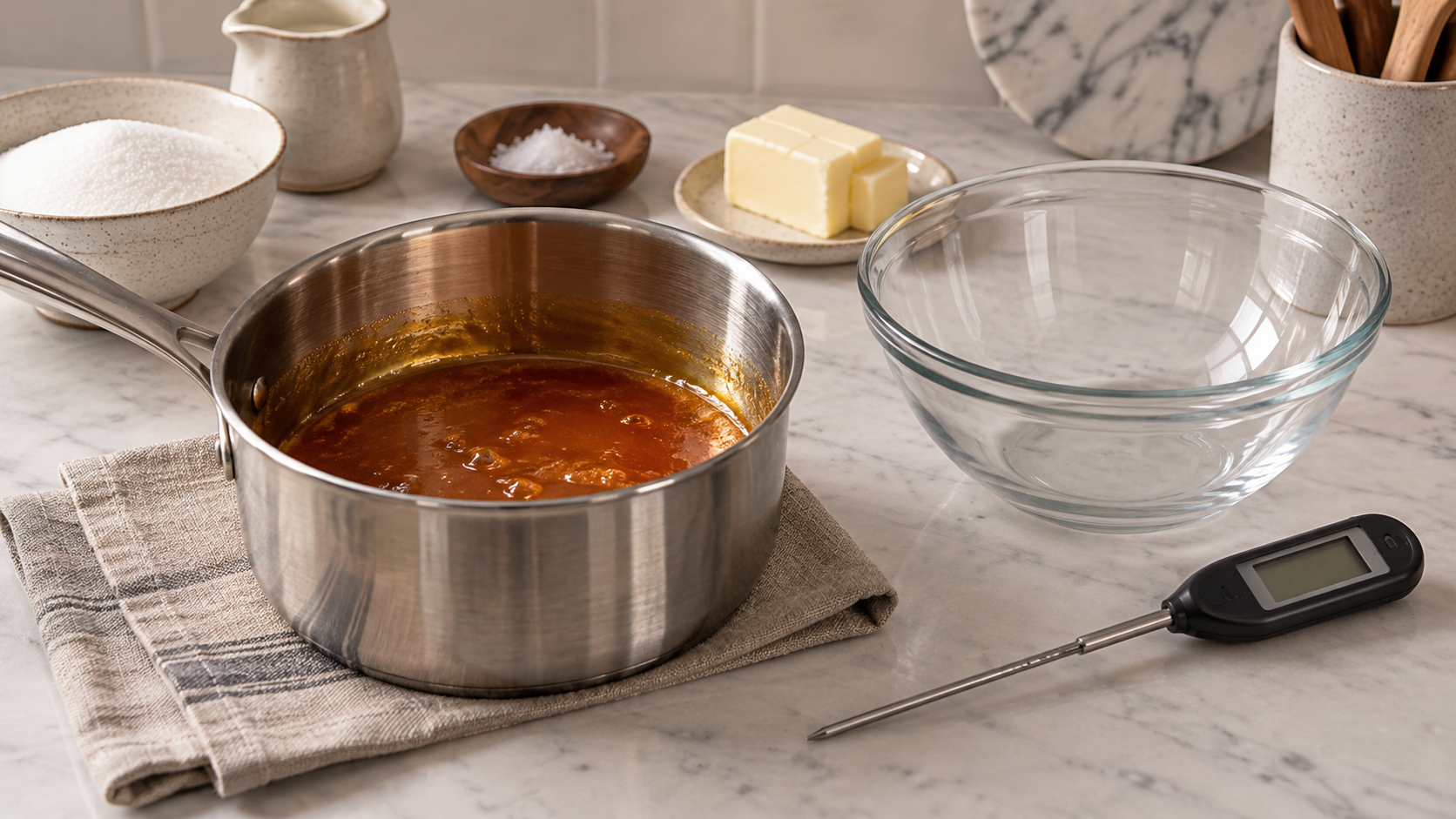
Make a tested caramel sauce and allow it to cool before decorating. Hot caramel can melt buttercream and cause burns. If using cream or butter, follow their allergen and storage requirements and never guess a long room-temperature shelf life.
Add smoke without bitterness
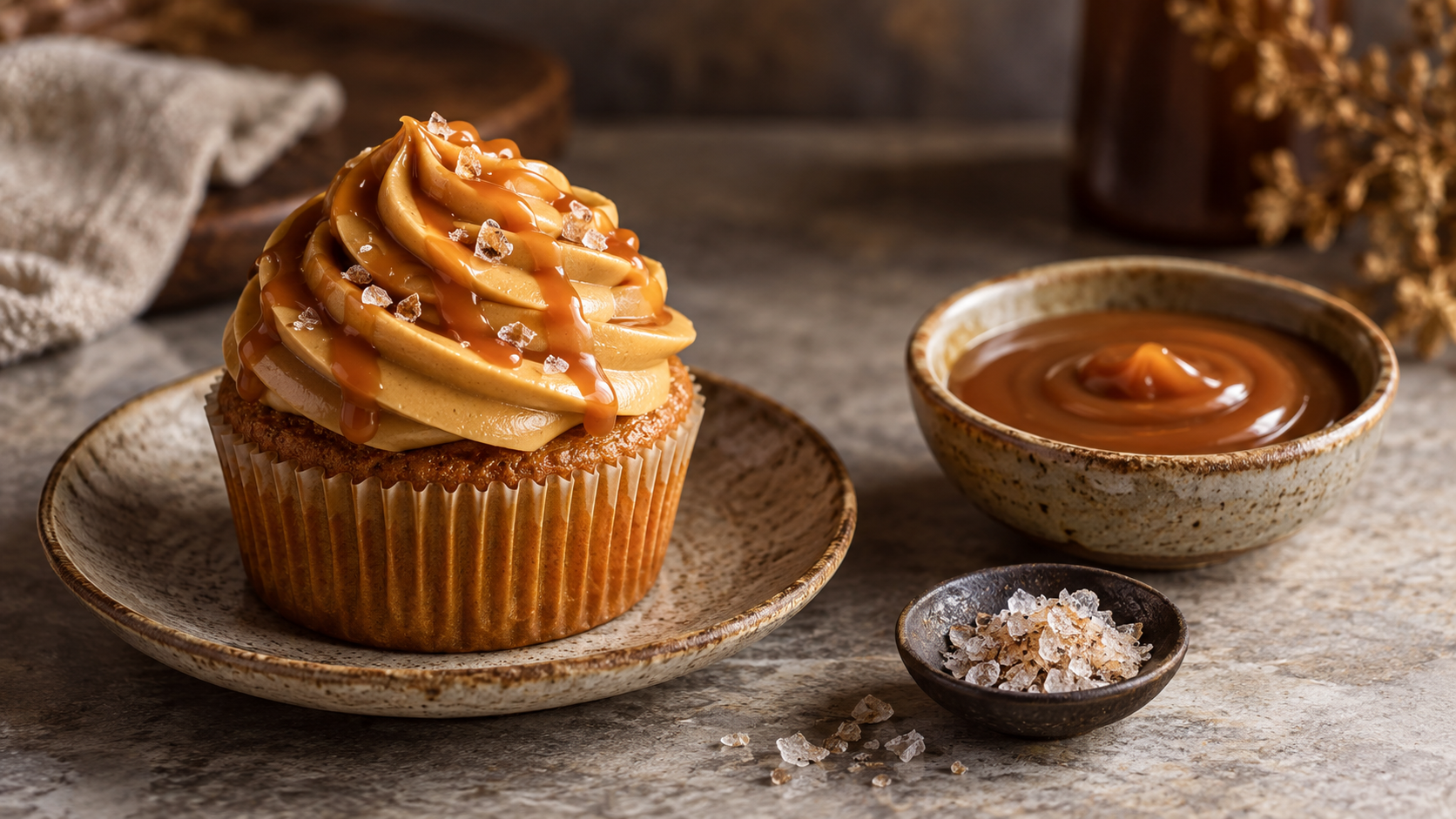
Add smoked salt by tiny measured pinches and taste after each addition. The goal is a gentle toasted finish, not an ash flavour. Keep some unsmoked caramel aside so the intensity can be adjusted.
Assemble and store safely
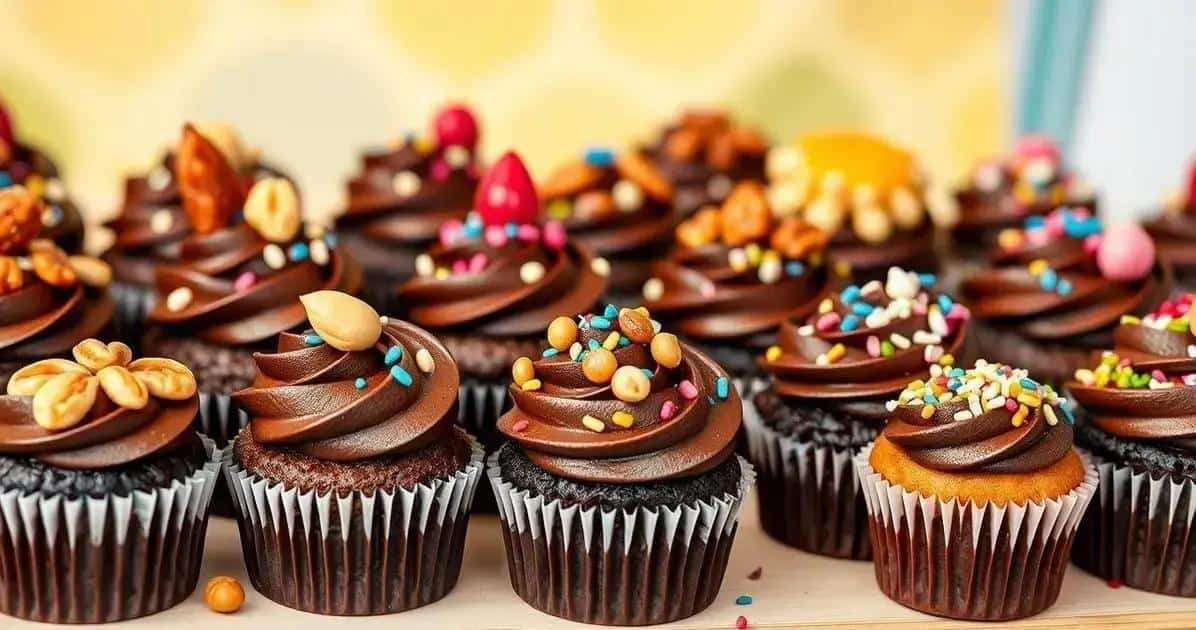
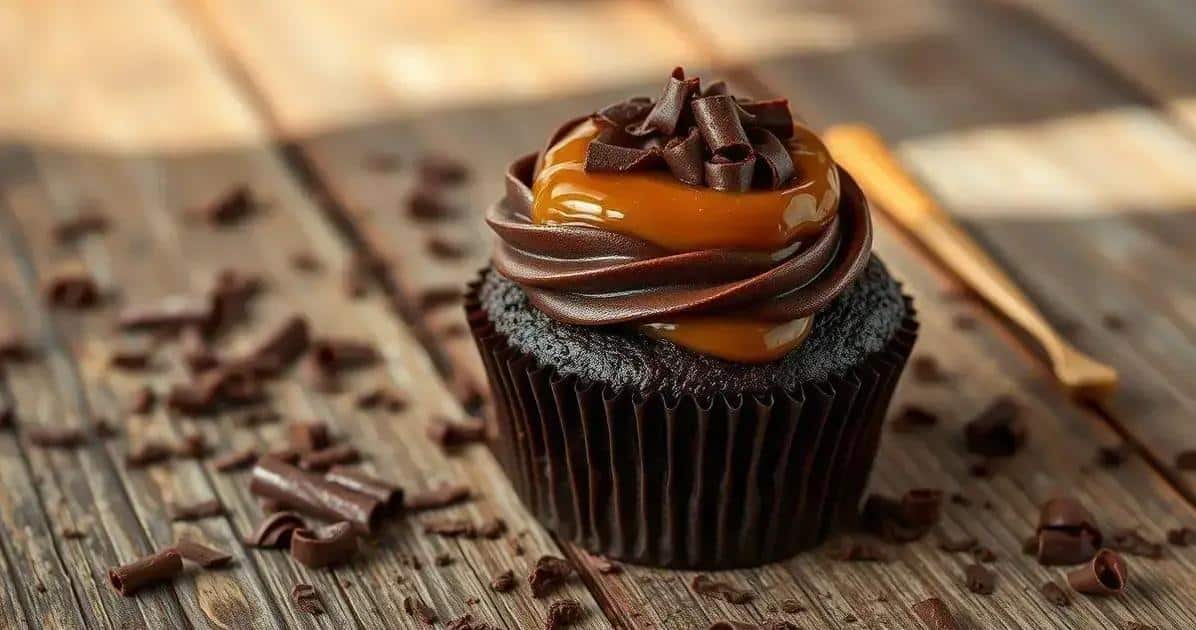
Core each cupcake for a small caramel centre or drizzle it over a low buttercream swirl. The recipe normally contains milk, egg and gluten. Store covered and according to the most perishable component, and protect sticky toppings during transport.
Frequently asked questions
Why was the source rewritten rather than translated literally?
It needed factual, recipe or safety correction, so the useful topic was rebuilt directly in British English.
Can alcohol be assumed to cook away?
No. Label it clearly and keep the product for an appropriate adult audience.
Are vegan products automatically allergen-free?
No. Check every ingredient and cross-contact statement for soya, nuts, gluten and other allergens.
Can the stated storage time be guaranteed?
No. Ingredients and handling vary; use a validated shelf life for the actual recipe and process.
May decorative or workshop materials touch food?
Only materials intended for food contact should touch edible products.
How should historical firsts be described?
Use primary records where possible and state uncertainty rather than inventing a precise first.