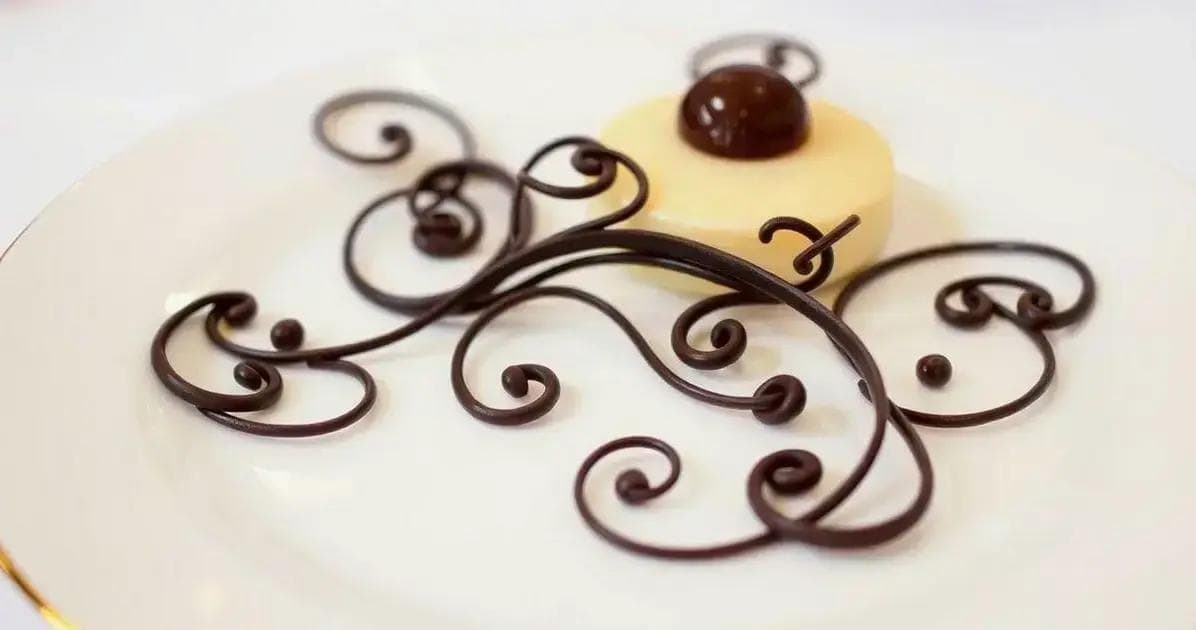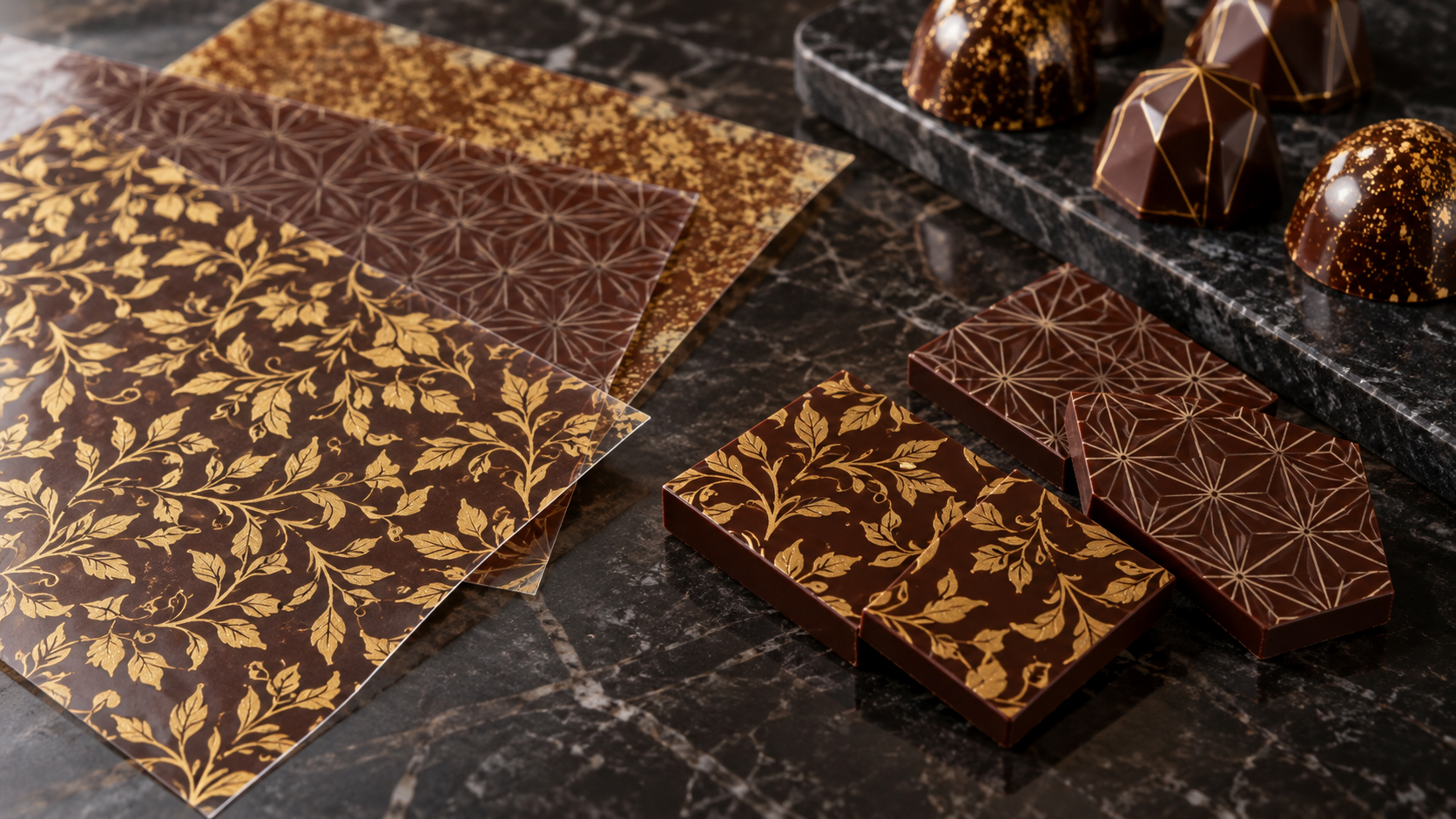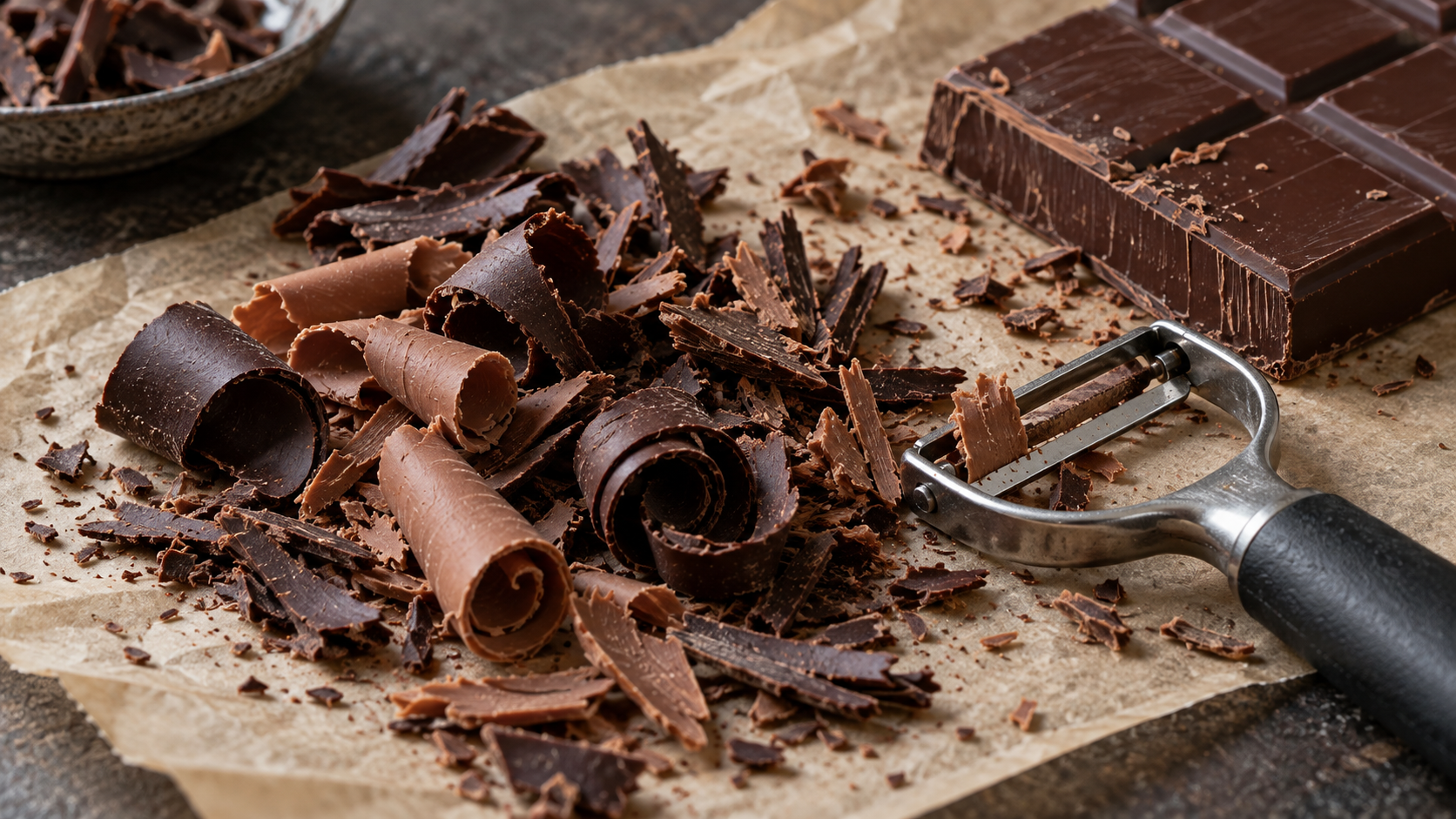

Choosing chocolate
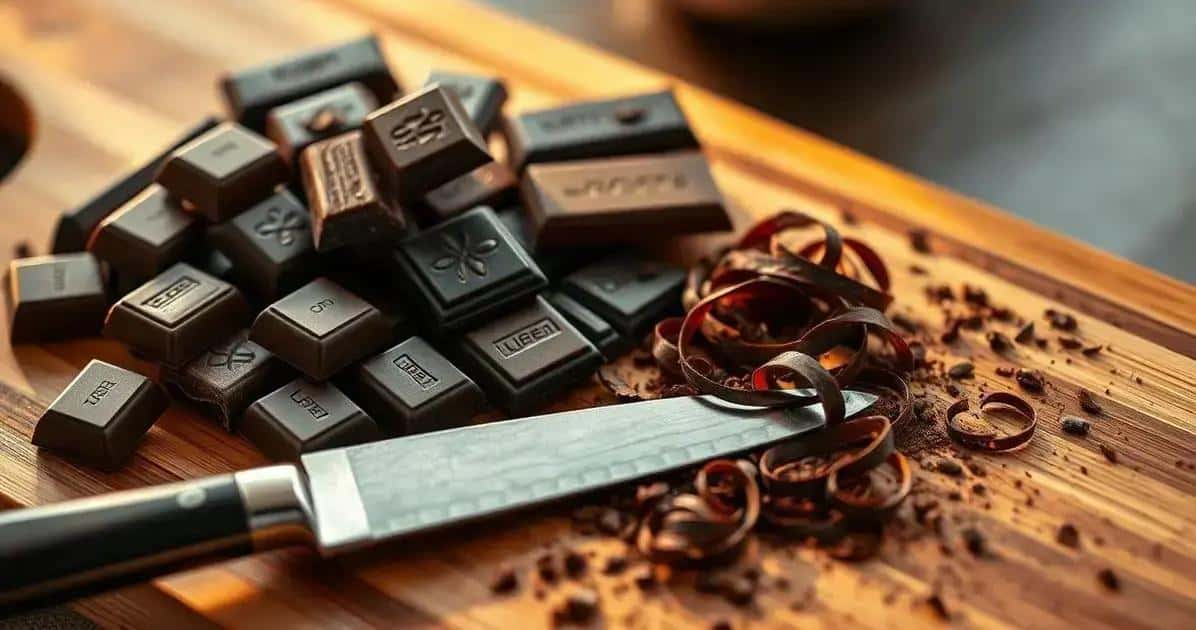
A smooth, solid bar with a flat side is easiest to work with. Dark, milk and white chocolate all curl differently, so begin with a small test rather than chilling the whole bar hard.
Getting the temperature right
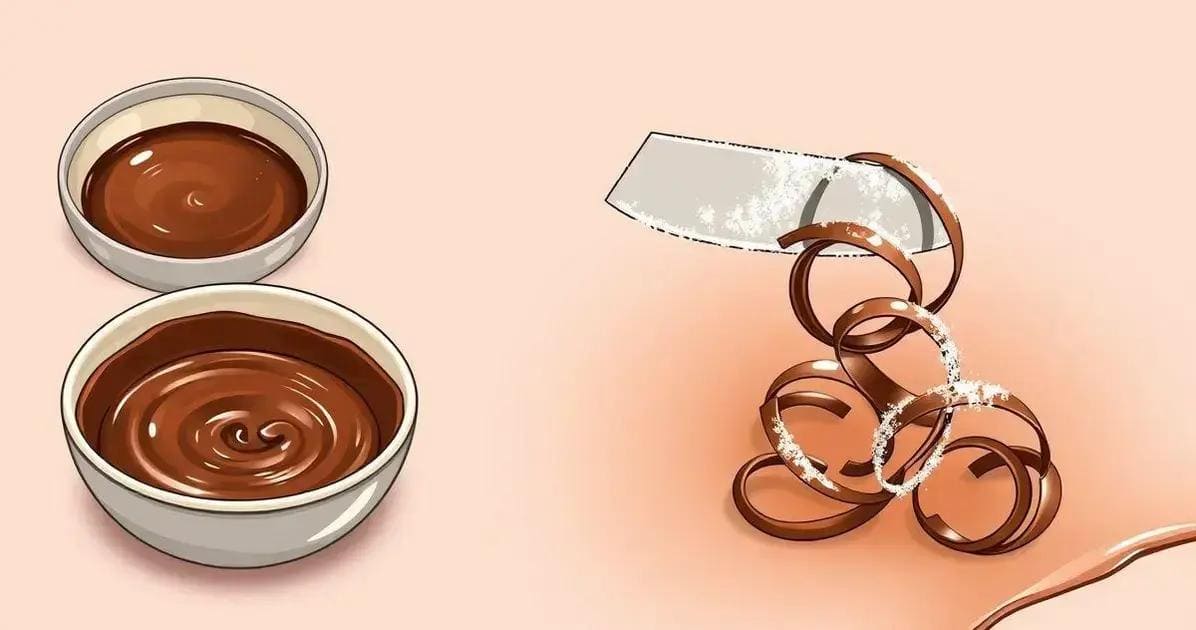
Chocolate should be firm but not brittle. If it snaps into dust, let it warm briefly; if it smears, cool it for a few minutes. A frozen knife is unnecessary and can create condensation.
Making curls with a bar
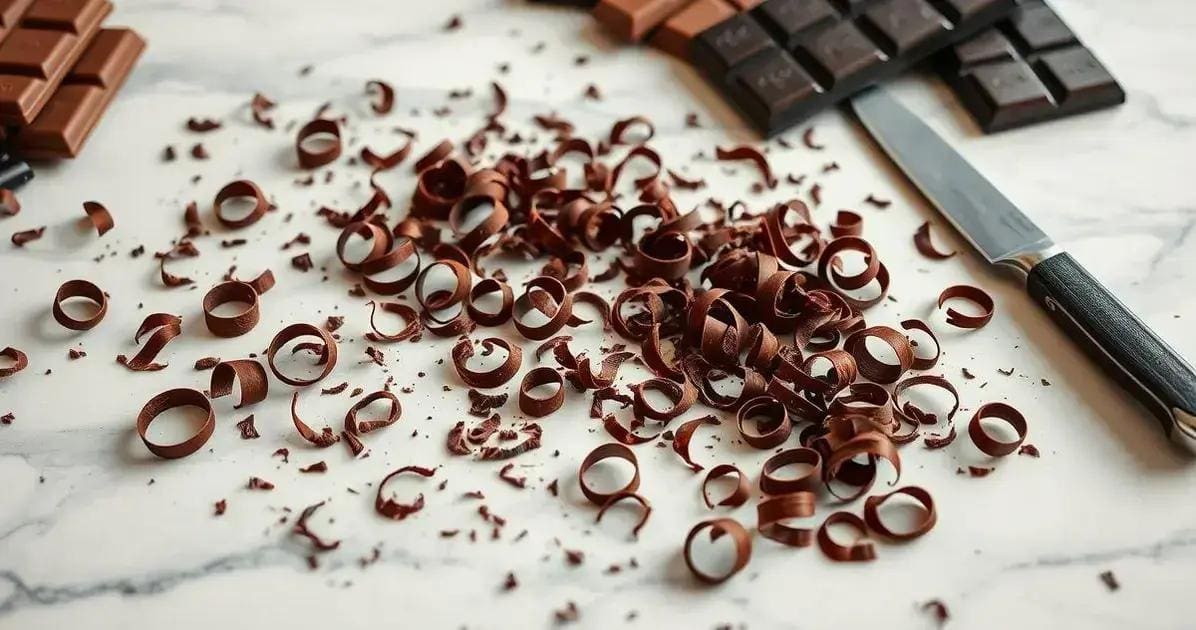
Draw a vegetable peeler along the broad edge of the bar using steady pressure. Longer strokes make wider curls, while a lighter touch produces delicate ribbons.
Making curls from a chocolate sheet
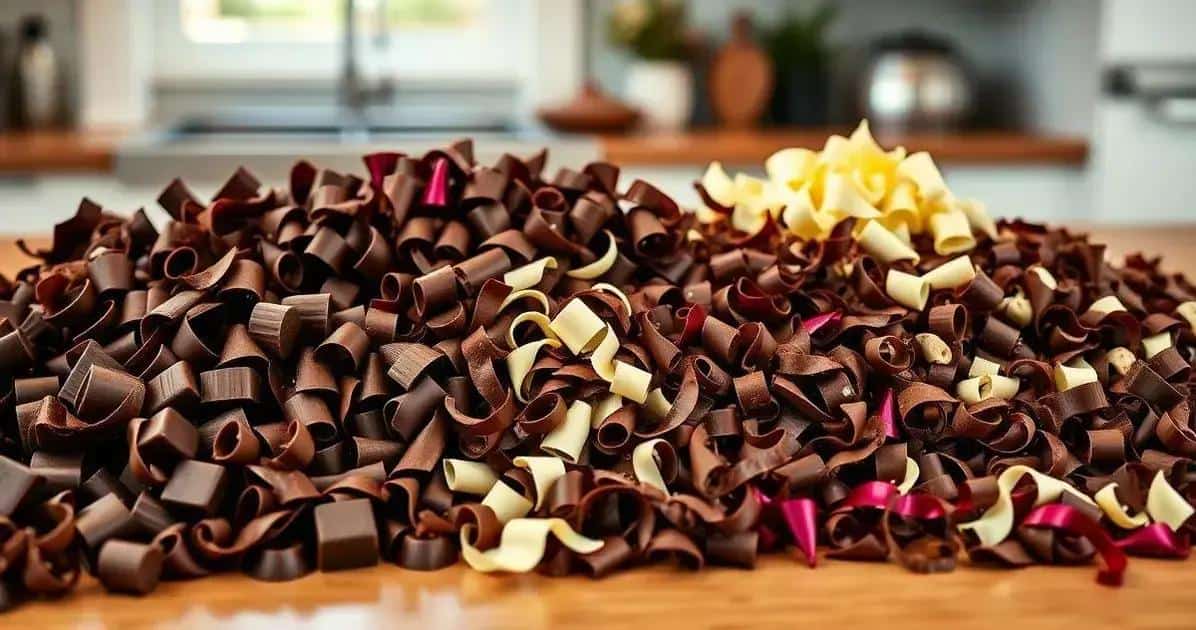
For larger curls, spread tempered chocolate thinly on a clean tray. As it becomes set but still flexible, push a bench scraper away from you at a shallow angle.
Creating fine shavings

Use a fine grater for small flakes or scrape the back of a bar lightly with a knife. Work over baking paper so the decorations can be moved without warming them in your hands.
Adding decorations to desserts

Place curls on cakes only after glazes and ganache have stopped flowing. Use a cool palette knife or tweezers for fragile pieces and avoid pressing them into wet cream.
Storing chocolate decorations
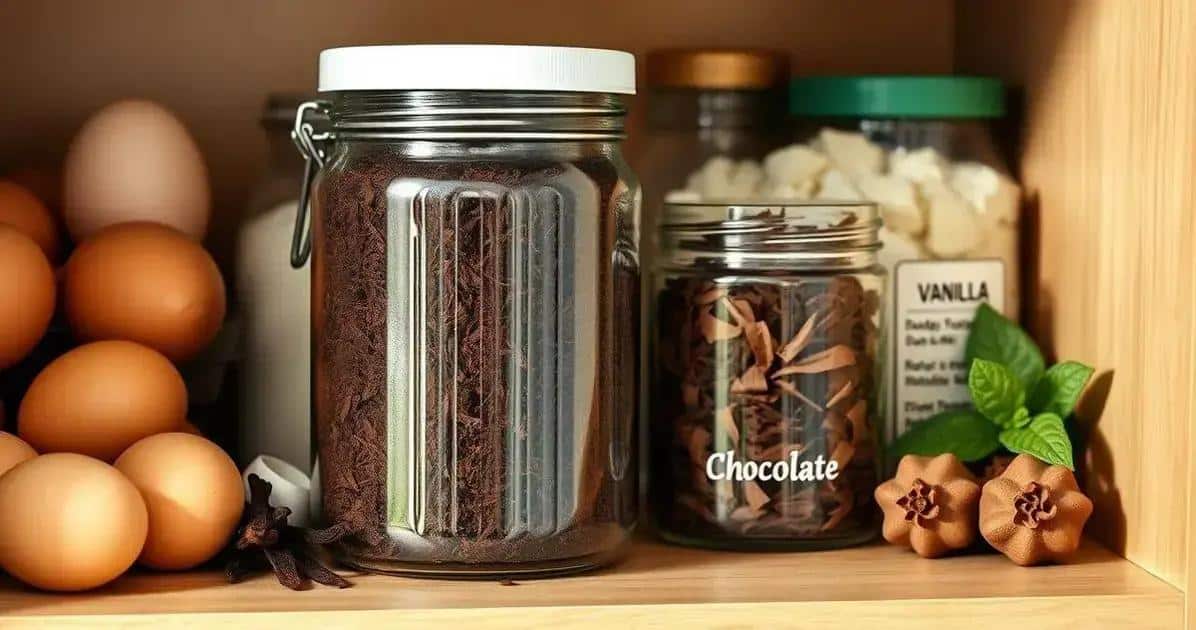
Keep curls flat in an airtight container between sheets of baking paper. Store them cool and dry, away from the refrigerator unless the room is too warm.
Frequently asked questions
Can I use supermarket chocolate?
It can work for simple baking and drizzles, but couverture chocolate gives more predictable tempering, shine and snap.
Why did my chocolate become thick or grainy?
Water, steam or overheating may have caused it to seize. Keep every tool dry and melt with gentle heat.
Should chocolate go in the fridge?
Use a cool, dry cupboard when conditions are stable. Refrigerate only when heat or a perishable filling makes it necessary, and keep the container sealed.
How do I avoid fingerprints?
Handle set decorations with clean food-safe gloves, tweezers or a cool palette knife.
Can I prepare decorations ahead?
Yes. Store them airtight between sheets of baking paper in a cool, dark and dry place.
Which allergens should I declare?
Check every product label, particularly for milk, soya, nuts and possible traces from shared manufacturing equipment.